











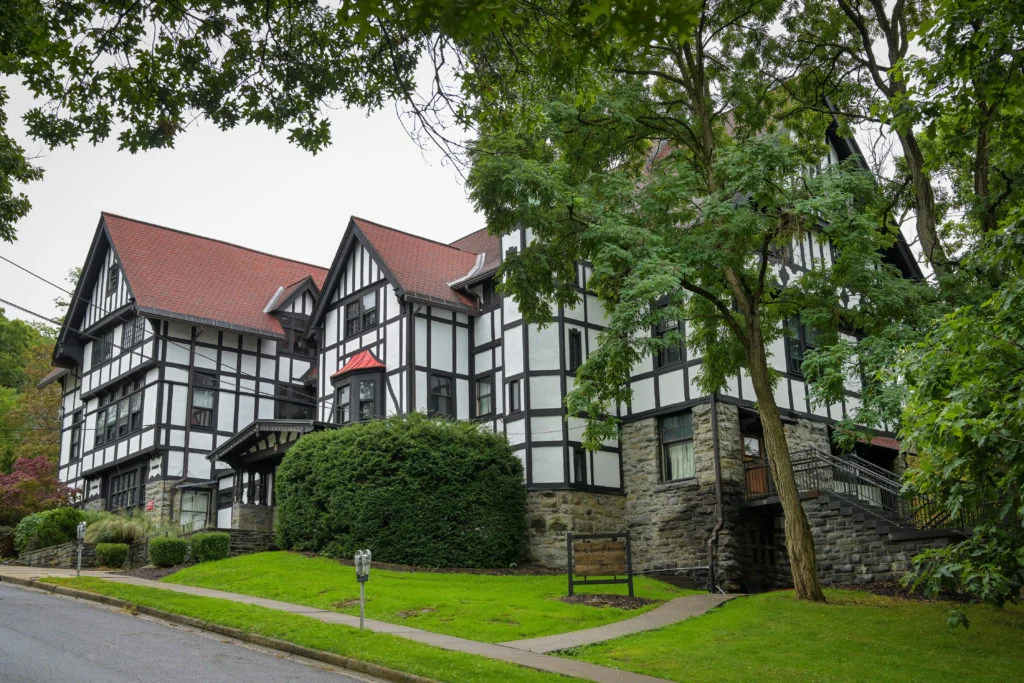
The Ivy League campus of Cornell University in Ithaca, New York, is currently the epicenter of a national firestorm regarding campus sexual assault policies, the limits of internal university investigations, and the intersection of civil litigation and criminal justice. A high-profile civil lawsuit filed earlier this month by a woman identified as "Jane Doe" has forced a dramatic reopening of an investigation into a brutal, multi-perpetrator sexual assault that allegedly occurred in October 2024.
As the case moves into the national spotlight, it has drawn sharp condemnation from state officials, including Governor Kathy Hochul, and has reignited a fierce debate about the efficacy of campus disciplinary boards when faced with allegations that would constitute violent felonies in the civilian world.
The Core Allegations: A Night of Violence
The lawsuit filed by Jane Doe provides a harrowing account of events that transpired at the Chi Phi fraternity house in the fall of 2024. According to the court filing, the plaintiff was invited to a party at the fraternity, where she was allegedly provided with alcohol and pressured into consuming ketamine. The suit claims that she was subsequently subjected to a prolonged, multi-hour sexual assault by seven male students.
The allegations suggest a systematic and coordinated abuse, with the suit detailing how the men allegedly assaulted the woman and, in a harrowing turn, invited additional peers to participate in the act. The trauma described in the filing has not only led to the victim’s departure from Cornell but has also catalyzed a broader institutional crisis for the university, which is now facing scrutiny over its handling of the initial report.
Chronology of a Controversial Response
The timeline of the case reveals a significant gap between the university’s internal handling of the incident and the expectations of public justice.
- October 2024: The alleged sexual assault occurs at the Chi Phi fraternity house.
- Late 2024: The victim reports the assault to the Cornell University Police Department (CUPD). The university launches an internal disciplinary investigation.
- Post-Investigation (2024-2025): Cornell takes disciplinary action, including the closure of the Chi Phi fraternity and its subsequent ban from campus. The university reports that individual students faced disciplinary measures, including suspensions and expulsions. However, no criminal charges are filed by local law enforcement.
- Early 2026: Jane Doe files a civil lawsuit against Cornell and several individual defendants, alleging the university failed to provide a safe environment and mishandled the investigative process.
- Present Day: Following the filing of the lawsuit, the Tompkins County District Attorney’s office announces it will present the case to a grand jury. Governor Kathy Hochul calls for an independent review of Cornell’s handling of the matter.
The Gap Between "Disgusting" and "Illegal"
A central point of friction in this case is the divergence between the university’s disciplinary findings and the decision by the Tompkins County District Attorney not to pursue criminal charges at the time of the incident.
Matthew Van Houten, the Tompkins County District Attorney, addressed the public outcry in a recent interview, acknowledging the moral weight of the incident while explaining the limitations of the penal code. "The young men who engaged in that conduct were morally wrong. It was disgusting," Van Houten stated. "That does not mean, if it’s morally wrong or disgusting or offensive, all those things, it does not mean that the penal law was violated."
This distinction—between conduct that warrants university expulsion and conduct that warrants criminal prosecution—is at the heart of the current crisis. Critics, including the Mayor of Ithaca, have labeled the reliance on campus police to investigate what appears to be a violent gang rape as "irresponsible." The fact that the case was not referred to the Ithaca Police Department or the New York State Police has created a widespread perception of a "miscarriage of justice," where the university attempted to solve a systemic safety issue through isolated, confidential administrative channels.
Official Responses and Institutional Siege
Cornell University, a prestigious institution with a global reputation, currently finds itself in a state of defensive retreat. As the civil lawsuit gained traction, the story erupted into a global online phenomenon, fueled by media coverage and social media activism.
Despite requests for interviews from national outlets, Cornell leadership has remained largely silent, issuing only brief, carefully worded statements. The university maintains that it took "significant disciplinary action" and rejects the notion that the punishments meted out to the seven students were "slaps on the wrist."
However, reporting suggests a darker reality regarding the continuity of these students’ academic careers. While the plaintiff was forced to abandon her studies at the university, it has come to light that at least some of the seven accused men were permitted to continue their education at Cornell following the disciplinary proceedings. This disparity has become a focal point of student anger, raising questions about whether the university prioritized the protection of its reputation and its male students over the safety and well-being of the victim.
Implications for Campus Safety and Legal Reform
The Cornell case has broader implications for how American universities handle sexual violence. The use of "Title IX" and internal disciplinary panels has long been a subject of scrutiny, with advocates arguing that these processes are often designed to shield universities from liability rather than to provide justice for survivors.
The Role of Campus Police
One of the most significant takeaways from this incident is the debate over the jurisdiction of university police. Critics argue that when allegations involve serious violent crimes—such as sexual assault or rape—the investigation should be handled exclusively by professional, sworn law enforcement agencies with the resources to conduct forensic inquiries, rather than campus security departments. The decision to keep the investigation internal appears to have deprived the case of the rigor required for a criminal prosecution.
The Power of Civil Litigation
The fact that a civil lawsuit has triggered a grand jury investigation suggests that for many survivors, the civil justice system is the only path left when the criminal justice system fails. By naming the defendants and bringing the evidence into the public record, Jane Doe has forced the hand of the state. The naming of these seven men by The Cornell Daily Sun has further accelerated the consequences for the accused, with reports indicating that some have already begun to face professional repercussions, including the loss of employment.
The Call for Independent Oversight
Governor Kathy Hochul’s call for an independent probe represents a growing demand for accountability at the administrative level. If a university is found to have deliberately suppressed information or mishandled a report of a violent crime to protect its image, the legal and financial ramifications could be severe.
Campus Sentiment: Anger and Compassion
On the ground in Ithaca, the atmosphere is one of profound tension. Students are grappling with the reality that their peers were allegedly involved in such a heinous act. While there is a palpable sense of anger directed toward the university administration for their perceived lack of transparency, there is also an overwhelming sense of solidarity with the plaintiff.
Many students have expressed horror not just at the original act, but at the systemic betrayal that followed. The fact that the victim had to leave the campus while her alleged attackers remained has left many, particularly women on campus, feeling that the university’s values are fundamentally misaligned with the needs of its students.
Conclusion: A Turning Point
The reopening of the investigation into the 2024 assault is more than just a legal development; it is a signal that the traditional methods of handling campus sexual violence are no longer sufficient. As the grand jury prepares to hear evidence, the nation will be watching to see if justice can be served years after the fact.
For Cornell University, the path forward requires more than just silence and brief statements. It requires a transparent reckoning with how its internal systems failed to protect a student and why it allowed such a serious matter to remain in the shadows of administrative bureaucracy. The case of Jane Doe will undoubtedly serve as a watershed moment in the national conversation on campus safety, forcing institutions everywhere to consider whether they are acting as sanctuaries for students or as barriers to justice.