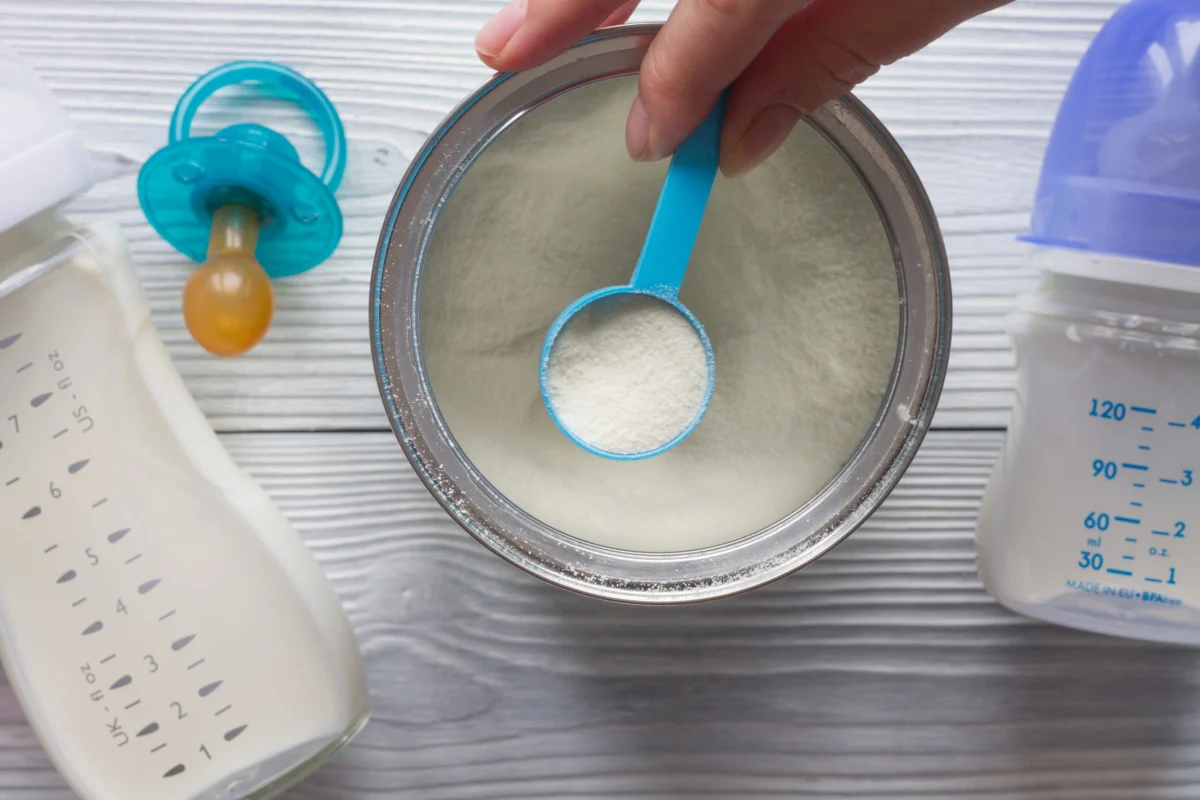
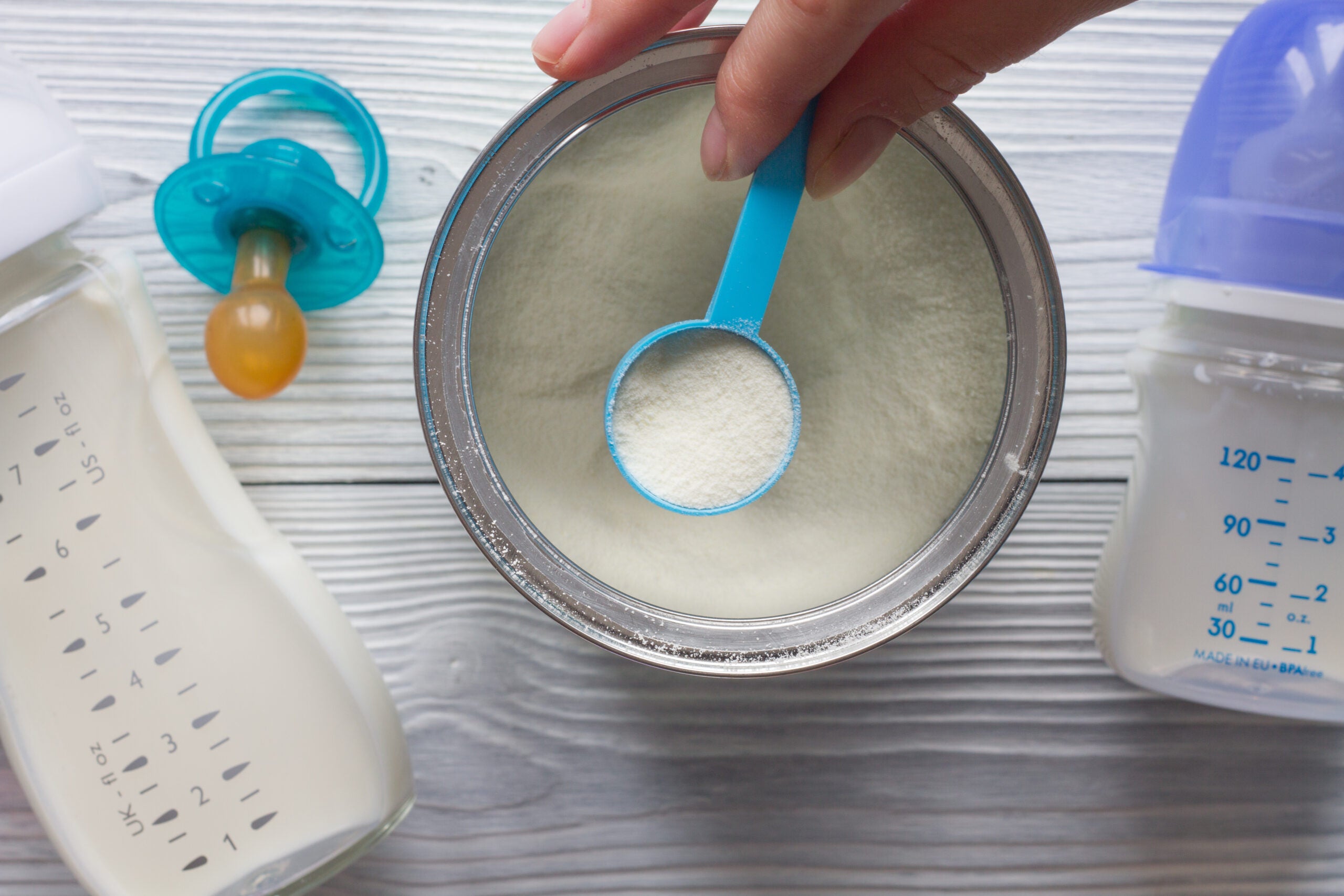
The image of empty supermarket shelves is a haunting specter in modern consumer society, but few shortages carry the emotional and physical weight of a deficit in infant formula. For millions of families across the United States, the supply chain disruptions of the past two years have transformed a routine grocery errand into a desperate, anxiety-inducing hunt for sustenance. When human milk is not an option—due to biological, social, or medical necessity—infant formula is not merely a product; it is a critical, life-sustaining medical requirement.
As the nation grapples with the fallout of recent shortages, experts, policymakers, and parents are forced to confront a fragile manufacturing ecosystem that prioritizes efficiency over resilience.
The Chronology of a Crisis: From Supply Chain Strains to National Emergency
The current instability in the infant formula market did not emerge in a vacuum. It was the culmination of a "perfect storm" that began with the global pandemic and reached a fever pitch in 2022.
The Pandemic Catalyst (2020–2021)
When COVID-19 first shuttered global trade, the infant formula industry faced immediate headwinds. Labor shortages at manufacturing plants, coupled with the unpredictable "panic buying" that characterized the early months of the pandemic, strained inventory levels. While the industry largely managed to keep shelves stocked during the first year, the underlying vulnerability—an extreme consolidation of the market—was becoming increasingly apparent.
The Recall and the Tipping Point (Early 2022)
The situation deteriorated rapidly in February 2022, when Abbott Nutrition, one of the nation’s largest formula producers, issued a massive recall of products manufactured at its Sturgis, Michigan, facility. The recall was triggered by reports of Cronobacter sakazakii infections in infants, a dangerous pathogen. The subsequent shutdown of the plant created a massive supply vacuum. Because the U.S. formula market is dominated by only four companies, the loss of one major facility effectively crippled the national supply.
The Government Intervention (Late 2022–Present)
By mid-2022, the federal government initiated Operation Fly Formula, utilizing military aircraft to import millions of canisters of formula from international manufacturers to bridge the gap. While this mitigated the immediate panic, it highlighted the lack of domestic manufacturing redundancy.
The Reality of Infant Nutrition: Why Formula is Irreplaceable
To understand the severity of this crisis, one must understand the demographics of infant feeding in the U.S. While public health organizations, including the American Academy of Pediatrics, strongly advocate for breastfeeding, the reality is that the "ideal" is often at odds with the "possible."
The Socioeconomic Barrier
Breastfeeding requires time, privacy, and support—three commodities that are in short supply for many American working parents. With the United States lacking a federal paid family leave mandate, many mothers are forced to return to the workforce mere weeks after childbirth, making exclusive breastfeeding physically and logistically impossible.
The Medical Necessity
Beyond the social constraints, there is a significant population of infants for whom formula is the only safe option. Infants with severe cow’s milk protein allergies, metabolic disorders (such as phenylketonuria), or gastrointestinal conditions require specialized, hypoallergenic, or amino-acid-based formulas. These infants cannot simply be switched to another brand or homemade alternatives, making them the most vulnerable victims of any supply chain disruption.
Supporting Data: A Concentrated Market
The vulnerability of the U.S. formula supply is a direct result of market concentration. According to the Federal Trade Commission, the U.S. infant formula market is highly oligopolistic. Four companies—Abbott Nutrition, Mead Johnson (Reckitt), Nestlé (Gerber), and Perrigo—account for roughly 90% of all infant formula sales in the country.
This concentration is further exacerbated by the Special Supplemental Nutrition Program for Women, Infants, and Children (WIC). States typically award exclusive contracts to a single formula manufacturer to provide products for WIC participants in exchange for significant rebates. While this program keeps costs low for the government, it forces the market into a "winner-take-all" dynamic that limits the ability of smaller competitors to enter the space or for retailers to diversify their supply chains. When the "winner" faces a production issue, the impact on the WIC-reliant population is catastrophic.
Official Responses and Public Guidance
In the wake of the shortages, the U.S. Food and Drug Administration (FDA) and the Department of Health and Human Services (HHS) have issued extensive guidelines to help parents navigate the landscape.
What Parents Should Do
- Consult Pediatricians: Always seek professional advice before changing a formula brand, especially if your child has specific medical needs.
- Check Smaller Retailers: Often, larger big-box stores are picked clean first. Local pharmacies or smaller independent grocers may have inventory.
- Check Official Websites: Use the manufacturer’s website to track stock in your area.
- Consider Store Brands: If your pediatrician agrees, generic or store-brand formulas are nutritionally equivalent to name-brand formulas, as they must all meet the same strict FDA requirements for nutrient content.
What Parents Must Avoid
- Do Not Dilute Formula: Adding extra water to stretch the supply is dangerous. It disrupts the electrolyte balance, which can lead to seizures and other life-threatening medical emergencies in infants.
- Avoid Homemade Recipes: Despite the prevalence of "DIY" formulas found on social media, these are incredibly dangerous. They often lack essential vitamins and minerals or contain incorrect ratios of nutrients that can cause long-term developmental damage or malnutrition.
- Avoid Cow’s Milk or Plant-Based Milks: Infants under one year old cannot process the proteins in cow’s milk, and plant-based milks often lack the necessary fats and caloric density required for rapid infant brain development.
Implications: The Path Toward Structural Reform
The American Journal of Clinical Nutrition and other public health bodies have argued that the recent crisis should serve as a wake-up call for structural reform. Preventing a recurrence requires moving away from the fragile status quo.
1. Diversification of the Supply Chain
The U.S. must incentivize the entry of smaller, regional, or international manufacturers into the domestic market. By lowering regulatory barriers for qualified international firms, the U.S. can ensure that a localized problem—such as a single plant shutdown—does not become a national crisis.
2. Reform of the WIC Contracting System
While WIC contracts provide vital cost-saving measures, they must be redesigned to ensure that multiple manufacturers are present in every state. Ensuring that a variety of brands are available within the WIC program would create a more robust marketplace and reduce the reliance on a single producer.
3. Enhanced FDA Oversight and Proactive Monitoring
The FDA requires more robust authority to monitor the health of the supply chain. This includes better tracking of raw material shortages and closer oversight of the manufacturing conditions in major facilities. A "predictive" regulatory approach, rather than a purely reactive one, is essential to identifying risks before they lead to shutdowns.
4. Support for Lactation and Parental Leave
While not a solution to formula shortages, addressing the root causes of the "feeding gap" is a long-term imperative. Increasing federal support for paid family leave, expanding access to breast pumps, and normalizing lactation support in the workplace can reduce the overall dependency on commercial formula, thereby lessening the impact when shortages do occur.
Conclusion
The infant formula crisis of the early 2020s revealed that the most basic needs of our youngest citizens are tied to complex, brittle global systems. Protecting the food supply for infants is not just a logistical challenge; it is a moral imperative. As the U.S. moves forward, the focus must shift from emergency intervention to long-term systemic resilience, ensuring that no parent is ever forced to wonder if they will be able to feed their child tomorrow. By diversifying the market, updating government programs, and prioritizing the needs of families over the efficiencies of the supply chain, the nation can build a more secure future for the next generation.