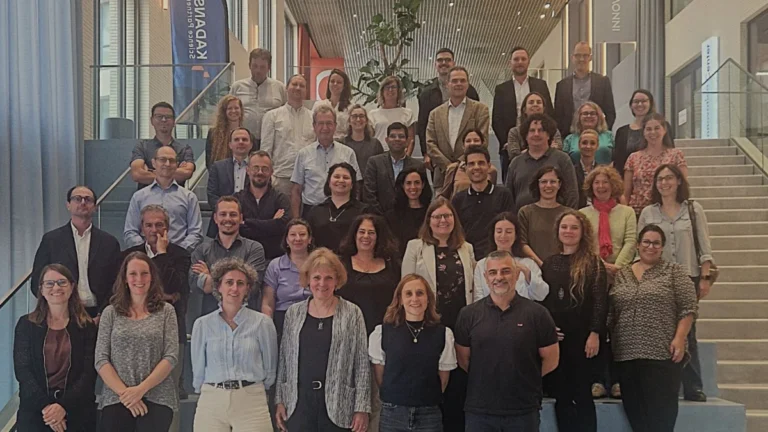











As we move through the second quarter of 2026, the global landscape of respiratory health is witnessing a remarkable surge in patient-led advocacy. From grassroots initiatives in South America to high-level clinical conferences in Europe, patient organisations are stepping into the spotlight, not merely as passive recipients of care, but as active drivers of policy, education, and research.
This month’s round-up highlights a shift toward integrated care, the importance of early diagnosis, and the power of shared lived experience in overcoming the systemic barriers that often delay treatment for chronic respiratory conditions.
I. Main Facts: The Global Push for Respiratory Awareness
The month of April 2026 has been defined by a concerted effort to bridge the gap between medical innovation and patient accessibility. Across several continents, organisations are launching campaigns that share a common theme: early identification is the cornerstone of effective management.
Key developments this month include:
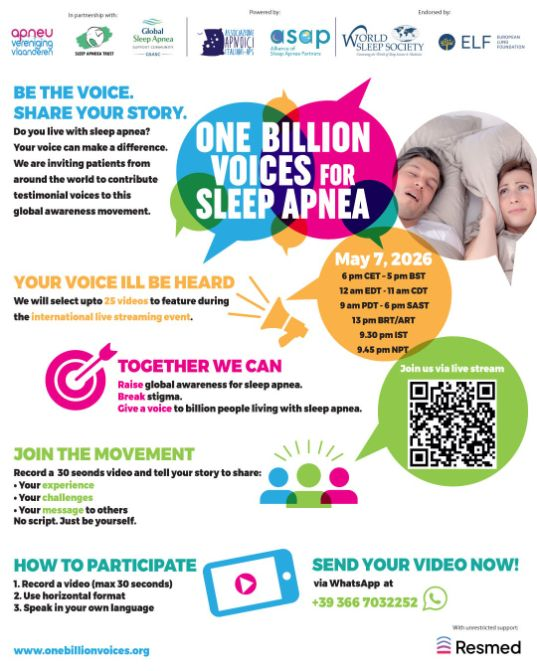
- Sleep Apnea Awareness: A major global mobilization effort, "One Billion Voices," is set to address the staggering number of undiagnosed cases of sleep apnea worldwide.
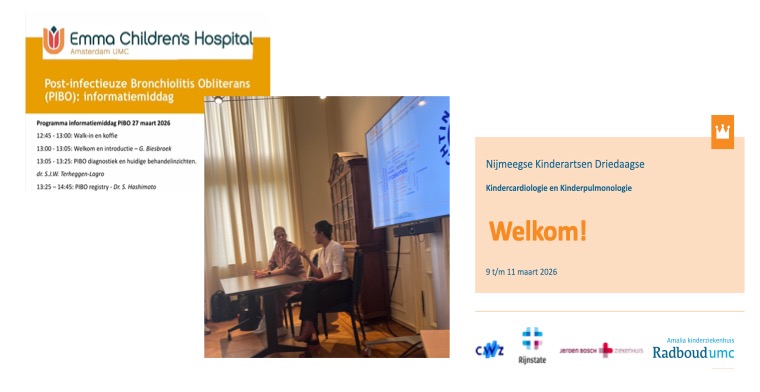
- Rare Disease Advocacy: Campaigns targeting Alpha-1 antitrypsin deficiency (AATD) and Post-Infectious Bronchiolitis Obliterans (PIBO) are providing new educational frameworks for clinicians and patients alike.
- Integrated Public Health: From Colombia’s asthma care restructuring to Finland’s "Health from Nature" programme, organizations are looking beyond the clinic to improve holistic patient wellbeing.
II. Chronology of Advocacy: April 2026
The following timeline tracks the progression of these critical initiatives as they unfolded throughout the month:
- Early April: The Polish Federation of Asthma, Allergies and COPD Patients’ Associations unveiled their landmark report, "My Life with COPD," at the Patients’ Organization Forum in Warsaw. This qualitative analysis serves as a blueprint for understanding the psychosocial burdens of COPD.
- Mid-April: The Alpha-1 Europe Alliance officially launched "The Missing Piece," a visual-led campaign designed to demystify AATD and improve diagnostic rates across the continent. Simultaneously, the Costa Rican Association for Pulmonary Hypertension and Respiratory Diseases announced a significant milestone: the certification of its leadership as Patient Navigators, ensuring higher quality support for local families.
- April 17–18: Amici Contro la Sarcoidosi Italia (ACSI) hosted the 5th National Conference on Sarcoidosis in Rome. The event was notable for its inclusion of a dedicated "Patient Day," fostering a direct dialogue between researchers and the community.
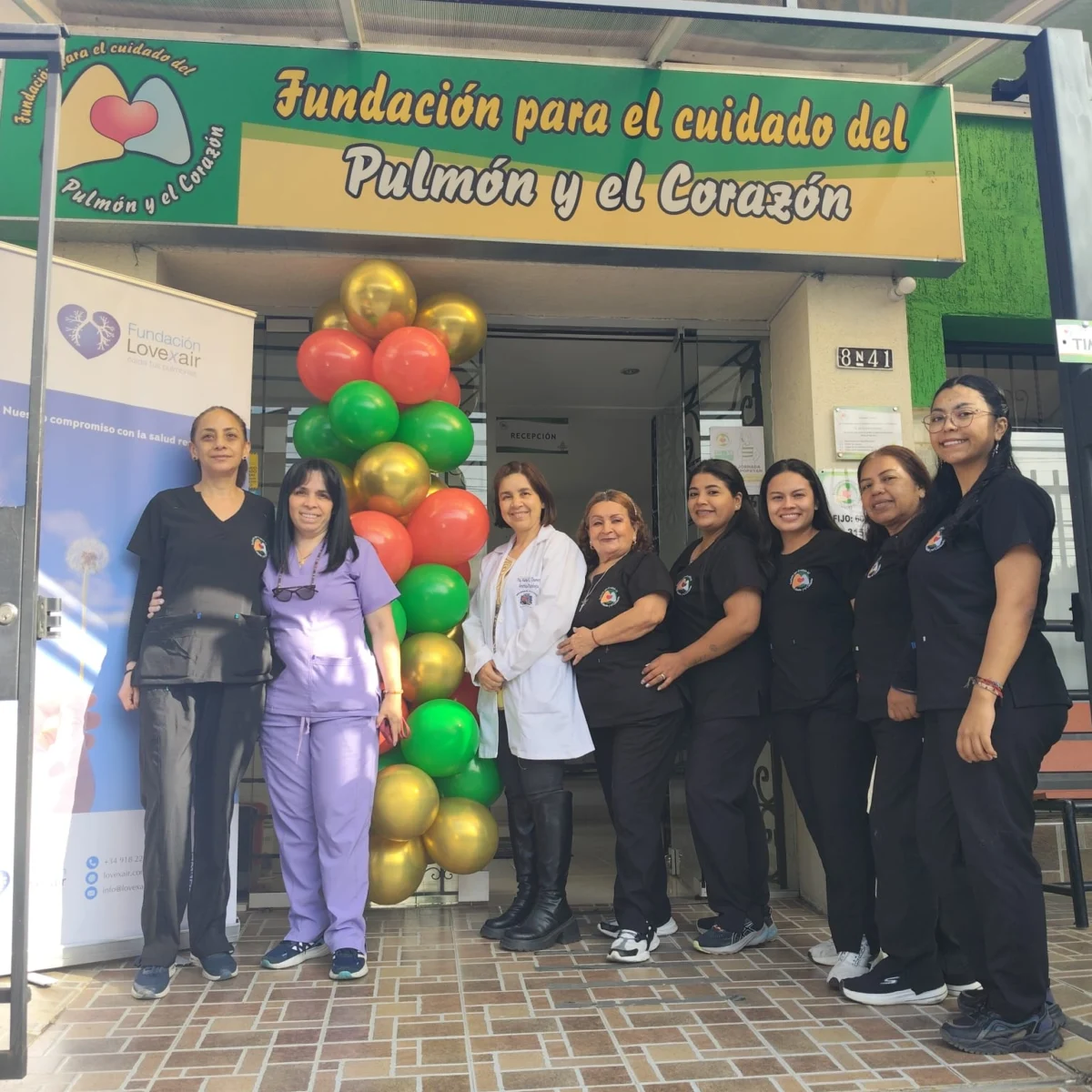
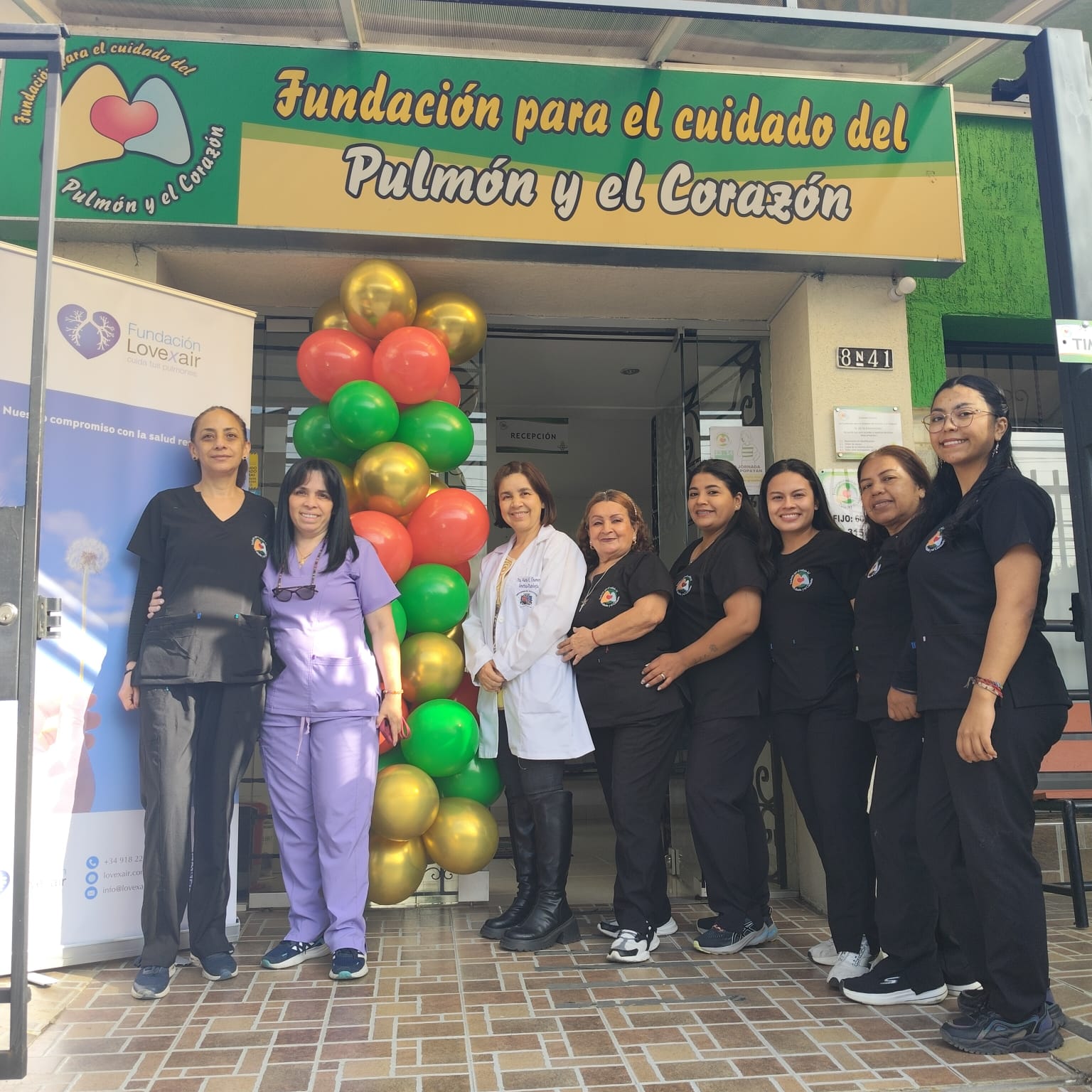
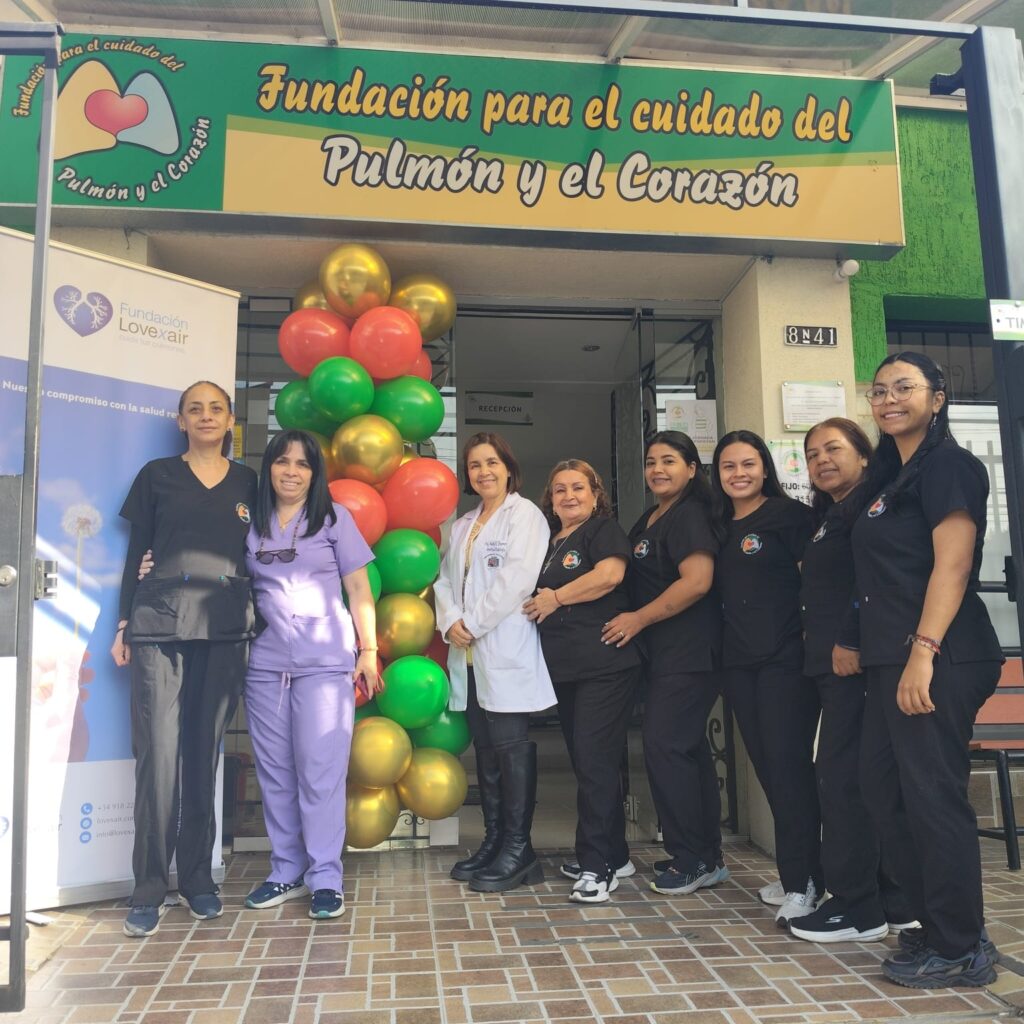
- Ongoing throughout April: Respiriamo Insieme began its Maternal RSV campaign, providing critical resources for expecting mothers, while Lovexair Foundation continued its transformative work in Colombian cities, screening hundreds of patients for previously undiagnosed airway issues.
- Looking Ahead to May 7: The Associazione Apnoici Italiani (AAI) and the Alliance of Sleep Apnea Partners (ASAP) are finalizing preparations for the "One Billion Voices" global live-stream event.
III. Supporting Data: The Cost of Silence
The urgency behind these initiatives is grounded in hard data. For many respiratory conditions, the "diagnostic delay"—the time between the first symptom and a formal medical diagnosis—remains the primary barrier to improved quality of life.
The Scope of the Challenge
- Sleep Apnea: The condition affects over one billion people globally. The "One Billion Voices" campaign is predicated on the fact that the majority of these individuals remain unaware of their condition, leading to severe downstream health issues such as cardiovascular disease and cognitive impairment.
- Asthma in Colombia: Data from the Lovexair Foundation’s recent outreach indicates that even in urban settings, there is a significant cohort of the population living with poorly controlled asthma and undiagnosed airway obstruction. Initial results from their program involving 200 participants revealed that traditional healthcare delivery is not currently meeting the needs of this demographic.
- PIBO and Rare Diseases: Programs in the Netherlands and Italy demonstrate that for rare conditions like PIBO and Sarcoidosis, the lack of professional awareness often leads to years of misdiagnosis. By standardizing educational sessions for medical specialists, these organizations are essentially recalibrating the diagnostic criteria used by front-line physicians.
IV. Official Responses and Institutional Synergy
The effectiveness of these campaigns is amplified by the growing collaboration between patient advocacy groups and established medical institutions.
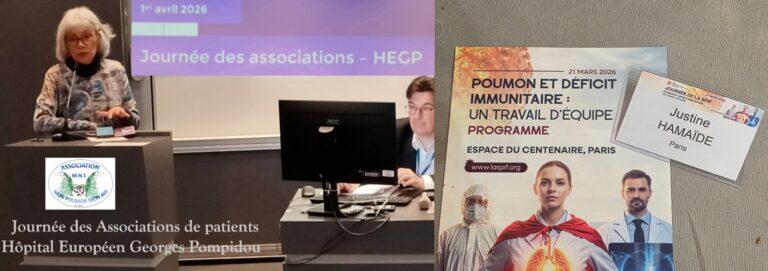
In France, the organization MNT Mon Poumon Mon Air has successfully integrated itself into the professional circuit of the Society of Pneumology of Île-de-France (SPIF). By presenting their work directly to respiratory specialists at the Hôpital Européen Georges Pompidou, they are ensuring that the patient perspective is not just heard, but utilized to inform clinical practice.

Similarly, in Finland, the Hengitysliitto organization is working alongside the health and social care sectors to implement the "Health from Nature" programme. By grounding this initiative in peer-reviewed research regarding the benefits of nature on respiratory health, they have successfully moved beyond "advocacy" and into the realm of "public health policy," where the intervention is now being treated as a legitimate, research-backed medical support strategy.
V. Implications: A New Era of Patient Empowerment
The collective efforts of these organizations point toward a fundamental shift in the healthcare paradigm. We are moving away from a top-down medical model toward a "Patient-Navigator" model.

The Rise of the Patient Navigator
The certification of leaders within the Costa Rican Association for Pulmonary Hypertension is a prime example of this evolution. By training patients to become "Navigators," organizations are creating a human bridge between complex healthcare bureaucracies and the people who need them most. These navigators provide the empathy and practical guidance that clinicians, often constrained by time, cannot always offer.
Reducing Stigma through Storytelling
The "One Billion Voices" campaign, which invites patients to share 30-second videos, is a strategic move to normalize the conversation around sleep apnea. By humanizing a condition that is often dismissed as "just snoring," these organizations are creating a culture where patients feel empowered to seek help rather than feeling ashamed of their symptoms.
Data-Driven Advocacy
The Polish report on COPD and the data generated by the Lovexair Foundation in Colombia represent a new standard for patient groups: they are no longer just asking for better care; they are providing the evidence to show where that care is failing. This transition from emotional plea to data-backed recommendation makes it significantly harder for policymakers to ignore the needs of the respiratory community.
Conclusion: Looking Toward the Future
As the global respiratory community prepares for the May 7th "One Billion Voices" event and continues to push for systemic changes, the message of April 2026 is clear: the patient voice is the most powerful tool in the fight for respiratory health.
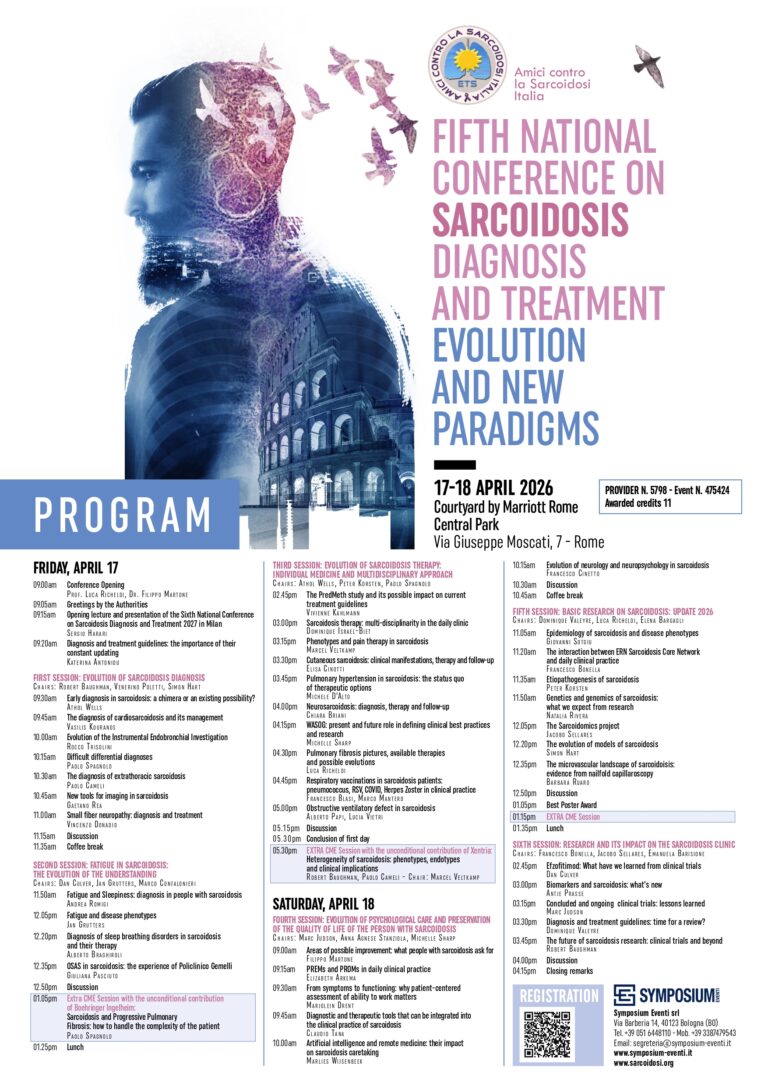
Whether it is through the clinical rigor of the ACSI conference in Rome, the environmental approach of the Finnish health initiatives, or the grassroots efforts in Colombia and France, the common thread is a refusal to accept the status quo. These organizations are proving that when patients are informed, empowered, and connected, they are not just victims of their conditions—they are the architects of a healthier future.
For those interested in contributing to these initiatives, the call to action is universal: Get involved, share your story, and demand a seat at the table. The transformation of respiratory care begins with the collective acknowledgment that every breath matters, and every patient deserves a voice.
For more information on these campaigns or to join the mailing list of the European Lung Foundation, please visit the official organization portals linked in each campaign section.