By [Your Name/Journalistic Staff]
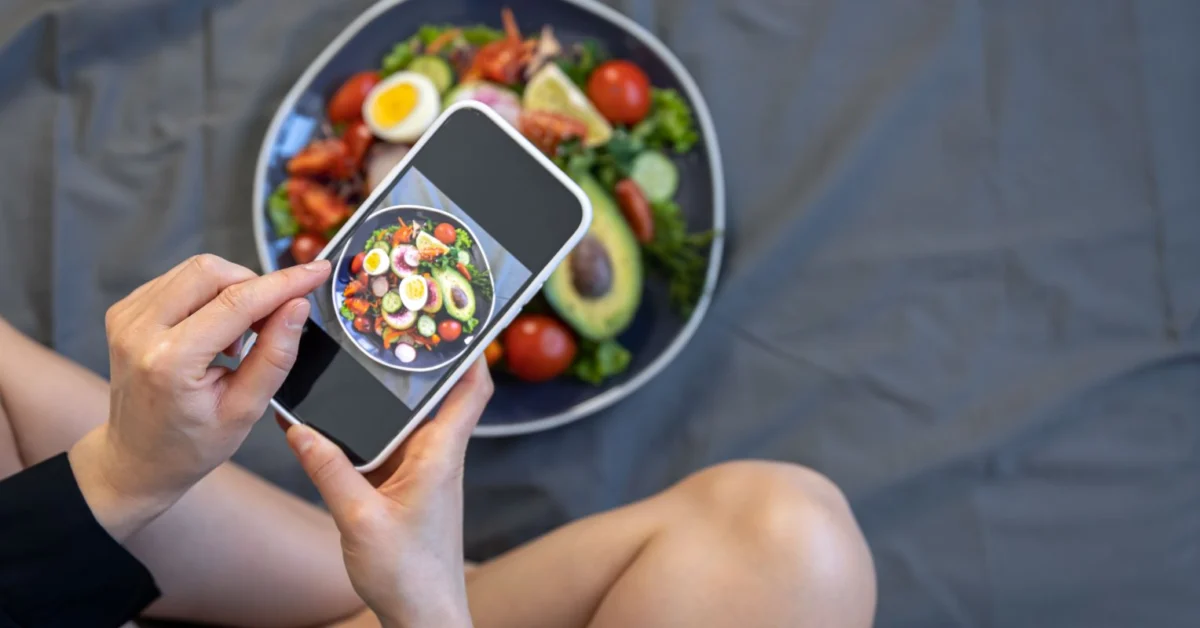
It is a familiar Sunday night ritual: the lights are dimmed, the world is quiet, and you are tucked into bed. As you reach for your smartphone to unwind, you are greeted not by relaxation, but by a carefully curated onslaught of digital perfection. Within seconds, an influencer appears on your screen, detailing a "what I eat in a day" post—a regimen devoid of carbohydrates, rich in restrictions, and presented as the gold standard for health.
Scroll further, and the tone shifts. One content creator attempts to "humanize" their weekend with self-deprecating humor about binge drinking, while another influencer, often a parent, romanticizes the need for "wine culture" to cope with the stresses of daily life. Interspersed between these snapshots are aggressive advertisements for fitness programs promising to "fix your life in three simple steps." By Monday morning, this digital noise has bled into your physical reality: a coworker mentions a new fad diet, a friend texts about "getting summer-ready," and high-profile celebrities continue to evangelize the latest restrictive nutritional trends.
This is the omnipresent landscape of modern wellness, a $160 billion industry projected to swell to $360 billion by 2034. While social media promises connection, it simultaneously serves as a conduit for an insidious phenomenon: diet culture.
The Architecture of Influence: How Diet Culture Monetizes Insecurity
Diet culture is not merely about food; it is a belief system that equates thinness with moral virtue and health with happiness. On platforms like Instagram and TikTok, this ideology is packaged as "self-care." Digital creators, influencers, and fitness gurus leverage their platforms to promote specific products, fasting protocols, and "hacks," often while demonizing entire food groups.
The psychological toll is profound. For the viewer, the implication is clear: if you simply mirror the habits of the influencer, you too can achieve their perceived state of bliss. However, this is a dangerous illusion. Beneath the filtered, aestheticized images often lie severe caloric restriction, compulsive exercise, chronic anxiety, and, in many cases, clinical depression.
Data from the REACH Institute (2025) highlights the severity of this exposure. Nearly 46% of teens aged 13–17 report a decline in self-esteem following social media use. Furthermore, those who spend more than three hours a day on these platforms are twice as likely to develop eating disorders (EDs) compared to their peers with lower screen time. When health is commodified, insecurities become the primary currency, and the wellness industry thrives by turning low self-esteem into a perpetual profit stream.
A Dangerous Intersection: Eating Disorders and Substance Misuse
While eating disorders and substance use disorders (SUDs) may manifest differently on the surface—one often characterized by restrictive control, the other by impulsive consumption—they share a common root. Both are, at their core, maladaptive coping mechanisms. They serve as attempts to manage overwhelming stress, trauma, emotional dysregulation, and the pressure to meet impossible societal standards.
The National Eating Disorders Association (NEDA, 2023) estimates that 50% of individuals struggling with eating disorders also grapple with the misuse of alcohol or drugs. This is not a coincidence; research indicates an interdependent relationship between the two. Each disorder can act as a catalyst for the other, creating a cycle of physiological and psychological degradation (Xi & Galaj, 2025).
Social media exacerbates this intersection by normalizing both extremes. Platforms often glamorize "clean eating" alongside the "work hard, play hard" mentality, which treats substance use as a socially acceptable way to blow off steam. When these two behaviors are normalized simultaneously, the threshold for recognizing a clinical problem is blurred. A user might transition from a restrictive diet to using stimulants as an appetite suppressant, or to using alcohol to numb the anxiety caused by their eating disorder, without ever realizing they have crossed into the territory of a dual diagnosis.
The Chronology of Decline: From Comparison to Comorbidity
To understand the trajectory of this crisis, one must look at how exposure becomes pathology:
- Passive Consumption: Initial exposure to idealized bodies and restrictive diet messaging creates a baseline of body dissatisfaction.
- Internalization: The viewer begins to compare their daily habits to the "perfect" lives of influencers, leading to the adoption of restrictive or compulsive behaviors.
- Isolation and Anxiety: As these behaviors take hold, social withdrawal often follows. The shame associated with failing to meet the "standard" leads to increased emotional distress.
- Self-Medication: To cope with the resulting anxiety, depression, or physical discomfort (hunger, fatigue), the individual turns to substances—alcohol to lower inhibitions, stimulants to boost energy, or other substances to manage the psychological pain.
- Clinical Crisis: The combination of an eating disorder and substance misuse creates a physiological state that is significantly more dangerous than either condition alone.
The Deadly Reality: Why Co-occurring Disorders Require Urgent Attention
The clinical stakes of these co-occurring disorders are grave. Anorexia nervosa already holds the highest mortality rate of any mental illness. When this is compounded by substance use, the risk of fatality skyrockets.
Research published by Mellentin et al. (2022) indicates that the presence of co-occurring alcohol or drug use nearly quadruples the mortality risk for patients with eating disorders. The biological strain on the heart, kidneys, and nervous system, combined with the psychological weight of suicidal ideation and depression, creates a medical emergency that is often overlooked in fragmented healthcare systems.
According to SAMHSA (2025), individuals with eating disorders show significantly higher rates of suicide attempts and comorbid psychiatric conditions. Despite these stark statistics, the medical community has historically treated EDs and SUDs as distinct entities.
Fragmented Care: A Failure of the System
One of the most pressing implications of this crisis is the current state of treatment. Many clinical programs are siloed; a patient might be treated for their eating disorder in one facility, only to be sent to a separate center for substance use recovery. This "whack-a-mole" approach to treatment—where one issue is addressed while the other remains in the shadows—often leaves the patient without a path to sustained, holistic health.
"Clinical care must evolve," notes the psychiatric community. "We need an integrative approach that recognizes the biological and social interplay between these conditions." Recovery cannot be successful if the treatment plan does not address the underlying cultural forces that birthed the struggle in the first place.
Moving Toward Solutions: Reclaiming Health from the Algorithm
Combating the rise of diet culture and its associated mental health consequences requires a multi-pronged effort:
- Media Literacy: Educational initiatives must teach young people to deconstruct the "wellness" content they consume. Understanding that influencers are often paid to sell a product—and that their lives are not representative of reality—is a crucial first step in building psychological immunity.
- Integrated Treatment Models: Healthcare providers must shift toward dual-diagnosis models. Treating the eating disorder and the substance use simultaneously is the only way to ensure safety and long-term recovery.
- Policy and Accountability: Tech companies bear a significant responsibility for the algorithms that push harmful, pro-anorexia, or disordered eating content to vulnerable users. Increased regulation of how wellness products are marketed is essential.
- Cultural Shifts: We must move away from a culture that views the body as a project to be "fixed" and toward one that emphasizes functional health and psychological well-being.
The digital mirage of the perfect, healthy, and happy life is a powerful lure, but it is ultimately a trap. By acknowledging the link between the screens we look at and the health outcomes we experience, we can begin to disentangle our self-worth from the influence of the algorithm. Recovery is not found in a "3-step plan" or a restrictive diet; it is found in the slow, intentional work of healing the mind and body from the pressures of a world that profits from our insecurity.
References
- Dane, A., & Bhatia, K. (2023). The social media diet: A scoping review to investigate the association between social media, body image and eating disorders amongst young people. PLOS Global Public Health.
- Finklea, K. (2025). The wrong influence: The link between diet culture and eating disorder. HopeHealth.
- Mellentin, A. I., et al. (2022). The impact of alcohol and other substance use disorders on mortality in patients with eating disorders. The American Journal of Psychiatry.
- National Eating Disorders Association (2023). Statistics & research on eating disorders.
- Pierce, S., Joy, J. M., & David, W. (2025). Abstinence-based treatment of comorbid eating disorders and ultra-processed food addiction. Frontiers in Psychiatry.
- The REACH Institute (2025). Mind over minutes: How youths’ screen habits are impacting their mental health.
- Xi, Z.-X., & Galaj, E. (2025). Novel potential pharmacological approaches in treating eating disorders comorbid with substance use disorders. Biomedicine & Pharmacotherapy.