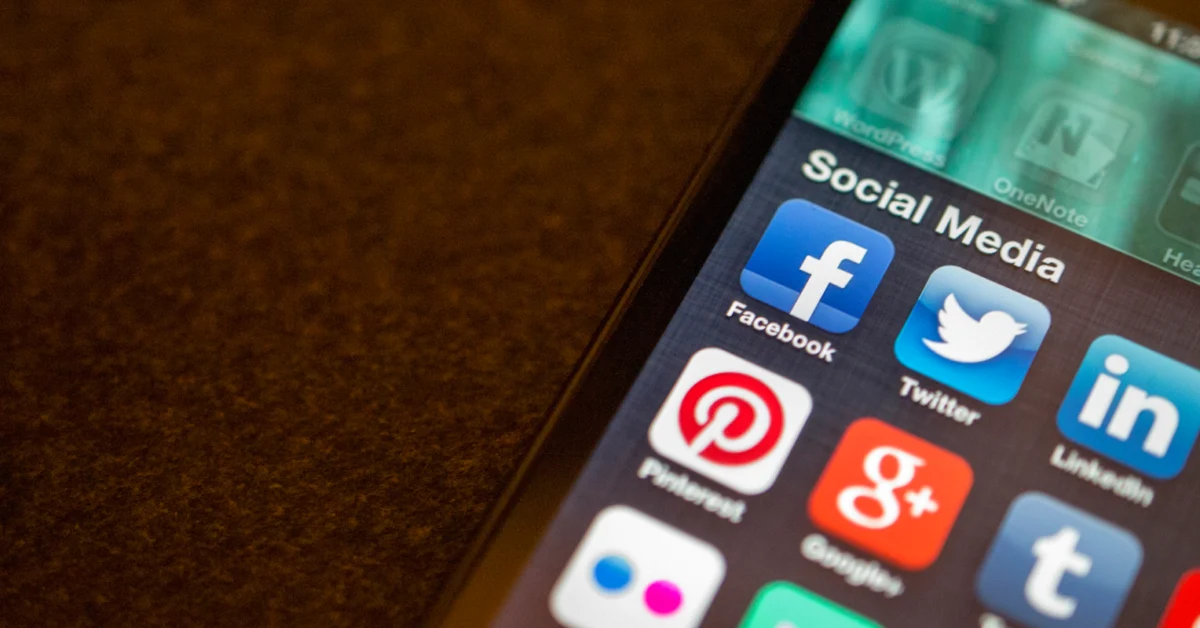
In the span of two decades, social media has evolved from a niche digital experiment into the central nervous system of modern society. It is the town square, the shopping mall, the office water cooler, and the personal scrapbook all rolled into one. For most of us, it is the first thing we check upon waking and the last thing we see before closing our eyes. Yet, as our lives become increasingly intertwined with these platforms, a growing body of evidence suggests that this hyper-connectivity comes at a significant cost. We are caught in a digital paradox: the very tools designed to bring us together are frequently driving us further apart, fueling anxiety, eroding self-esteem, and reshaping the way we perceive reality.
Main Facts: The Digital Double-Edged Sword
At its core, social media is a double-edged sword. Its primary utility lies in its ability to collapse distance. It allows users to maintain relationships across continents, mobilize for social causes, and discover niche communities that would be impossible to find in a purely physical geography. For those who feel marginalized—whether by geography, identity, or interest—social media offers a lifeline of belonging.
However, the "cost" of this access is the commodification of our attention. Platforms are engineered to maximize engagement, utilizing sophisticated algorithms that prioritize high-arousal content—often triggering outrage or envy—to keep users scrolling. This structural design, while excellent for corporate revenue, creates a psychological environment that can be toxic. The tension between the benefits of connectivity and the hazards of constant comparison defines the current mental health crisis among digital natives.
Chronology: The Evolution of Digital Discontent
The history of social media’s impact on mental health is a relatively short but volatile trajectory:
- The Early 2000s (The Era of Connection): Platforms like MySpace and the infancy of Facebook were defined by the novelty of being able to track down old classmates and share simple life updates. The focus was on "friending" and building a digital network.
- The Early 2010s (The Shift to Curation): With the rise of Instagram and the smartphone camera revolution, the focus shifted from communication to curation. The "influencer" culture began to take root, and the pressure to project an idealized version of one’s life became the new social currency.
- 2016–2019 (The Algorithmic Wake-up Call): Researchers and sociologists began sounding the alarm regarding "echo chambers." The 2016 election cycle in the United States served as a catalyst, highlighting how algorithms, by feeding users only information that reinforced their existing biases, were deepening political polarization and radicalization.
- 2020–2021 (The Pandemic Paradox): COVID-19 forced the world into isolation, making social media the only bridge to humanity. While this saved many from total loneliness, it also accelerated the "doomscrolling" phenomenon, where users were trapped in a cycle of consuming negative news, leading to unprecedented levels of collective anxiety.
- 2022–Present (The Regulatory Era): We are currently in a phase of reckoning. Legislators, parents, and mental health professionals are demanding transparency from Big Tech regarding the impact of their products on adolescent brain development, leading to the first real wave of policy debates on digital safety.
Supporting Data: What the Studies Say
The empirical data regarding the impact of social media is sobering. A landmark survey conducted by the Royal Society for Public Health (RSPH) remains one of the most cited studies in this field. It found that nearly 70 percent of teenagers reported receiving emotional support from peers on social media during difficult times, suggesting that these platforms do indeed provide a crucial safety net.
However, the same survey painted a darker picture. It noted that 70 percent of respondents had encountered cyberbullying, with over one-third experiencing it on a frequent, sustained basis. The psychological fallout of this, according to longitudinal research, is significant, with links to increased rates of depression, symptoms of post-traumatic stress disorder (PTSD), and, in severe cases, self-harm.
Furthermore, internal reports from major tech firms have corroborated these findings. A leaked document from Facebook, for instance, famously revealed that 32 percent of teen girls who experienced body image issues reported that Instagram exacerbated those feelings. The combination of "perfect" filtered photos and the "fear of missing out" (FOMO) creates a cycle of inadequacy that is difficult for young, developing brains to cognitively process.
On the positive side, data also shows that social media can be a powerful tool for public health advocacy. The National Academies of Sciences, Engineering, and Medicine highlighted the success of Scotland’s "See Me" campaign. By using social media to disseminate evidence-based messaging, the campaign reduced the public perception that individuals with mental illness are dangerous by 17 percent over two years. This proves that while the medium can be harmful, it is also a uniquely powerful delivery system for public good.
Official Responses and Corporate Responsibility
The response from technology companies has historically been reactive. For years, platforms maintained that they were merely "neutral hosts" of content. However, as public outcry has intensified, this stance has become untenable.
Official responses from these companies generally follow a standard playbook: they introduce "well-being" tools, such as screen time trackers, hiding "like" counts, or offering resources for users who search for terms related to self-harm. While these are steps in the right direction, critics—including former employees turned whistleblowers—argue that these are merely performative. The underlying business model remains rooted in keeping users on the platform for as long as possible, which inherently conflicts with the goal of "healthy usage."
Government bodies worldwide are now stepping in. In the European Union, the Digital Services Act (DSA) represents a monumental attempt to force platforms to mitigate "systemic risks," including the impact on mental health and the radicalization of users. In the U.S., various bipartisan efforts are underway to hold platforms accountable for the content fed to minors, signaling that the era of "move fast and break things" is drawing to a close.
Implications: The Path Forward
So, does this mean we must delete our accounts and retreat to a pre-digital existence? For most, that is not a practical or desirable solution. The implications of our findings suggest a more nuanced approach: intentionality.
The key to navigating the digital age lies in treating social media as a utility rather than a lifestyle. Much like a diet, our digital intake requires regulation. If a specific platform consistently leaves you feeling diminished, anxious, or isolated, it is not a failure of character to step away; it is a rational response to a harmful stimulus.
Individuals should practice "digital hygiene." This includes:
- Curating Feeds: Unfollow accounts that trigger feelings of inadequacy or anger.
- Setting Boundaries: Implement strict "no-screen" times, particularly before sleep.
- Seeking Real-World Connection: Prioritize face-to-face interactions, which provide the emotional cues and chemical rewards (like oxytocin release) that digital communication simply cannot replicate.
We must also recognize that social media is not a monolith. The impact of a platform depends heavily on how it is used. Active engagement—commenting, messaging friends, and participating in constructive discussions—is generally associated with better mental health outcomes than passive "lurking," which often leads to unhealthy social comparison.
In conclusion, while we cannot control the algorithmic architecture of the apps we use, we have total sovereignty over how we interact with them. Social media is a tool, and like any tool, it can build or it can destroy. By acknowledging its potential for harm and actively curating our digital lives, we can harness its power for connection while protecting our peace of mind. We are the architects of our own digital experiences; it is time we started acting like it.