












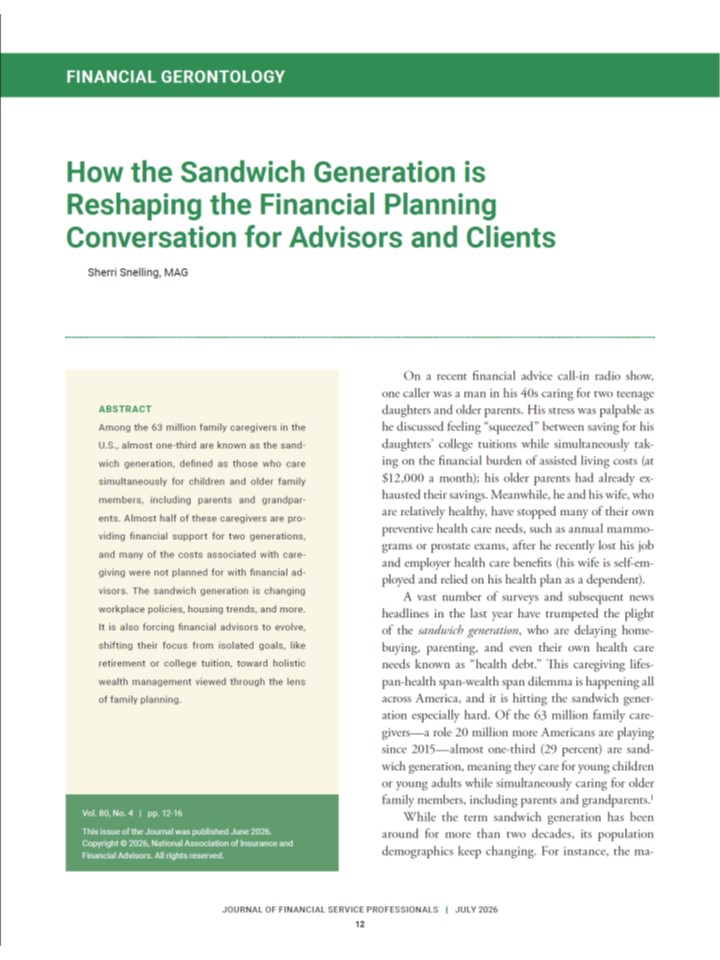
In an era where longevity is increasing but the economic infrastructure for care remains fragmented, a new demographic phenomenon has emerged with profound financial consequences: "Generation Caregiver," or Gen C. For those caught in the "sandwich generation"—individuals simultaneously managing the upbringing of children and the intensive care needs of aging parents—financial resiliency is no longer just a goal; it is a daily survival mechanism.
In her seminal book, Me Time Monday, corporate gerontologist Sherri Snelling identifies seven core wellness elements necessary for a balanced life. Among these, financial wellness stands as a critical pillar. As caregivers face mounting out-of-pocket costs and the long-term depletion of their own retirement savings, the need for specialized guidance has never been more urgent.
The Financial Reality of the Sandwich Generation
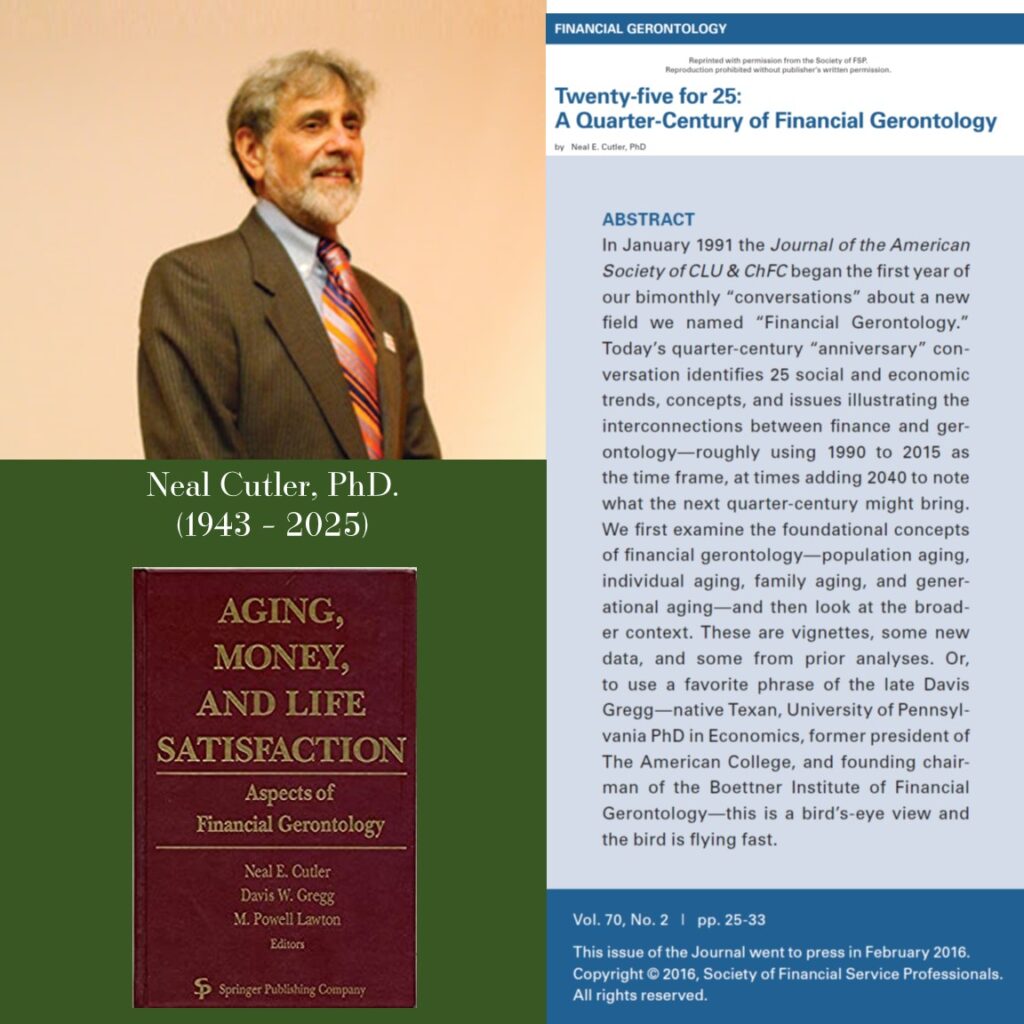
The sandwich generation is currently facing a "perfect storm" of economic pressures. As life expectancy increases, the period of caregiving often extends, placing a multi-decade strain on the family unit. Unlike previous generations, today’s caregivers are often navigating this terrain while also grappling with the rising costs of higher education for their children and the volatility of the modern labor market.
The Math of Caregiving
Data suggests that the financial burden on the sandwich generation is severely underestimated. According to studies by AARP and other aging-focused organizations, the "hidden" costs of caregiving—including reduced work hours, missed promotions, and direct out-of-pocket expenses for medical supplies and home modifications—can amount to tens of thousands of dollars annually. For many, this represents a direct transfer of wealth from their own future retirement funds to the immediate, non-negotiable needs of their loved ones.

The Evolution of Financial Gerontology
To address this complexity, the discipline of "Financial Gerontology" has transitioned from a niche academic interest to a professional necessity. Defined as a multidisciplinary field that integrates research on lifespan aging and human development with the concerns of finance and business, financial gerontology provides a framework for understanding how aging affects the "wealthspan" of a family.
A Legacy of Mentorship: The Work of Neal Cutler
The development of this field owes a significant debt to the late Dr. Neal Cutler, a renowned gerontologist and professor. As an undergraduate at USC, Sherri Snelling first encountered Dr. Cutler’s work in political science and journalism. Their professional paths would later intersect at the Motion Picture & Television Fund, eventually leading to a collaborative effort in the Journal of Financial Service Professionals.
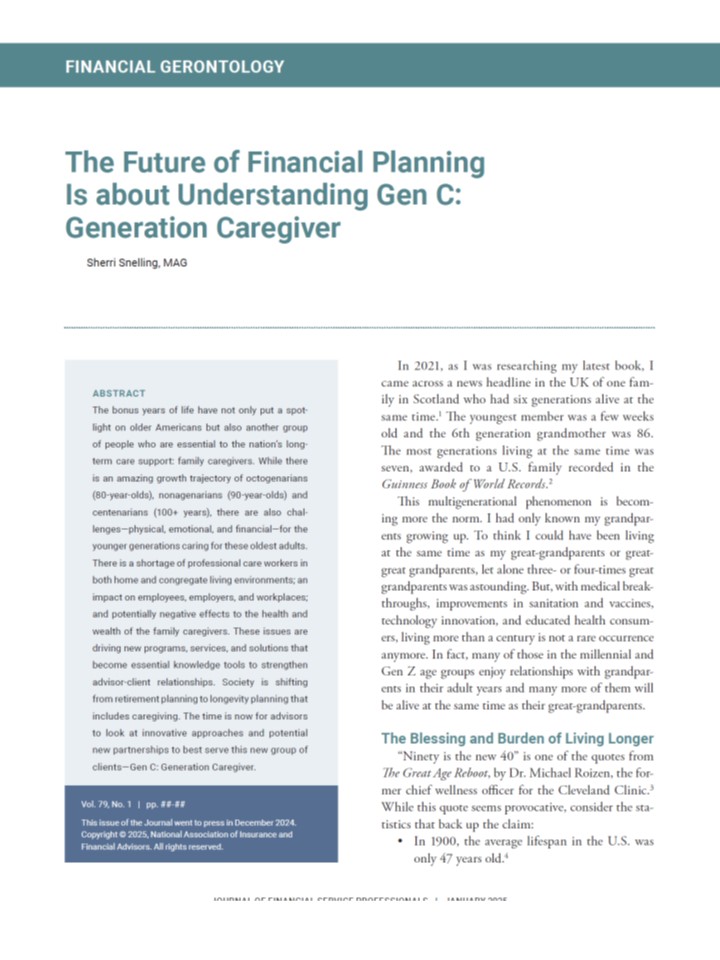
Working alongside Dr. Cutler and John Migliaccio, Snelling began documenting the intersection of aging and fiscal planning. Their work aimed to bridge the gap between abstract academic theory and practical financial advice. Following Dr. Cutler’s passing in 2025, his influence remains a foundational element of Snelling’s ongoing columns, which continue to explore topics ranging from the impact of Alzheimer’s on family finances to the shifting landscape of home ownership in an aging society.
Understanding the Four Lenses of Financial Gerontology
Financial gerontologists utilize a specific diagnostic lens to evaluate a client’s financial health. This approach, grounded in the BioPsychoSocial model, examines aging through four distinct, yet interconnected, pillars:
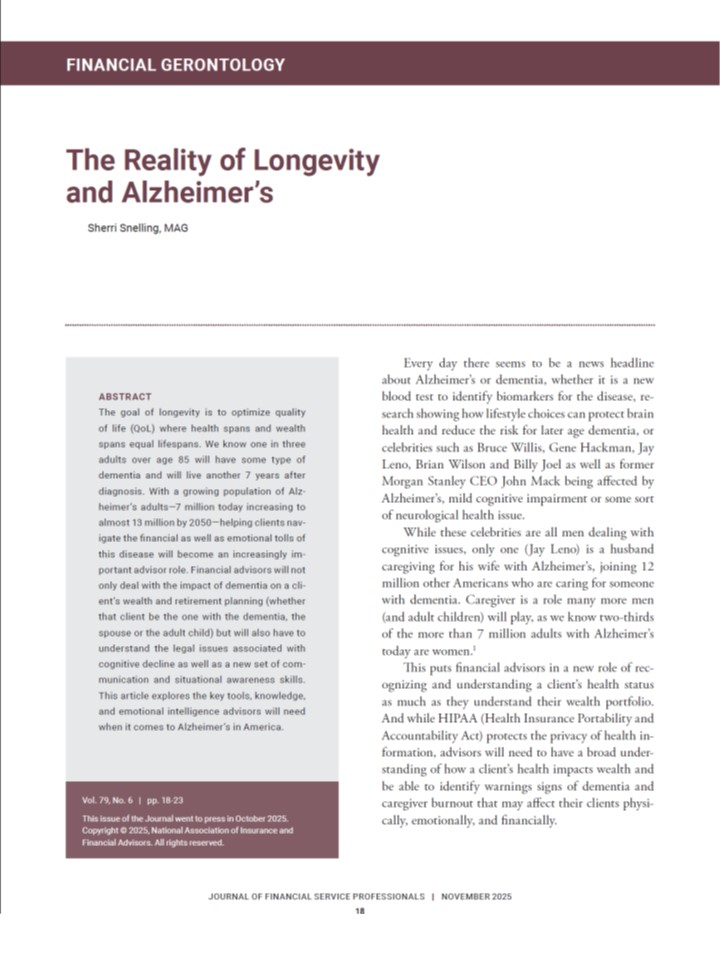
- Population Aging: How broader shifts in demographics affect national economic systems, social security, and healthcare funding.
- Individual Aging: The personal biological and psychological changes that necessitate changes in financial strategy over a lifespan.
- Family Aging: The evolving dynamics of multi-generational households, where caregiving responsibilities shift as parents age and children grow.
- Generational Aging: How societal expectations and economic realities shift from one generation to the next, impacting inheritance and support systems.
By applying these lenses, professionals can look beyond basic investment returns to consider "healthspan" and "wealthspan" in tandem, ensuring that a client’s financial plan survives the physical realities of aging.
The Call for Specialized Financial Advice
One of the most dangerous myths in modern retirement planning is that a standard financial advisor is equipped to handle the complexities of long-term care. A generalist may focus on asset allocation, but a financial gerontologist is trained to account for the "caregiving shock"—the moment an aging parent requires assisted living or memory care, which can instantly derail a retirement plan.
Why Consumers Need Expert Guidance
The current system for long-term care is, by design, fragmented. Families often face a labyrinth of Medicaid waivers, private insurance policies, and fluctuating facility costs. A credentialed financial gerontologist acts as a navigator, helping families make decisions that avoid the common traps leading to financial insolvency.
When seeking an advisor, consumers should look for:

- Professional Certification: Training from recognized institutions, such as the USC Leonard Davis School of Gerontology.
- Longevity-First Focus: An advisor who explicitly includes health-related contingencies in long-term financial modeling.
- Systems Literacy: An advisor who understands the intersection of legal, medical, and financial planning for the elderly.
Implications for the Future: A Proactive Approach
The financial implications for the sandwich generation are clear: inaction is the most expensive path. Planning for the care of an older loved one must begin years before the first medical crisis occurs.
"Preparing and planning for care of older loved ones will keep most sandwich generation caregivers out of poverty," says Sherri Snelling. "It’s never too early or too late to start those long-term-care plans."
The "Joyconomy" and Mental Resilience
While financial planning is the engine of security, Snelling also emphasizes the concept of the "Joyconomy." This approach encourages caregivers to find small, intentional moments of self-care—even if limited to seven-minute intervals—to maintain the mental clarity required to make high-stakes financial decisions. This holistic view acknowledges that financial resilience is supported by emotional endurance.
Supporting Resources and Education
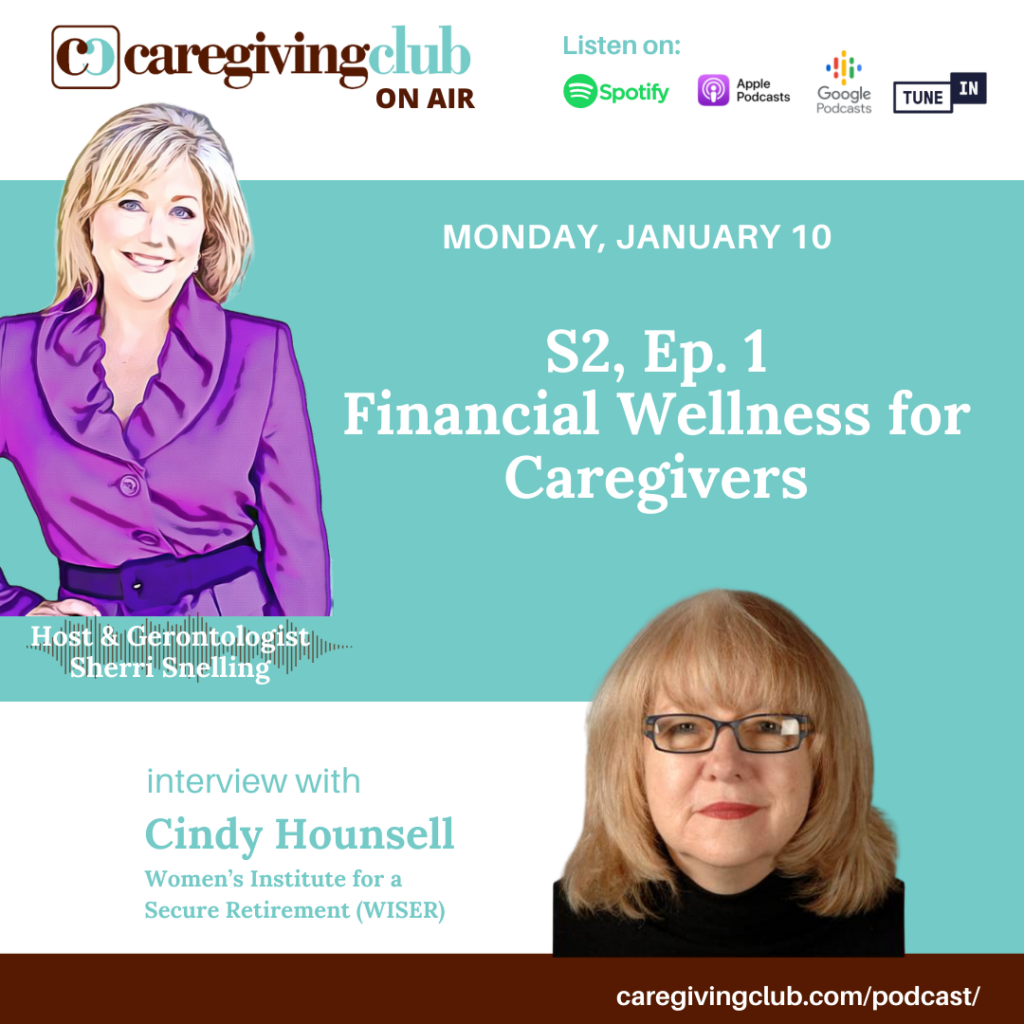
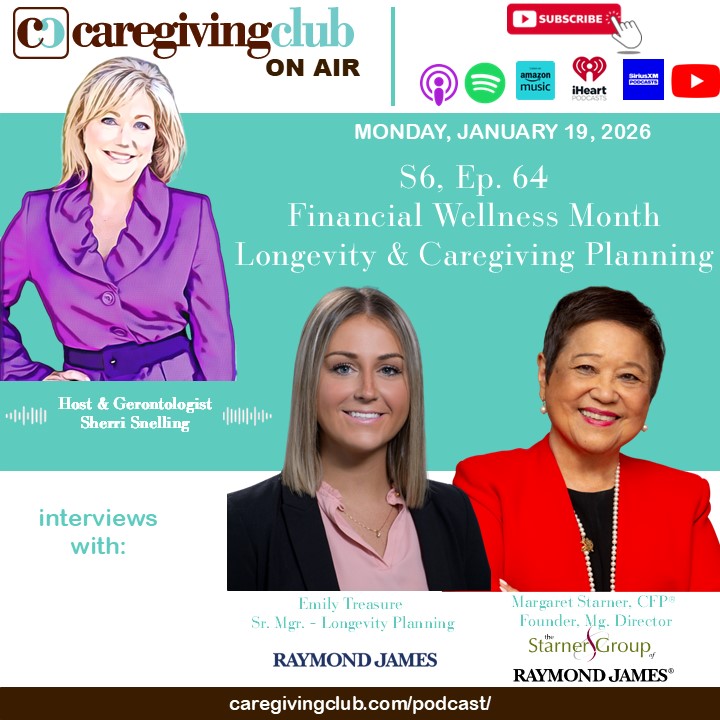
For those looking to expand their knowledge, the landscape of resources has grown significantly. From the white papers authored by Snelling for the Wells Fargo First Clearing Financial Advisor Group to ongoing podcast series like Caregiving Club On Air, the tools for self-education are more accessible than ever.

Key educational avenues include:
- Webinars and Podcasts: Engaging with experts who discuss the specific challenges of Alzheimer’s and dementia care financing.
- Industry Research: Reviewing reports from the Stanford Center on Longevity to understand how longevity trends dictate long-term saving requirements.
- Professional Development: For those in the financial sector, seeking certificate programs to gain a deeper understanding of the aging client demographic.
Conclusion: The Path Forward
The "Sandwich Generation" is not merely a demographic label; it is a cohort of individuals holding up the pillars of their families under immense pressure. By shifting our perspective toward financial gerontology, we can move from a state of crisis management to one of strategic, resilient planning.

The goal is to ensure that while we provide the necessary care for our aging parents, we do not sacrifice our own future stability. Through education, professional partnership, and a commitment to longevity-aware planning, Generation Caregiver can successfully navigate the financial tightrope, ensuring that the legacy they leave is one of health, wealth, and security rather than debt and uncertainty.
Frequently Asked Questions
Q: Is financial gerontology a formal degree?
A: It is currently an emerging field. While there is no standard national undergraduate degree, many prestigious universities, such as USC, offer specialized certification programs. It is becoming a vital secondary credential for financial advisors, estate attorneys, and human resource professionals.
Q: How does this differ from traditional financial planning?
A: Traditional planning focuses on the accumulation and preservation of assets. Financial gerontology adds a layer of "human development" and "aging biology," ensuring that financial plans are adjusted for the realities of chronic illness, cognitive decline, and the shifting needs of a multi-generational household.
Q: How can I find a qualified expert?
A: Start by looking for financial planners who hold specific gerontology certifications or who demonstrate a clear commitment to longevity planning. When interviewing an advisor, ask specifically about their experience with long-term care funding and how they incorporate family caregiving costs into their financial models.