










By Investigative Desk
The landscape of social media regulation is set to face its most significant test to date. On September 25, 2026, a U.S. court will convene for the first-ever jury trial addressing allegations that TikTok—the global short-form video juggernaut owned by Beijing-based ByteDance—has actively engineered its platform to fuel a mental health crisis among American teenagers.
This litigation marks a watershed moment in the intersection of Big Tech, constitutional law, and adolescent psychology. As the courtroom doors open, they bring with them a decade of mounting anxiety, legislative scrutiny, and a fierce debate over whether a digital product can be held liable for the psychological well-being of its youngest users.
Main Facts: The Core of the Dispute
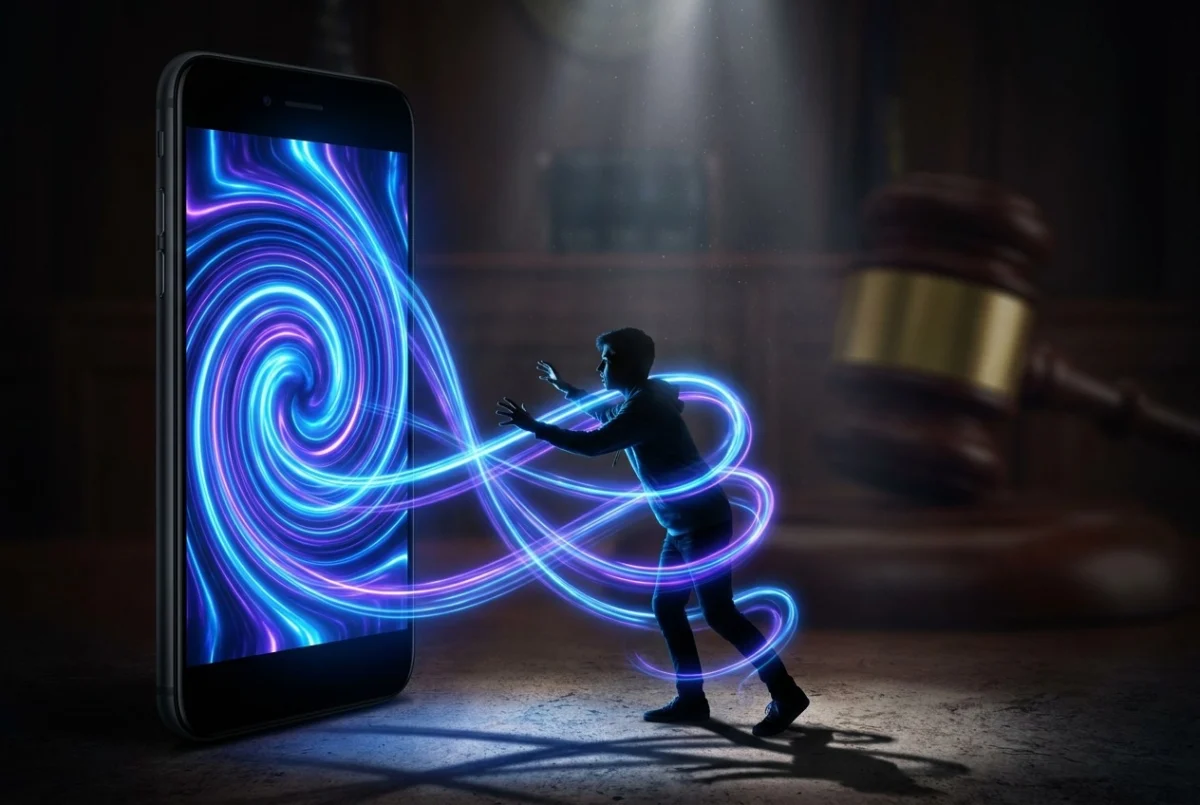
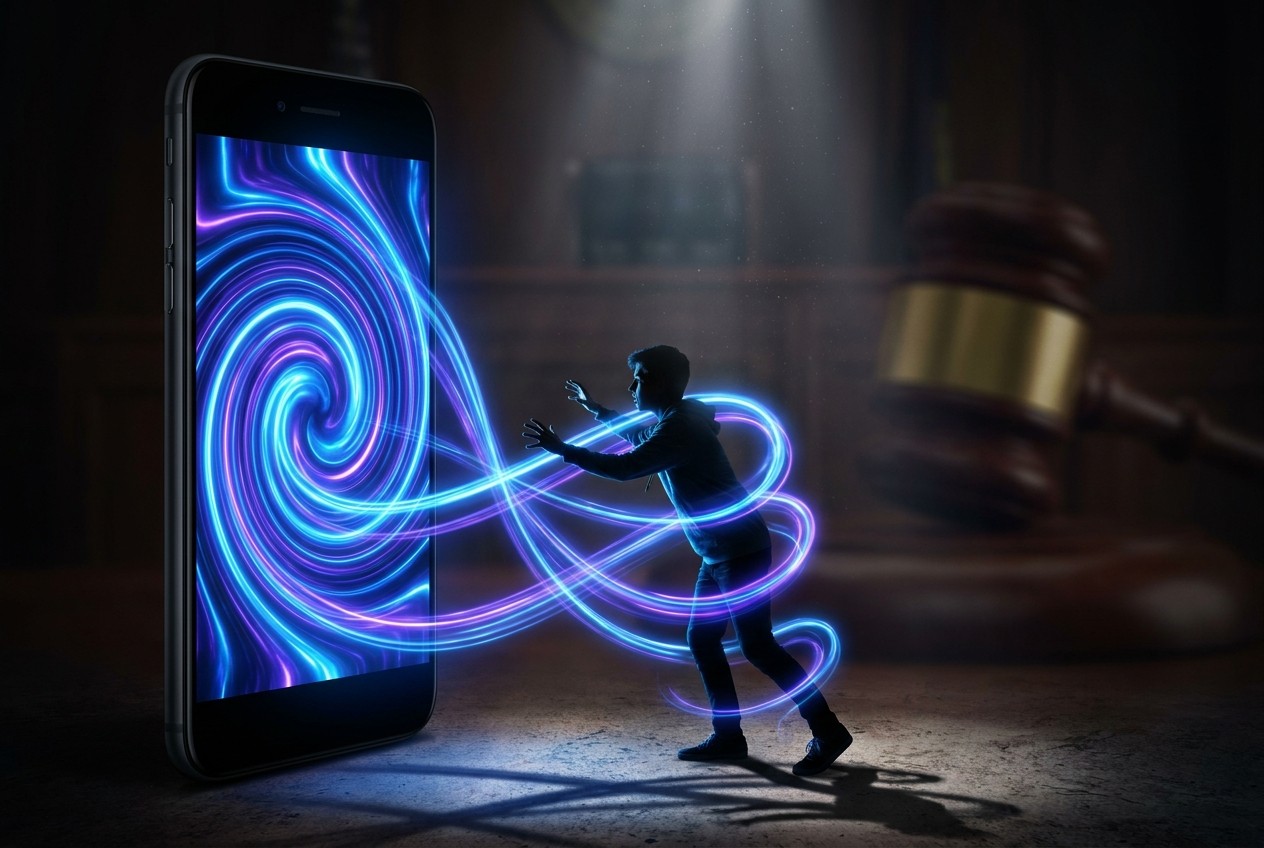
The upcoming trial centers on a consolidated group of lawsuits brought by teenagers and their families. The plaintiffs contend that TikTok’s foundational design choices—specifically the "For You" feed, the infinite scroll mechanism, and hyper-personalized recommendation algorithms—were intentionally crafted to maximize "time-on-device" at the expense of developmental health.
According to court filings, the plaintiffs allege that these features create a "compulsion loop," leading to severe outcomes including chronic sleep deprivation, clinical depression, anxiety, and body dysmorphia. The legal team representing the families argues that the company was not merely an indifferent host of content, but an active participant in steering young users toward psychologically damaging material.
The trial is slated to span several weeks, with both sides expected to present a dense array of technical evidence, internal corporate communications, and expert testimony from developmental psychologists and data scientists.
Chronology: A Decade of Rising Tension
The road to this trial was paved with years of escalating regulatory and social friction.
- 2020–2022: As TikTok’s user base exploded during the global pandemic, pediatricians and child advocacy groups began raising alarms regarding the platform’s impact on teen attention spans and self-esteem.
- 2023: A wave of litigation began to form, mirroring previous legal challenges against Meta (Facebook/Instagram) and YouTube. Attorneys began consolidating individual claims into massive multi-district litigation.
- 2024: Several state attorneys general began investigating TikTok’s business practices, focusing on the "addictive nature" of the algorithm.
- 2025: Alabama reached a landmark $100 million settlement with TikTok, which included mandates for new safety protocols. While this prevented a trial in that state, it solidified the legal strategy for plaintiffs nationwide.
- September 2026: The current trial begins, representing the first time a major social media entity will have to defend its design choices before a jury in a non-settled U.S. court case.
Supporting Data and Evidence: The "Compulsion Loop"
Central to the plaintiffs’ case is the assertion that TikTok possesses internal documents confirming the company’s awareness of the risks its platform poses to minors. Attorneys for the families plan to present internal communications that they argue prove the company prioritized engagement metrics over safety.
The Science of Engagement
Expert witnesses are expected to testify on the neuroscience of the "infinite scroll." By eliminating natural stopping points in the content feed, the platform prevents the "dopamine reset" that typically occurs when a user reaches the end of a book or a television episode. This creates a state of perpetual consumption, which plaintiffs argue is particularly harmful to the developing prefrontal cortex of teenagers.
The Correlation Argument
Data provided by plaintiffs’ researchers suggests a strong correlation between heavy social media consumption and declining mental health outcomes. While correlation does not always imply causation, the legal team intends to use this data to argue that the platform’s design makes "healthy use" mathematically unlikely for the average teen.
The case also highlights tragic individual narratives, including families who claim their children’s struggles with mental health were exacerbated—or in some cases triggered—by content served to them by the algorithm, such as videos promoting disordered eating or self-harm.
Official Responses: A Clash of Philosophies
The defense offered by TikTok and ByteDance is multifaceted, resting on both technical safety measures and foundational American legal principles.
TikTok’s Stance
A spokesperson for TikTok has maintained a consistent position: "We care deeply about our community and are committed to providing a safe experience for teens." The company points to several initiatives they have implemented, including:
- Default Screen-Time Limits: Mandatory 60-minute caps for users under 18, unless they manually extend them.
- Parental Controls: Robust "Family Pairing" features that allow guardians to monitor and restrict content.
- Expert Partnerships: Ongoing collaborations with child safety experts to refine algorithmic moderation.
The Constitutional Defense
Perhaps the most significant aspect of the defense is the invocation of the First Amendment and Section 230 of the Communications Decency Act. TikTok’s legal team argues that:
- Algorithmic Speech: The "For You" feed is a form of editorial judgment—a protected expression of speech under the First Amendment. They argue that if the court forces the company to alter its algorithm, it is effectively forcing the company to censor its own digital "publication."
- Section 230 Immunity: TikTok contends that they are a platform hosting third-party content, not the creator of that content, and therefore should be shielded from liability for what users choose to upload or view.
Implications: A New Precedent for the Digital Age
The outcome of this trial will send shockwaves through the technology sector, regardless of the verdict.
If the Plaintiffs Win:
A victory for the families could trigger a tidal wave of litigation against all major social media platforms. It would effectively signal that "addictive by design" is a viable legal theory for tort liability. Tech companies might be forced to fundamentally overhaul their business models, shifting from engagement-based revenue to more conservative, regulated models. It would likely catalyze federal legislation aimed at curbing algorithmic influence over minors.
If TikTok Wins:
A win for the defense would likely solidify the current legal status quo, where platforms are largely protected from the consequences of their design choices under existing federal law. It would likely encourage tech giants to continue their current trajectory, potentially slowing the momentum of regulatory reform. However, it would also likely lead to an even more intense push from Congress to bypass the courts and pass strict, prescriptive legislation (such as a "Digital Safety Act") to force change from the top down.
The Regulatory Landscape
Legal experts note that this trial is occurring in a climate of deep skepticism toward Big Tech. Even if TikTok wins the legal argument, the "court of public opinion" has already pushed the company to make concessions. The trial will force the company to reveal trade secrets regarding how its algorithm functions—information that has long been guarded behind a veil of corporate secrecy.
Conclusion: The Road Ahead
As the September 2026 trial date approaches, the eyes of the world are fixed on the courtroom. The debate is no longer just about whether teenagers spend too much time on their phones; it is about who bears the responsibility when the digital tools we build start to impact the psychological fabric of a generation.
For the plaintiffs, this is a quest for accountability and justice for the harm they believe has been inflicted on their children. For TikTok and ByteDance, this is a battle for the survival of their current business model and the defense of their right to innovate within the digital space.
While no verdict timeline has been announced, the proceedings will undoubtedly serve as a landmark study in the risks of the digital age. Regardless of the jury’s decision, the trial has already achieved one result: it has moved the discussion from corporate boardrooms and legislative hearings into the public record, ensuring that the impact of social media on teen mental health remains at the forefront of the global conversation.
Summary of Legal Positions
| Party | Core Argument | Key Legal Shield |
|---|---|---|
| Plaintiffs | TikTok knowingly engineered addiction. | Negligence and failure to warn. |
| TikTok | Platform is safe; mental health is multifaceted. | First Amendment / Section 230. |
This article is based on ongoing court proceedings and public statements provided by the parties involved. Future updates will be provided as the trial testimony unfolds.