







In the intricate landscape of human biology, few molecules are as vital as riboflavin, commonly known as vitamin B2. As an essential micronutrient, it is the bedrock of energy production and cellular maintenance. However, ground-breaking research emerging from the Rudolf Virchow Centre (RVZ) at Julius-Maximilians-Universität Würzburg (JMU) has revealed a startling paradox: the same metabolic pathways that sustain healthy human cells may inadvertently provide a lifeline to malignant tumors, helping them evade one of the body’s most potent defense mechanisms.
The Essential Paradox: Why We Need Riboflavin
Vitamin B2 is a foundational nutrient that the human body cannot synthesize independently. It must be acquired through a balanced diet, primarily via dairy products, eggs, lean meats, and leafy green vegetables. Once ingested, the body converts riboflavin into coenzymes—flavin mononucleotide (FMN) and flavin adenine dinucleotide (FAD)—which are indispensable for energy metabolism and the protection of cells from oxidative stress.
Under normal physiological conditions, these molecules are the unsung heroes of cellular homeostasis. They facilitate the electron transport chain, ensuring that mitochondria produce the energy required for life, and they bolster the antioxidant defenses that neutralize harmful reactive oxygen species (ROS). In a healthy individual, this metabolic process is a strictly regulated safeguard. However, the study published in Nature Cell Biology highlights that cancer cells are masters of hijacking these exact pathways to subvert the natural order.
Chronology of a Discovery: Unlocking the Ferroptosis Pathway
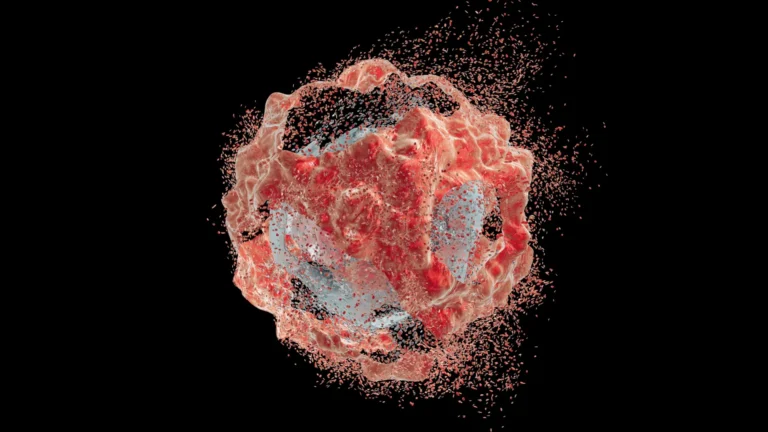
The investigation, spearheaded by Professor José Pedro Friedmann Angeli and his team, focused on a phenomenon known as ferroptosis—a distinct, iron-dependent form of programmed cell death. Unlike apoptosis, which is the body’s standard “suicide” mechanism for damaged cells, ferroptosis is driven by the accumulation of lipid peroxides—a process that occurs when a cell’s antioxidant capacity is overwhelmed.
The Research Timeline
- Early Investigation: The research team sought to understand why certain cancer cells display extreme resilience against ferroptosis. They hypothesized that tumor cells possess unique mechanisms to manage oxidative stress, allowing them to thrive in hostile, nutrient-depleted microenvironments.
- Targeting FSP1: The team zeroed in on a protein called FSP1 (Ferroptosis Suppressor Protein 1). FSP1 is a critical defense protein that prevents cells from undergoing iron-driven death. Through genomic editing, the team observed that cancer cells rely heavily on FSP1 to stay alive.
- The Riboflavin Connection: During the mapping of these metabolic dependencies, the researchers identified that vitamin B2 metabolism is intimately tied to the functionality of FSP1. They discovered that by limiting riboflavin intake or inhibiting its metabolism, they could effectively “strip” the cancer cells of their protective armor.
- Validation via Roseoflavin: To prove the concept, the team utilized roseoflavin, a natural analog of vitamin B2 produced by bacteria. In laboratory settings, this compound acted as a metabolic "decoy," successfully triggering ferroptosis in cancer cells at remarkably low concentrations.
Scientific Breakdown: The Mechanics of Survival
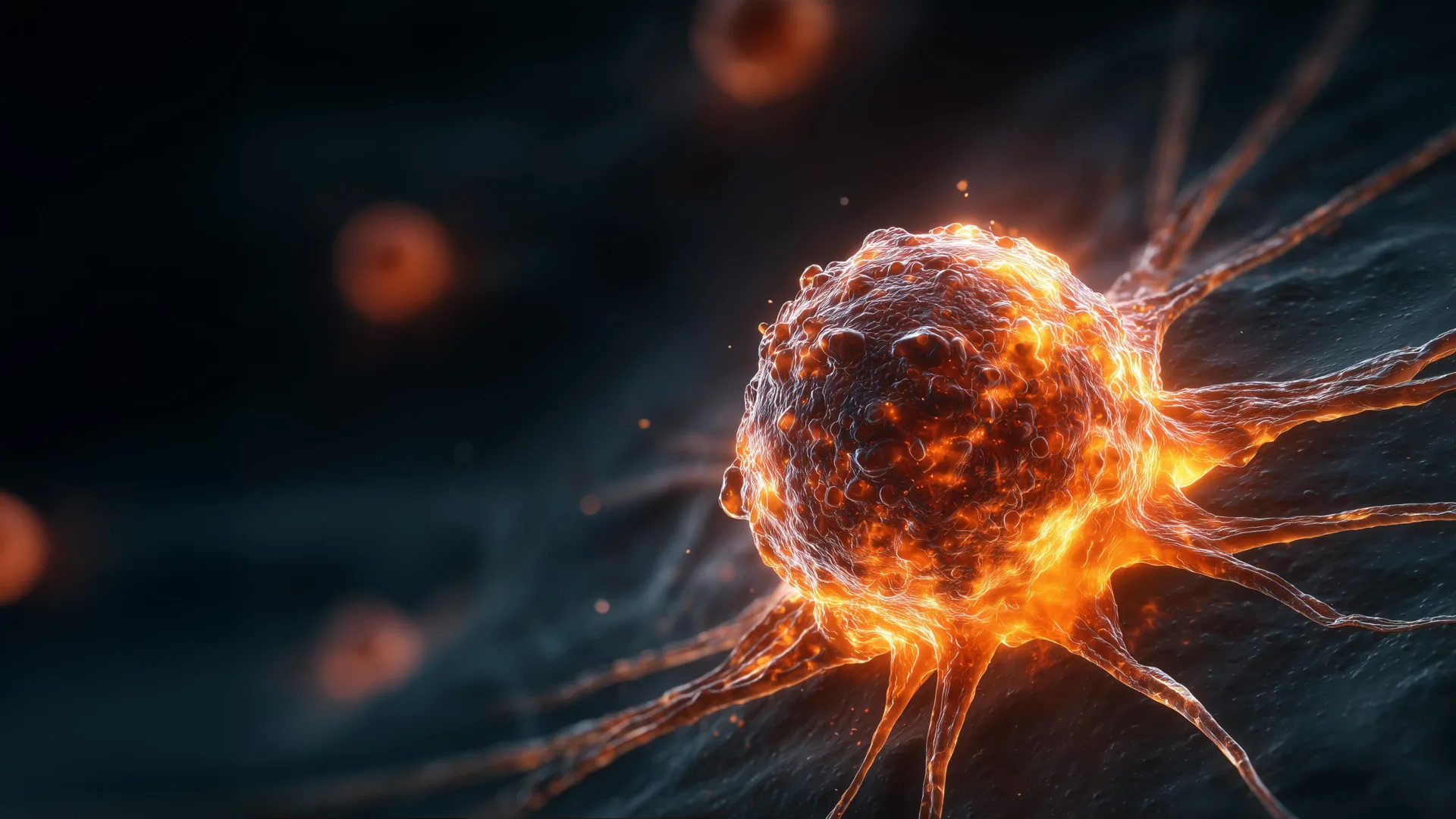
To understand why this finding is so significant, one must look at the "shield" that cancer cells build. Cancer cells are often characterized by a high metabolic rate, which produces an abundance of oxidative byproducts. To prevent these byproducts from killing them, they upregulate defensive proteins.
The RVZ study clarifies that the FSP1 protein requires vitamin B2-derived cofactors to remain active. When these cofactors are present, the cancer cell can neutralize lipid peroxides, thereby preventing the membrane damage that triggers ferroptosis. By disrupting this relationship, the researchers effectively turned the cancer cells’ own metabolic reliance against them.
"Vitamin B2 plays a crucial role in protecting cancer cells from ferroptosis," explains PhD student Vera Skafar, who was central to the experimental phase of the study. When the metabolism of riboflavin is restricted, the FSP1 protein loses its efficacy. Without this protection, the cancer cell becomes hypersensitive to iron-induced damage, leading to rapid, programmed death that does not trigger the inflammatory response typically associated with necrotic cell rupture.
Official Responses and Strategic Implications
The findings have sent ripples through the oncology community, as they suggest a "metabolic vulnerability" that could be exploited in future clinical settings. Currently, most chemotherapy drugs focus on DNA replication or cell division; however, a therapy targeting the nutrient-dependency of a tumor offers an entirely different, potentially more precise, therapeutic avenue.
"Our experiments show the feasibility of this concept," says Professor Friedmann Angeli. While the team is optimistic, they are also measured in their clinical outlook. The primary hurdle remains the development of a therapeutic inhibitor. While roseoflavin proved effective in cell cultures, it is not currently a human therapeutic agent. The research team is now pivoting toward the development of pharmaceutical-grade inhibitors that can safely and specifically target the vitamin B2 metabolic pathways within tumors without inducing systemic deficiency in the patient.
Implications Beyond Oncology
The significance of this discovery extends far beyond the cancer ward. Ferroptosis is implicated in a broad spectrum of pathological conditions, ranging from neurodegenerative disorders like Alzheimer’s and Parkinson’s to acute tissue damage following organ transplants or ischemic events (such as heart attacks or strokes).
If scientists can manipulate the pathways that govern ferroptosis—either by promoting it to kill tumors or inhibiting it to save healthy, oxygen-deprived tissue—the therapeutic potential is vast.
- Neurodegeneration: In the brain, excessive ferroptosis is linked to the loss of neurons. Understanding the role of riboflavin could lead to new neuroprotective strategies.
- Ischemia-Reperfusion Injury: After an organ is deprived of blood and then re-perfused (as seen in surgeries or organ transplants), a massive wave of oxidative stress occurs. Controlling ferroptosis could prevent the "re-perfusion damage" that often ruins otherwise successful surgeries.
A New Frontier in Research Funding and Collaboration
The scope of this discovery is reflected in the substantial support the project has garnered. The research was supported by the German Research Foundation (DFG) through the priority program "Ferroptosis: from Molecular Basics to Clinical applications" (SPP2306). Furthermore, the work is a cornerstone of the "DeciFerr" project—an ambitious initiative dedicated to deciphering and exploiting the regulatory mechanisms of ferroptosis.
In a strong vote of confidence for the potential clinical impact of this work, the European Research Council (ERC) awarded Professor Friedmann Angeli an ERC Consolidator Grant in May 2024, valued at nearly two million euros. This funding is specifically earmarked for the next phase of the research: moving from laboratory models into more complex preclinical cancer models.
Conclusion: The Future of Metabolic Intervention
The discovery that vitamin B2—a nutrient so benign that it is commonly found in a multivitamin—can serve as a "pro-survival" factor for cancer cells is a humbling reminder of the complexity of cancer biology. It underscores the fact that tumors are not just rogue cells; they are highly adaptable entities that remodel their metabolism to survive under pressure.
As the RVZ team looks toward the next stage of development, the medical community will be watching closely. The prospect of "starving" cancer cells of their protective metabolic cofactors, rather than simply bombarding them with cytotoxic chemicals, represents a shift toward more elegant, biology-based medicine. While the journey from a laboratory discovery to a bedside treatment is long and fraught with regulatory hurdles, the path laid out by this research provides a clear, actionable strategy: follow the nutrients, identify the shield, and disable the defense.
For now, the study serves as a poignant illustration of the delicate balance within our own biology—where the very nutrients that power our life can, if left unchecked, be repurposed by disease to sustain its own. Future therapies may well hinge on our ability to distinguish between these two roles, turning the tide against cancer by mastering the very metabolism it depends upon.