By Sarah Todd
June 3, 2026
In an unprecedented show of unity, a coalition of the world’s leading public health researchers and nutrition experts has issued a blunt ultimatum to American policymakers: stop focusing on individual education and start enacting systemic regulation.
The call to action comes in the form of a massive special edition of the American Journal of Public Health (AJPH), which synthesizes the latest evidence on ultra-processed foods (UPFs). The overarching message from these experts—including luminaries like Marion Nestle and Kelly Brownell—is a straightforward directive: “Do policy.”
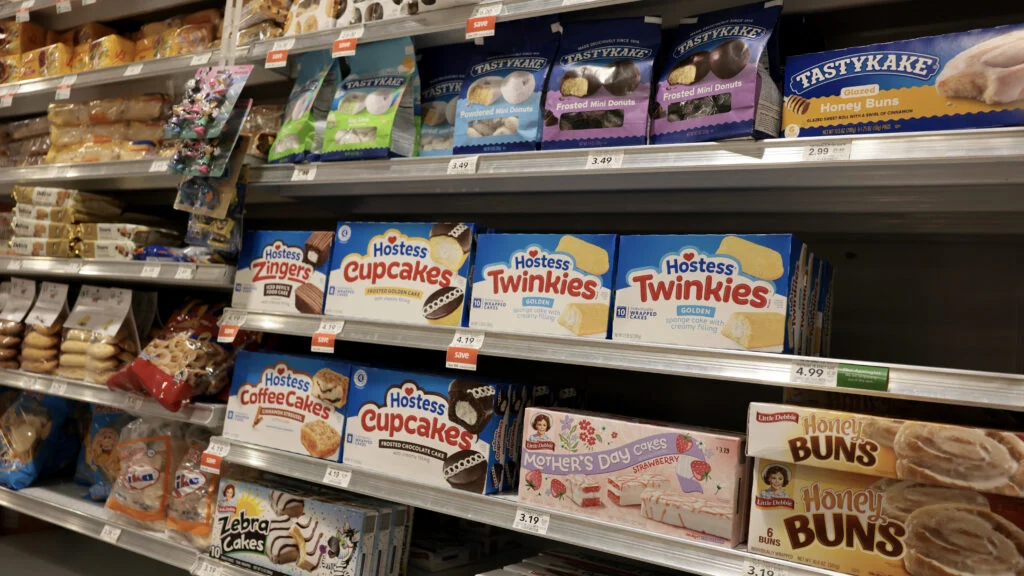
As the U.S. grapples with rising rates of obesity, type 2 diabetes, and cardiovascular disease, this research serves as a sobering reminder that the "personal responsibility" narrative is failing. The industry, they argue, has rigged the system, making the consumption of highly addictive, engineered food products not just the path of least resistance, but the default for millions of Americans.
The Core Conflict: Science vs. Industry Playbooks
The special edition features 17 distinct studies, each pulling back the curtain on how the food industry has successfully navigated the American regulatory landscape to maintain market dominance.
Perhaps the most damning research concerns the historical intersection of Big Tobacco and Big Food. One study details how the Philip Morris Companies—during their tenure as owners of Kraft General Foods in the 1980s and 1990s—directly applied the "flavor-enhancing technologies" used in low-nicotine cigarettes to create hyper-palatable, fat-free cheeses and processed meats. By treating food engineering with the same psychological and chemical rigor used to addict consumers to tobacco, these corporations fundamentally altered the American diet.
The research also highlights the emerging, albeit complex, link between UPF consumption and cognitive decline. While studies suggesting an association between ultra-processed diets and dementia in older adults have surfaced, researchers are careful to note the limitations of current data. Assessing nutritional intake through self-reporting remains a notoriously imprecise science, and cognitive assessments often rely on testing rather than clinical diagnoses. Nevertheless, the volume of data across all 17 articles points to a clear trend: the current food environment is toxic to long-term health.
Public Sentiment: A Rare Bipartisan Consensus
While Washington remains gridlocked on a vast array of social and economic issues, the AJPH special issue reveals a surprising, cross-partisan consensus among the American public.
A survey of 2,000 U.S. adults included in the research found that the vast majority of Democrats, Republicans, and independents view ultra-processed foods as inherently addictive. There is widespread agreement that these products are the primary drivers of the nation’s chronic disease epidemic.
Crucially, this agreement extends to policy solutions. The survey found majority support across all party lines for:
- Mandatory safety testing for food additives before they hit the shelves.
- The banning of artificial dyes.
- The implementation of clear, front-of-package warning labels.
- Government-mandated reductions in sugar and salt content in mass-produced food.
“In this polarized era where Americans disagree on so much, this is actually something where we’re seeing a lot of agreement and public support, which should be a catalyst for policymakers,” said Lindsey Smith Taillie, a nutrition epidemiologist at UNC Gillings School of Public Health.
The MAHA Movement and the Federal Response
This call for action arrives during a pivotal moment in federal health policy. U.S. Health Secretary Robert F. Kennedy Jr. has made the regulation of ultra-processed foods a centerpiece of his "Make America Healthy Again" (MAHA) initiative.
However, the scientific community remains skeptical of the current administration’s approach. Marion Nestle, a preeminent food politics scholar, described the MAHA movement as "a feelings-based movement" rather than a science-based one. “They believe personal experience is much more important than what the science says,” Nestle noted.
While experts credit the MAHA movement for its aggressive stance on removing specific toxins like artificial dyes and glyphosate from the food supply, there is significant concern that the administration is missing the forest for the trees. The government’s recently updated dietary guidelines continue to lean heavily on the idea that individuals should choose better diets, rather than regulating the entities that make those choices nearly impossible for low-income populations.

The Problem with Definition
A key sticking point in the upcoming FDA regulatory battle is the formal definition of what constitutes an "ultra-processed food." Taillie warns that if the federal government creates a narrow, watered-down definition, the resulting regulations will have a negligible impact on public health. The researchers are collectively urging the adoption of the Nova classification system, a widely validated framework that categorizes food based on the extent of industrial processing rather than just nutrient content.
Strategies for Reform: Beyond Education
The special issue of AJPH does not merely critique the status quo; it offers a roadmap for structural reform.
1. Litigation as a Tool
Kelly Brownell, a leading expert on obesity at Duke University, argues that state and local attorneys general are the current vanguard of the movement. By using litigation to hold food companies accountable—similar to the master settlement agreements that gutted the tobacco industry’s power—local governments can bypass federal inaction.
However, Brownell warns of the "pre-emption" trap. The food industry is currently lobbying for federal laws that would override state-level bans or labeling requirements. By pushing for federal pre-emption, industry giants hope to create a "one-size-fits-none" regulatory environment that prevents states like California from leading the charge on stricter food safety standards.
2. Economic Subsidies and SNAP
The researchers also turned their attention to the Supplemental Nutrition Assistance Program (SNAP). Currently, 22 states have experimented with or proposed bans on using SNAP benefits for soda and candy.
Laura Schmidt of UCSF suggests that these efforts, while well-intentioned, are incomplete if they don’t provide alternatives. "There are some real missed opportunities," Schmidt said. She proposed that the funds currently flowing into the production of commodity corn—often used for high-fructose corn syrup—should be redirected toward subsidizing local farmers who grow fruits and vegetables.
During the press call, the consensus was clear: when asked if corn subsidies should be diverted toward fresh produce, the gathered experts expressed universal, emphatic support.
The "Rigged" System
The final, most poignant takeaway from the researchers is that the current American supermarket is a hostile environment.
“These are among the most profitable products in the supermarket; the system is rigged,” Marion Nestle said. “If you go into a supermarket wanting to eat healthfully, you’re fighting the entire system on your own.”
The researchers emphasize that the reliance on individual willpower—the "eat better" mantra that has defined nutrition policy for decades—is a failed strategy. When a company uses science to maximize the "bliss point" of salt, sugar, and fat, the consumer’s biological drive to consume these products often overrides their conscious desire to be healthy.
By demanding policy changes, the authors of this special issue are essentially asking the government to tip the scales back in favor of the public. They argue that we cannot "educate" our way out of a system designed to keep us sick.
As the FDA moves toward a formal definition of ultra-processed foods later this year, the tension between the MAHA movement’s "feelings-based" approach and the evidence-based recommendations of the scientific community will likely define the future of American health policy. Whether the government chooses to listen to the data, or continues to prioritize the profitability of the food industry, remains the defining question of the decade.
STAT’s coverage of chronic health issues is supported by a grant from Bloomberg Philanthropies. Our financial supporters are not involved in any decisions about our journalism.