




In the evolving landscape of nutritional science, the mantra of "five portions of fruit and vegetables a day" has long served as the gold standard for public health. However, a landmark international study published on June 8, 2026, in the journal Food and Function suggests that while quantity is important, the "quality" of those choices—specifically regarding their flavanol content—may be the missing link in preventing cardiovascular disease.
The study, a collaborative effort involving researchers from the University of Reading, Harvard Medical School, the University of California Davis, and Mars, Inc., reveals a concerning reality: fewer than 20% of the population consumes enough flavanols to achieve the protective cardiovascular benefits associated with these potent plant compounds.
The Science of Flavanols: Nature’s Cardiovascular Shield
Flavanols are a subgroup of flavonoids—natural, bioactive compounds found in various plant-based foods. They have long been studied for their ability to improve vascular function, reduce blood pressure, and mitigate inflammation, all of which are critical factors in heart health.
Despite their well-documented benefits, these compounds are often overshadowed in general dietary advice by the broader categories of vitamins and minerals. The research team utilized biomarker measurements—a more accurate method than self-reported dietary logs—to assess the flavanol intake of over 30,000 participants across the United Kingdom and the United States. The results indicate that even individuals who strictly adhere to recommended daily intake guidelines for fruits and vegetables are often falling significantly short of the 500-milligram daily threshold established by previous research, such as the major COSMOS clinical trial, as the amount required to significantly lower the risk of cardiovascular death.
Chronology of Discovery: From Clinical Trials to Public Health
To understand the weight of these findings, one must look at the timeline of cardiovascular nutrition research:
- Early 2010s: Initial clinical studies begin to highlight the specific role of cocoa flavanols and tea catechins in improving endothelial function.
- 2020-2022 (The COSMOS Study): The Cocoa Supplement and Multivitamin Outcomes Study (COSMOS) serves as a turning point, providing large-scale clinical evidence that a 500mg daily dose of flavanols is associated with a reduced risk of cardiovascular mortality.
- 2023-2025: Researchers shift their focus from high-dose supplements to dietary sources, aiming to determine if the average person can reach these levels through a standard diet.
- June 8, 2026: The current study is published, revealing the "flavanol gap." The research demonstrates that even with a healthy diet, the variety of produce is failing to hit the 500mg target.
Supporting Data: Why Choices Matter More Than Totals
The core takeaway from the study is that not all fruits and vegetables are created equal in the eyes of heart health. While an apple or a carrot is objectively "healthy," the study highlights that specific, high-flavanol "super-performers" are necessary to reach the protective threshold.
The Hierarchy of Flavanol Sources
The researchers categorized several foods as essential for those looking to bridge the gap. Incorporating these into a daily routine can drastically alter one’s biomarker profile:
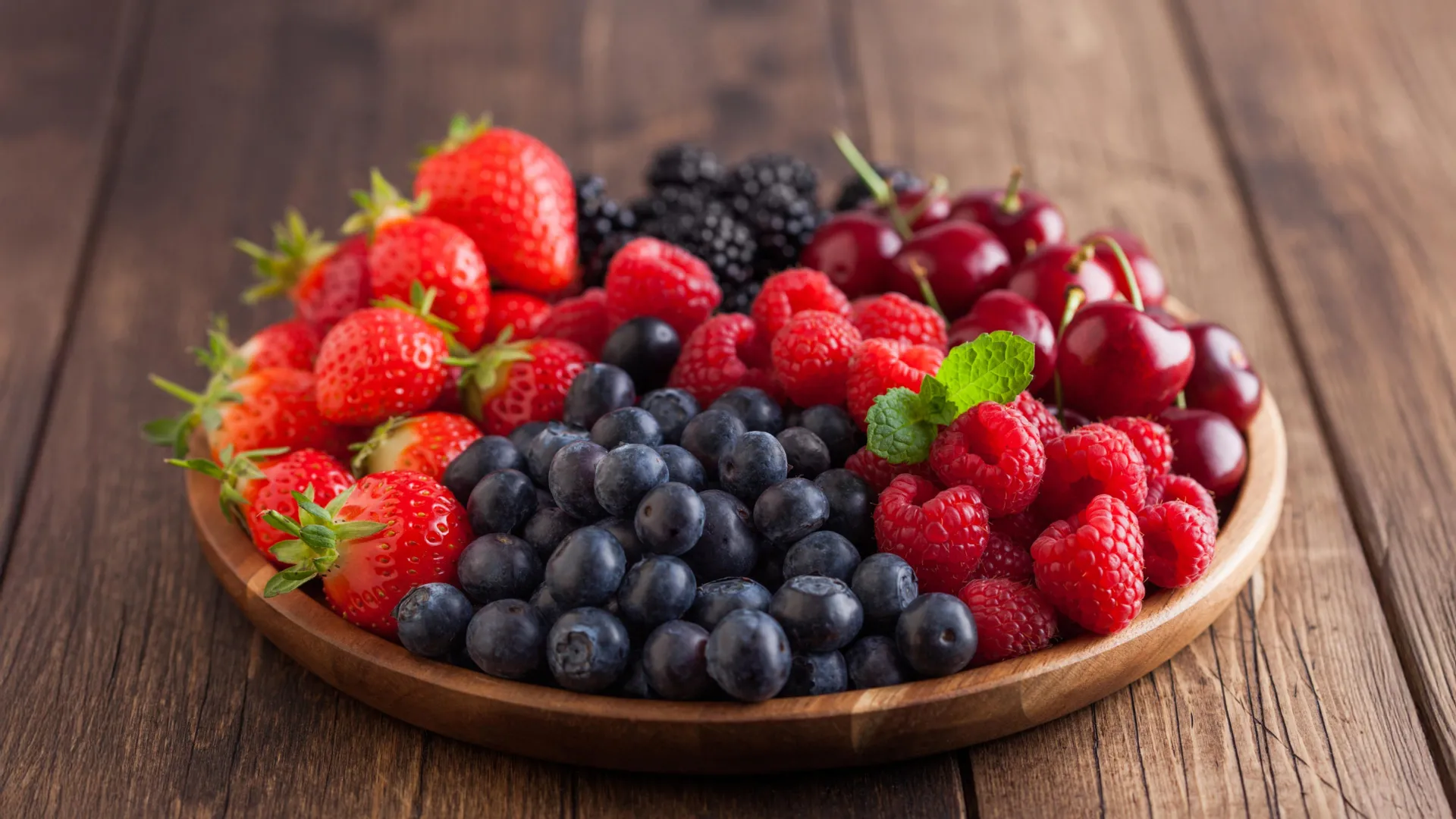
- Berries: Blueberries, blackberries, and cherries are among the most concentrated sources.
- Stone Fruits: Plums offer a high density of these compounds.
- Legumes: Broad beans (fava beans) are identified as a potent source, providing a savory option for increasing intake.
- Beverages: Green tea stands out as a unique, low-calorie way to ingest a significant dose of flavanols, especially when consumed alongside meals.
The study found that simply increasing the volume of produce is often ineffective if the choices are limited to low-flavanol items. For example, a person could eat five servings of produce consisting mostly of iceberg lettuce and cucumbers and remain entirely deficient in flavanols. Conversely, a smaller portion of berries or a cup of green tea can provide a massive boost to the daily total.
Official Responses and Expert Commentary
The findings have sparked a conversation among the scientific community regarding the efficacy of current public health messaging.
Dr. Javier Ottaviani, the lead author of the study, emphasized the need for a paradigm shift in how we educate the public. "Flavanols can significantly reduce the risk of dying from cardiovascular disease, but only if you consume enough of them," Dr. Ottaviani stated. "Most people assume that eating plenty of fruit and vegetables covers this, but what this research shows is that the specific choices you make matter far more than the total amount. Including a handful of blackberries, a whole apple, or having a cup of green tea alongside your meal could make a real difference to how much of these beneficial compounds you actually consume and absorb."
Professor Gunter Kuhnle of the University of Reading added a critical perspective on policy. "Five-a-day is the right message, but we may need to think more carefully about which five," he noted. "Different fruits and vegetables offer very different nutritional benefits beyond vitamins and minerals. As our understanding of these compounds grows, there is a real opportunity to make dietary guidance more specific and more effective."
Implications: A New Era of Nutritional Guidance
The implications of this study are far-reaching, potentially influencing everything from national dietary guidelines to the way nutritional labels are structured.
1. Updating National Guidelines
Health organizations, including the NHS and the USDA, have relied on the "five-a-day" model for decades. The research suggests that while this baseline is safe, it is insufficient for preventative medicine. Experts are now calling for a "nuanced five," where guidance encourages the inclusion of at least one or two high-flavanol choices daily.
2. The Role of Precision Nutrition
This study is a precursor to a more personalized approach to health. If we know that flavanols are essential for cardiovascular health, the next step in nutrition is to help individuals identify their own deficiencies through accessible biomarkers. This would allow people to tailor their grocery shopping to their specific health risks.
3. Food Industry Responsibility
There is an implicit challenge here for the food industry. If high-flavanol foods are recognized as "cardiovascular medicine," there may be a push to highlight flavanol content on packaging. This could encourage consumers to choose products based on functional health benefits rather than just low calories or low sugar.
4. Public Health Equity
One of the most significant hurdles is the accessibility of high-flavanol foods. Berries and certain fresh produce items can be expensive. Public health officials must now grapple with the challenge of making these "heart-healthy" staples accessible to lower-income demographics, ensuring that the benefits of recent research are not reserved for the affluent.
Conclusion: Refining the Modern Diet
The study led by the University of Reading and its partners does not suggest that the advice to eat more fruits and vegetables is wrong; rather, it suggests that it is incomplete. We have moved past the era of generic nutritional advice and into a time of functional, target-oriented eating.
By diversifying our plates to include blueberries, plums, blackberries, broad beans, and green tea, we are not just meeting a quota—we are actively engaging in the long-term protection of our cardiovascular systems. The "flavanol gap" is a silent risk factor, but it is one that can be easily closed with small, informed changes to our daily habits. As we look toward the future of health, the message is clear: when it comes to the heart, it is not just how much you eat, but exactly what you choose to eat that determines your longevity.