




In the evolving landscape of nutritional science, the mantra of "five-a-day" has long served as the gold standard for public health. However, a landmark international study published on June 8, 2026, in the journal Food and Function suggests that while quantity remains vital, it is the quality and specific composition of our produce that dictates our long-term cardiovascular trajectory.
The research—a collaborative effort between the University of Reading, Harvard Medical School, the University of California Davis, and Mars, Inc.—reveals a startling reality: even those who diligently follow dietary guidelines are often missing out on a critical class of compounds known as flavanols. These naturally occurring phytonutrients, found in high concentrations in specific fruits and teas, are increasingly recognized as essential pillars for heart health. As the study indicates, fewer than 20% of the population currently consumes the level of flavanols required to reap significant protective benefits against cardiovascular disease.
The Science of Flavanols: A New Frontier in Heart Health
Flavanols are a subgroup of flavonoids—compounds responsible for the vibrant colors in many plants. Beyond their role as pigments, they possess potent antioxidant and anti-inflammatory properties. For years, epidemiological studies have hinted at the heart-protective benefits of plant-heavy diets, but this new research shifts the focus from broad food groups to the specific molecular profiles of what we ingest.
The study utilized advanced biomarker measurements to track the dietary intake of more than 30,000 participants across the United Kingdom and the United States. Unlike traditional surveys that rely on self-reported food diaries—which are notoriously prone to recall bias—this study utilized objective data to determine how much of these compounds were actually absorbed and utilized by the body.
The results provide a sobering wake-up call. While the participants were generally "healthy eaters," their internal flavanol levels were consistently insufficient. The data suggests that the "five-a-day" advice, while beneficial for general wellness, may be too imprecise to address the specific biochemical needs required to mitigate the risk of fatal cardiovascular events.
Chronology of Discovery: From Clinical Trials to Public Health Insights
The road to these findings began years ago, built upon the foundation of the COSMOS (COcoa Supplement and Multivitamin Outcomes Study) trial. As the largest clinical trial to examine the impacts of flavanol supplementation, COSMOS established a clear target: 500 milligrams of flavanols per day is the threshold at which a statistically significant reduction in cardiovascular death is observed.
The Timeline of Scientific Advancement
- The COSMOS Era: Researchers established that 500mg of flavanols per day serves as a "sweet spot" for heart protection, sparking interest in dietary sources rather than just synthetic supplements.
- Methodological Shift: Moving away from standard food frequency questionnaires, the international research team implemented biomarker-based tracking to map the real-world intake of 30,000 individuals.
- The June 2026 Disclosure: The publication in Food and Function synthesized this data, revealing that current dietary guidelines are not guiding consumers toward the most flavanol-dense options.
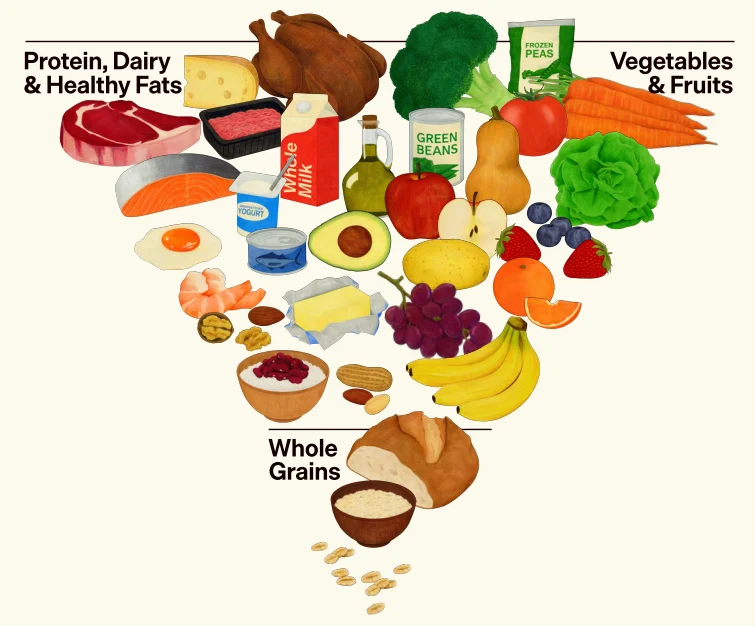
- The Current Phase: Nutritionists and public health experts are now grappling with how to integrate this "quality-first" approach into existing dietary frameworks like the NHS Eatwell Guide.
Supporting Data: The Disparity in Dietary Choices
One of the most compelling aspects of the research is the stark contrast between total produce consumption and flavanol absorption. The study found that individuals who consumed five servings of fruits and vegetables daily were still, in the majority of cases, falling well short of the 500mg goal.
This discrepancy highlights a critical flaw in current dietary education. If a person consumes five servings of low-flavanol produce—such as iceberg lettuce, cucumbers, or melons—they are satisfying the "count" but failing to secure the cardiovascular insurance provided by flavanol-rich foods.
The Power Players: Flavanol-Rich Foods
The researchers identified specific "super-sources" that, if incorporated into a daily regimen, could bridge the gap:
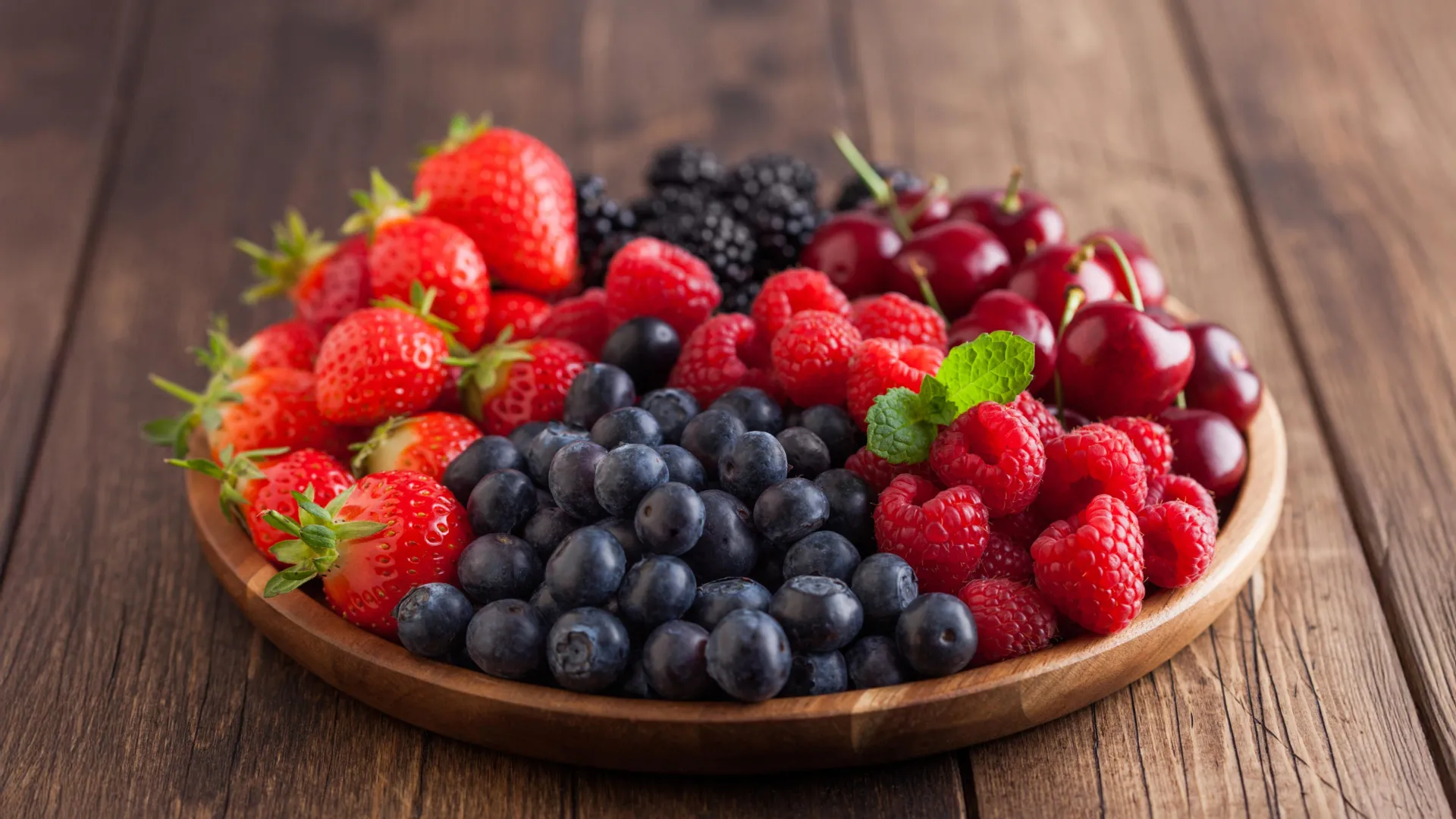
- Berries: Blueberries, blackberries, and cherries are among the most potent sources. These fruits contain high concentrations of the specific flavanols (such as catechin and epicatechin) that the body processes efficiently.
- Stone Fruits: Plums are highlighted for their superior nutritional profile compared to other common fruits.
- Legumes: Broad beans (fava beans) represent a significant, often overlooked, source of these compounds.
- Beverages: Green tea stands out as a unique vehicle for delivery. Pairing a cup of green tea with a meal can act as a "flavanol multiplier," ensuring that the body has the necessary compounds available for absorption during digestion.
Official Responses and Expert Analysis
Dr. Javier Ottaviani, the study’s lead author, emphasized that the shift in perspective is not about eating more food, but about eating better food. "Flavanols can significantly reduce the risk of dying from cardiovascular disease, but only if you consume enough of them," Dr. Ottaviani stated. "Most people assume that eating plenty of fruit and vegetables covers this, but what this research shows is that the specific choices you make matter far more than the total amount."
Dr. Ottaviani suggests a practical application: "Including a handful of blackberries, a whole apple, or having a cup of green tea alongside your meal could make a real difference to how much of these beneficial compounds you actually consume and absorb."
Professor Gunter Kuhnle of the University of Reading added a layer of systemic critique to the findings. "Five-a-day is the right message, but we may need to think more carefully about which five," he noted. "Different fruits and vegetables offer very different nutritional benefits beyond vitamins and minerals. As our understanding of these compounds grows, there is a real opportunity to make dietary guidance more specific and more effective."
Implications for Public Health and Dietary Policy
The findings published in Food and Function present a significant challenge—and opportunity—for public health officials. If current guidelines are insufficient to prevent heart disease, the implications for policy reform are vast.
1. Updating Dietary Guidelines
Nutrition recommendations such as the NHS Eatwell Guide or the U.S. Dietary Guidelines for Americans are periodically reviewed. This research provides a compelling argument for moving toward "functional" recommendations. Rather than just tracking total servings, guidelines could be tiered to encourage the consumption of high-nutrient-density foods.
2. The Rise of "Precision Nutrition"
This study is a precursor to a new era of precision nutrition. As researchers map the bioavailability of phytonutrients, individuals may eventually be encouraged to monitor their dietary intake based on specific health markers rather than general averages.
3. Food Industry Responsibility
The inclusion of Mars, Inc. in the research coalition highlights an industry-wide interest in fortifying or promoting products that contain naturally occurring flavanols. While processed foods often strip away these compounds, there is a clear commercial and ethical incentive to preserve them during production or to encourage the consumption of whole foods rich in these substances.
4. Consumer Empowerment
For the average person, the takeaway is one of empowerment. The knowledge that a simple addition—such as a handful of cherries or a cup of green tea—can fundamentally change the physiological impact of a meal is a tangible, actionable piece of health advice. It moves the conversation from the abstract ("eat healthy") to the concrete ("eat specific, heart-protective compounds").
Conclusion: A New Standard for Heart Health
The research led by the University of Reading and its partners serves as a bridge between the traditional understanding of nutrition and the future of preventative medicine. While the "five-a-day" campaign has been successful in increasing overall produce consumption, we have reached a point where nuance is required.
Heart disease remains the leading cause of death globally. By refining our dietary focus to prioritize flavanol-rich foods, we have a simple, cost-effective, and delicious strategy to lower that risk. The evidence is clear: the path to a healthier heart is paved with blueberries, plums, blackberries, beans, and green tea. It is time for our dietary guidelines, our grocery lists, and our daily habits to reflect this vital shift in understanding.
As we move forward, the goal should not just be to reach a serving count, but to optimize the biochemical potential of every meal. By making small, informed choices, we can ensure that our "five-a-day" is doing the heavy lifting necessary to protect our most vital organ.