










For those navigating life after 60, the simple act of rising from a sofa or stepping down from a curb is more than a mundane movement—it is a barometer of health. Maintaining knee strength is not merely an aesthetic or athletic goal; it is the cornerstone of mobility, independence, and fall prevention. As we age, the body faces a complex trifecta of challenges: progressive muscle atrophy (sarcopenia), the natural degradation of articular cartilage, and a decrease in synovial joint fluid. When combined with the potential for increased body weight, these factors can significantly impact the integrity of the knee joint.
However, the decline of knee health is not an inevitable fate. According to fitness experts, the solution lies in a surprisingly humble piece of furniture: the chair.
The Vital Importance of Knee Health in Senior Populations
Knee joints act as the primary hinges of the human body, bearing the weight of our daily lives. When the muscles surrounding the knee—specifically the quadriceps, hamstrings, and glutes—weaken, the joint is forced to absorb more mechanical stress. This often leads to discomfort, reduced range of motion, and a diminished desire to stay active, creating a vicious cycle of sedentary behavior that further weakens the structures it intends to protect.
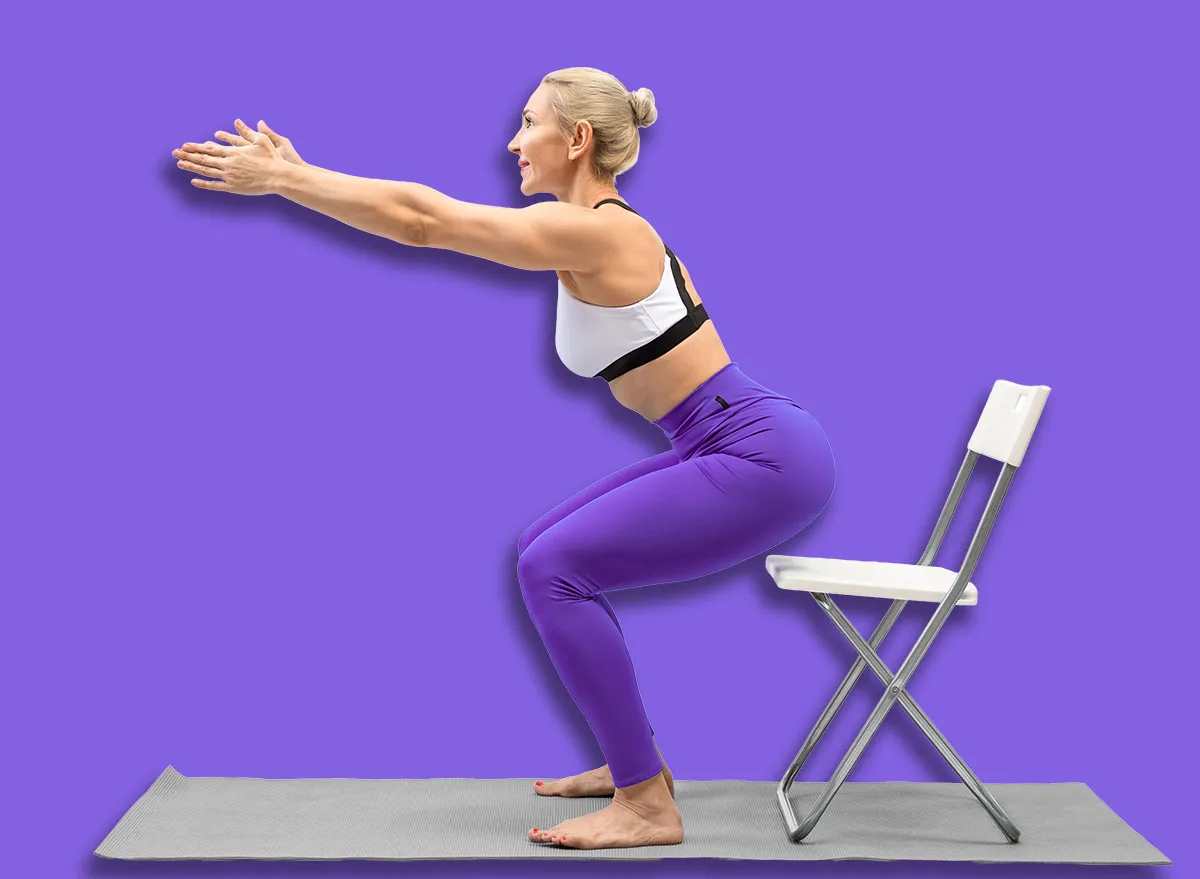
"Chair squats are one of the best foundational exercises for older adults because they strengthen the muscles that support the knees while reinforcing a movement pattern we use every day," explains Josh York, Founder and CEO of GYMGUYZ. "Sitting and standing may seem simple, but it’s a key indicator of lower-body strength, mobility, and independence that some older adults may have trouble with."
York, whose organization provides personalized, in-home training programs for thousands of adults over 50, emphasizes that functional fitness is the key to longevity. By training the body to perform basic tasks with proper mechanics, individuals can safeguard their joints against the wear and tear associated with aging.
The 7-Day Protocol: A Progressive Approach to Restoration
To help individuals regain confidence in their movement, York has curated a seven-day "Chair Squat Challenge." This program is designed to be progressive, starting with foundational mechanics and moving toward compound movements that engage the core and improve balance.
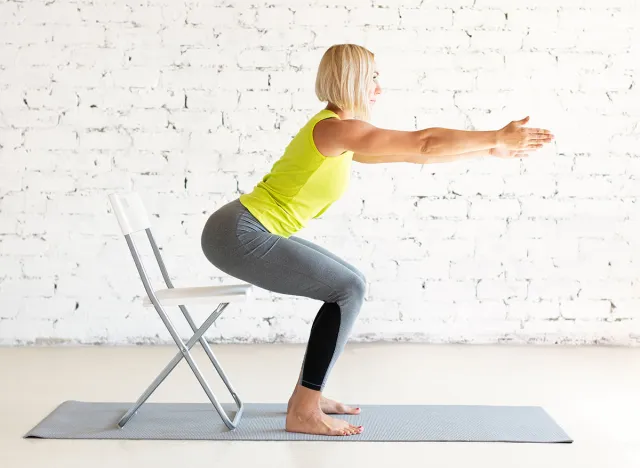
Day 1: The Foundational Chair Squat
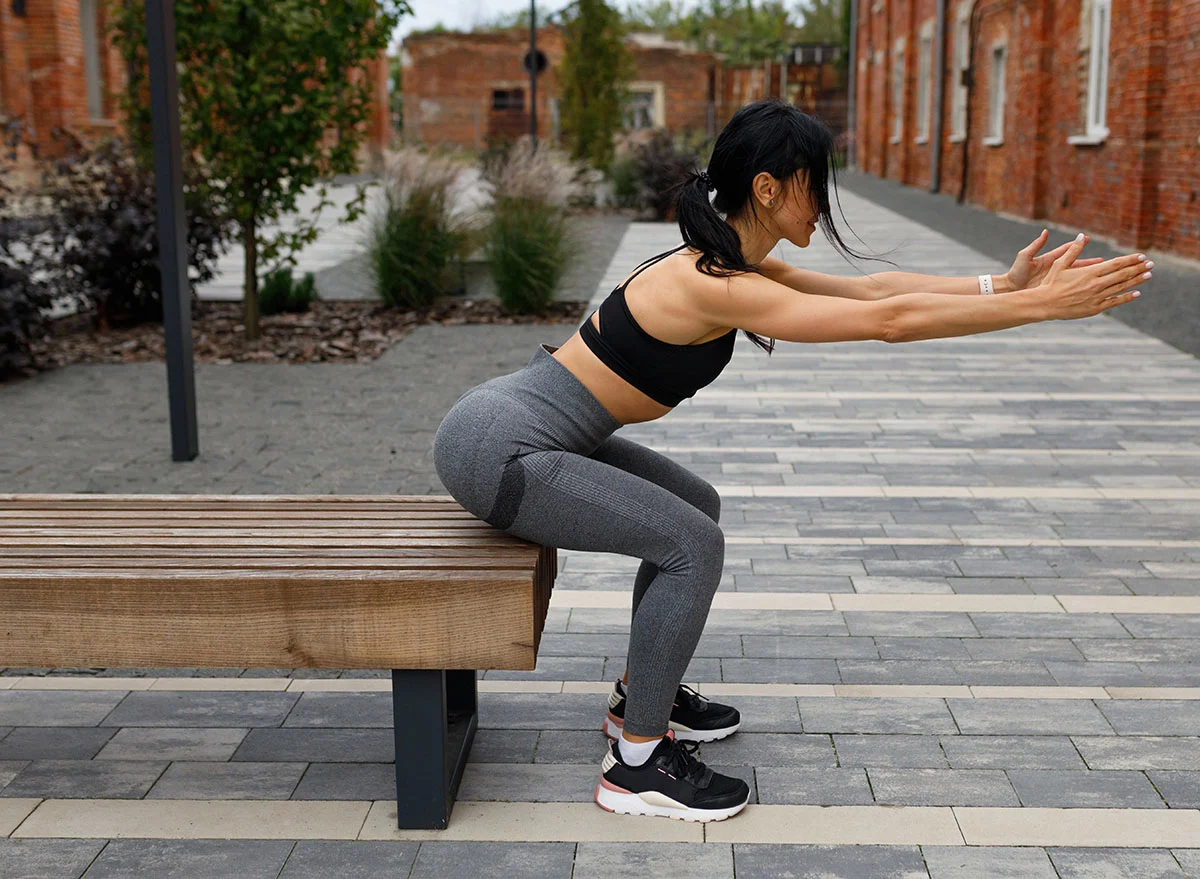
The objective on day one is to master the "hip hinge." Stand in front of a sturdy chair with feet shoulder-width apart. Slowly push your hips back, as if reaching for the seat, keeping your weight in your heels. Once your glutes lightly tap the chair, drive through your feet to return to a standing position.
- Focus: Perfecting the descent and maintaining a neutral spine.
Day 2: Tempo Squats for Time Under Tension
On day two, introduce a tempo component. Lower yourself into the chair over a count of three seconds, pause for one second at the bottom, and stand up in one fluid motion.
- Why it works: Increasing "time under tension" forces the muscle fibers to work harder, fostering greater strength gains and improved motor control throughout the full range of motion.
Day 3: Integrating the Overhead Reach
To transition into full-body coordination, add an overhead reach. As you stand up from the squat, extend your arms straight above your head.
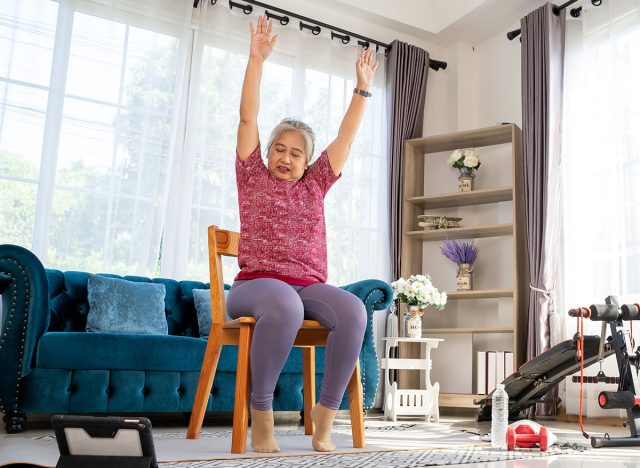
- Implications: This movement engages the upper body, promotes better thoracic mobility, and forces the core to stabilize the torso, which is essential for balance.
Day 4: The Lateral Step Reset
Add a lateral element by stepping out to the side after each squat before returning to the center.
- Why it works: This introduces a dynamic component that challenges the stabilizers in the hips and ankles, which are often neglected in standard forward-only movements.
Day 5: The Stand-and-Balance Challenge
After standing up from your squat, hold the standing position for three seconds while lifting one knee slightly off the ground.
- Focus: This is the ultimate test of proprioception—the body’s ability to perceive its position in space—which is critical for preventing falls.
Day 6: Squat to Calf Raise
Complete your squat, and upon standing, rise onto the balls of your feet for a controlled calf raise.

- Benefit: This strengthens the lower leg complex, which is vital for ankle stability and providing the "push-off" power needed for stairs and uneven surfaces.
Day 7: Incorporating Rotation
For the final day, add a torso rotation. As you stand, gently rotate your upper body toward the right, then return to center for the next squat.
- Why it works: Functional movement rarely happens in a straight line. By adding rotation, you prepare your knees and hips for the unpredictable movements of daily life.
Supporting Data: Why "Functional Fitness" Wins
The medical community has long advocated for resistance training as a primary intervention for sarcopenia. Research published in journals such as The Gerontologist suggests that strength training in individuals over 60 can reverse markers of biological aging at the cellular level.
Unlike gym machines that lock the body into a fixed path, chair squats require the individual to stabilize their own weight. This "closed-chain" kinetic exercise builds not only strength but also the neurological pathways that govern balance. When you train the muscles to support the knee, you effectively reduce the "load" on the joint itself, which can alleviate chronic aches associated with osteoarthritis or general stiffness.
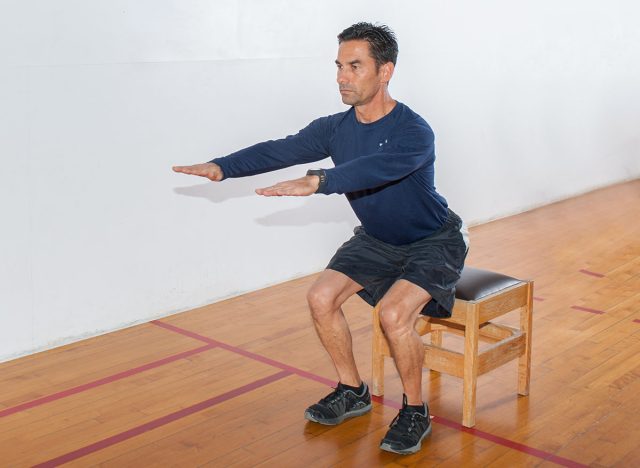
Official Perspectives on Senior Mobility
Fitness professionals and geriatric specialists agree that the "use it or lose it" mantra is scientifically grounded. Josh York notes that the customized nature of these programs is what makes them successful for his clients. "Our goal is to build strength, improve mobility, and support long-term function," York says. "The chair is a tool, not a crutch. It provides a safety net that allows the user to push their limits without the fear of falling."
Health professionals often recommend consulting with a physical therapist before beginning any new regimen, especially if one has a history of knee surgery or severe joint pain. However, for the average healthy adult, the chair squat is widely considered the "gold standard" for home-based maintenance.
Implications for Future Independence
The implications of this seven-day challenge extend far beyond the seventh day. By successfully integrating these movements into a daily routine, the individual builds a "strength reserve." This reserve is what determines whether an individual can recover from a stumble, carry their own groceries, or navigate a flight of stairs without hesitation.
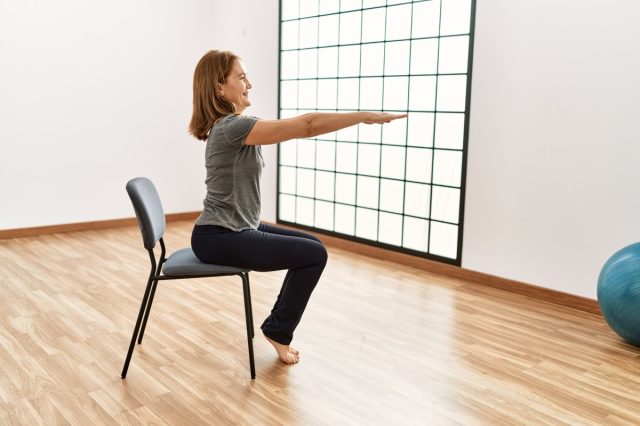
In the broader context of public health, the promotion of simple, equipment-free exercise is a powerful tool. It democratizes fitness, proving that one does not need a high-end gym membership or expensive equipment to maintain the structural integrity of the body.
Key Takeaways for Success:
- Consistency over Intensity: It is better to do five perfect squats every day than 50 poor-quality ones once a week.
- Mindful Movement: Focus on where your weight is distributed. If your knees are caving inward, push them out to align with your toes.
- Safety First: Ensure the chair is stable—preferably against a wall—to prevent it from sliding.
- Listen to the Body: Mild muscle fatigue is expected, but sharp joint pain is a signal to stop and adjust your form.
As we look toward the future of aging, the narrative is shifting from "managing decline" to "optimizing function." By taking these seven days to focus on the joints that carry us through life, seniors can reclaim their physical agency and ensure that their mobility remains a source of freedom, not a source of concern.