







As we cross the threshold into our mid-50s and beyond, the narrative of "aging gracefully" is often hijacked by a focus on the core, the glutes, or the back. Yet, there is a silent, structural hero that is frequently overlooked: the lower leg. Calf strength—the engine room of our daily locomotion—often fades with alarming speed once we pass 55. This decline is not merely an aesthetic concern; it is a fundamental shift that impacts balance, stride mechanics, and, ultimately, independence.
For the active adult, everyday tasks—negotiating a curb, carrying groceries, climbing stairs, or simply maintaining pace during a long walk—are entirely dependent on responsive, powerful calves. When these muscles weaken, the kinetic chain suffers. The knees and hips are forced to compensate for a lack of push-off power, leading to increased joint stress and a heightened risk of injury.
To reclaim lower-leg stability, we must look beyond resistance bands and isolated machines. True power is forged through weight-bearing, standing movements that mirror the demands of real-world physics.
The Science of Stability: Why Standing Exercises Win
For years, the fitness industry touted non-weight-bearing exercises—often performed sitting or lying down—as the gold standard for older adults. However, recent scholarly consensus suggests a shift. A study published in the Journal of Strength and Conditioning Research highlights that weight-bearing calf training is significantly more effective at increasing force production and balance performance than non-weight-bearing alternatives.
The reason is biological: standing exercises force the body to integrate the feet, ankles, and calves into a singular, functional unit. This "ground-force demand" trains the nervous system to stabilize the body in real-time. By moving against gravity while upright, you aren’t just building muscle; you are retraining the proprioceptive systems that prevent falls.
Chronology of Lower-Leg Decline
Understanding the decline of calf function requires a look at how age affects muscular composition.
- The Early Years (30–45): Generally, muscle mass remains relatively stable, provided the individual maintains a baseline level of activity.
- The Transition (45–55): Sarcopenia, the age-related loss of muscle mass, begins to accelerate. In the calves, this is often masked by comfortable footwear and decreased high-intensity activity.
- The Critical Window (55+): Without specific intervention, the Achilles tendon begins to lose its "spring" or elasticity. This leads to shorter stride lengths and a "shuffling" gait. If left unaddressed, this loss of elasticity significantly increases the risk of tripping on uneven surfaces.
Strengthening the Foundation: Five Essential Movements
To combat this decline, we have curated five exercises that challenge the lower leg through multiple planes of motion. These are not merely exercises; they are structural investments.
1. The Standing Calf Raise Hold: Mastering Tension
Most gym-goers treat calf raises as a "bouncing" movement, using momentum rather than muscular control. The Standing Calf Raise Hold demands the opposite. By pausing at the apex of the movement—where the calf is fully contracted—you force the stabilizing muscles around the ankle to work in unison with the larger gastrocnemius.
- The Benefit: This prolonged tension wakes up dormant fibers and teaches the body to maintain stability during the "push-off" phase of walking.
- The Result: Reduced ankle stiffness and a noticeably stronger, more confident step.
2. Toe-Elevated Calf Raises: Expanding the Range
Strength is lost most rapidly in the stretched position. By placing the balls of your feet on a small, stable platform (like a block or a step), you increase the range of motion. This deep stretch activates muscle fibers that traditional, floor-based raises never touch.
- The Benefit: Restores the lost elasticity in the Achilles complex.
- The Result: A more fluid, efficient gait that feels less taxing on the joints.
3. Single-Leg Calf Raises: Eliminating Asymmetry
We are rarely perfectly symmetrical. Most of us favor one leg over the other, creating hidden imbalances that lead to chronic hip or knee pain. Performing calf raises on one leg at a time is the ultimate "truth serum" for your body.
- The Benefit: It isolates each limb, forcing the stabilizing muscles to handle 100% of your body weight.
- The Result: Enhanced balance recovery—if you stumble, your single-leg strength is what catches you before a fall occurs.
4. Farmer’s Carry on Toes: Functional Endurance
Real life doesn’t happen in a stationary squat rack. The Farmer’s Carry on Toes requires you to maintain a high heel position while walking under load. This simulates the demands of carrying groceries or luggage while navigating a crowded sidewalk.
- The Benefit: It builds "muscular endurance," ensuring your calves don’t "give out" halfway through a trip to the store.
- The Result: Improved posture and increased resilience against fatigue.
5. Lateral Calf Walks: Training the Third Dimension
Movement is not just forward and backward. Most falls occur when we change direction or encounter uneven terrain, requiring side-to-side stability. Lateral Calf Walks force the lower legs to stabilize the ankle against lateral force.
- The Benefit: Strengthens the peroneal muscles on the outside of the lower leg, which are the primary defense against ankle sprains and rolls.
- The Result: Greater confidence when walking on grass, gravel, or crowded, uneven surfaces.
Implications for Longevity and Independence
The implications of these exercises extend far beyond the gym floor. For an adult over 55, calf strength is a primary indicator of "functional independence."
When your calves are weak, your center of gravity shifts. You rely more on your quadriceps and your hips to propel you forward, which changes your posture and creates a domino effect of joint fatigue. Conversely, when the calves are strong, the "spring" returns to the step. You become more agile, your reaction times improve, and the fear of falling—a major psychological barrier for many older adults—begins to diminish.
Expert Insight: Why Consistency is the Catalyst
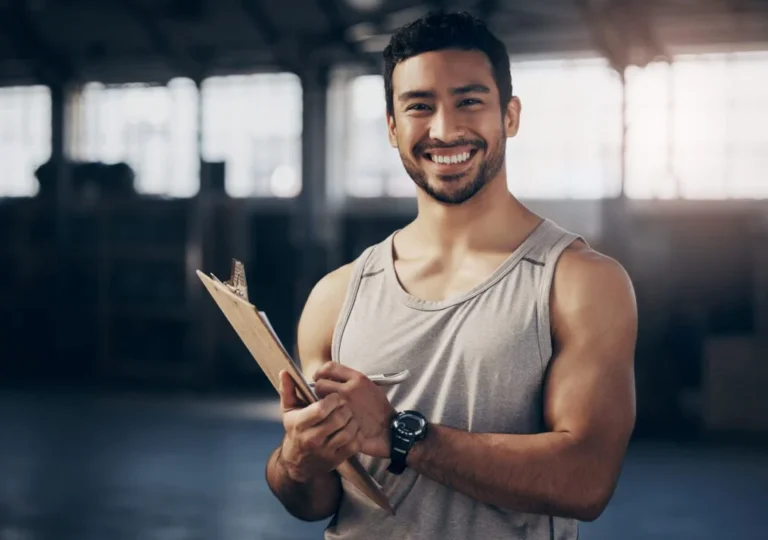
According to Tyler Read, a seasoned personal trainer with 15 years of experience in the field, the secret to these movements is not intensity, but consistency. "You don’t need to over-train the calves to see results," Read notes. "The goal is to integrate these movements into your daily rhythm. By choosing to perform these as part of a morning or evening routine, you are reinforcing the mechanical integrity of your lower legs every single day."
Conclusion
Rebuilding your lower legs after 55 is one of the most proactive steps you can take toward maintaining a vibrant, active lifestyle. By prioritizing weight-bearing, standing exercises, you are doing more than just "toning" muscles; you are fortifying your body’s foundation. Whether it is the stability of a single-leg hold or the functional demand of a farmer’s carry, these movements ensure that you remain the master of your own movement, regardless of the terrain or the task at hand.
Start slow, focus on the quality of each contraction, and listen to the feedback your body provides. Your future self—the one still climbing stairs with ease and walking with confidence—will thank you for the effort you put in today.