










In a landmark development for clinical artificial intelligence, the U.S. Food and Drug Administration (FDA) has officially granted clearance to an early warning system designed to detect sepsis—a condition that remains one of the most lethal and elusive threats in modern medicine. Developed by researchers at Johns Hopkins University and brought to market by the medical technology firm Bayesian Health, this AI-driven platform represents a significant leap forward in the quest to transform hospital care from a reactive model to a proactive one.
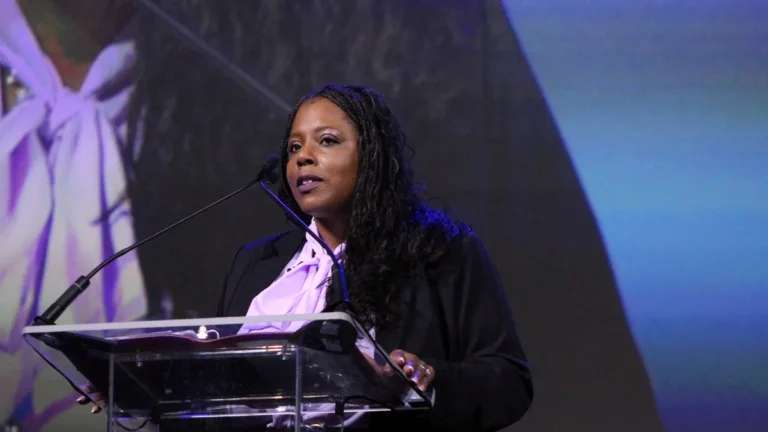
The clearance marks a critical milestone for Bayesian Health, a company founded by Dr. Suchi Saria, a professor at Johns Hopkins University and the director of the institution’s AI & Healthcare Lab. For clinicians, the system promises to serve as a vital digital partner, sifting through massive datasets to identify the subtle, early-stage physiological indicators of sepsis long before a patient’s condition deteriorates into septic shock.
Main Facts: A Digital Sentinel at the Bedside
Sepsis is the body’s extreme, life-threatening response to an infection. It is a condition that moves with terrifying speed, yet its initial symptoms—fever, increased heart rate, and confusion—are notoriously non-specific, often mimicking less severe illnesses. This ambiguity makes early diagnosis a primary challenge for emergency department staff and intensive care clinicians alike.
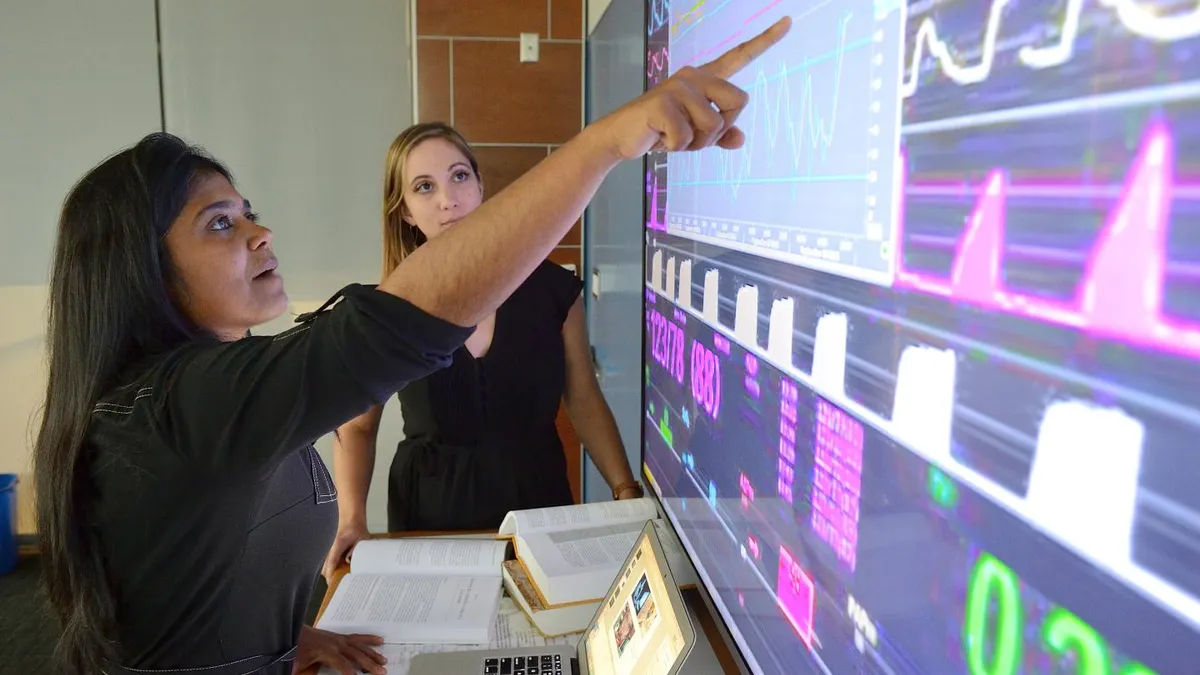
Bayesian Health’s new FDA-cleared technology operates by continuously scanning patient data integrated directly into Electronic Health Records (EHRs). By analyzing a comprehensive array of inputs—including emergency department chief complaints, laboratory results, vital sign fluctuations, administered medications, and clinical procedures—the system generates real-time risk assessments. When the AI detects patterns consistent with early-stage sepsis, it triggers a "high-risk" flag within the patient’s digital chart. This alert serves as an immediate prompt for clinicians to initiate evidence-based interventions, such as fluid resuscitation or antibiotic administration, hours before a patient might otherwise be flagged by traditional, manual monitoring.
Chronology: From Academic Research to Clinical Reality
The journey to this FDA clearance is characterized by a decade of rigorous academic validation and real-world deployment. The project began as a specialized research initiative within the Johns Hopkins AI & Healthcare Lab, driven by a desire to harness machine learning to solve the most pressing problems in hospital mortality.
The mission took on a profoundly personal dimension for Dr. Saria in 2017, following the tragic loss of her nephew to the condition. This event catalyzed the transition of the lab’s findings into a scalable, commercial product.
- 2012–2021 (The Research Phase): Dr. Saria and her team developed the foundational algorithms, focusing on the ability of AI to learn from historical data to predict future patient outcomes. During this time, the team focused on ensuring the model could account for the complexity and "noise" inherent in hospital data.
- 2022 (Validation): A major turning point occurred with the publication of a prospective study in Nature Medicine. This study provided the scientific community with evidence that when clinicians confirmed an alert within three hours, patient outcomes significantly improved.
- 2023 (Breakthrough Designation): Recognizing the potential for the technology to address a significant unmet medical need, the FDA granted the system "Breakthrough Device" designation, fast-tracking the review process.
- May 2026 (FDA Clearance): The FDA officially clears the technology, validating years of clinical deployment and establishing a new regulatory standard for diagnostic AI in critical care.
Supporting Data: The Clinical Argument for AI Integration
The strength of the Bayesian Health platform lies not merely in its predictive power, but in its proven impact on patient outcomes. According to the 2022 Nature Medicine study, the efficacy of the system is tethered to the "time-to-action" window.
The data revealed that patients whose sepsis alerts were acknowledged and addressed by a clinician within a three-hour window saw a statistically significant reduction in in-hospital mortality. Furthermore, these patients experienced lower rates of multi-organ failure and shorter overall lengths of stay in the hospital. Specifically, the company’s data indicates that mortality rates dropped by approximately 18% when clinicians utilized the system’s early warnings to guide their decision-making.
The system’s design is specifically intended to reduce "alert fatigue"—a common criticism of older clinical decision support systems. By integrating seamlessly into the existing EHR workflow, it avoids the nuisance of external alarms, providing instead a sophisticated "risk indicator" that clinicians can consult as part of their routine chart review.
Official Responses and Clinical Philosophy
In a statement following the announcement, Dr. Saria emphasized that the FDA clearance is the culmination of a long-term commitment to evidence-based innovation.

"Sepsis has been the focus of my work for more than a decade—a direction set, in part, by losing someone I loved to it," Dr. Saria noted. "The work behind this clearance spans more than a decade: the deep research, the peer-reviewed validation, and the deployments that proved it works at the bedside. FDA clearance is a critical milestone, and it’s also the consequence of years spent validating that this fits into clinician workflows and helps them get ahead of deterioration instead of reacting to it. That’s the bar clinical AI should be held to."
The technology has already been vetted through deployments at several prestigious medical institutions, including the Cleveland Clinic, MemorialCare in California, and the University of Rochester School of Medicine. These partnerships were instrumental in ensuring that the software did not just function in a laboratory setting, but proved resilient and helpful in the high-pressure environment of the modern ICU.
Implications: The Future of Proactive Medicine
The regulatory approval of the Bayesian Health system signals a broader shift in how hospitals utilize Artificial Intelligence. For years, the conversation around AI in healthcare was dominated by concerns regarding black-box models and potential bias. By securing FDA clearance through a transparent, evidence-backed approach, Bayesian Health is setting a blueprint for how medical AI companies must engage with regulators and the clinical community.
1. Reducing the "Surprise" Factor in ICU Care
The most significant implication of this technology is the reduction of the "surprise" factor. Sepsis is often described by clinicians as a "hidden killer." By providing a mathematical early warning, the system effectively expands the visibility of the clinician, allowing them to allocate resources—such as moving a patient to the ICU or starting aggressive fluid therapy—before the patient reaches a point of no return.
2. Economic and Workflow Benefits
Beyond the primary goal of saving lives, the system addresses the financial burden of sepsis. Sepsis is one of the most expensive conditions to treat in the United States, with costs driven largely by prolonged ICU stays and the management of complications like organ failure. By identifying and treating the condition earlier, hospitals can potentially reduce the duration of care, thereby optimizing resource allocation and reducing the cost burden on the healthcare system.

3. The Gold Standard for AI Transparency
The FDA’s decision also establishes a high bar for future AI developers. The requirement for prospective studies—demonstrating that the technology works in real-world clinical workflows rather than just on retrospective data—is becoming the industry standard. Bayesian’s success demonstrates that AI developers who invest in rigorous clinical validation and prioritize physician-centric design are the most likely to succeed in the regulatory landscape.
4. Patient Advocacy and Care
Perhaps most importantly, this technology shifts the paradigm for patients and their families. With sepsis being the third leading cause of death in U.S. hospitals, the ability to intervene earlier means fewer families will have to face the tragic outcomes associated with late-stage diagnosis. As the healthcare industry continues to grapple with staffing shortages and burnout, having an "always-on" analytical tool that monitors for sepsis provides a crucial layer of safety for both the provider and the patient.
Conclusion
The clearance of the Bayesian Health sepsis system is more than just a regulatory victory; it is a testament to the power of combining deep academic research with a mission-driven approach to patient care. As hospitals continue to struggle with the complexities of patient monitoring, tools like this will likely become as essential as the stethoscope. By turning data into actionable clinical insights, Dr. Saria and her team have not only honored the memory of those lost to sepsis but have provided a robust, evidence-based roadmap for the future of intelligent, lifesaving healthcare.