











Published: July 14, 2026
In the modern landscape of physical fitness, the term "core" is frequently reduced to aesthetic pursuits—a pursuit of the proverbial "six-pack." However, for practitioners of yoga, the core represents something far more profound. It is the physiological center of gravity, the engine of stability, and the silent partner in every asana. As yoga teacher Daria LeGrand demonstrates, the physical practice of yoga is inextricably linked to the cultivation of deep core strength. When the abdominal wall, pelvic floor, and back muscles function in concert, the practitioner discovers a heightened state of stability, allowing for deeper, more expansive breaths and a more profound sense of presence on and off the mat.
The Science of Stability: Why the Core Matters
Core strength is not merely about muscular definition; it is about the integration of the transverse abdominis, multifidus, and the diaphragm into a functional kinetic chain. In yoga, this integration is essential. Without a stable core, the body often compensates through the lumbar spine or shoulder girdle, leading to fatigue and potential injury.
By activating these deep-seated muscles, practitioners can transition through complex vinyasa flows or hold static postures with greater ease. This stability creates a "container" for the breath, allowing the practitioner to move with intentionality rather than force. As awareness of this center grows, so too does the ability to remain grounded during the chaotic transitions of daily life.
A Targeted Approach: The Core-Centric Sequence
To assist practitioners in unlocking this internal power, Daria LeGrand has curated a specialized sequence. These exercises utilize simple props—specifically two yoga blocks—to provide tactile feedback, ensuring the practitioner remains engaged throughout the entire movement.
The Roll Down: Establishing the Baseline
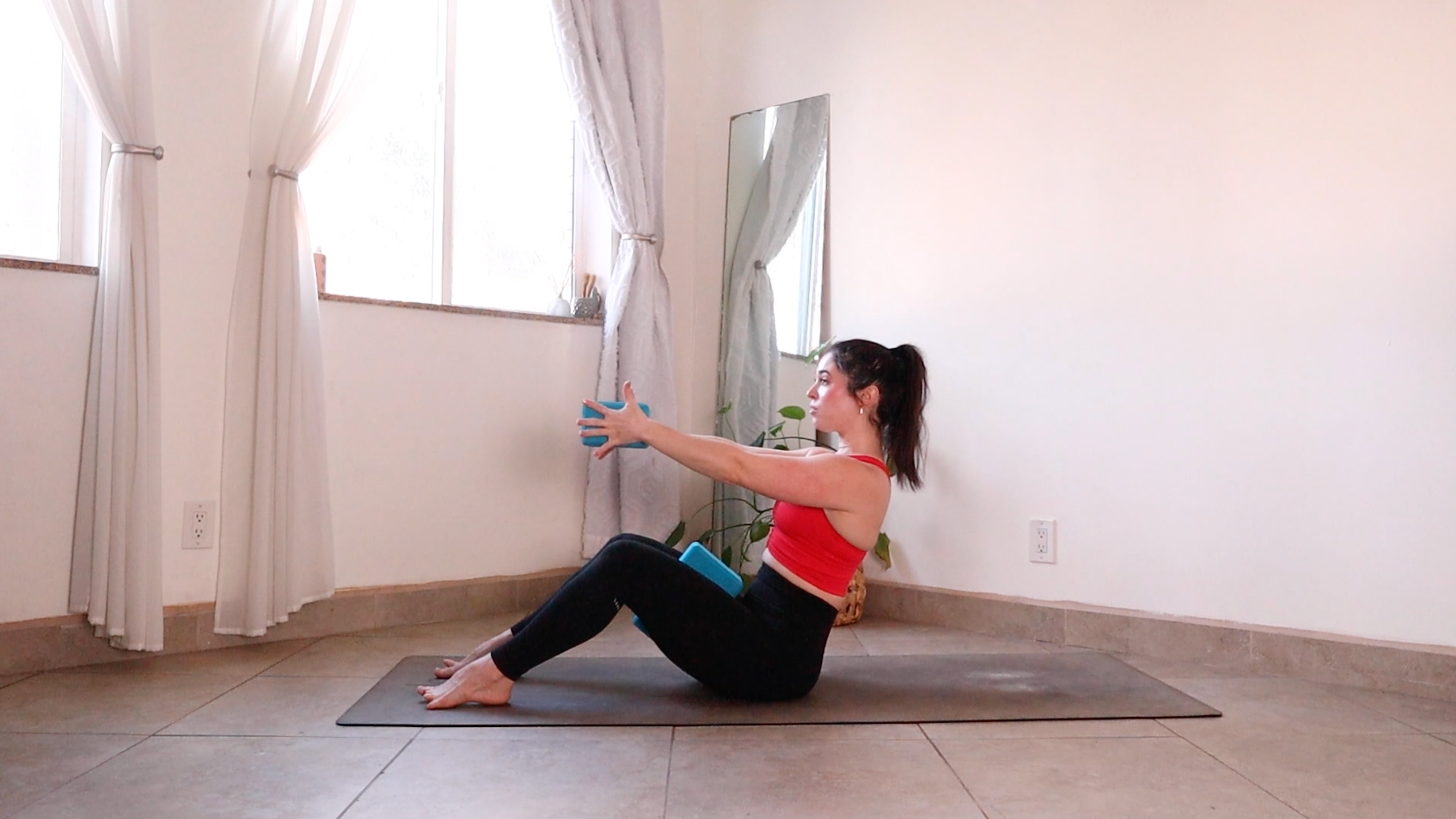
Begin this practice seated on your sit bones, knees bent and feet flat on the floor at hip-distance. To maximize engagement, place a block between your inner thighs; this simple addition forces the adductors to fire, which in turn helps recruit the deeper abdominal wall. Place the second block between your hands, squeezing both firmly.
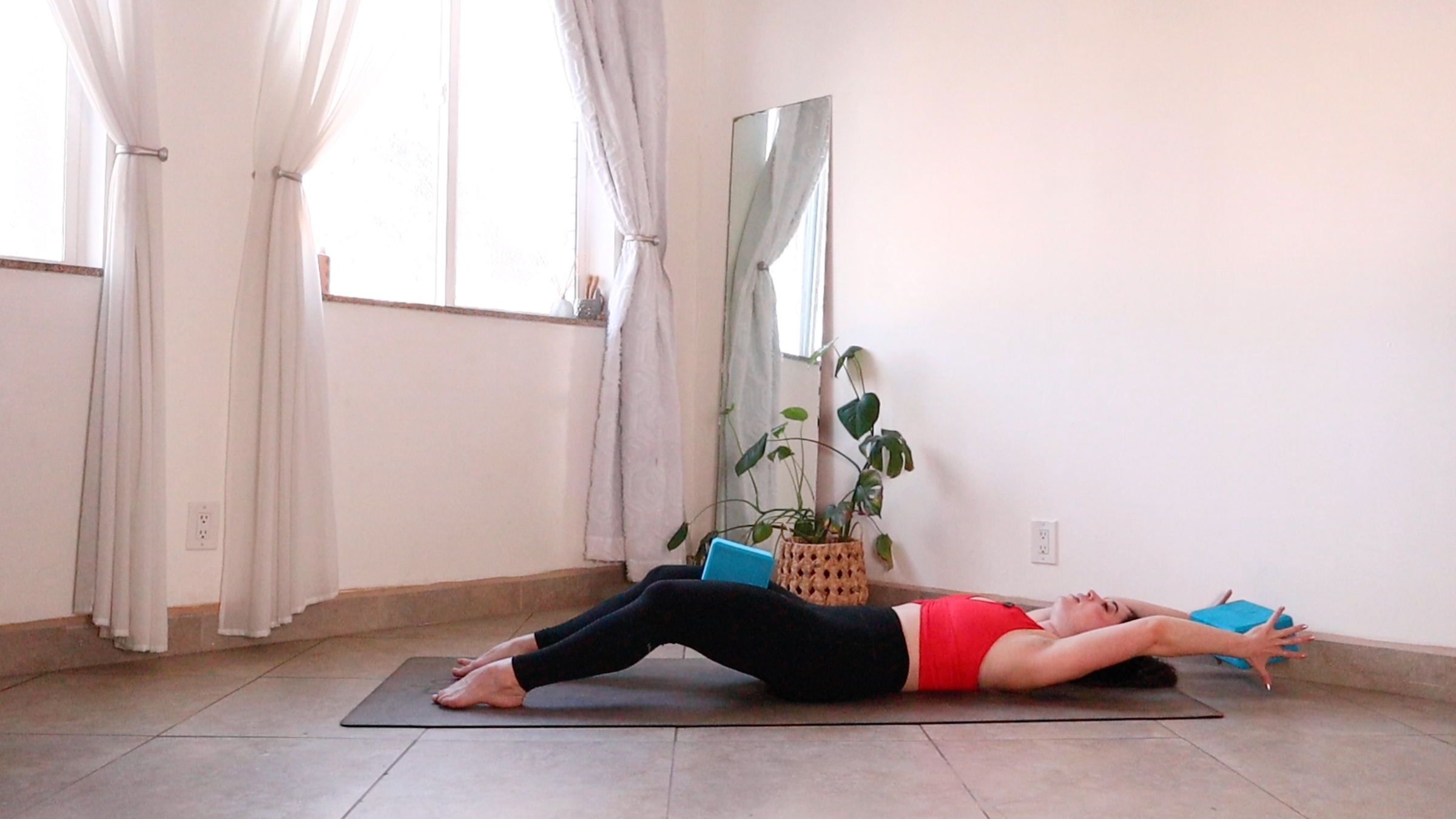
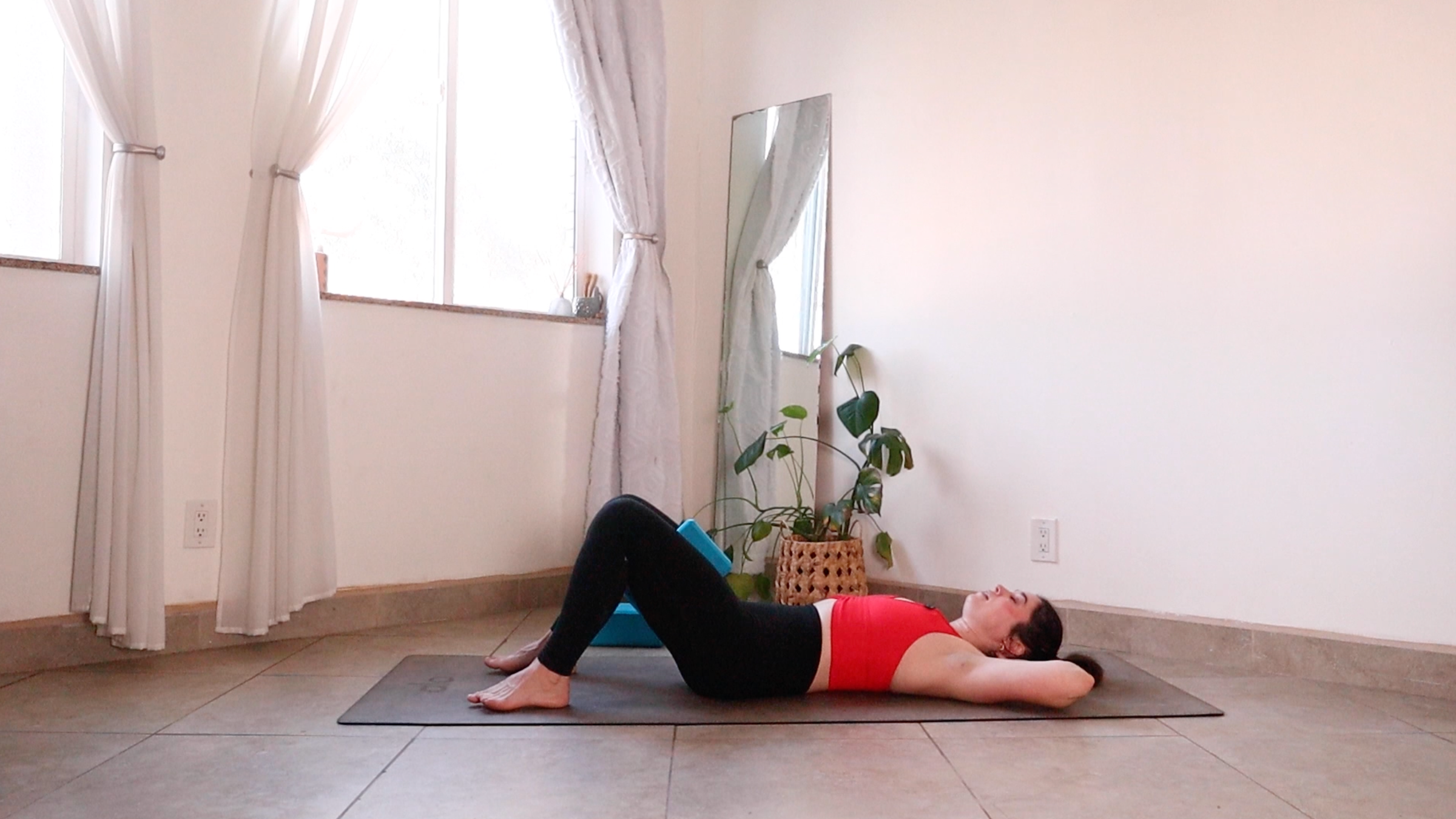
As you inhale, root down through your sit bones, lengthening your spine and lifting your heart toward the ceiling. On the exhale, articulate your spine slowly, lowering down to the mat one vertebra at a time. Once your head rests on the floor, inhale and reach the block overhead. As you exhale, let the weight of the block guide you back to an upright position. Repeat this cycle three times, focusing on the slow, deliberate pace of the movement.
Boat Pose and Low Boat: The Engine of Resilience
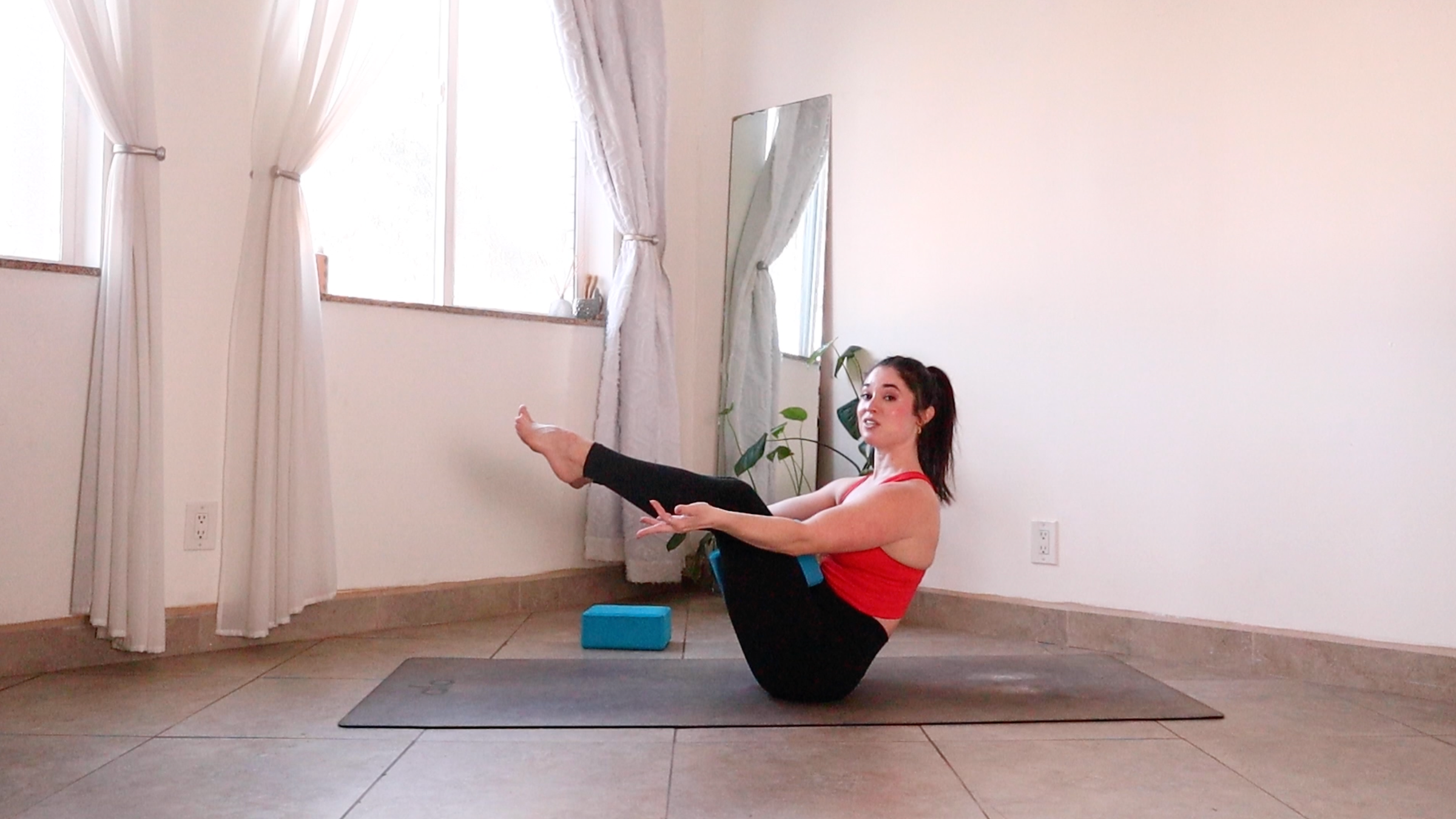
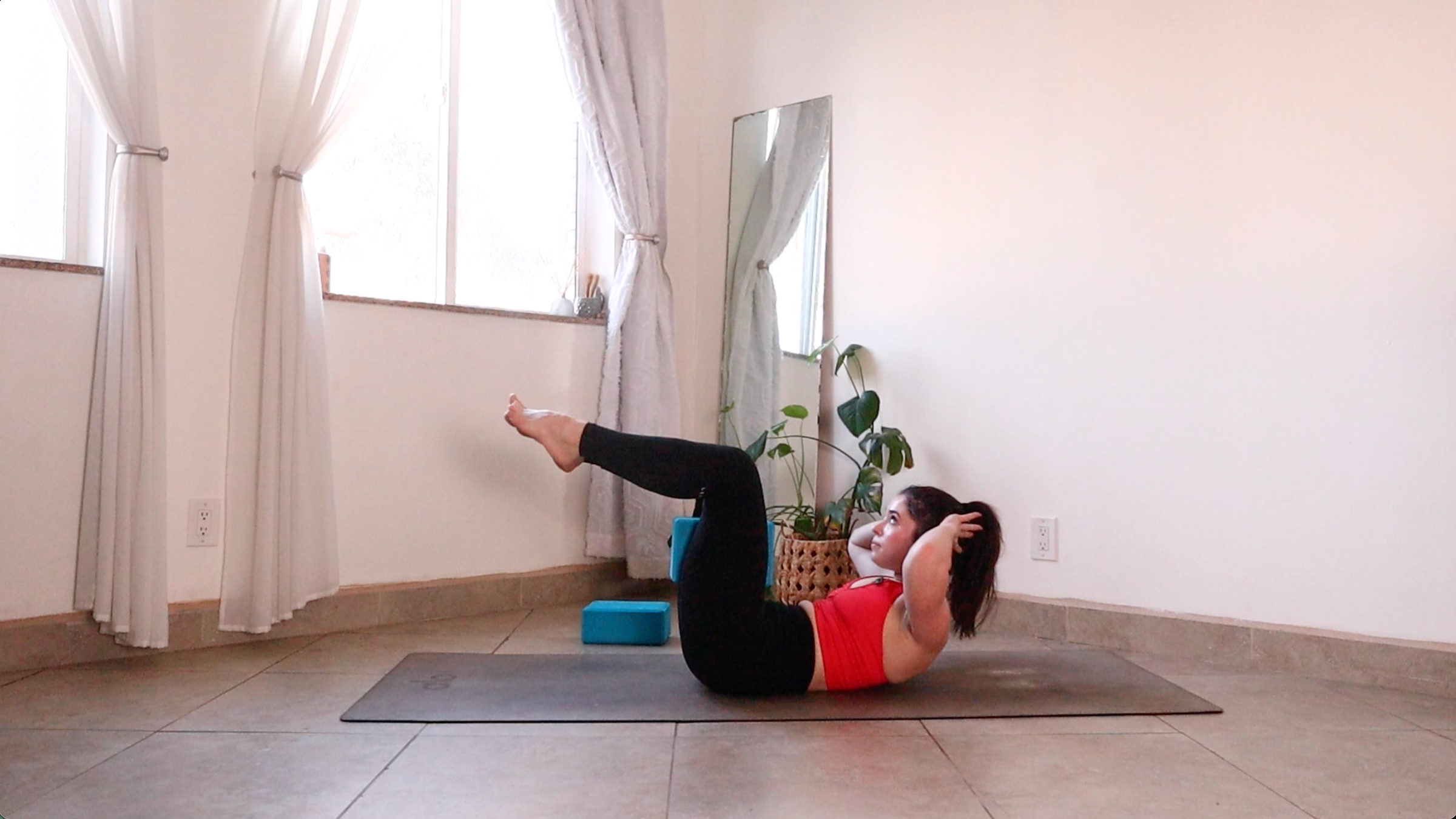
Transitioning into Navasana (Boat Pose), keep the block between your inner thighs to maintain leg engagement. Lean back slightly, allowing your feet to hover. Whether you choose to lower your legs for a challenge or keep your shins parallel to the mat, the objective remains the same: sit tall.
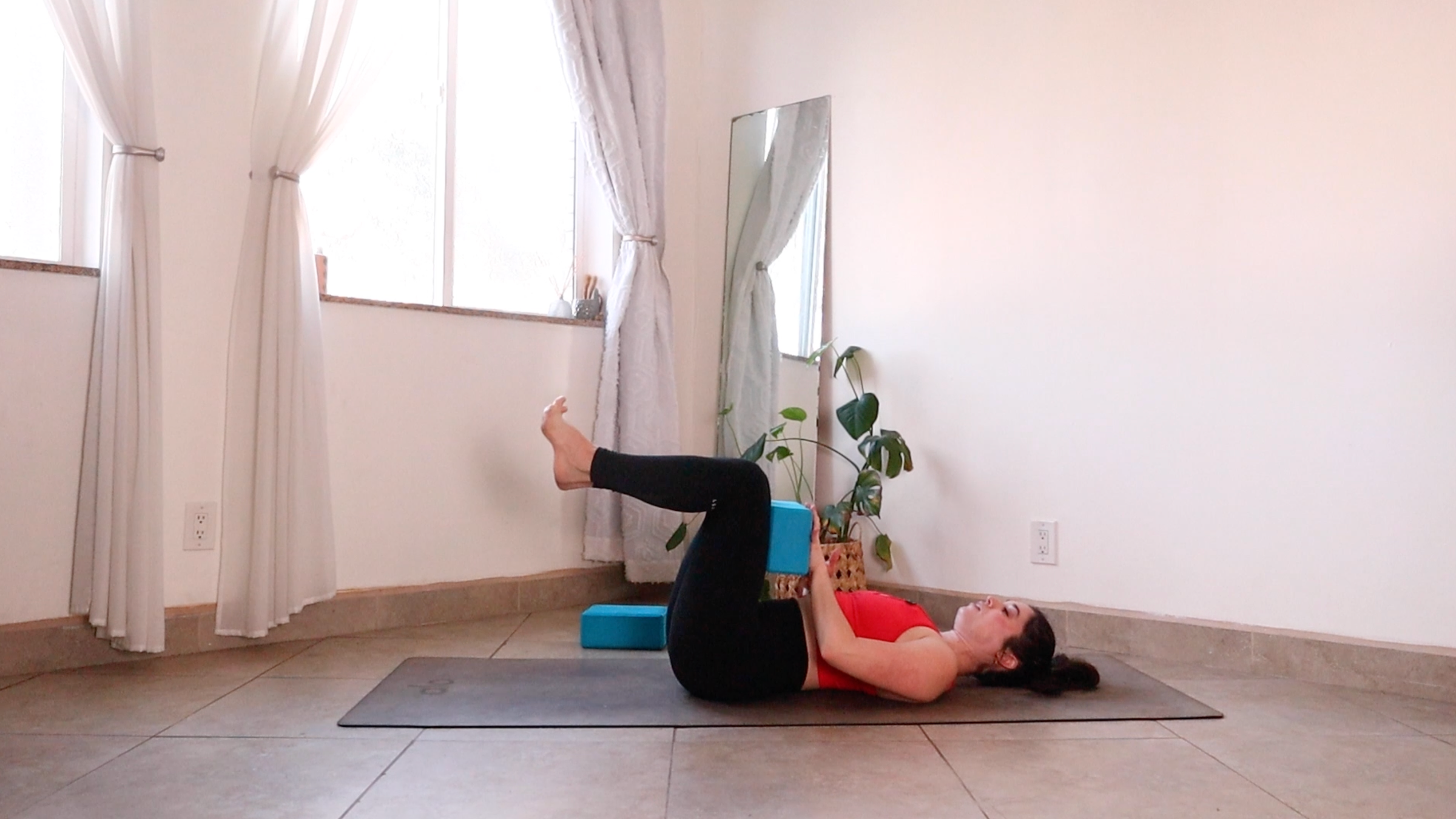
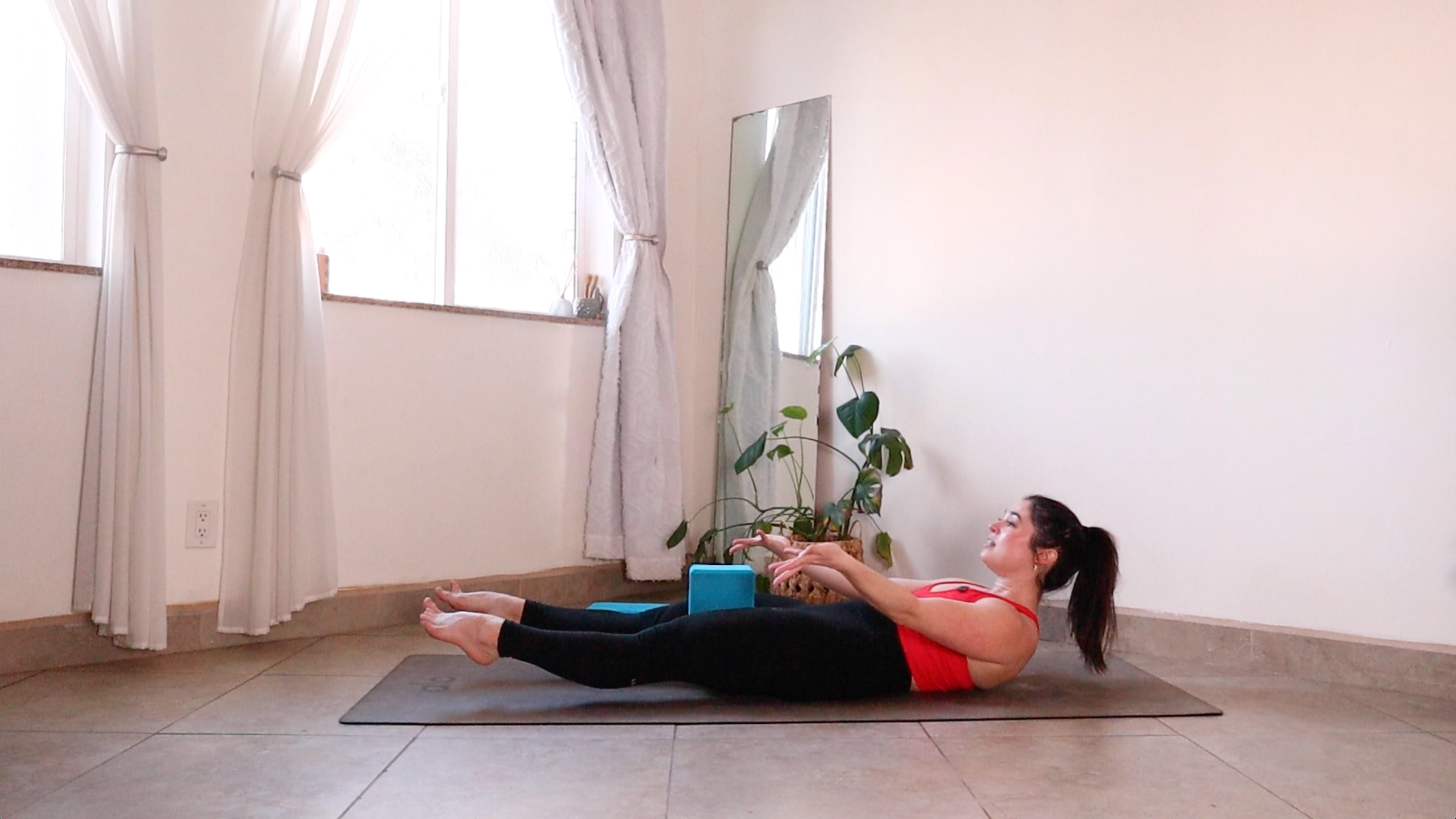
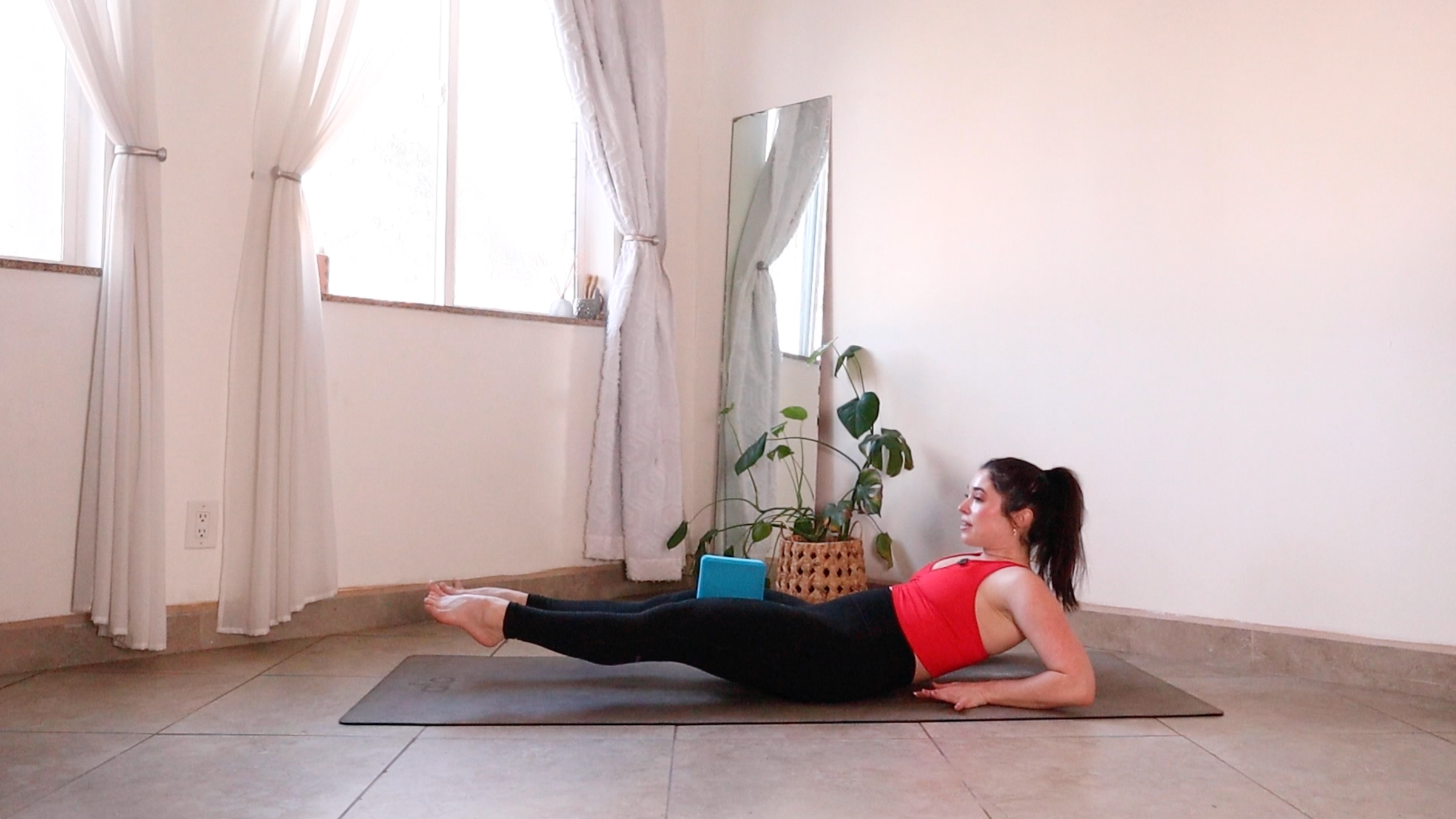
Move into Low Boat by exhaling as you extend your legs forward and lower your torso. Inhale to hold, ensuring your chin remains lifted away from your chest to protect the cervical spine. If your lower back feels strained, place your hands behind you for support, keeping your forearms on the mat. Complete five repetitions, keeping your breath perfectly synchronized with the physical exertion. For a final challenge, hold the low position and rock back and forth for a count of ten.
Dead Bug Variation: Cross-Body Integration
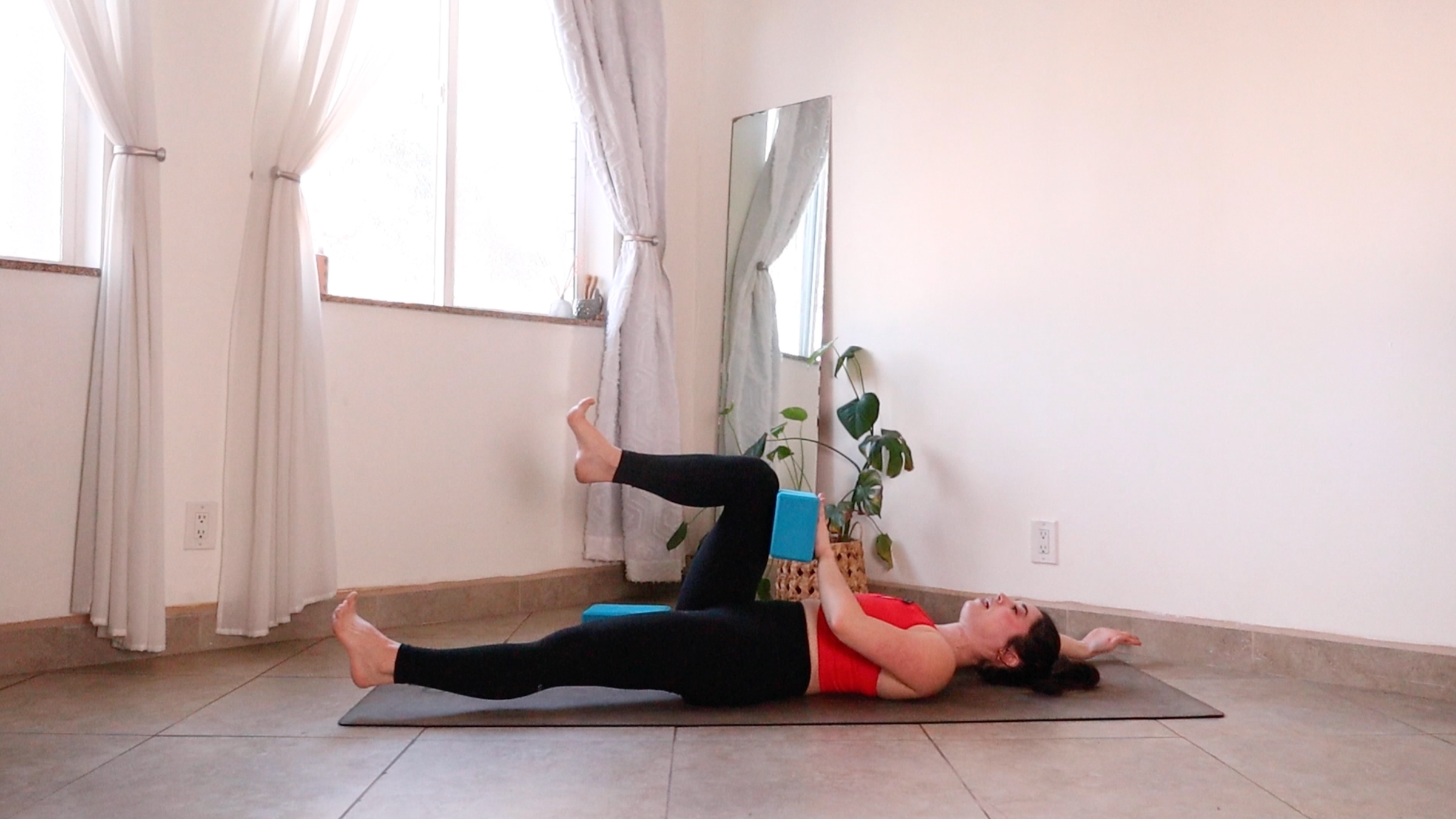
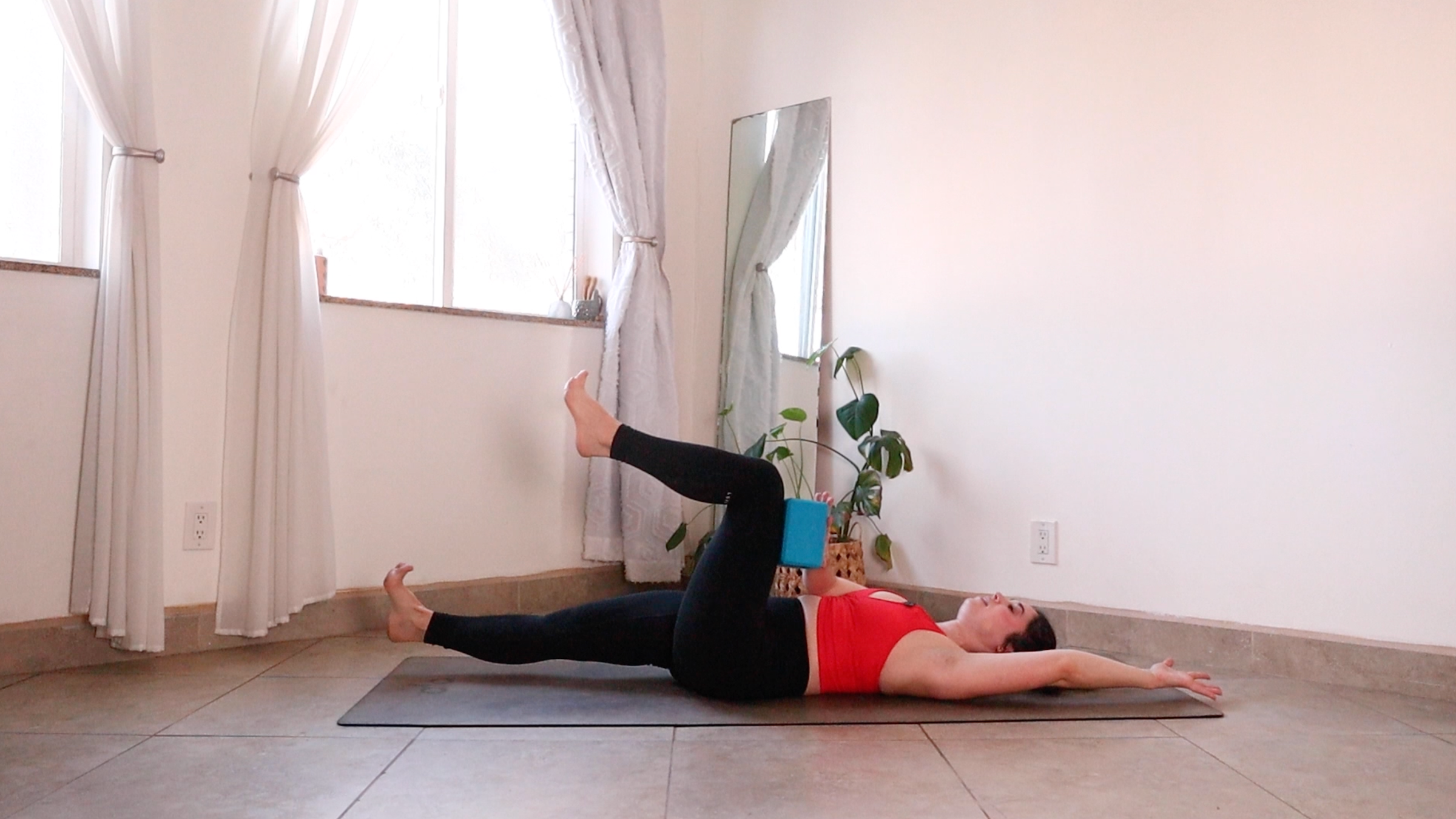
This exercise targets the obliques and the stability of the pelvis. With your shins parallel to the mat, place a block against your thighs and press your palms firmly into it, creating resistance. Inhale as you extend your left leg and right arm, keeping the block securely in place through the tension between your limbs. Exhale to return to center and repeat on the opposite side. Perform four sets per side, moving with the slow, controlled resistance of a high-intensity Pilates movement.
Chronology of a Focused Practice
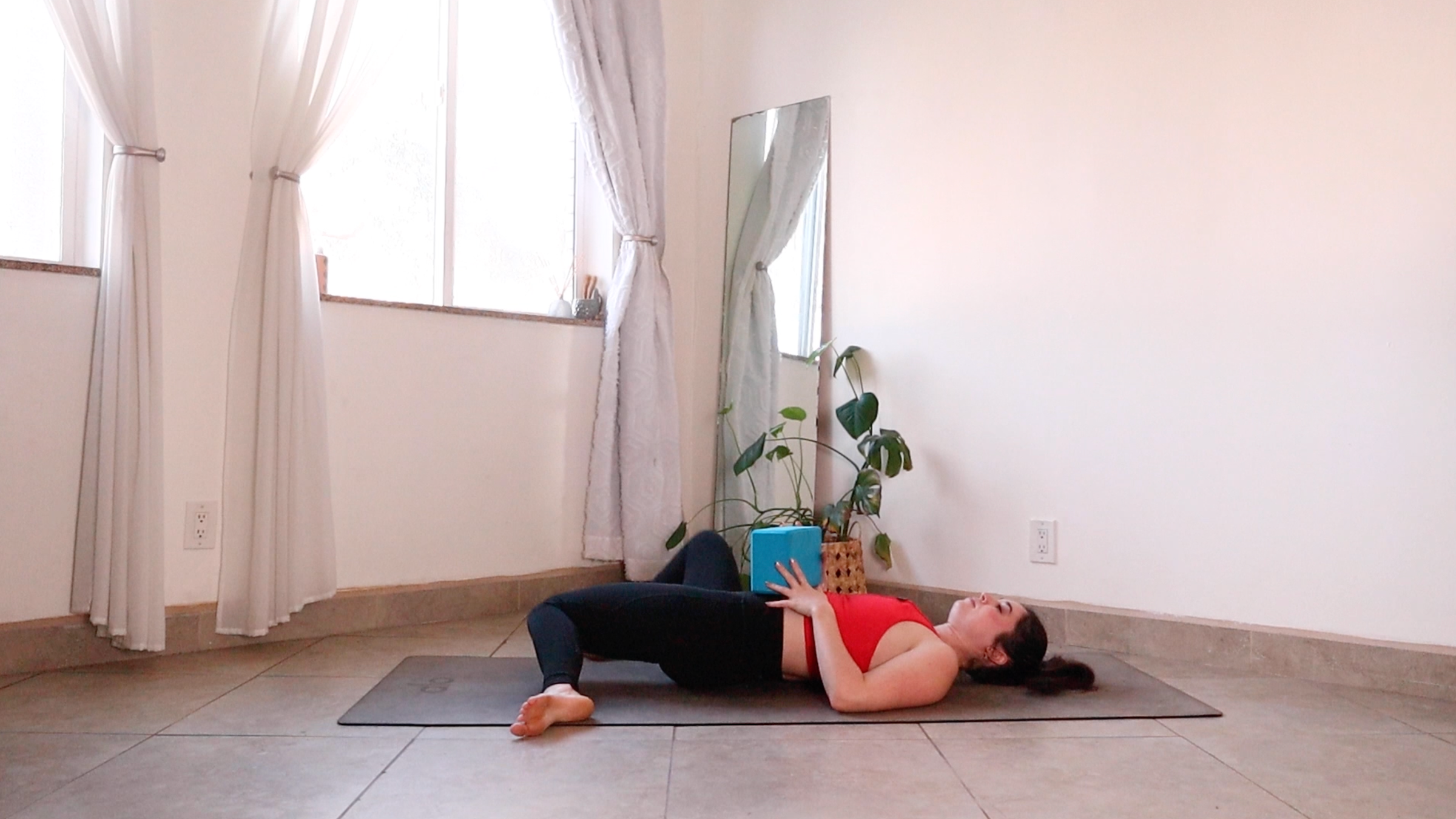
The efficacy of this sequence relies on a deliberate progression. By starting with the foundational Roll Down, the practitioner warms the spinal column and awakens the pelvic floor. The subsequent transition into Boat and Low Boat sequences tests the endurance of the core muscles. The inclusion of Dead Bug variations shifts the focus toward rotational stability, an essential component for any twisting asana. The session concludes with the Triple Crunch and Triple Crunch Twist, which isolate the upper abdominals and obliques, respectively.
Supporting Data: The Anatomy of Engagement
According to biomechanical principles in yoga, the use of props like blocks serves as a form of "proprioceptive feedback." When a muscle is asked to squeeze an object, the brain receives increased sensory input, which leads to higher levels of motor unit recruitment.
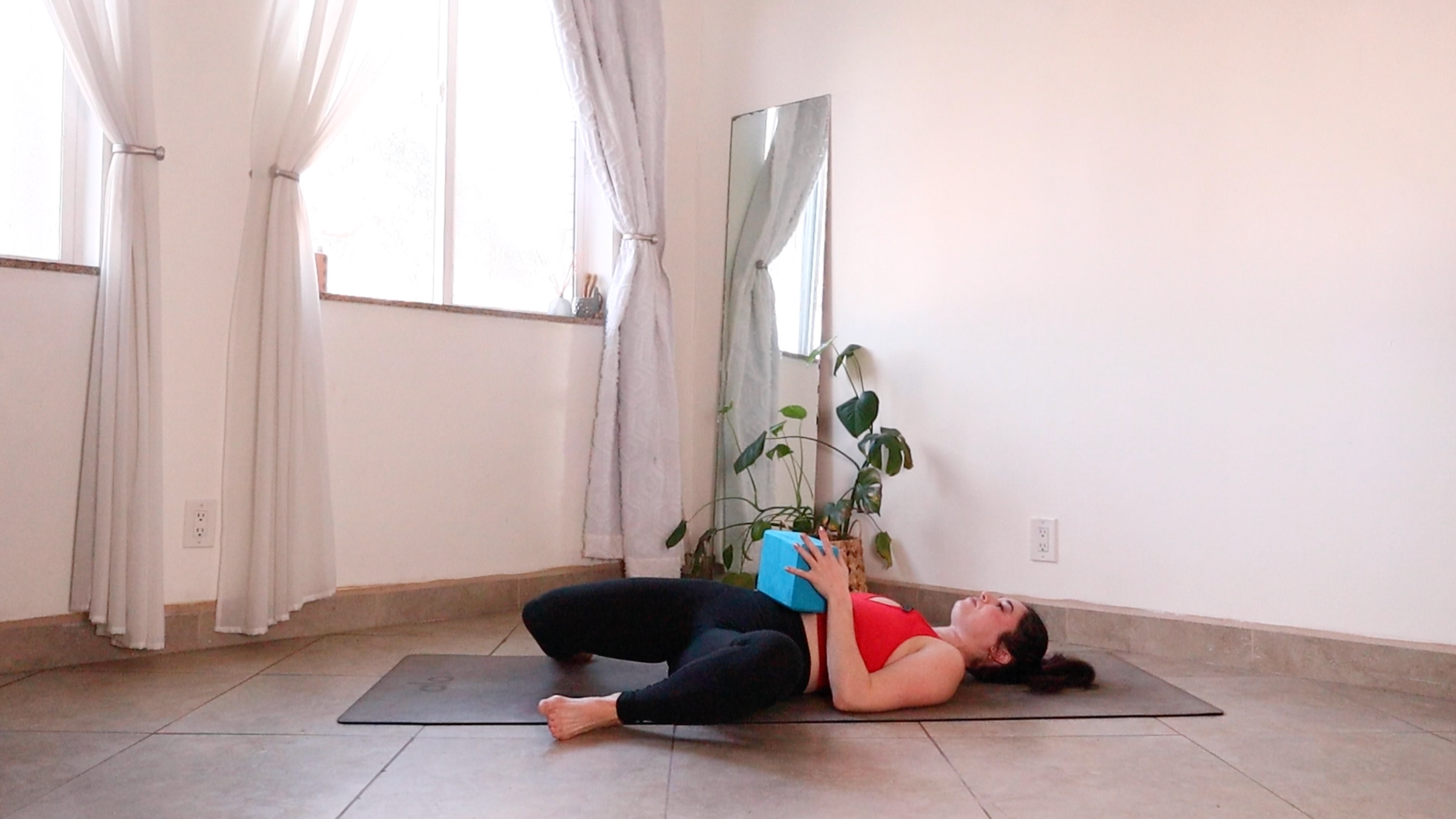
- The Adductor Connection: Engaging the inner thighs via a block has been shown to stabilize the pelvis, which reduces excessive tilting and protects the sacroiliac joint.
- The Diaphragmatic Breath: By holding a core-engaging pose, the practitioner is forced to breathe into the ribcage, strengthening the diaphragm and improving oxygen exchange.
- Sequential Loading: The move from Boat to Low Boat creates an eccentric load on the abdominal muscles, which is proven to be more effective for building functional strength than purely concentric movements.
Expert Perspective: The Philosophy of LeGrand
Daria LeGrand emphasizes that this is not a "workout" in the traditional sense, but a practice of internal listening. "When you cultivate strength, you are not just building muscle," LeGrand notes. "You are building a resilient nervous system. When the body is steady, the mind becomes quiet."
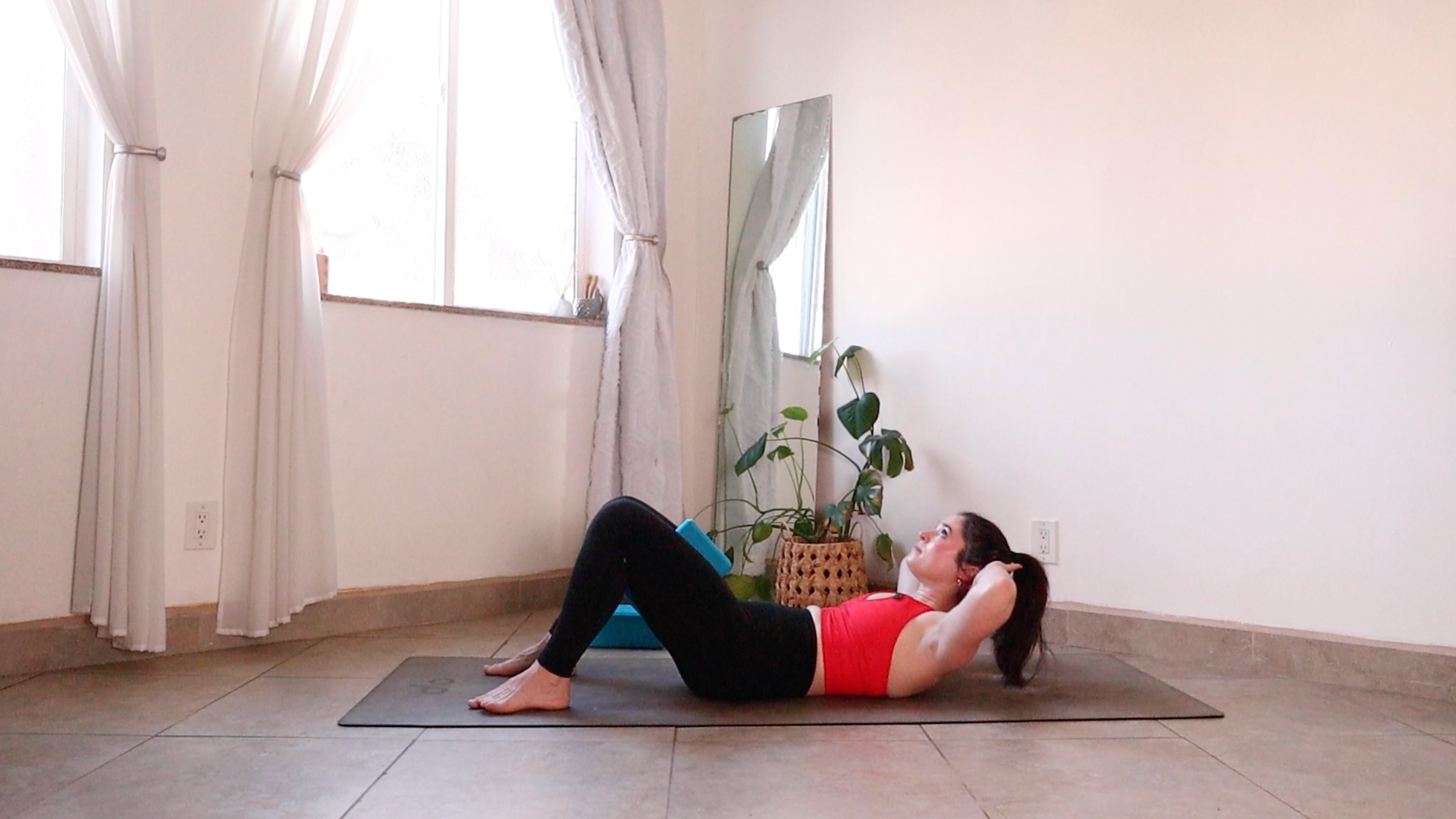
LeGrand’s approach avoids the "no pain, no gain" mentality, favoring a "no tension, no awareness" philosophy. By incorporating short, sharp exhalations during the Triple Crunch segments, practitioners can utilize the Ujjayi or Kapalabhati breathing techniques to clear the mind and sharpen their focus.
Implications for Daily Life
The benefits of this core-centric practice extend far beyond the yoga studio. A strong core serves as the primary support system for the spine, which is the most frequent site of chronic pain in modern sedentary populations.
- Posture Correction: A engaged core prevents the habitual "slouching" that occurs during long hours of computer work.
- Increased Energy: When the body is properly aligned, less energy is wasted on holding the frame together against gravity, leading to increased vitality throughout the day.
- Emotional Resilience: In yoga philosophy, the core is often associated with the Manipura Chakra, the center of self-esteem and willpower. A physically strong center often translates to a more confident and assertive presence in one’s professional and personal life.
Closing the Loop: Integration and Restoration
No practice is complete without restoration. The sequence concludes with Cobra Pose to gently stretch the abdominal wall that was just worked, followed by Child’s Pose to calm the nervous system.
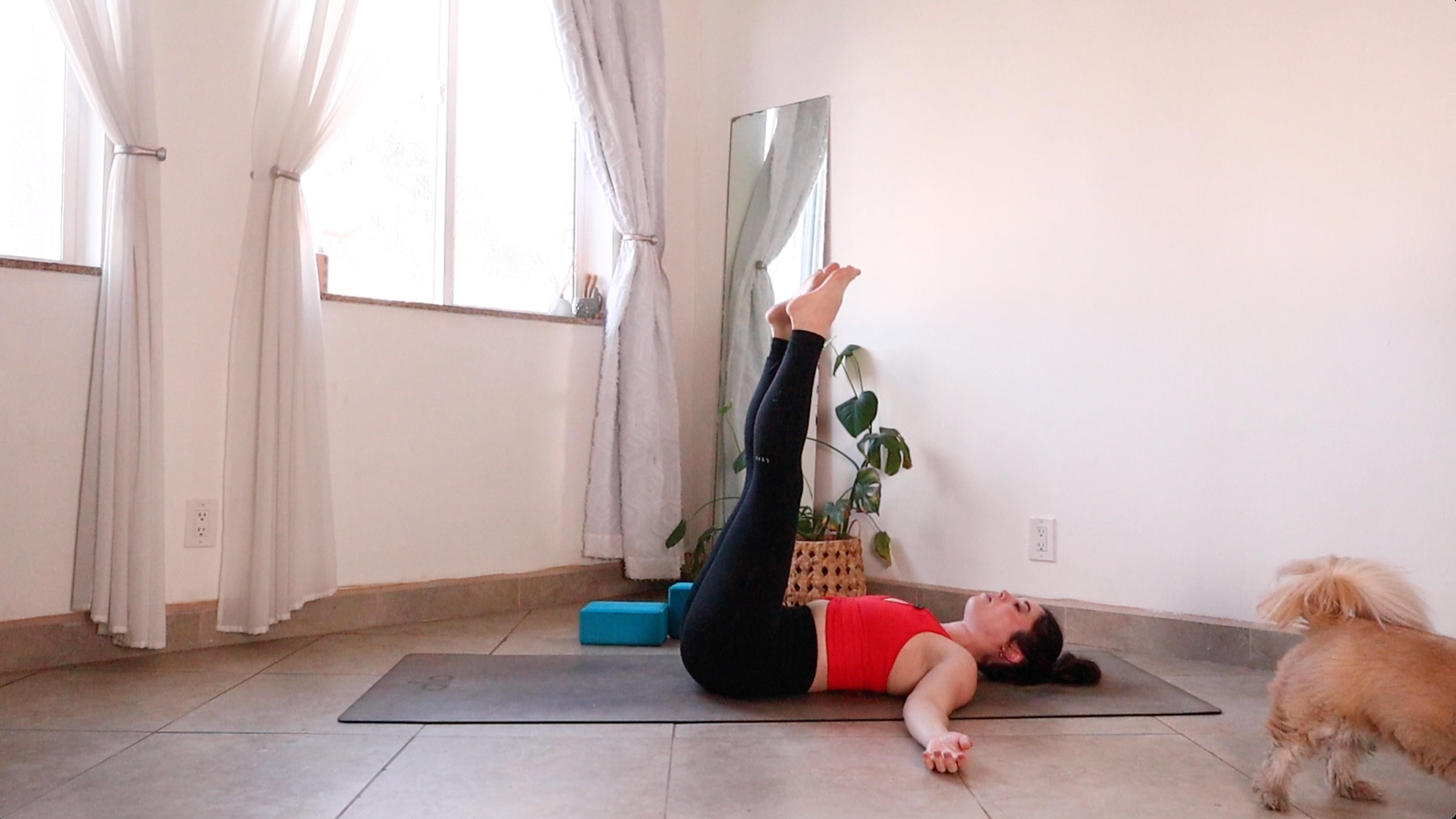
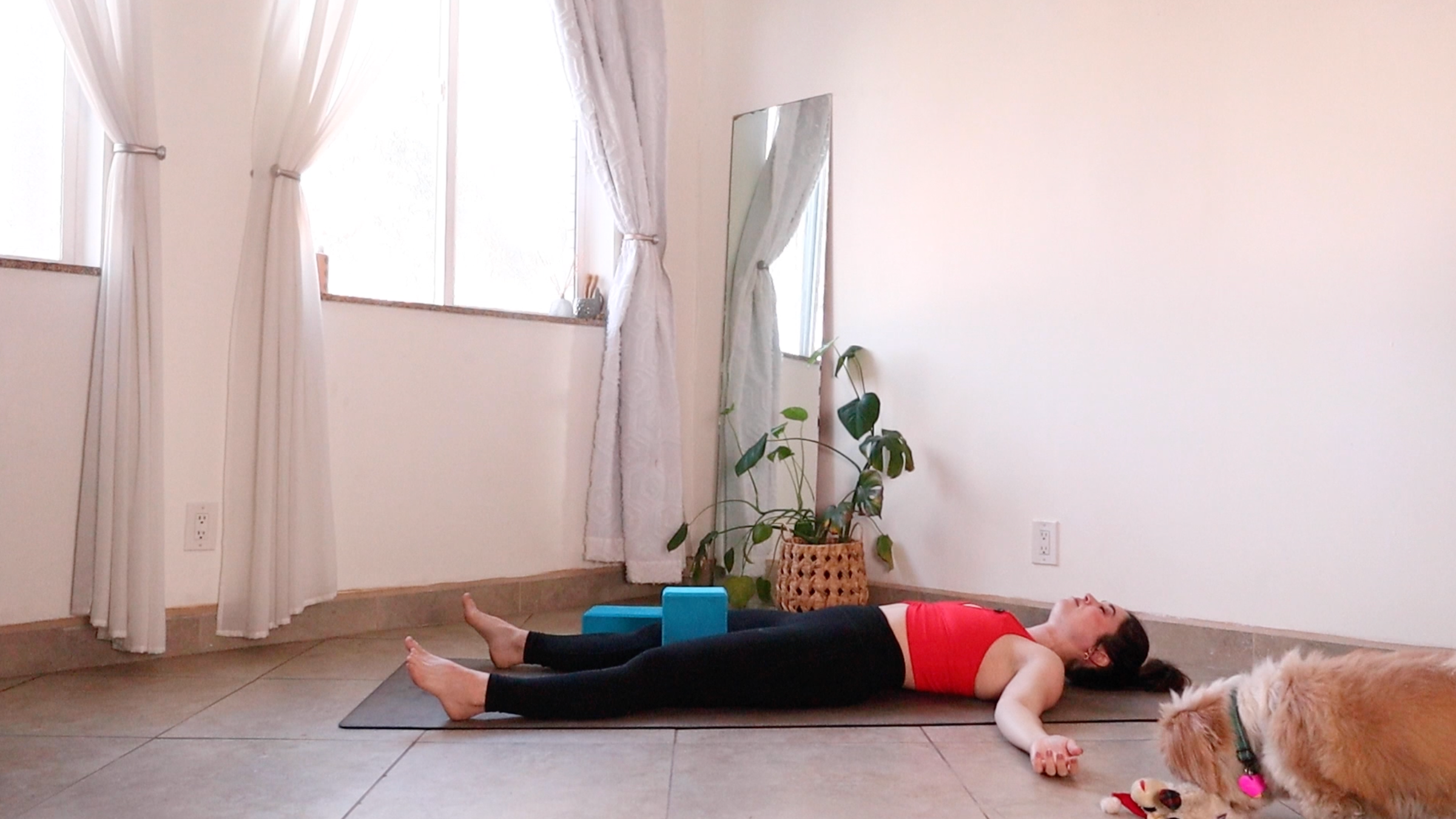
Ending in Savasana allows the body to integrate the work performed. By the time the practitioner rises, they are not only physically stronger but mentally centered. This practice invites you to thank yourself for the time invested. As you move through your day, notice how your core carries you—the way you sit at your desk, the way you stand in line, and the way you breathe when faced with a challenge. You are not just a body; you are a center of gravity, held together by strength and guided by your breath.