




For many individuals over the age of 60, the nuances of walking—the way the foot transitions from heel-strike to toe-off—often undergo a subtle, yet noticeable, change. You may feel a slight "flatness" in your stride, a loss of the elastic snap that once propelled you forward with ease. This phenomenon is not merely a sign of aging; it is a direct consequence of reduced calf musculature and ankle stability.
The calf complex, primarily the gastrocnemius and soleus muscles, acts as the powerhouse of human locomotion. When these muscles lose tone, the entire kinetic chain—from the ankles up to the hips—is forced to compensate. Fortunately, the solution is not found in high-intensity gym equipment or complex machinery, but in one of the most foundational movements in human physiology: the heel raise.
The Science of the Stride: Why Calf Health Matters
The importance of calf strength cannot be overstated as we age. Research consistently indicates that lower-leg strength is a primary predictor of gait speed and balance, both of which are critical metrics for long-term health. When the push-off phase of a stride becomes weak, the body loses efficiency. This leads to increased fatigue, a higher risk of tripping, and a tendency to shuffle rather than walk with a purposeful, rolling motion.
The heel raise is a functional movement that replicates the mechanics of walking. By strengthening the lower legs, you aren’t just building muscle; you are recalibrating your body’s ability to stabilize the ankle joint. This simple, repetitive action improves proprioception—the body’s ability to sense its position in space—which is vital for fall prevention.
Chronology of the 7-Day Calf Rejuvenation Plan
This seven-day challenge is designed to introduce progressive load and varied stimuli to the lower leg muscles, ensuring that your muscles adapt without the risk of overtraining or burnout.
Before Day 1: Establishing the Baseline
Before embarking on the challenge, it is essential to establish proper form.
- Setup: Find a sturdy wall, countertop, or the back of a heavy chair. Use this for light balance support, not as a crutch.
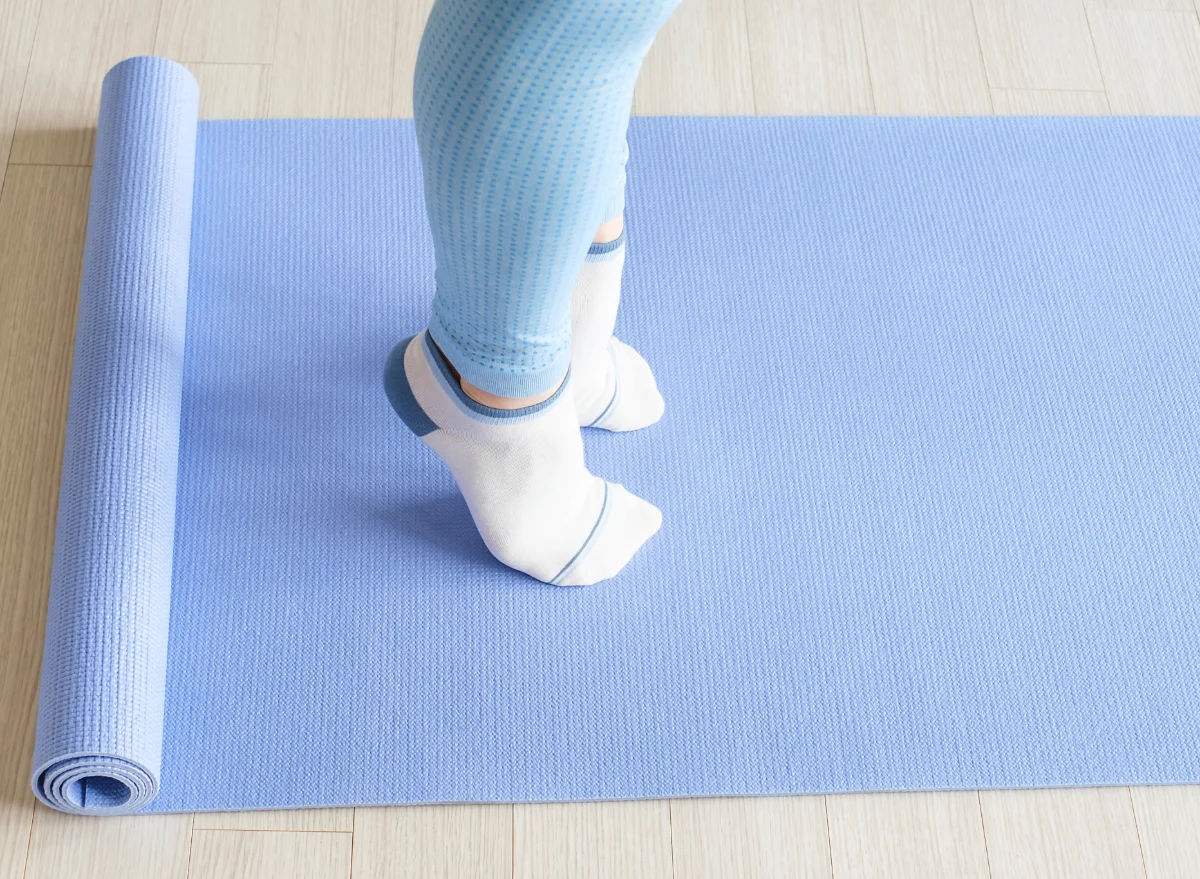
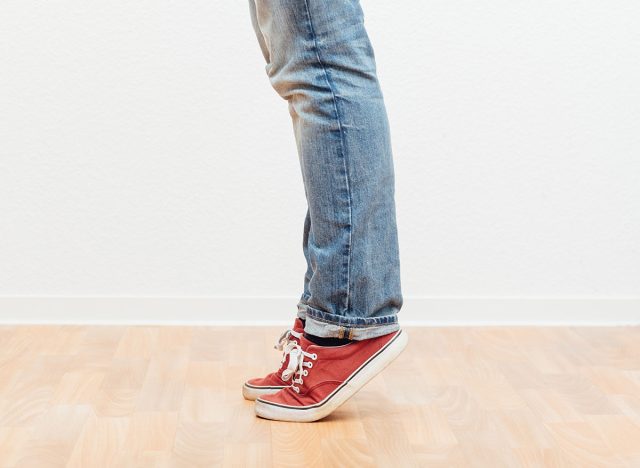
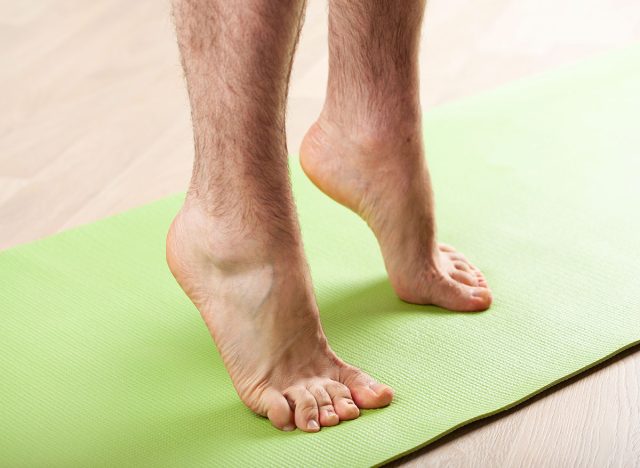
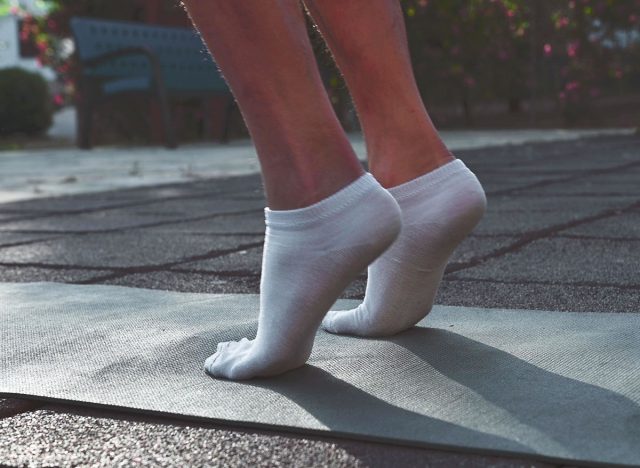
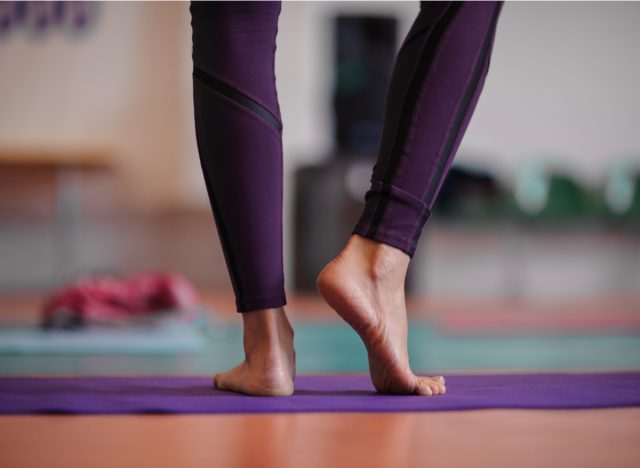
- The Movement: Stand with feet hip-width apart. Keeping your weight distributed evenly across the balls of your feet, rise onto your toes. Ensure your ankles do not roll outward (supinate) or inward (pronate).
- Execution: Rise with a steady tempo, hold the apex of the movement for one second, and descend with complete control.
Day 1: The Foundational Rhythm
The goal of Day 1 is habit formation. Perform 3 sets of 10 repetitions. Focus on the mind-muscle connection. If you feel one calf working harder than the other, adjust your stance to ensure even pressure.
Day 2: Integrating the Isometric Hold
Isometrics are a secret weapon for those over 60. By adding a 2-second pause at the top of every repetition, you force the muscle fibers to engage under tension, which improves endurance and neurological recruitment. Perform 3 sets of 10 with a 2-second hold at the peak.
Day 3: The Eccentric Challenge
The lowering phase (eccentric movement) is where much of the strengthening occurs. On Day 3, perform 3 sets of 8 to 10 repetitions, taking a full 3 seconds to lower your heels to the ground. This deliberate, slow movement builds significant control and tendon resilience.
Day 4: Addressing the Deep Calf (Bent-Knee)
Many people focus only on the gastrocnemius, but the soleus (the deeper muscle) is vital for endurance. By performing 3 sets of 10 heel raises with slightly bent knees, you isolate the soleus. You will notice the range of motion is smaller; this is normal and expected.
Day 5: Asymmetrical Loading
Balance is a key component of gait. On Day 5, perform 3 sets of 8 staggered-stance heel raises per side. Place one foot slightly behind the other, allowing the rear leg to take the majority of the weight. This prepares the ankles for single-leg stability.
Day 6: The Hold Ladder
Day 6 introduces a fatigue-management protocol. Perform a sequence of 10 repetitions followed by a 10-second hold, repeating this for 2 to 3 rounds. This forces the calves to handle both dynamic movement and static load, mimicking the varied demands of daily walking.
Day 7: The Final Assessment
Return to the basic form practiced on Day 1. Perform 2 rounds of 15 repetitions. By now, you should notice a decrease in ankle wobbling and a more fluid, controlled movement. If your form remains perfect, you are ready to transition this into your daily wellness routine.
Supporting Data: The Role of Ankle Stability
Clinical studies have highlighted that age-related decline in ankle power is a primary contributor to "gait speed decay." A study published in Gait & Posture noted that individuals who maintained consistent calf-strengthening routines reported a 20% improvement in "push-off" force compared to those who remained sedentary.
Furthermore, the American College of Sports Medicine (ACSM) emphasizes that for adults over 60, resistance training involving the lower extremities is essential for maintaining bone mineral density in the feet and ankles. By applying constant, controlled stress to the calf muscles, you are effectively signaling your body to fortify the surrounding connective tissues, which helps mitigate the risk of common issues like plantar fasciitis or Achilles tendinitis.
Professional Perspectives on Longevity
Physical therapists and sports performance coaches alike agree that the "simplicity" of the heel raise is its greatest strength. According to experts in geriatric kinesiology, the most common error in training for seniors is the pursuit of "intensity" over "consistency."
"The goal is not to exhaust the muscle to the point of failure," notes certified coach Jarrod Nobbe. "The goal is to reinforce the movement pattern. When you teach the ankle to stabilize and the calf to push, you are teaching the body how to walk again with the confidence of a younger person."
Implications for Daily Living
The benefits of this 7-day protocol extend far beyond the few minutes you spend by the counter each day.
- Improved Gait Efficiency: A stronger calf allows for a longer, more efficient stride, reducing the energy expenditure required to walk long distances.
- Fall Prevention: Greater ankle stability means you are less likely to stumble on uneven surfaces. Your brain receives better feedback from your feet, allowing for micro-adjustments in balance.
- Reduced Joint Pain: By strengthening the calves, you reduce the load on the knees and hips. When the foot and ankle absorb force correctly, the upstream joints are spared the excessive impact that often leads to chronic pain.
Moving Forward: Beyond the 7 Days
Once you have completed this week-long challenge, the key to lasting results is integration. You do not need to spend hours in a gym to keep these gains. Consider these strategies to maintain your progress:
- The "Toothbrush Rule": Perform 20 heel raises every time you brush your teeth in the morning and evening.
- Progressive Loading: If the bodyweight version becomes too easy, hold a light dumbbell or a heavy book in one hand while using the other for balance.
- Daily Walking: Use the newfound strength in your calves to improve your walking posture. Focus on a heel-to-toe roll with every step you take during your daily commute or walk.
By prioritizing these small, intentional movements, you are making a profound investment in your mobility. The goal of aging well is not to stop moving, but to move with intention, grace, and strength. With a stronger foundation in your lower legs, the world—and the activities you love—remain well within your reach.