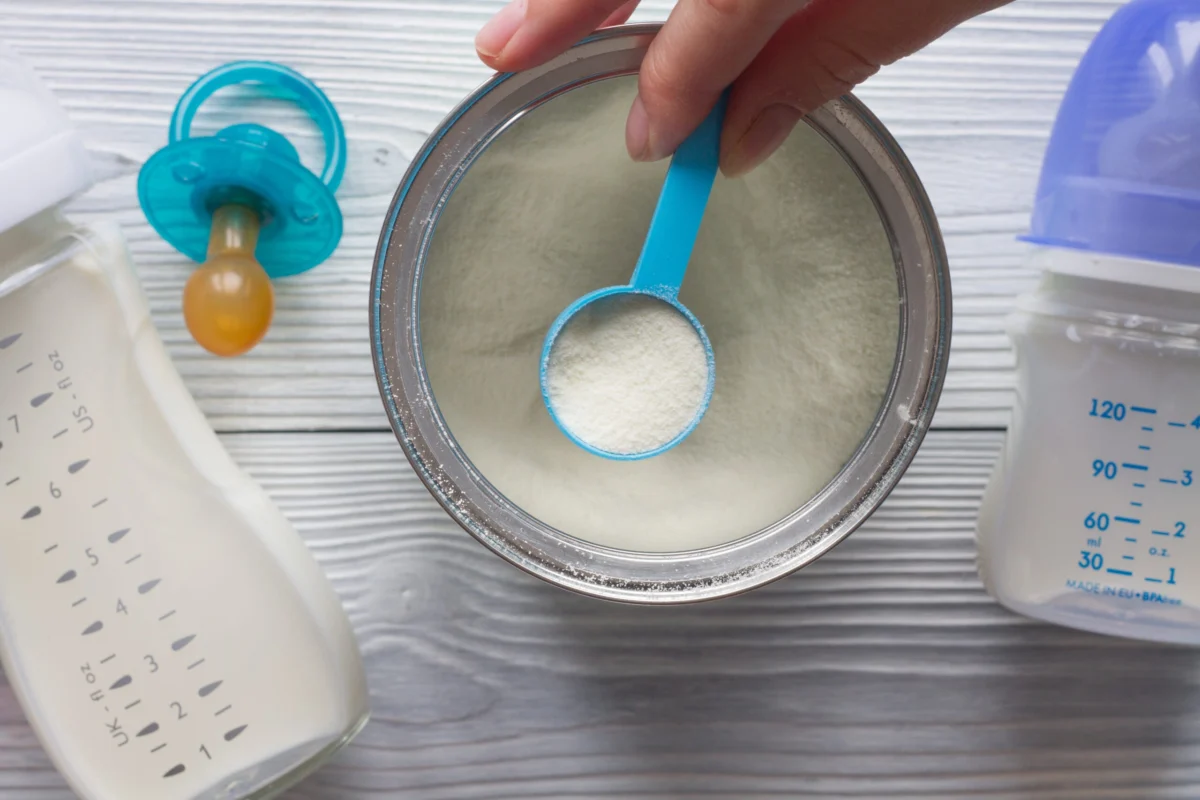
The sight of empty shelves in the baby aisle is a visceral nightmare for any parent. For millions of families across the United States, the past two years have been defined by an agonizing search for a staple that is not merely a convenience, but a biological necessity: infant formula. While the immediate panic of the recent shortage has subsided, the event serves as a harrowing case study in the fragility of the American food supply chain and the systemic vulnerabilities facing new parents.
As the nation reflects on these disruptions, it is clear that infant formula is not a discretionary commodity. It is a vital nutritional lifeline for infants when human milk is unavailable, insufficient, or clinically contraindicated. The crisis has forced a national conversation on breastfeeding support, manufacturing concentration, and the role of government in protecting the most vulnerable consumers.
The Anatomy of a Shortage: Main Facts
The infant formula shortage was not triggered by a single event, but rather a “perfect storm” of macro-economic pressures and localized industrial failure. At its core, the crisis was ignited by supply-chain bottlenecks—a lingering symptom of the global COVID-19 pandemic. Manufacturers struggled with labor shortages, difficulty in procuring raw ingredients, and volatile logistics, all of which tightened an already consolidated market.
The situation reached a breaking point in early 2022 following the temporary closure of a major production facility in Sturgis, Michigan, owned by Abbott Nutrition. This closure, prompted by safety concerns following reports of bacterial contamination and subsequent infant illnesses, triggered a domino effect. Because the U.S. infant formula market is highly concentrated—with a handful of companies controlling over 90% of the supply—the loss of even a single plant decimated the nation’s available stock.
For parents, the reality was stark: they were faced with rationed purchases, price gouging on secondary markets, and the anxiety-inducing prospect of having to switch their infants to unfamiliar, potentially unsuitable brands.
A Chronology of the Crisis
The road to the 2022 crisis was paved with years of systemic reliance on a handful of large-scale manufacturers.
- 2020–2021 (The Pandemic Onset): Initial supply chain disruptions began as global shipping lanes stalled. Parents saw intermittent shortages, but the system largely absorbed the shocks.
- February 2022: The FDA issued a recall for specific powdered infant formulas produced at the Abbott Nutrition facility in Michigan. This came after reports of Cronobacter sakazakii and Salmonella infections in infants.
- Spring 2022: The recall, combined with existing supply chain strains, led to a catastrophic decline in inventory. Retailers began limiting the number of units customers could purchase.
- May 2022: The crisis moved from a retail problem to a national emergency. The federal government invoked the Defense Production Act to expedite raw material delivery and initiated "Operation Fly Formula," using military aircraft to import millions of cans of formula from international manufacturers.
- Late 2022–2023: Production slowly normalized, but the scars on the supply chain remained. The industry and regulators began the arduous process of implementing long-term safeguards to ensure such a concentration of risk would not recur.
Supporting Data: Why Formula is Essential
To understand the severity of the shortage, one must understand the demographics of infant feeding in the U.S. According to data from the Centers for Disease Control and Prevention (CDC), while breastfeeding rates are rising, a significant percentage of American infants rely on formula by the six-month mark.
The necessity of formula is often misrepresented as a choice. In reality, it is a medical and socioeconomic necessity for millions:
- Workplace Barriers: Many mothers return to the workforce shortly after birth without adequate access to lactation rooms or flexible pumping schedules.
- Health Considerations: Infants with metabolic disorders, such as galactosemia, or severe gastrointestinal conditions, require specialized, hypoallergenic, or elemental formulas that cannot be substituted with breast milk or alternative cow-milk-based products.
- Physical Limitations: Some parents face physiological hurdles that make breastfeeding impossible or insufficient, necessitating the availability of safe, standardized formula.
The market’s high concentration—where three companies account for approximately 95% of the market—means that if one player stumbles, there is no “safety net” of smaller, regional producers to fill the gap.
Official Responses and Regulatory Shifts
The federal government’s response to the crisis was characterized by a rapid, if reactive, mobilization. The Biden Administration’s use of the Defense Production Act was a rare move for the food industry, highlighting the gravity of the situation.
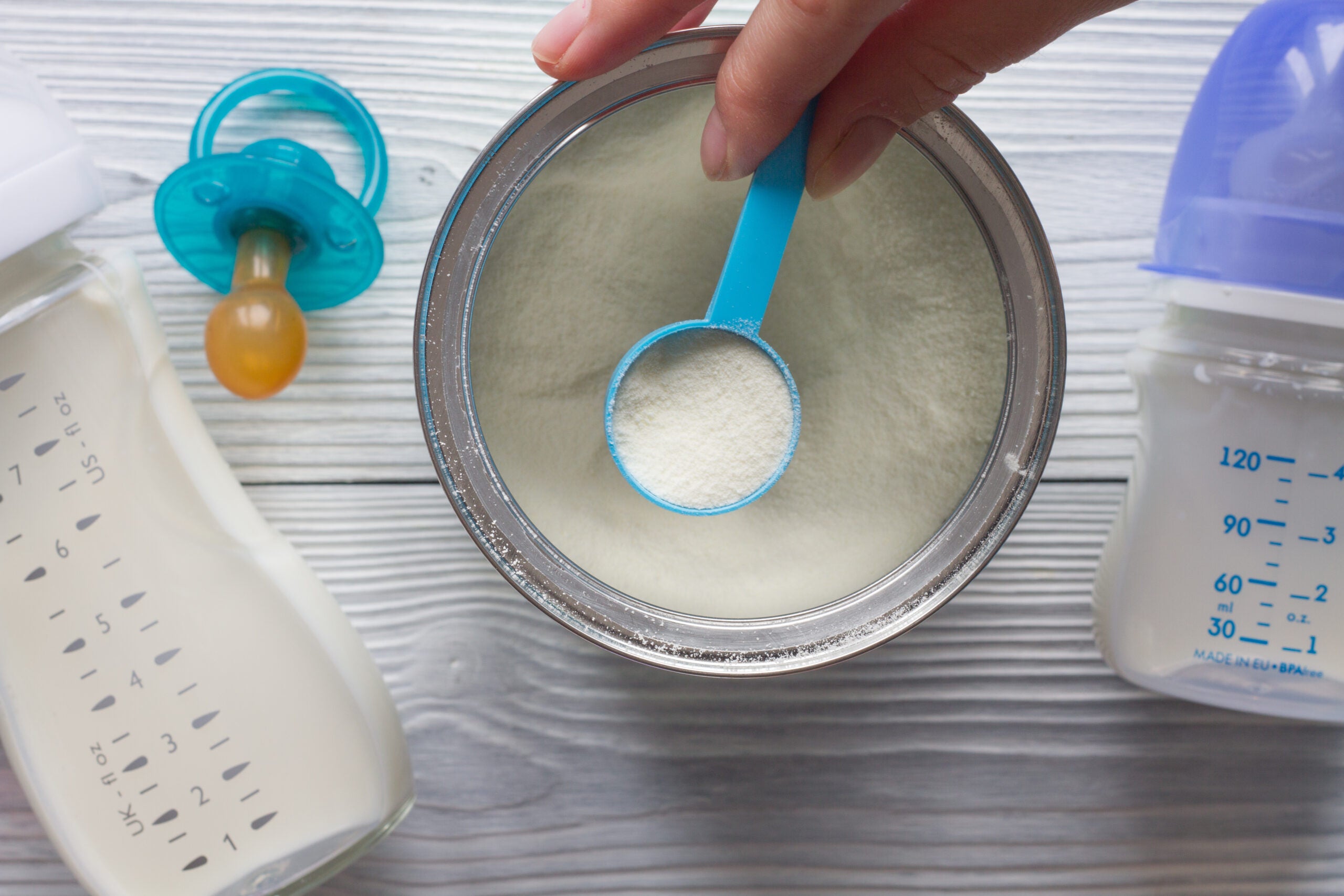
The Food and Drug Administration (FDA) faced intense scrutiny during congressional hearings. Critics argued that the agency was slow to respond to initial whistleblower reports at the Michigan facility. In response, the FDA has undergone an internal restructuring, creating a new Human Foods Program to improve oversight and speed up response times for future contamination scares.
Furthermore, the Department of Agriculture (USDA) took steps to provide more flexibility to families participating in the Special Supplemental Nutrition Program for Women, Infants, and Children (WIC). Since many states have exclusive contracts with specific formula manufacturers, WIC recipients were initially hit hardest by the shortage. The temporary waivers allowed families to use their benefits for whatever brand was available on the shelf, a policy change that many advocates are pushing to make permanent.
Implications for the Future
The infant formula crisis serves as a wake-up call for public health and industrial policy. The path forward, as outlined by experts in the American Journal of Clinical Nutrition, suggests a fundamental shift in how we manage the production of essential infant nutrition.
1. Diversification of Manufacturing
The U.S. must incentivize a more diverse manufacturing base. By reducing reliance on a few "mega-factories," the industry can build redundancy. Smaller, regional production facilities could serve as critical buffers during supply chain disruptions.
2. Strengthening Global Trade
The crisis proved that the U.S. market cannot exist in a vacuum. Establishing streamlined, permanent pathways for the importation of safe formula from countries with equivalent regulatory standards (such as those in the European Union) is essential to ensure that the domestic supply can be bolstered in times of emergency.
3. Investment in Lactation Support
While formula is a vital tool, public health experts emphasize that we must also address the reasons why breastfeeding is not always feasible. This includes mandatory paid parental leave, better access to board-certified lactation consultants, and structural changes in the workplace that accommodate the needs of nursing mothers.
4. Robust Monitoring Systems
Future policy must include better real-time monitoring of inventory levels. Had the government possessed an earlier, clearer view of the impending stockouts, the response could have been proactive rather than reactive.
Conclusion: A New Standard of Vigilance
The infant formula crisis was a defining moment for modern American parenting. It stripped away the illusion of an infinite, resilient supply chain and revealed the vulnerability of families who depend on commercial products for their children’s survival.
Moving forward, the goal is not merely to "get back to normal." The goal is to build a system that is resilient enough to withstand the inevitable shocks of the 21st century. By diversifying the supply, streamlining regulatory oversight, and providing better support for all forms of infant feeding, the U.S. can ensure that no parent is ever forced to face the terror of an empty shelf again. The health of the next generation depends on the systemic decisions we make today.