In the complex world of nutritional science, where dietary guidelines shape public policy and individual health choices, the origin of funding has long been a subject of intense scrutiny. A groundbreaking new meta-research review, published in the journal Obesity Reviews, has provided empirical weight to a long-standing suspicion: industry sponsorship in nutrition research is not a neutral act, but a significant driver of favorable outcomes.
Led by Navid Teimouri of the School of Public Health at the University of Queensland, the study, titled “Is Meat Industry Affiliation Associated With Study Conclusion in Nutrition Research? A Meta-Research Review,” offers a rigorous examination of the relationship between corporate interests and scientific findings. By analyzing 500 studies concerning meat consumption and health outcomes, the research team has quantified a phenomenon often referred to by experts as the “funding effect.”
The Anatomy of the “Funding Effect”
The term “funding effect,” popularized by the late Sheldon Krimsky—a prominent philosopher and scholar of science—describes the systematic bias toward results that align with the financial interests of a study’s sponsor. While often associated with the pharmaceutical industry, where clinical trials are frequently funded by drug manufacturers, the phenomenon is increasingly recognized as a pervasive issue in food and nutrition science.
The study by Teimouri et al. serves as a definitive case study in this field. By evaluating 500 individual research papers, the authors sought to determine whether the financial or institutional involvement of the meat industry acted as a reliable predictor of the study’s ultimate conclusion. The results were stark: of the 500 studies reviewed, 78 (15.6%) disclosed some form of industry involvement. When the data was crunched, the researchers found that studies with industry ties were an astonishing 16 times more likely to report conclusions favorable to meat consumption compared to those without such affiliations.
Chronology of the Research and Meta-Analysis
The emergence of this study follows years of growing concern regarding the integrity of nutrition research. The timeline of this academic inquiry can be traced back to the broader movement for transparency in science:
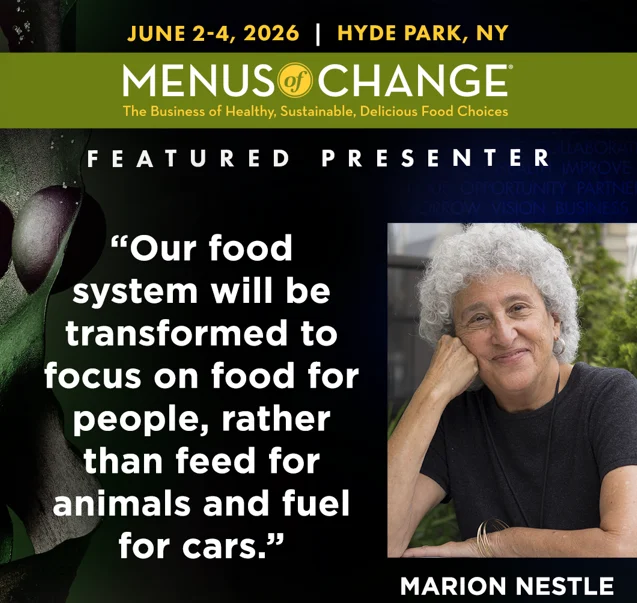
- Pre-2010s: Early skepticism regarding the independence of food science begins to mount, with scholars like Marion Nestle and Sheldon Krimsky publishing works exposing how industry funding can subtly skew study design and interpretation.
- 2018: The publication of Unsavory Truth: How Food Companies Skew the Science of What We Eat synthesizes the available data, highlighting that while the percentage of industry-funded nutrition research is relatively small, its influence is disproportionately high.
- 2023-2024: Navid Teimouri and his team at the University of Queensland embark on a systematic review, aiming to quantify the “funding effect” specifically within the meat sector, an industry that has faced mounting public health scrutiny regarding its impact on cardiovascular disease, cancer, and climate change.
- Late 2024: The study is published in Obesity Reviews, confirming that the correlation between industry funding and positive outcomes for meat products is statistically significant (p < 0.001), with an odds ratio of 16.4.
Supporting Data: By the Numbers
The methodology utilized by Teimouri’s team was robust, involving a meta-research review that filtered 500 distinct studies on the relationship between meat consumption and health. The statistical findings provide a clear picture of the disparity between independent and sponsored research:
- Total Studies Analyzed: 500
- Industry-Affiliated Studies: 78 (15.6%)
- Independent Studies: 422 (84.4%)
- Odds Ratio (OR): 16.4 (95% CI: 7.5–35.8)
- Statistical Significance: p < 0.001
The odds ratio of 16.4 indicates that a study with industry funding is sixteen times more likely to produce a result that suggests meat consumption is either neutral or beneficial to health, compared to a study lacking such ties. This statistical variance is far too large to be attributed to random chance, suggesting that the funding mechanism itself—either through selection bias, design manipulation, or reporting bias—is a primary driver of the conclusions.
The Mechanisms of Influence: How It Works
One of the central questions raised by this study is why industry funding leads to these results. The mechanism is rarely as crude as paying a researcher to lie. Instead, it often manifests in more subtle, systemic ways:
- Selection Bias: Companies are naturally disinclined to fund research that might demonstrate their products are harmful. By only funding studies that are likely to produce “safe” or “beneficial” data, the industry creates a curated body of literature.
- Design Bias: Researchers may be influenced to design studies that measure short-term outcomes rather than long-term health effects, or to use control groups that make the product in question appear more favorable.
- Publication Bias: If a study does not yield the results the sponsor was hoping for, it is significantly less likely to be published or widely disseminated.
- The “Conflict of Interest” Culture: Even with the best intentions, researchers may subconsciously align their interpretations of ambiguous data with the interests of their benefactors to ensure continued funding for their labs.
Implications for Public Policy and Consumer Health
The implications of these findings are profound. Nutrition research is the bedrock upon which national dietary guidelines, school lunch programs, and public health campaigns are built. When the underlying science is tainted by commercial bias, the public health consequences can be severe.
If policy decisions are based on a literature base that is artificially skewed toward favoring meat consumption, the population may be steered toward diets that increase the risk of chronic diseases. For the individual consumer, the “funding effect” creates a climate of confusion. When headlines fluctuate between “meat is essential for health” and “meat is a risk factor,” the public loses trust in nutritional science altogether.
The authors of the study emphasize that their findings underscore the need for “caution when interpreting research funded or associated with the meat industry.” They call for a stricter adherence to transparency standards, including more rigorous disclosure of funding sources and, ideally, a shift toward publicly funded or independently endowed research to ensure the integrity of public health advice.
The Response of the Scientific Community
The academic community has received the study as a critical piece of evidence in the ongoing debate over corporate influence in science. Critics of industry-funded research argue that the “funding effect” is not just a nuisance, but a fundamental threat to the reliability of science.
In the wake of this report, there is a renewed call for:
- Mandatory Conflict of Interest Declarations: While many journals already require this, there is a push to make such declarations more prominent and easier for the lay public to understand.
- Decoupling Funding from Research: Proponents suggest that industry funds should be directed into a “blind pool,” where the money is managed by an independent third party, thereby shielding the researchers from the direct influence of the donors.
- Enhanced Peer Review: Journals are being urged to subject industry-funded studies to a higher level of scrutiny during the peer-review process, specifically regarding the methodology and data handling protocols.
Conclusion: A Call for Scientific Integrity
The study by Teimouri et al. is not merely a critique of the meat industry; it is a vital reminder of the fragility of scientific objectivity. As the late Sheldon Krimsky noted, the corruption of science by private interest is one of the most significant challenges facing modern medicine and nutrition.
When food companies are allowed to act as the primary gatekeepers of what is considered “good science,” they naturally prioritize their bottom lines over the health of the population. The 16-fold increase in favorable conclusions found in this study provides the evidence needed to demand a change.
To restore public trust and ensure that dietary recommendations are based on the best possible evidence, the scientific community must confront the funding effect head-on. By minimizing conflicts of interest and prioritizing independent, transparent research, we can move toward a future where nutrition science serves the public good rather than corporate profit. The findings from the University of Queensland provide a roadmap for this necessary reform, serving as a cautionary tale for researchers, policymakers, and consumers alike.