










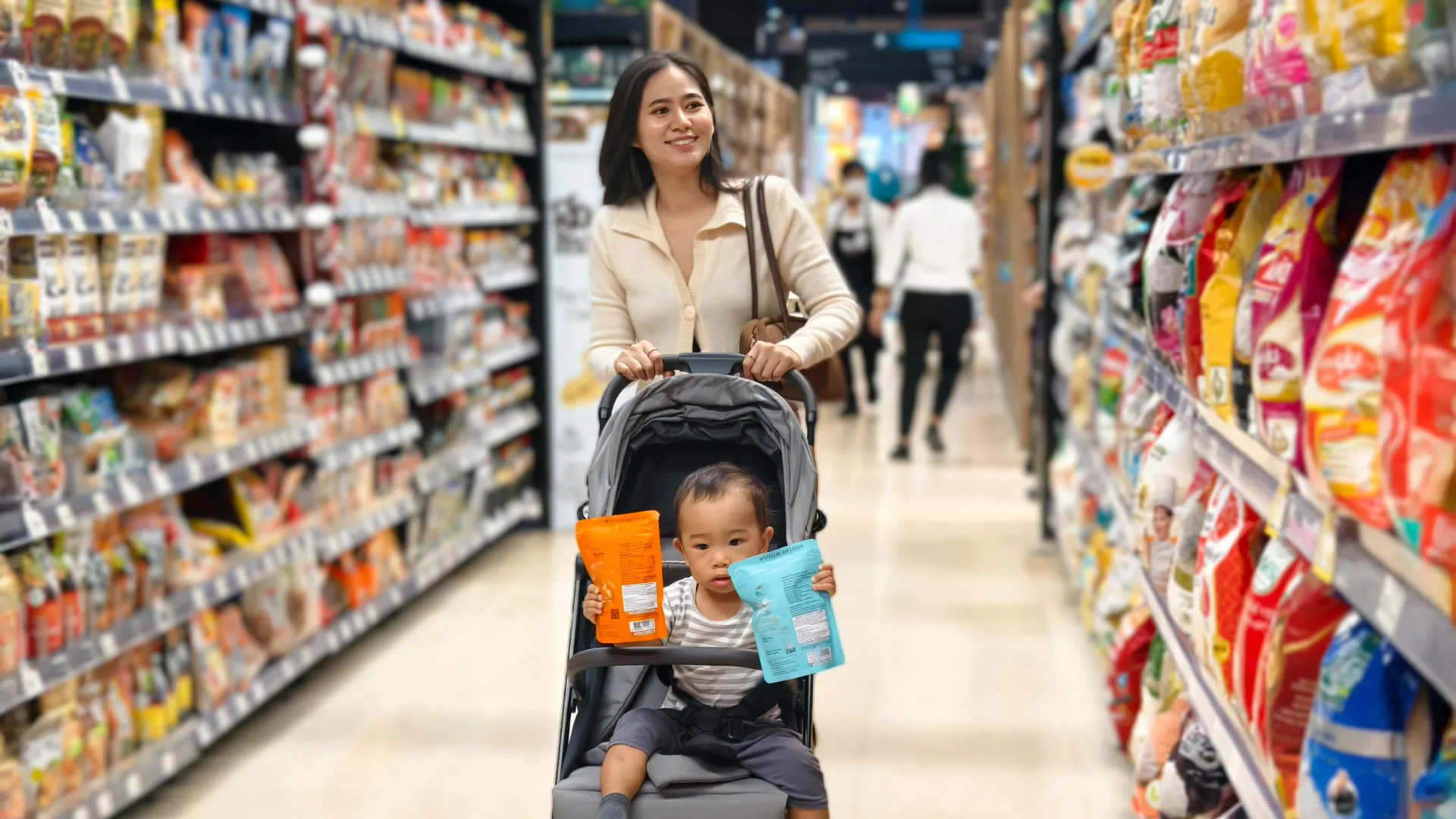
For parents, the grocery store toddler aisle is often viewed as a sanctuary of convenience—a place to find quick, shelf-stable nutrition for children during their most formative developmental years. However, a new, comprehensive study suggests that this aisle may be a minefield of ultra-processed products that fall far short of international health benchmarks.
New research presented at NUTRITION 2026, the American Society for Nutrition’s flagship annual conference, reveals that 81% of toddler foods sold in major Texas grocery stores are ultra-processed. Even more concerning, nearly half of these products—49%—failed to meet at least one nutrient benchmark established by the World Health Organization (WHO). As the U.S. Food and Drug Administration (FDA) mulls over stricter front-of-package labeling regulations, these findings underscore a growing disconnect between what parents expect from commercial baby food and what is actually being sold.
The Scope of the Problem: A Deep Dive into Grocery Shelves
The study, led by researchers at The University of Texas at Austin, provides a sobering snapshot of the American toddler food landscape. To gather their data, the team conducted a systematic analysis of 21 grocery stores in the Austin, Texas, area. They photographed and analyzed 2,783 individual products specifically marketed for children between the ages of 6 and 36 months.
Crucially, the researchers excluded infant formula, beverages, and standard fruit or vegetable purees, focusing instead on the snack and meal products that constitute a growing share of the modern toddler diet. Using the Nova classification system—the global gold standard for identifying the degree of food processing—the team found that the vast majority of these items fall into the "ultra-processed" category.
"Many parents may assume that products sold on the baby/toddler food aisles of their grocery stores have to meet certain stringent nutrient standards," says Erin A. Hudson, JD, an ASN Science Policy Fellow and PhD candidate at The University of Texas at Austin. "Our findings highlight that half of the toddler foods available in local grocery stores do not meet basic nutritional requirements. As a result, parents have to be incredibly vigilant in checking labels and ingredients to determine the nutrient content and processing level of products for their toddlers."
Chronology: From Market Shelves to Scientific Scrutiny
The journey of this research culminated at the NUTRITION 2026 conference held from July 25–28 in National Harbor, Maryland. However, the groundwork was laid months prior through meticulous field collection.
- Data Collection Phase: Researchers visited 21 distinct grocery locations in Austin, documenting the nutritional profiles of every relevant product on the shelf.
- Analytical Phase: The team cross-referenced these product profiles against the WHO Nutrition and Promotion Profile Model (NPPM), which sets global standards for the composition of commercial foods intended for young children.
- The Findings Presentation: On July 26, 2026, during the "Ultra-Processed Foods: Methodological Advancements" oral session at the Gaylord National Resort & Convention Center, Hudson presented the preliminary findings.
While the data has been reviewed by a committee of experts, the researchers maintain that these findings are preliminary, pending full publication in a peer-reviewed scientific journal. Despite this status, the implications have already sent ripples through the nutrition policy community.
Supporting Data: Where the Products Fail
The nutritional assessment revealed consistent failures across several critical metrics. The study found that 17% of products exceeded recommended sugar limits, 25% were too high in sodium, 11% had inadequate fat content, and 12% failed to meet energy density requirements.
The "offenders" identified by the study comprise many household staples found in pantry cabinets across America:
- Fruit Pouches: Often marketed as healthy alternatives, many were found to be excessively high in free sugars.
- Oat Bars: Frequently positioned as "wholesome," these were often high in both sugar and caloric density.
- Mac and Cheese/Turkey Sticks: These savory convenience foods were frequently flagged for excessive sodium and fat levels.
- Cheese Puffs and Peanut Butter Puffs: These snacks often hit the "trifecta" of being high in fat, calories, and sodium, with little fiber or micronutrient return.
The Nuance of Fat and Calories
The researchers were careful to clarify that "high fat" or "high calorie" does not always equate to "poor quality."
"Not all fat and calories are created equal," the study notes. Less-processed foods, such as those containing whole-food ingredients like peanuts, seeds, or lean meats, may have higher caloric density, but they also offer a complex nutrient profile that ultra-processed products lack. Ultra-processed items, by contrast, tend to deliver "empty" calories—sugar and refined fats—without the fiber, protein, or vitamins necessary for a growing child’s brain and body.
The Long-Term Health Implications
The toddler years are a critical window for physiological and psychological development. Early food choices don’t just provide immediate sustenance; they establish the flavor preferences and dietary patterns that define a child’s relationship with food for decades.
"What children eat during their toddler years can influence the flavors they prefer and the dietary patterns they follow later in childhood, with potential consequences for long-term health," the study explains.
There is an established scientific consensus that excessive sugar consumption in early childhood is detrimental, contributing to dental issues, metabolic dysregulation, and a predisposition toward obesity. While scientists are still investigating exactly which mechanisms in ultra-processed foods cause the most harm, the correlation between high ultra-processed food intake and negative health outcomes remains statistically significant. Even when controlling for basic nutrient profiles, the ultra-processed nature of these foods is independently linked to poor health markers.
Official Responses and the Call for Policy Reform
The timing of this study is significant. The U.S. Food and Drug Administration (FDA) is currently in the process of re-evaluating rules concerning front-of-package nutrition information. Currently, the United States is an outlier on the global stage; unlike many European and Latin American countries, the U.S. does not mandate warning labels on packaged foods that are high in sugar, sodium, or saturated fats.
Hudson argues that the lack of clear, standardized labeling places an unfair burden on parents. "Warning labels on products exceeding nutrient thresholds could help parents navigate the toddler food environment and might encourage manufacturers to reformulate these products," she suggests.
If manufacturers were required to display "high in sugar" or "high in sodium" labels on the front of packaging, it would serve two purposes: it would provide immediate, transparent information to busy parents, and it would create a financial incentive for companies to reduce these harmful additives to avoid the negative marketing implications of a warning label.
A Path Forward for Parents and Policy Makers
While the findings are concerning, the researchers acknowledge that the study has limitations. By focusing exclusively on packaged, shelf-stable foods, the research does not account for the entirety of a child’s diet. Many parents supplement these snacks with fresh, whole foods like steamed vegetables, fresh fruit, and home-prepared meals.
However, the study serves as a necessary wake-up call for the food industry and regulators alike. As long as ultra-processed products remain the most visible and convenient option in the grocery store, parents will continue to struggle to provide optimal nutrition.
For the average consumer, the message is clear: the label on the front of the box—which often uses buzzwords like "natural," "wholesome," or "toddler-friendly"—should not be taken at face value. The real story is hidden in the ingredients list and the nutrition facts panel.
As the FDA considers its next steps in consumer protection, the UT Austin study provides a compelling argument for mandatory, front-of-package transparency. For the health of the next generation, the convenience of the modern snack aisle must be balanced with the rigor of nutritional accountability. Until such labels become law, the responsibility remains with the consumer to navigate the complex, often misleading landscape of the toddler food aisle with skepticism and care.