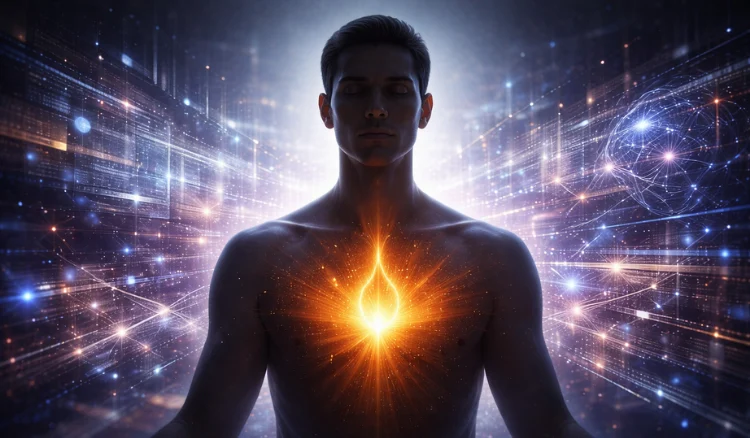
In an era defined by rapid technological advancement and a global wellness industry valued in the billions, the quest for physical and mental restoration has never been more prominent. From fleeting juice cleanses to high-intensity fasting regimens, the modern consumer is inundated with "detox" solutions. However, amidst this saturated market, one ancient practice stands apart as the gold standard of holistic purification: Panchakarma.
Rooted in the timeless wisdom of Ayurveda—the "science of life"—Panchakarma is not merely a diet or a temporary restriction. It is a sophisticated, personalized, and deeply systemic process designed to recalibrate the human body, mind, and spirit. As we explore this series on Ayurvedic wellness, we uncover why this ancient methodology remains the bedrock of genuine healing.
The Philosophical Foundations: Ayurveda as a Mirror of the Macrocosm
Ayurveda is one of the oldest healing sciences in human history, intuited by sages who viewed the individual as a mirror of the greater macrocosm. As renowned teacher Vasant Lad, BAM&S, MASc, frequently reminds his students, "You are the world and the world is you." This perspective posits that every element of our existence—our nutrition, environmental exposure, professional stressors, and social relationships—is an active participant in our health profile.
The Triad of Existence
In the Ayurvedic framework, health is not defined simply by the absence of disease. True vitality is the harmonious alignment of the body, the mind, and the spirit. To maintain this balance, Ayurveda identifies two primary modalities of support:
- Shamana (Palliative Care): This involves the pacification of the doshas (biological energies) through daily routines, mindful nutrition, yoga, pranayama (breathwork), and restful sleep. It is the maintenance phase of health.
- Shodhana (Cleansing): This is the therapeutic detoxification process. It targets the deep-seated tissues to clear physical and energetic channels, ensuring that prana (life force) can circulate without obstruction.
The Mechanism of Toxicity: Understanding ‘Ama’ and ‘Vikruti’
In modern society, our sensory organs are under constant bombardment. From environmental pollutants to psychological stimuli, these external factors frequently force us out of our prakruti (our natural, balanced state of being) into vikruti (a state of imbalance).
This imbalance often manifests as the accumulation of ama—a Sanskrit term referring to metabolic waste or toxins that settle deep within the bodily tissues. While many modern detoxes focus on the gastrointestinal tract, Panchakarma is distinct in its systemic approach. It does not just provide a temporary "reset"; it systematically extracts ama from deep cellular structures, brings it into the digestive tract, and safely eliminates it from the body.
The Panchakarma Process: A Chronology of Healing
Unlike "one-size-fits-all" commercial cleanses, a Panchakarma retreat is a highly individualized journey. Because no two human constitutions are identical, no two protocols are the same. The process generally follows a structured chronology:
1. The Pre-Cleanse (Purvakarma)
Before the actual removal of toxins, the body must be prepared. This phase involves specific dietary adjustments, herbal supplementation, and external oleation—using medicated oils to soften the tissues and loosen the ama. Without this preparation, the sudden mobilization of toxins could overwhelm the body’s detoxification pathways.
2. The Active Cleansing (Pradhana Karma)
This is the core of the Panchakarma experience. Depending on the individual’s unique state of imbalance, a practitioner may employ a variety of specialized treatments:
- Abhyanga: Therapeutic oil massages that facilitate the movement of toxins toward the gut.
- Bastis: Medicated enemas used to clear the colon and address deeper doshic imbalances.
- Topical Therapies: Specialized applications targeted at specific organs or tissue systems.
3. The Post-Cleanse (Paschatkarma)
After the detoxification is complete, the body is in a sensitive, "receptive" state. The final phase involves a carefully monitored reintegration of food and routine to restore the agni (digestive fire) and ensure the long-term sustainability of the results.
Supporting Data: Why Individualization is Key
The efficacy of Panchakarma lies in its rejection of generic health trends. While a fruit fast might offer a feeling of lightness by giving the digestive system a temporary break, it often ignores the underlying systemic imbalances that led to the toxic buildup in the first place.
Panchakarma operates on the principle of root-cause resolution. By utilizing medicinal herbs and oils tailored to the individual’s dosha—Vata, Pitta, or Kapha—the practitioner can address the root of the ailment rather than merely masking the symptoms. This is why patients often report a profound, lasting sense of clarity and vigor that extends far beyond the duration of the retreat.
Official Perspectives: The Role of the Ayurvedic Practitioner
The complexity of the Panchakarma process necessitates expert oversight. An Ayurvedic practitioner acts as a navigator, adjusting the program based on the client’s daily progress.
"The beauty of a true Panchakarma program is that it requires a practitioner to hold the client in their awareness," explains the philosophy at the Ayurvedic Institute. This involves:
- Daily Monitoring: Ensuring the detoxification is progressing safely and at an appropriate pace.
- Compassionate Care: Recognizing that physical healing is inextricably linked to emotional and spiritual states.
- Rigorous Training: Authentic practitioners undergo years of study, observation, and clinical implementation, often under masters like Vasant Lad, to understand the subtle nuances of human physiology.
Implications for Modern Wellness
As we move toward a future where healthcare is increasingly focused on prevention, the implications of Ayurvedic detoxification are significant. By cleansing at the turn of each season—typically two to three times per year—individuals can stay ahead of doshic imbalances, effectively "resetting" their systems before the transition into a new season.
The Integration of Ancient and Modern
The rise of facilities like the SoHum Mountain Healing Resort represents a bridge between the ancient Vedic traditions and the needs of the modern, high-stress individual. These centers demonstrate that while we live in a world of unprecedented sensory stimulation, we possess the tools to maintain our equilibrium if we are willing to engage with the wisdom of the past.
Final Considerations
If you are considering a Panchakarma retreat, it is essential to seek out programs that prioritize:
- Clinical Supervision: Always ensure the facility has qualified Ayurvedic practitioners on staff.
- Personalization: Avoid "cookie-cutter" packages; your program should be based on a formal consultation and assessment of your specific prakruti.
- Pre- and Post-Care: A program that ignores the preparatory and reintegration phases is incomplete and potentially ineffective.
Conclusion
Panchakarma is more than a wellness trend; it is a profound testament to the human capacity for self-regulation and renewal. By honoring the connection between our internal biology and the external environment, we move closer to the "art of graceful living." Whether you are seeking to resolve a specific health challenge or simply aiming to optimize your vitality for the seasons ahead, the ancient path of Ayurveda offers a roadmap to a more balanced, harmonious, and truly healthy existence.
For those interested in exploring professional training, The Ayurvedic Institute continues to provide in-depth education on these classical methods. For those looking to experience a retreat firsthand, the clinical expertise found at centers like the SoHum Mountain Healing Resort provides an authentic environment for this transformative journey.