For over four millennia, practitioners of traditional Ayurvedic and Chinese medicine have revered turmeric as a cornerstone of therapeutic nutrition. Today, modern clinical science is finally catching up to this ancient wisdom, identifying curcumin—the primary polyphenolic compound found within the vibrant orange root—as a potent weapon against the silent epidemic of chronic inflammation. As researchers delve deeper into its molecular mechanisms, turmeric is transitioning from a kitchen staple to a highly researched pharmacological intervention for some of the most pressing health challenges of the 21st century.
The Science of Inflammation: A Silent Modern Plague
Chronic inflammation has been identified by researchers as the common denominator behind a wide array of degenerative conditions. According to health literature, it acts as a hallmark feature in the progression of obesity, heart disease, and various oncological processes. Unlike acute inflammation, which is the body’s necessary, short-term response to injury, chronic inflammation is a persistent, low-grade immune activation that can damage healthy tissues over time.
A landmark analysis of 21 clinical trials, published in BMC Complementary Medicine and Therapies in July 2025, provided robust quantitative evidence for curcumin’s efficacy. The study demonstrated that curcumin significantly lowers two critical systemic inflammatory markers: C-reactive protein (CRP) and tumor necrosis factor-alpha (TNF-alpha). By modulating these markers, curcumin effectively recalibrates the immune response, offering a potential nutritional bridge to mitigating systemic stress.
Molecular Mechanisms: How Curcumin Works
At the molecular level, curcumin functions as a multifaceted polyphenol. Studies have shown that it inhibits several pro-inflammatory signaling pathways, specifically targeting interleukins, TNF-alpha, and the enzyme cyclooxygenase-2 (COX-2)—the latter of which is the primary target for many conventional non-steroidal anti-inflammatory drugs (NSAIDs).
Beyond inhibition, curcumin serves as a powerful antioxidant. In The Definitive Guide to Thriving After Cancer, Lise N. Alschuler highlights how curcuminoids enhance cellular resistance to oxidative stress, effectively shielding DNA from free radical damage. This dual-action approach—inhibiting inflammation while simultaneously fortifying the cell against oxidative injury—positions curcumin as a uniquely comprehensive dietary agent. As noted by Kavita Bisht in Toxicology (2009), compounds like curcumin, resveratrol, and various flavonoids act as essential cyto- and DNA-protective agents, marking them as vital components in a preventative health strategy.
Chronology of Discovery: From Ancient Roots to Clinical Trials
The history of turmeric is as deep as its color. Its integration into traditional healing systems suggests a long-standing empirical understanding of its biological effects. However, the scientific validation of these benefits has accelerated significantly over the last two decades.
- Ancient Era to 20th Century: Turmeric is utilized as a staple spice and medicine in South Asia and China, primarily for wound healing and digestive support.
- 2009: Kavita Bisht publishes foundational research in Toxicology, detailing the DNA-protective properties of polyphenols, laying the groundwork for understanding curcumin’s protective mechanisms.
- September 2020: Reporting on NaturalNews.com highlights the critical role of piperine (black pepper) in increasing curcumin’s bioavailability, a major hurdle in clinical application.
- April 2025: Lance D. Johnson details the neuroprotective properties of curcumin, expanding its scope beyond joint and heart health into the realm of cognitive function.
- July 2025: A massive meta-analysis of 21 clinical trials is published, confirming the significant reduction of CRP and TNF-alpha markers.
- May 2026: Modern validation of traditional "golden milk" and turmeric tea preparations gains traction as a standard therapeutic recommendation.
The Bioavailability Challenge: Maximizing Efficacy
One of the most persistent issues in curcumin research is its low bioavailability. In its natural form, curcumin is poorly absorbed by the bloodstream and is rapidly metabolized by the liver. Consequently, simply dusting turmeric onto a meal is often insufficient for therapeutic outcomes.
The Piperine Connection
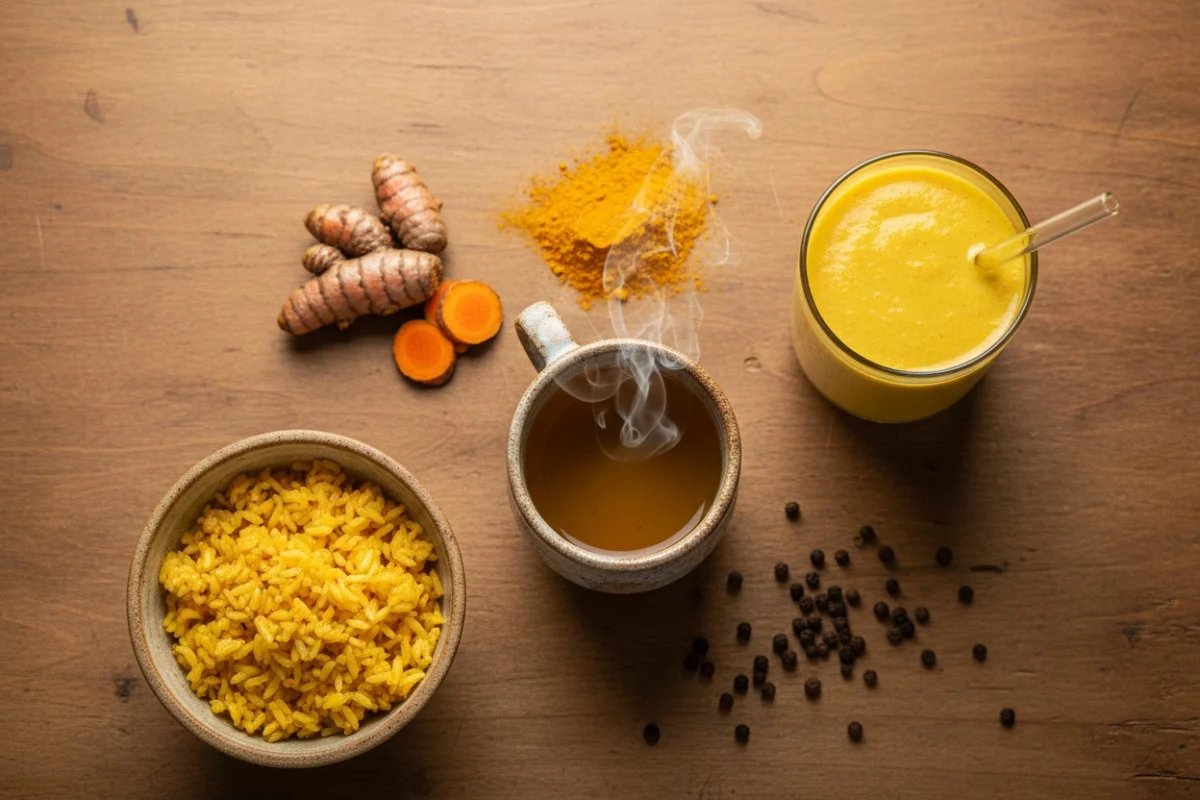
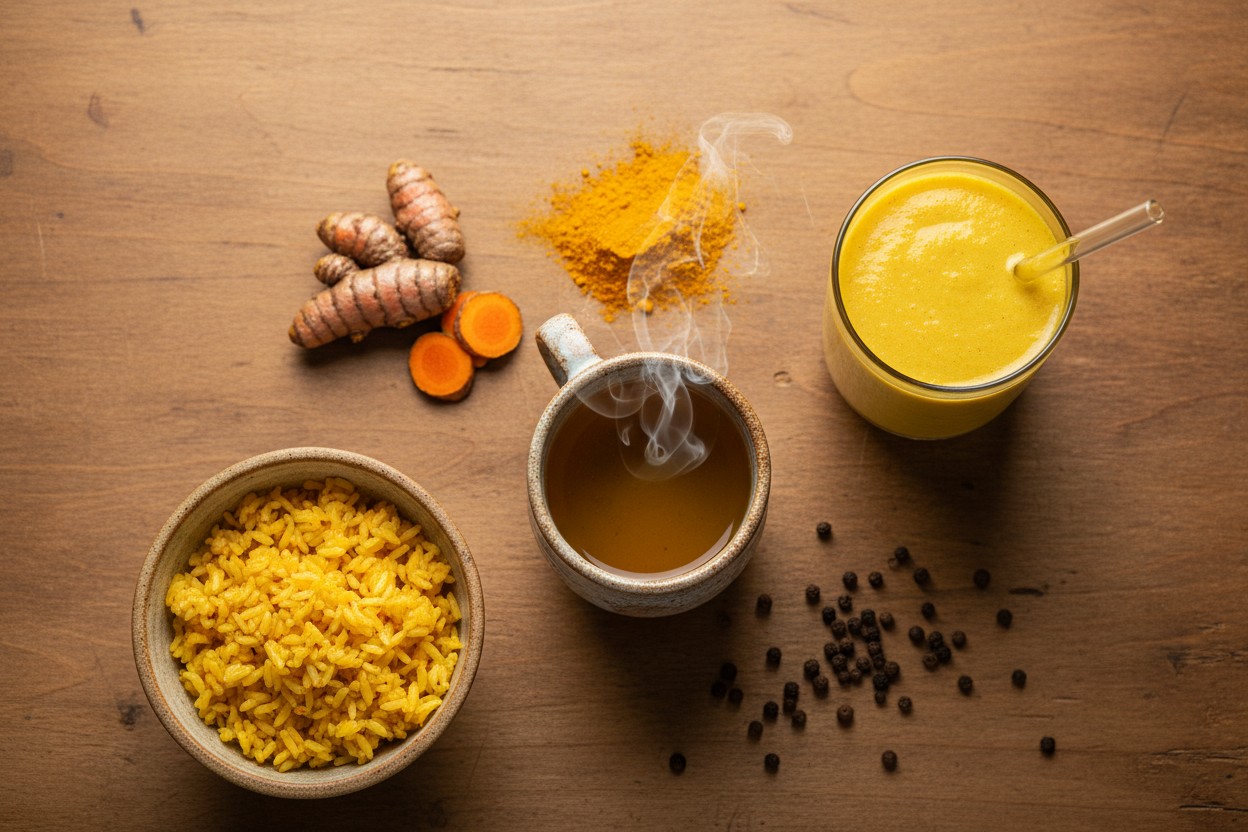
The integration of black pepper is not merely a culinary preference; it is a pharmacokinetic necessity. Piperine, the active alkaloid in black pepper, has been shown to enhance the bioavailability of curcumin by up to 2,000% by inhibiting the metabolic enzymes that would otherwise break down the compound before it can reach the systemic circulation.
Dietary Fats and Liposomal Delivery
Beyond black pepper, fat-soluble absorption is key. Consuming turmeric with healthy fats—such as coconut oil, olive oil, or avocado—is a long-standing practice in herbal medicine that modern science confirms. For those seeking higher therapeutic doses, specialized supplement formulations have emerged. These include phospholipid-based delivery systems (phytosomes) and nanoparticle preparations, which encapsulate the curcumin molecule to bypass the digestive tract’s limitations, ensuring higher concentrations reach the tissues where they are most needed.
Clinical Perspectives and Dosage Considerations
There is currently no universally mandated "daily dose" for turmeric; however, clinical data provides a clear range for those looking to replicate study results.
Safe Dosage Ranges
Most clinical studies utilize dosages between 500 and 2,000 milligrams of standardized curcumin per day. Research, including phase I trials cited in Jane Higdon’s Evidence-Based Approach to Phytochemicals, indicates that doses as high as 3.6 grams per day for four months are well-tolerated. For individuals dealing with specific inflammatory conditions, experts like Siim Land, author of The Longevity Leap, suggest that higher ranges—up to 3,000 milligrams daily—may be necessary to achieve a measurable therapeutic effect.
Comparative Safety
A significant point of discussion in clinical circles is the comparison between curcumin and conventional NSAIDs. Dr. Michael T. Murray, in the Textbook of Natural Medicine, points out that while NSAIDs are highly effective at reducing inflammation, they carry a heavy burden of side effects, including gastrointestinal bleeding and cardiovascular risk. In contrast, curcumin exhibits a favorable safety profile even at therapeutic doses, making it an attractive candidate for long-term chronic disease management. Patients typically report noticing shifts in inflammatory markers and symptomatic relief within four to 12 weeks of consistent supplementation.
Implications for Public Health
The implications of incorporating turmeric into a daily health regimen are profound. If chronic inflammation is indeed the "silent killer" behind the modern disease burden, then the widespread adoption of anti-inflammatory dietary agents like curcumin could fundamentally shift public health outcomes.
Bridging the Gap Between Food and Medicine
The current trend toward "food as medicine" is bolstered by the four primary methods of turmeric consumption identified by researchers:
- Culinary Integration: Curries, stir-fries, and eggs.
- Beverages: Turmeric teas and "golden milk" (coconut milk/turmeric/pepper).
- Whole-Food Smoothies: Utilizing tropical fruits to mask flavor while ensuring fat-based absorption.
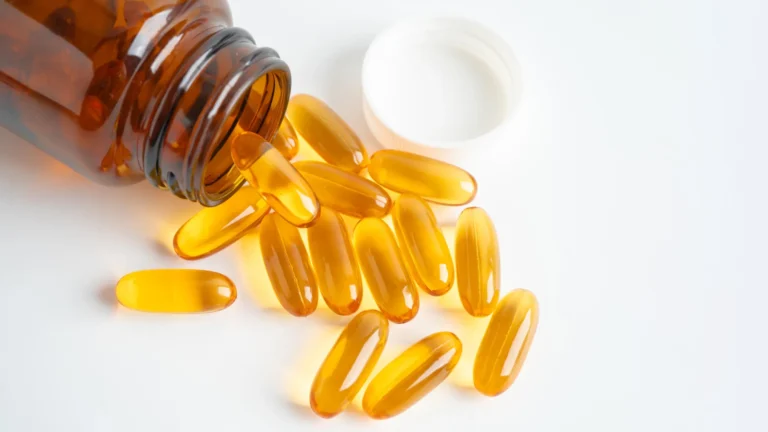
- Targeted Supplementation: Utilizing high-bioavailability capsules for therapeutic intervention.
By viewing turmeric not as a mere spice but as a potent botanical medicine, individuals can take proactive steps to regulate their inflammatory response. However, consumers must remain discerning. Quality matters; the concentration of curcuminoids in commercial turmeric powder can vary wildly. Choosing organic sources and products that specify the inclusion of piperine or specialized delivery matrices is essential for those seeking to mirror the results seen in the 2025 BMC Complementary Medicine and Therapies analysis.
Conclusion
The resurgence of turmeric as a focal point in medical research is a testament to the fact that ancient healing traditions often hold the keys to modern solutions. With the ability to inhibit key pro-inflammatory cytokines and provide robust antioxidant protection, curcumin stands at the forefront of natural, evidence-based anti-inflammatory therapy. Whether through the ritual of a golden milk beverage or the precise administration of a phospholipid-enhanced supplement, the consistent application of turmeric offers a safe, effective, and scientifically validated path toward reducing the burden of chronic inflammation. As research continues to evolve, it is likely that this golden spice will remain a cornerstone of preventative health for generations to come.