In the intricate architecture of the United States Armed Forces, few positions carry the weight and responsibility of the Senior Enlisted Advisor to the Chairman of the Joint Chiefs of Staff (SEAC). Established in 2005 by then-Chairman of the Joint Chiefs of Staff, Marine Corps Gen. Peter Pace, the role was conceived as a vital conduit between the highest echelons of the Pentagon and the approximately 2 million enlisted service members who form the backbone of the American military.
For two decades, this office has served as the ultimate voice for the enlisted ranks. On June 20, 2025, David L. Isom ascended to this prestigious position as the sixth SEAC. A veteran Navy SEAL with a career spanning nearly 40 years, Isom now stands as the highest-ranking enlisted member of the U.S. Armed Forces, acting as a critical advisor to the Chairman and the Secretary of War on matters of total force integration, readiness, and the welfare of the modern warfighter.
The Architect of Enlisted Advocacy: Defining the Role
The SEAC position is more than a title; it is a bridge. As SEAC Isom explains, his primary directive is to ensure that the perspectives of the service members on the ground, at sea, and in the air reach the decision-makers in the halls of the Department of War.
"My job is to provide truthful, honest, critical advice and guidance on joint, combined, total force integration, enlisted development, and the overall health and readiness of the Joint Force," Isom says. "I ensure that the Joint Force knows they are represented and their perspectives are being brought to the table—either on the Joint Staff or within the Department of War. Their voice matters at the highest levels."
This role encompasses the integration of diverse military branches into a cohesive, lethal, and ready force. By focusing on the "total force," Isom’s office ensures that individual branch cultures—while unique—align toward the broader strategic goals set by the nation’s civilian and military leadership.
From North Carolina Roots to the Tip of the Spear: A Chronology
David Isom’s journey to the Pentagon began far from the corridors of power, in the rural landscape of North Carolina. Born into a family with a strong ethos of service, he was raised with a deep appreciation for the outdoors and community contribution. His father, a U.S. Army veteran who transitioned into a career as a civil engineer for the N.C. Department of Transportation, instilled in his children the value of serving something greater than oneself.
"My parents were service-oriented," Isom reflects. "Serving in your church, serving in your state, and serving something larger than yourself was something I saw them do every day."
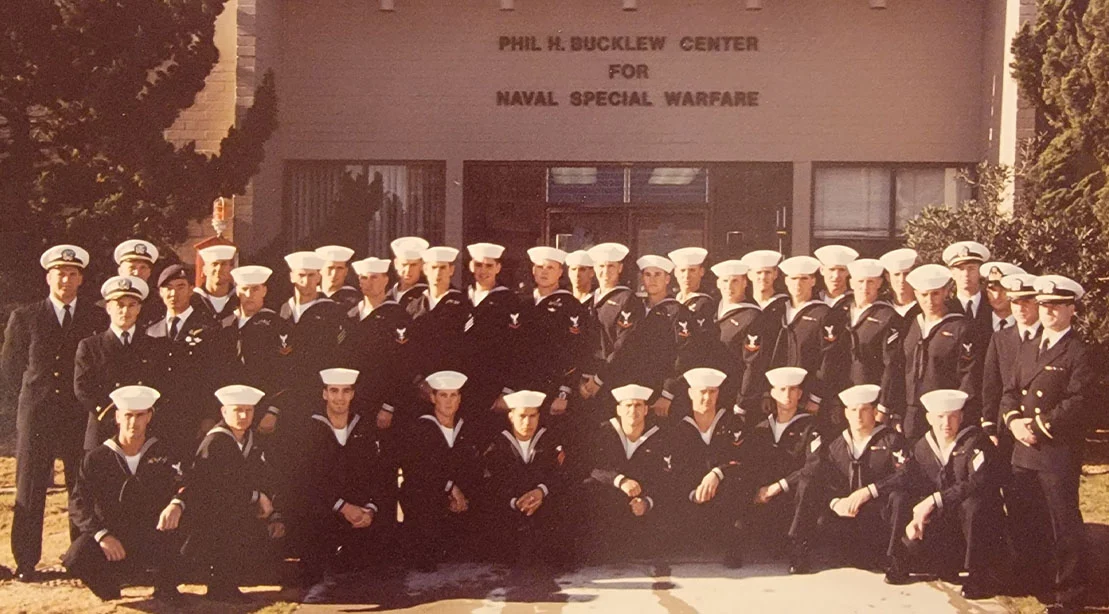
As the youngest of five children, Isom’s childhood was defined by physical activity—climbing trees, swimming, hiking, and participating in team sports. This upbringing laid the foundation for his future life as a career operator. In 1987, Isom enlisted in the U.S. Navy. His trajectory shifted significantly after he successfully completed the grueling Basic Underwater Demolition/SEAL (BUD/S) training.
His career as a Navy SEAL saw him operate across the globe, serving in major conflicts including Operation Desert Shield, Operation Desert Storm, Operation Enduring Freedom, and Operation Iraqi Freedom. His service record is highly decorated, featuring the Defense Superior Service Medal, the Legion of Merit, and four Bronze Star Medals—several of which bear the "V" device for valor—among numerous other honors.
The "Combat Chassis": Prioritizing Human Performance
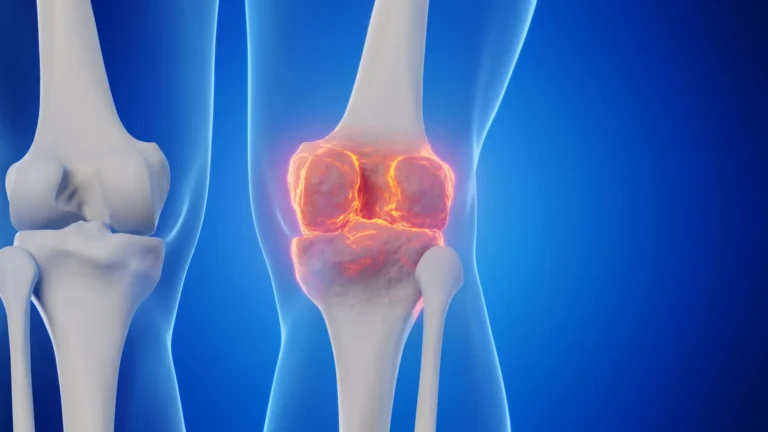
At 59, Isom possesses a perspective on physical fitness that is both seasoned and uncompromising. Having spent decades in high-intensity operational environments, he acknowledges that his body has sustained the wear and tear inherent to a career in special operations. Yet, he views fitness not merely as a requirement, but as a mandatory maintenance protocol for the modern warfighter.
"My 59-year-old combat chassis has some mileage on it, and it’s been bent or broken probably way too many times," Isom says with a laugh. "A lot of what I do is about maintenance and just trying to get max mileage out to make sure that I’m healthy, fit, and able to perform in the job here."
This commitment to longevity is not just personal; it is a directive he promotes across the force. Isom is currently training for the annual Marine Corps Marathon, a testament to his belief that fitness is a lifelong pursuit rather than a phase of one’s career. He encourages all service members to adopt this mindset, viewing the body as the ultimate weapon system.
Data-Driven Readiness: The New Frontier
The current administration, led by President Trump and supported by Secretary of War Pete Hegseth and Chairman of the Joint Chiefs of Staff Gen. Dan Caine, has prioritized physical and mental fitness as a strategic pillar of national defense. Isom is a vocal proponent of this "total human" approach.
He points to the U.S. Special Operations Command’s (USSOCOM) Preservation of the Force and Family (POTFF) initiative as the gold standard. POTFF focuses on five distinct domains:
- Physical: Optimizing performance and preventing injury.
- Psychological: Building resilience against trauma and stress.
- Cognitive: Enhancing decision-making under fire.
- Social and Family: Strengthening the support networks of service members.
- Spiritual: Fostering a sense of purpose and ethical grounding.
The Army’s Holistic Health & Fitness (H2F) program represents a similar push to institutionalize these standards. Isom acknowledges that while some branches are currently catching up to the special operations standard, the trajectory is positive. "It’s a good time to be a part of our Joint Force because I think it’s only going to get better every day," he notes.
Implications for Recruitment and Retention
One of the most pressing challenges facing the Department of War is the recruitment crisis, exacerbated by the fact that over 75% of otherwise eligible American youth fail to meet current fitness and health qualifications. Isom views his role as a platform to bridge this gap, encouraging young citizens to view fitness as a prerequisite for citizenship and potential service.
"It starts with building those healthy habits—eating right, establishing some discipline, and creating a workout regime that balances strength training and cardio," Isom advises. "If you’re playing sports, then you need to be out there running, swimming, and trying new things like CrossFit or biking. Do things that surprise the body and watch how it responds."
For Isom, the connection between fitness and retention is clear: when service members feel capable, resilient, and supported, they are more likely to thrive in their careers and transition successfully into civilian life as veterans. He views the veteran experience as a vital national asset, urging those leaving the service to carry the discipline and values of the military into their local communities.
A Legacy of Service Over Self
As the sixth SEAC, David L. Isom is not just overseeing policy; he is modeling a life of service that he hopes will inspire the next generation of American leaders. His career, spanning nearly four decades, serves as a bridge between the analog military of the late 20th century and the high-tech, data-driven force of the future.
When asked what he would say to a young American contemplating a path toward the military, his response is direct and inviting: "If you’re a young American that wants to serve your nation, come on and bring it! We want you in our Joint Force."
Through his emphasis on total human performance, rigorous fitness standards, and the importance of the enlisted voice at the highest levels of government, SEAC Isom is ensuring that the United States military remains the most capable and resilient force in the world. His tenure marks a renewed commitment to the individual service member, reinforcing the idea that the strength of the nation rests entirely on the readiness of its people.
For those interested in exploring the frameworks mentioned, resources on Total Force Fitness and the Preservation of the Force and Family (POTFF) are available through the Department of War’s official portals. These programs remain critical to the ongoing evolution of the modern American warfighter.