For decades, the public health mantra surrounding alcohol use disorder (AUD) has been simple: stop drinking. While abstinence is universally associated with immediate improvements in physical health—such as liver function recovery and lower cancer risk—addiction researchers have long suspected that the period of sobriety itself may harbor a hidden, biological trap. New research suggests that the very brain changes triggered by forced abstinence may paradoxically heighten an individual’s risk of relapse, creating a cycle that current clinical treatments struggle to break.
Recent findings in neuroscience, utilizing mouse models and advanced imaging, are beginning to map the biological circuitry behind this phenomenon. By identifying specific neural regions that "light up" during the transition from abstinence to relapse, scientists are moving closer to a future where clinicians can predict who is at the highest risk of falling back into old habits, potentially transforming the landscape of addiction recovery.
The Paradox of Abstinence: Why "Dry" Isn’t Always Easy
The conventional approach to alcohol addiction has long relied on abstinence as the primary goal. However, addiction is a complex, chronic condition that fundamentally rewires the brain. When a person accustomed to regular alcohol consumption abruptly stops, the brain does not simply return to its "pre-alcohol" state. Instead, it enters a state of neurobiological flux.
In a recent study, researchers investigated the behavioral consequences of this transition by providing mice with long-term voluntary access to alcohol, followed by a period of forced abstinence. The goal was to simulate the human experience of attempting to quit after prolonged use.
The results were startling. A subset of the mice developed what researchers call "aversion-resistant alcohol intake." Even when the alcohol was laced with quinine—a bitter substance that normally deters consumption—these mice continued to drink. In fact, compared to mice that had not undergone forced abstinence, the abstinent group consumed significantly larger quantities of the bitter, tainted alcohol. This behavior indicates that abstinence did not dampen the drive to consume; rather, it seemed to intensify it, suggesting that the "bodily challenges" of withdrawal create a powerful, persistent motivation that overrides the natural deterrent of a bitter taste.
Mapping the Brain’s "Relapse Center"
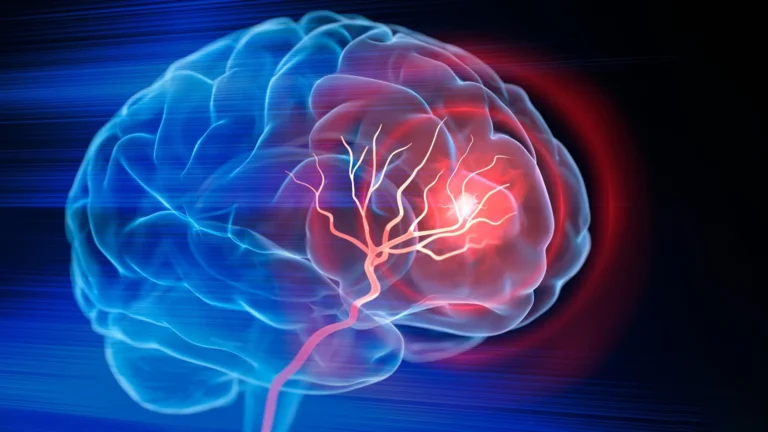
To understand why this behavior occurs, researchers turned their attention to the bed nucleus of the stria terminalis (BNST). The BNST is a small but critical structure in the brain that acts as a relay station, processing emotional information and stress responses. It has long been implicated in symptoms of AUD, particularly anxiety and depression.
By monitoring the neural activity in the BNST of the mice, the researchers discovered a striking correlation. When the abstinent mice were returned to the setting where alcohol was previously available, they began attempting to drink from the spout, even when it contained only plain water.
The most significant finding, however, was the level of neural activity: the mice that had developed the most intense drive to consume the bitter alcohol showed more than double the activity in the BNST compared to their non-abstinent counterparts. Even more critically, this spike in activity occurred before the mice were even given access to the alcohol, suggesting that the BNST is the site of an anticipatory, "pre-relapse" state.
The Public Health Crisis: A Growing Epidemic
The urgency of this research cannot be overstated. Alcohol misuse remains one of the most pervasive public health challenges in the United States. While the dangers of opioids have dominated headlines, alcohol-related fatalities in 2024 were 4.5 times higher than those attributed to opioids, highlighting a silent, pervasive epidemic.
Despite these statistics, public perception remains dangerously skewed. Alcohol is woven into the fabric of social life, leading many to underestimate its addictive potential and long-term health risks, which include an increased risk of various cancers. Current data from the National Institute on Alcohol Abuse and Alcoholism (NIAAA) indicates that over 80% of Americans age 12 and older consume alcohol at some point, and approximately 10%—nearly 30 million people—will meet the clinical criteria for alcohol use disorder at some point in their lives.
Since 1999, the number of individuals diagnosed with AUD in the United States has effectively doubled. Yet, the tools available to clinicians to predict which patients are at high risk for relapse remain limited. While the FDA has approved several treatments for AUD, they are often used as a one-size-fits-all solution, failing to account for the unique neurological signatures of individual patients.
Chronology: From Behavioral Theory to Neural Mapping
- Early 2000s–2010s: Researchers establish the link between the BNST and stress-induced relapse, noting its role in anxiety-like behaviors in animal models.
- 2024: Alcohol-related deaths hit a record high, sparking a renewed push for understanding the neurobiology of relapse.
- 2025: Studies begin confirming that abstinence, while medically necessary, triggers specific neural adaptations that may drive "aversion-resistant" drinking behavior.
- 2026: Advanced neuroimaging studies define the BNST’s hyper-activity as a potential biomarker for future relapse risk.
- Present: Research moves into human clinical trials, with teams led by scientists like Jennifer Blackford investigating whether the "mouse model" findings mirror the activity in the human brain during early abstinence.
Supporting Data and Clinical Implications
The discovery of BNST hyper-activity suggests a revolutionary shift in how we might treat addiction. If researchers can prove that this specific brain area acts as a "relapse trigger" in humans, the BNST could move from a research curiosity to a diagnostic tool.
Identifying the At-Risk Patient
The ability to screen for BNST activity could allow clinicians to identify individuals at high risk of relapse before they return to drinking. This could transform clinical practice from a reactive model—where we treat the relapse after it occurs—to a proactive model, where patients with high-risk neural markers receive intensive, personalized support during the early, most vulnerable phases of abstinence.
Beyond Abstinence: The Role of Harm Reduction
The findings also challenge the current, near-exclusive reliance on total abstinence. While abstinence is the gold standard, the biological reality of the BNST suggests that for some, the brain is "primed" for relapse in a way that willpower alone cannot overcome. Incorporating harm reduction strategies alongside neuro-targeted therapies may be necessary to support the millions of people who struggle to maintain sobriety.
What Lies Ahead: The Path to New Treatments
While the findings regarding the BNST are promising, much remains unknown. Scientists are currently working to identify the specific populations of brain cells within the BNST that encode this relapse-driven activity. Are there specific inhibitory or excitatory neurons that, if modulated, could "calm" the brain’s drive to drink?
New tools in neuroscience are already allowing researchers to manipulate specific neurons in mice with surgical precision. If these interventions can prevent relapse in animal models, the path to human clinical applications becomes much clearer.
Furthermore, the work of researchers like Jennifer Blackford is the bridge between the lab and the clinic. By observing human patients in early abstinence, her team is determining if the neural activity observed in mice is truly representative of the human experience. If these clinical observations align with the laboratory data, the next stage will be to integrate BNST screening into clinical trials to see if it can accurately predict, and ultimately mitigate, the risk of relapse in real-world settings.
Conclusion
The battle against alcohol use disorder is entering a new era. By moving beyond the surface-level behavior of drinking and looking deep into the brain’s circuitry, researchers are uncovering the biological reality of why quitting is so profoundly difficult. The BNST may be the key to unlocking better outcomes, providing a roadmap for clinicians to move away from "trial-and-error" recovery toward a more precise, biology-informed approach.
As the number of those affected by alcohol use disorder continues to climb, the need for these scientific breakthroughs has never been greater. While the journey toward a definitive treatment remains long, the ability to "see" the risk of relapse in the brain is a profound step forward, offering hope to the millions of families currently navigating the complex, often painful path of recovery.