








For millions of people, the simple act of eating or planning a day out is shadowed by a persistent, often debilitating anxiety. Irritable Bowel Syndrome (IBS) is far more than a collection of uncomfortable digestive symptoms; for many, it is a life-altering condition that dictates social boundaries, professional performance, and overall mental health.
Recent research underscores the severity of this burden. In a study of nearly 2,000 individuals living with IBS, a staggering number of respondents indicated they would willingly trade 10 to 15 years of their life expectancy for an immediate, permanent cure. Other studies have revealed that patients would accept a medicine with a one percent risk of sudden death if it promised total relief from their symptoms. These findings highlight the desperation felt by those navigating the unpredictable, painful, and often embarrassing reality of chronic gastrointestinal distress.
The Reality of Life with IBS
IBS is characterized by urgent bouts of diarrhea, persistent constipation, excessive gas, and, for many, abdominal pain so intense that patients frequently describe it as being worse than childbirth. These flare-ups do not simply cause physical discomfort; they act as a "productivity siphon," destroying sleep quality, hindering professional focus, and fostering a pervasive sense of dread.
This constant worry has been clinically identified as "gastrointestinal-specific anxiety." It leads many to map their entire lives around the proximity of private, clean restrooms. This "bathroom tethering" forces individuals to decline social invitations, avoid restaurants, and skip public exercise, leading to a diminished quality of life that, according to research, often ranks lower than that of individuals managing chronic conditions like heart disease, diabetes, or even end-stage kidney disease.
Defining the Disorder: From "Spastic Colon" to Functional Neuro-Gastrointestinal Disorder
Historically, IBS was dismissed by the medical establishment as a psychosomatic issue—a "spastic colon" driven purely by the patient’s nerves. However, our understanding of the condition has undergone a paradigm shift.
Today, experts classify IBS as a functional neuro-gastrointestinal disorder. This means that while there is no structural damage, infection, or inflammation visible via diagnostic imaging, there is a fundamental miscommunication occurring between the brain and the GI tract. The neural pathways linking the gut to the brain do not function optimally, causing the brain to register non-existent threats as pain and triggering erratic, painful bowel responses.

The Mechanism of Discomfort
Why does the gut function differently in IBS patients? Researchers have identified several compelling theories:
- Visceral Hypersensitivity: The nerve endings in the GI tract may be hyper-responsive. Where a healthy individual might not notice the movement of gas or the contraction of muscles, an IBS patient’s nervous system amplifies these signals, interpreting them as intense pain or distress.
- Muscle Reactivity: The muscles of the GI tract may contract with excessive force, causing cramping and diarrhea, or fail to contract enough, resulting in slow transit times and severe constipation.
- Microbiome Disturbance: Shifts in the gut flora—sometimes triggered by a severe prior gastrointestinal illness, such as Norovirus—can create a lingering imbalance, leaving the system in a state of chronic reactivity.
Diagnostic Challenges and the "Poo Diary"
Because IBS shares symptoms with celiac disease, inflammatory bowel disease (IBD), and certain cancers, a formal diagnosis requires a careful process of elimination. Patients are encouraged to consult a medical professional, particularly if they experience "red flag" symptoms such as unexplained weight loss, rectal bleeding, or nighttime symptoms that wake them from sleep.
To assist in the diagnostic process, clinicians often suggest a "pre-appointment checklist." Tracking symptoms over several weeks provides a data-backed narrative that a doctor can use to differentiate between the three main types of IBS:
- IBS-D (Diarrhea-predominant)
- IBS-C (Constipation-predominant)
- IBS-M (Mixed stool patterns)
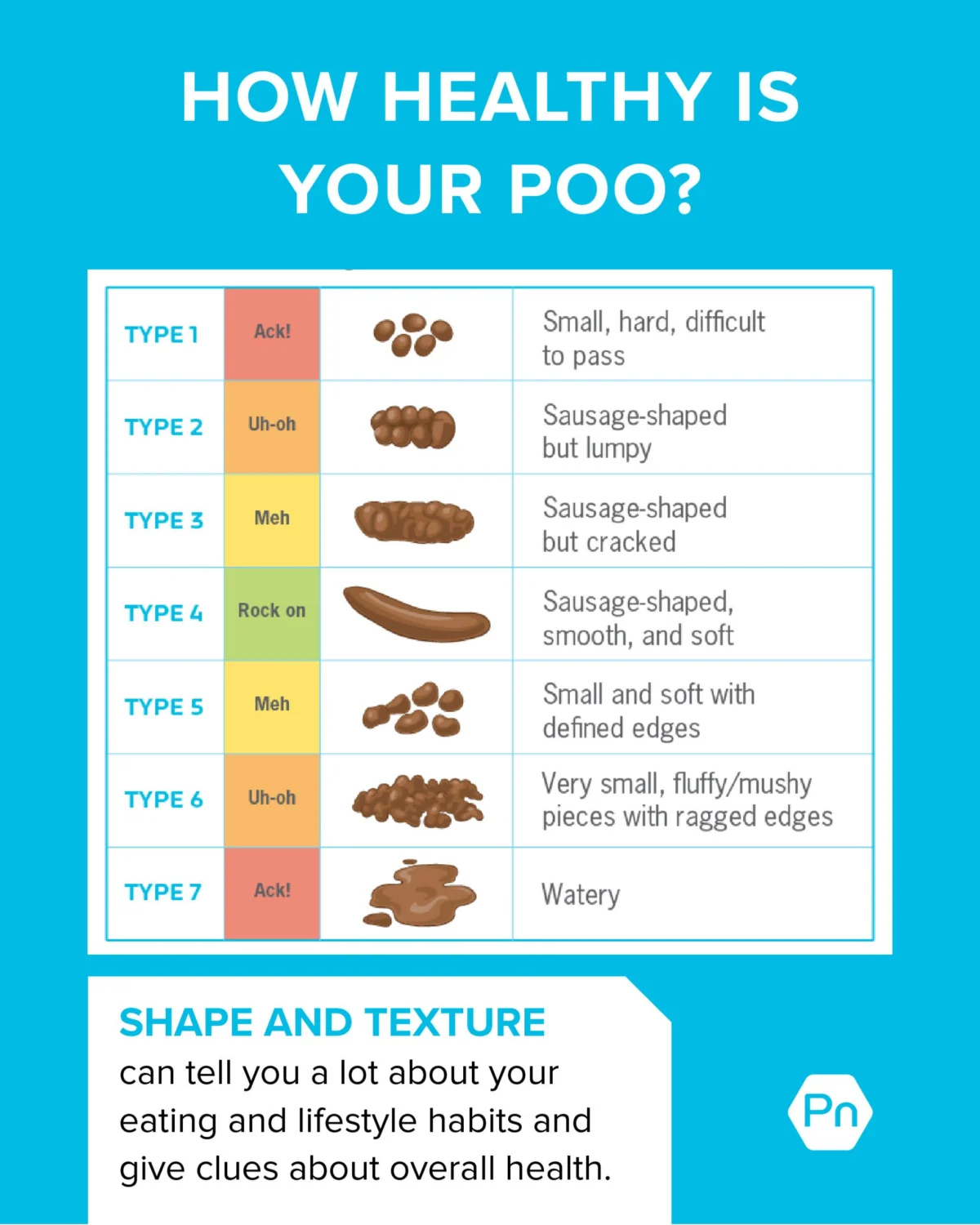
A highly effective tool for this is the Bristol Stool Chart. By keeping a "poo diary," patients can provide visual and frequency-based evidence that allows practitioners to tailor treatment plans, whether that involves specific fiber supplements for IBS-C or targeted antidiarrheal interventions for IBS-D.
Five Evidence-Based Strategies for Symptom Management
While there is no "cure-all," Sarah Maughan, a PN Super Coach certified through Monash University, emphasizes that lifestyle intervention can significantly calm GI anxiety and reduce the frequency of flare-ups.
1. The Role of Exercise
Regular physical activity acts as a regulator for the gut. Studies indicate that moderate walking for one hour three times a week can lead to significant reductions in bloating and pain within 12 weeks. Exercise appears to modulate the brain-gut axis, potentially by lowering overall systemic inflammation and promoting the growth of beneficial gut bacteria.

2. Nervous System Regulation
Stress does not have an "off switch," and telling an anxious person to "relax" is counterproductive. Instead, coaches focus on what is within a client’s control: their perception of stress and their response to it. Techniques like controlled breathing, yoga, and meditation can help shift the body from a "fight or flight" state to a "rest and digest" state, which is essential for proper gut function.
3. The Pace of Consumption
Slower eating is a powerful, often overlooked intervention. Increased chewing breaks down food mechanically and allows salivary enzymes to begin the digestive process before food reaches the stomach. Furthermore, eating in a calm environment prevents the surge of stress hormones that can intensify GI pain signals.
4. Prioritizing Restorative Sleep
IBS patients frequently report fragmented, non-restorative sleep. This leads to a vicious cycle: poor sleep raises cortisol levels, which exacerbates gut pain, which in turn makes deep sleep harder to achieve. Developing a consistent pre-bedtime routine—such as journaling, foam rolling, or meditation—can help stabilize the circadian rhythm and improve gut health.
5. Investigative Nutrition: The Elimination Approach
Dietary triggers are highly individual. What causes a flare-up in one person may be perfectly tolerable for another. The most effective way to identify these triggers is through an elimination diet—a systematic process of removing potentially irritating foods (like high-FODMAP items, caffeine, alcohol, or greasy foods) and slowly reintroducing them to observe the body’s reaction.
The Coach’s Role: Maintaining Scope of Practice
As the interest in personalized health grows, the role of the health coach has become pivotal. However, it is essential that coaches operate within their scope of practice.
What a coach can do:

- Provide education on lifestyle modifications, including stress management and eating pace.
- Support the implementation of a medical team’s recommendations (e.g., helping a client adhere to a FODMAP protocol).
- Offer tools like food logs and symptom trackers to empower the client.
What a coach cannot do:
- Diagnose a client with IBS.
- Prescribe restrictive diets as a "cure."
- Countermand the advice of a physician or advise a client to stop medical treatments.
Empowerment Through Knowledge
The most critical takeaway for those living with IBS is that they are not powerless. While the journey to identifying one’s specific triggers can be complex, it is a path that leads to agency.
"With knowledge, you have choices," says Maughan. Even if an elimination diet identifies a specific food as a trigger, the goal is not to live in a state of permanent deprivation. Instead, it is to understand one’s body well enough to make informed decisions. An individual may choose to avoid a trigger food on a high-stress workday, while safely enjoying it during a relaxing weekend.
By shifting the focus from fear of the next flare-up to a proactive, evidence-based management strategy, those with IBS can reclaim their quality of life. Whether through medical consultation, lifestyle adjustments, or the support of a dedicated health coach, the path toward a more comfortable, predictable daily experience is within reach.
If you are interested in learning more about how to support clients in building sustainable, science-based health habits, explore the PN Level 1 Nutrition Coaching Certification.