Main Facts: A Region on the Brink
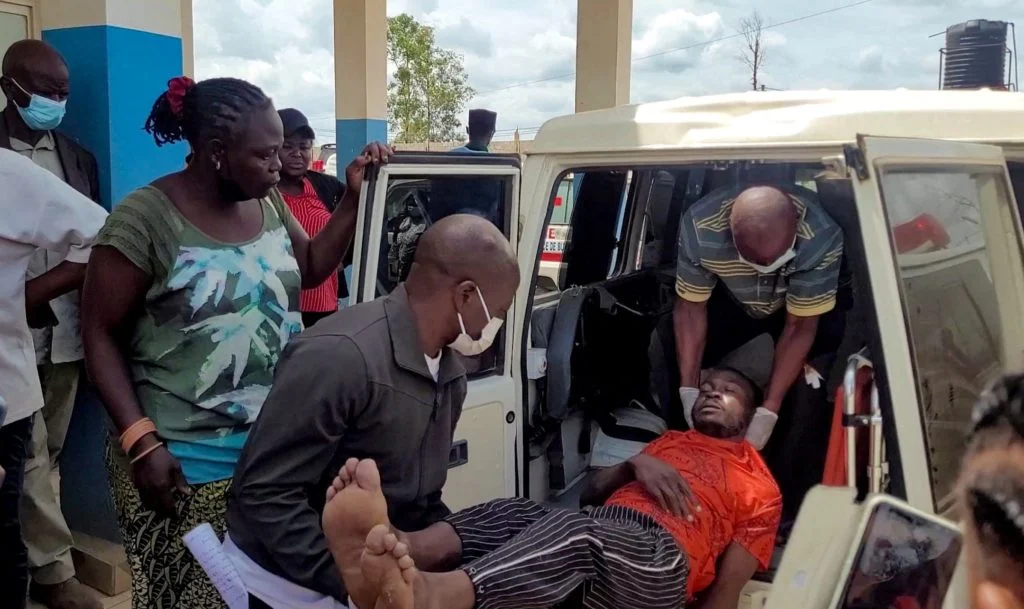
Health officials are currently engaged in a high-stakes race against time to contain a rapidly expanding and uniquely challenging outbreak of the Ebola virus in Central Africa. Centered in the Democratic Republic of the Congo (DRC) and spilling over into neighboring Uganda, the crisis has already claimed at least 116 lives, with the total number of confirmed and suspected cases surpassing 300.
The situation took a somber turn for the international community this week as the U.S. Centers for Disease Control and Prevention (CDC) confirmed that an American medical missionary, who had been serving in a DRC hospital, has contracted the deadly virus. This development has galvanized the international response, prompting the World Health Organization (WHO) to declare an international public health emergency. As the virus spreads through areas characterized by long-standing conflict, mobile populations, and fractured healthcare infrastructure, the window for containment is closing rapidly.
The Chronology of a Silent Spread
While official reports suggest the first suspected case originated in late April, experts—including Dr. Craig Spencer, an associate professor at Brown University and an Ebola survivor—argue that the virus has likely been circulating much longer than the data suggests.
The Hidden Timeline
"You don’t go from one case a few weeks ago to hundreds and hundreds of cases this quickly," Dr. Spencer noted during a recent briefing. The assumption is that the outbreak has been simmering beneath the surface for months, exacerbated by the region’s limited health surveillance capabilities. The delay in recognition is attributed to several factors:
- Geographic Isolation: The impacted health zones are among the most difficult to reach in the DRC.
- Infrastructure Collapse: The lack of consistent diagnostic testing and reliable health data creates a "blind spot" that allows the virus to move undetected through rural communities.
- Strain Variation: This specific outbreak involves the Bundibugyo strain, which differs from the more common Zaire and Sudan strains. Because the Bundibugyo strain is rarer, local health facilities were initially slower to recognize the clinical symptoms as an Ebola manifestation.
Supporting Data and the Challenges of the Bundibugyo Strain
The Bundibugyo strain represents a terrifying hurdle for medical responders. Unlike the Zaire strain, which was the focus of the 2014 West African epidemic and the 2018 DRC outbreaks, there are currently no FDA-approved vaccines or specialized treatments for this specific strain.
Why Treatment is Stalled
In previous outbreaks involving the Zaire strain, medical teams could deploy vaccines and investigational therapies to suppress mortality rates. With Bundibugyo, the lack of a "silver bullet" means the response must rely entirely on traditional, labor-intensive public health measures:
- Rigorous Contact Tracing: Identifying every individual who has come into contact with an infected patient.
- Community Engagement: Overcoming deep-seated suspicion of outsiders and medical interventions to encourage symptomatic individuals to report to government treatment centers.
- Basic Sanitation: In regions where even running water is a luxury, the fundamental requirements for infection control are severely lacking.
"This is a place that has been plagued by a lot of instability for decades," Dr. Spencer explained. "We are seeing cases appear in Goma—a massive city and a regional transit hub—and in Kampala, Uganda. The geographic spread confirms that this is not a localized incident, but a regional threat."
Official Responses and the Geopolitical Fallout
The international community has begun to respond with travel restrictions and policy shifts. The United States has announced an entry ban for non-citizens who have traveled to the DRC, Uganda, or South Sudan within the last three weeks.
However, experts warn that travel bans are merely a stopgap measure. The real work, they argue, lies in stabilizing the affected regions. Dr. Samuel Roger Kamba, speaking on behalf of the DRC health ministry, issued an impassioned plea to the local population: "This is not a mystical disease. Make yourself known. Make yourself known so that you can be taken care of and so that we can prevent the disease from spreading."
The Funding Crisis
The effectiveness of the response is further hampered by a withdrawal of international support. Over the past year, the U.S. and other international actors significantly reduced funding for USAID and various non-governmental organizations (NGOs) previously tasked with maintaining health infrastructure in the region. This "funding vacuum" has left clinics without basic supplies, such as gloves, personal protective equipment (PPE), and clean water.
Implications: A Global Concern
The implications of this outbreak extend far beyond the borders of Central Africa. The combination of conflict, a mobile populace, and a lack of medical countermeasures creates a perfect storm for a sustained, long-term crisis.
The Need for a "Surge"
Dr. Spencer and other public health advocates are calling for an immediate, aggressive surge in international aid. This is not merely a moral obligation, but a strategic necessity to prevent the virus from establishing a permanent foothold in major urban centers.
The key pillars of the necessary response include:
- Diplomatic Re-engagement: Rebuilding trust with local communities that have become increasingly suspicious of foreign intervention due to the sudden withdrawal of support in previous years.
- Logistical Support: Providing the heavy lifting of logistics—transporting supplies, building triage centers, and ensuring reliable supply chains for basic medical gear.
- Genomic Analysis: Intensifying the study of the current Bundibugyo strain to determine if existing treatments can be adapted or if new therapies must be fast-tracked through emergency protocols.
The Human Cost
For residents in cities like Goma, the fear is palpable. The threat of Ebola is now layered on top of ongoing regional conflict and political instability. As local resident Franck Amani noted, "We’re scared because of the war, and now because of Ebola. We’re really scared."
Conclusion: The Path Forward
The current Ebola outbreak is a stark reminder of the fragility of global health security. When health infrastructure is allowed to deteriorate due to geopolitical neglect, the consequences are rarely confined to the borders of the affected nation.
As the WHO and CDC continue to monitor the situation, the international community faces a choice: to remain passive and risk a prolonged, uncontrollable crisis, or to invest heavily in the "bread-and-butter" public health work required to contain the virus. As Dr. Spencer emphasized, the world must act now—not only to save lives in the DRC and Uganda but to prevent a regional catastrophe from becoming a global one. The clock is ticking, and in the world of viral epidemiology, time is the one resource that cannot be replenished.