








In the landscape of modern medicine, we have historically categorized chronic illnesses into silos: the cardiologist treats the heart, the nephrologist manages the kidneys, and the endocrinologist oversees metabolic health. However, a groundbreaking shift in clinical understanding is challenging this fragmented approach. At the center of this paradigm shift is Cardiovascular-Kidney-Metabolic (CKM) syndrome—a condition that, despite affecting nearly 90% of the U.S. adult population, remains largely unknown to the very people it threatens.
A recent survey conducted by The Harris Poll on behalf of the American Heart Association (AHA) has laid bare a striking reality: while the vast majority of Americans are living with at least one risk factor associated with CKM syndrome, public awareness of the condition is virtually non-existent. As the medical community prepares to formalize clinical guidelines in 2026, the race is on to educate the public on the interconnected nature of their health.
The Anatomy of a Silent Epidemic: What is CKM Syndrome?
To understand CKM syndrome, one must first discard the notion that the heart, kidneys, and metabolic systems operate in isolation. CKM syndrome is a recently defined medical framework that recognizes the systemic interplay between cardiovascular disease, chronic kidney disease (CKD), and metabolic disturbances, including obesity and type 2 diabetes.
The Interconnected Web of Risk
The condition is not a single disease but a cumulative state of risk. Nearly 90% of U.S. adults possess at least one of the foundational markers that contribute to CKM syndrome. These markers include:
- Hypertension (High Blood Pressure): The silent stressor on the arterial system.
- Dyslipidemia: Abnormal levels of cholesterol or fats in the blood.
- Hyperglycemia: Elevated blood glucose levels that damage systemic tissues.
- Adiposity: Excess body weight that triggers chronic inflammation.
- Reduced Renal Function: Diminishing efficiency in the kidneys’ ability to filter waste.
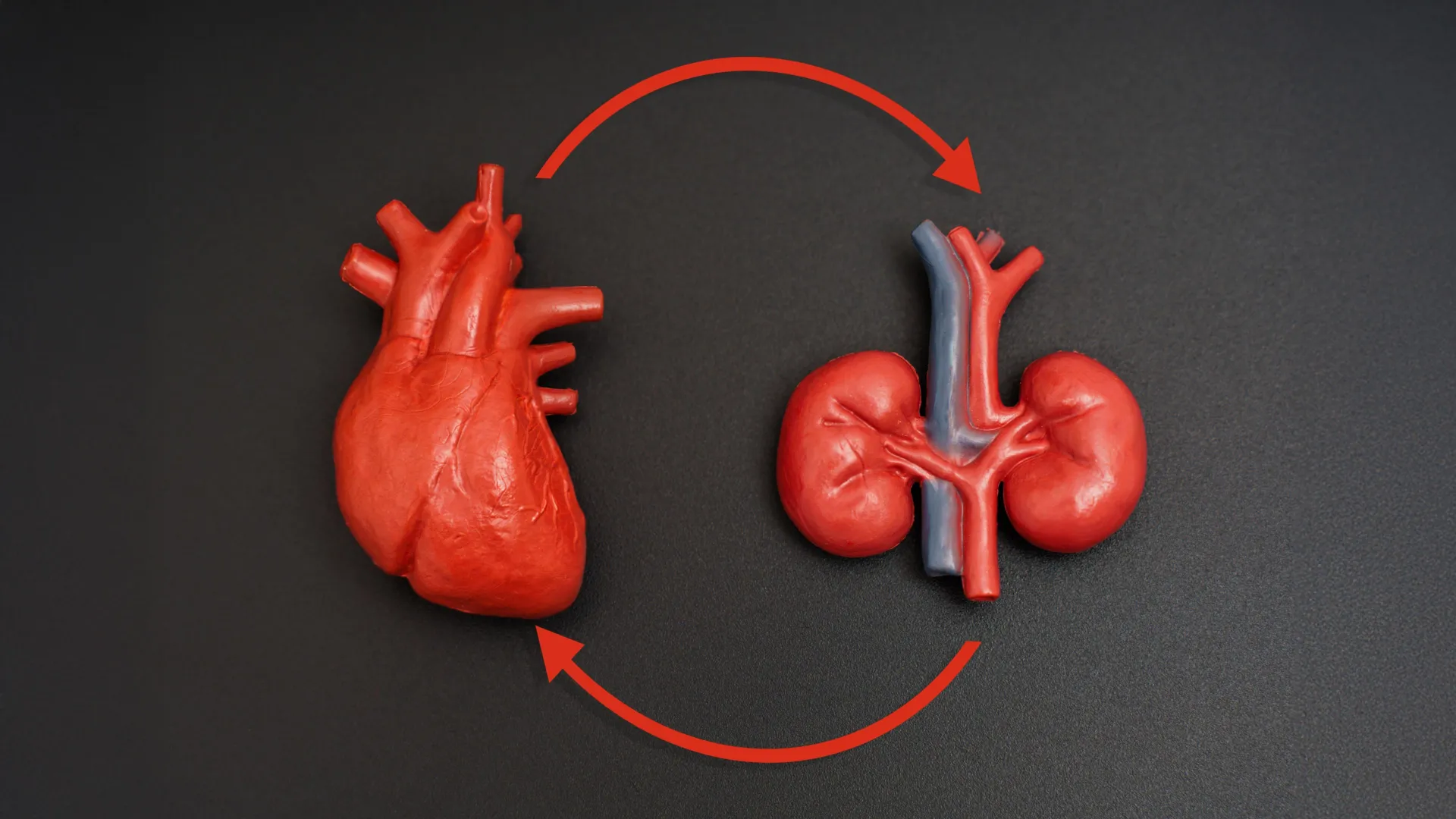
When these factors coexist, they do not merely add to one another’s risk; they multiply it. The "syndrome" aspect of CKM refers to the dangerous feedback loop where, for example, high blood sugar damages the kidneys, which in turn causes the blood pressure to rise, which then places further strain on the heart. This "domino effect" significantly accelerates the risk of heart attack, stroke, and heart failure far beyond what any single condition would predict in a vacuum.
Chronology of the CKM Initiative: A Shift in Clinical Strategy
The formalization of CKM syndrome as a clinical entity is the result of years of research into multi-organ failure and chronic disease management.
2023–2024: The Definition Phase
The American Heart Association began advocating for a unified approach to "CKM health" as data suggested that treating patients for one condition while ignoring their metabolic or renal markers was leading to poorer long-term outcomes. By defining the syndrome, the AHA provided a label for a clinical reality that physicians had observed for decades: that the patient with diabetes is often a patient with impending heart disease and declining kidney function.
August 2025: Gauging the Knowledge Gap
In August 2025, the AHA commissioned The Harris Poll to survey 4,007 U.S. adults to determine how much the average person understands about this systemic health threat. The results were sobering. While there is a profound lack of name recognition for "CKM syndrome," the survey found a silver lining: once the concept was explained, nearly 75% of respondents immediately grasped its importance and expressed a strong desire to learn more.
Early 2026: The Milestone of Clinical Guidelines
Looking ahead, the medical community is bracing for the release of the first-ever formal clinical guidelines for CKM syndrome, slated for publication in early 2026. These guidelines will provide the roadmap for a new era of "coordinated care," directing healthcare providers to screen for the entire spectrum of CKM risk factors rather than treating symptoms in silos.
Supporting Data: The Scope of the Challenge
The data provided by the August 2025 survey underscores a critical disconnect between the prevalence of the disease and the public’s ability to identify it.
Key Statistical Findings
- Population Impact: With 90% of U.S. adults harboring at least one risk factor, CKM syndrome is arguably the most common chronic health framework in the country.
- The Awareness Deficit: Despite the near-universal presence of these risk factors, the term "CKM syndrome" is rarely recognized in public discourse, suggesting that patients are often unaware that their high blood pressure or weight issues are part of a larger, systemic threat.
- Statistical Precision: The survey, which reached a diverse demographic of 4,007 adults, holds a margin of error of ± 2.0 percentage points at a 95% confidence level. The data was meticulously weighted by age, gender, race, household income, and region to ensure it is a true reflection of the U.S. population.
This data suggests that the medical community has failed to communicate the "whole-body" nature of these diseases. Patients are often told to "watch their cholesterol" or "manage their weight," but they are rarely told that these are interconnected parts of a singular, manageable condition called CKM.
Official Responses: A Call for Coordinated Care
Dr. Eduardo Sanchez, M.D., FAHA, the American Heart Association’s chief medical officer for prevention, has been a leading voice in translating complex clinical data into actionable public health messaging.
"We want people to know that it’s really common to have heart, kidney and metabolic risk factors at the same time," Dr. Sanchez stated. "The heart, kidney and metabolic systems are connected and, as such, should be treated in a coordinated way. These results reveal the need to emphasize those connections and help patients understand the importance of collaborative care."
Dr. Sanchez emphasizes that the goal is not to alarm the public, but to empower them. "CKM health is about your overall health," he explains. "It’s a full circle. You can take care of your overall health with regular checks of your blood pressure, cholesterol, weight, blood sugar and kidney function."
The Association’s stance is clear: The current model of "referral-based care"—where a patient is passed from a cardiologist to a nephrologist to an endocrinologist—is inefficient. True progress lies in interdisciplinary care teams that view the patient through the lens of the "CKM circle."
Implications: The Path Toward Reversibility
Perhaps the most hopeful finding in the research surrounding CKM syndrome is the potential for reversal. Unlike some genetic conditions that are static, CKM syndrome is largely driven by lifestyle and environmental factors.
The Power of Early Intervention
For many, the progression toward full-blown heart failure or chronic kidney disease can be halted or even reversed through:
- Dietary Modification: Moving away from processed, high-sodium, and high-sugar diets.
- Increased Physical Activity: Regular movement is the primary tool for improving metabolic health and blood pressure regulation.
- Appropriate Medical Therapy: Utilizing newer classes of medications that address multiple risk factors simultaneously.
The Role of the CKM Health Initiative
The American Heart Association has launched the CKM Health Initiative to serve as a bridge between the clinical lab and the patient’s home. The initiative provides an online resource hub where individuals can learn how their organs communicate and how to take proactive steps to lower their risk.
Furthermore, the initiative is working with healthcare systems to tear down the "silo" mentality in hospitals. By incentivizing doctors to work in multi-disciplinary teams, the AHA hopes to catch CKM syndrome at the "pre-clinical" stage, long before it results in a cardiac event or dialysis.
Conclusion: A New Standard for Health Literacy
The emergence of CKM syndrome as a formal medical concept marks the end of an era where we treated the body as a collection of parts. We are entering an era of systemic medicine, where the interconnectedness of our vital organs is the primary focus of preventative care.
While the current lack of public awareness is a challenge, it is also a massive opportunity. By shifting the conversation toward CKM health, the American Heart Association is giving millions of Americans a clearer picture of their own bodies. The message is simple: Your heart, kidneys, and metabolism are a team. When you support one, you support all. And when you ignore one, you put the entire system at risk.
As we look toward 2026 and the arrival of the new clinical guidelines, the focus must remain on early detection and patient education. The tools to combat CKM syndrome already exist; the final piece of the puzzle is ensuring that every American knows that they are the primary steward of their own "full circle" of health.
For healthcare professionals and patients alike, more information on joining the movement, accessing interdisciplinary care resources, and understanding the "two truths" of CKM health can be found at heart.org/CKMtools.