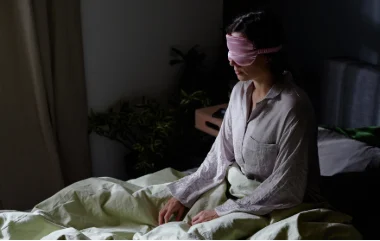











For decades, the "exhausted parent" has been a cultural trope—a badge of honor worn by those navigating the sleepless nights of infancy and the frenetic schedules of childhood. However, a groundbreaking new survey suggests that what society has long dismissed as a "normal" part of raising children may actually be a silent, dangerous public health crisis.
A recent comprehensive study conducted by Aeroflow Sleep has revealed that the vast majority of parents with young children are living in a state of chronic, profound sleep debt. The data, which paints a bleak picture of the American household, indicates that only 5% of parents are achieving the recommended amount of nightly rest. Even more alarming, the survey suggests that over a quarter of these parents may be suffering from undiagnosed, potentially life-threatening sleep disorders, such as obstructive sleep apnea (OSA).
Main Facts: The Scope of the Crisis
The survey, which polled 887 U.S.-based parents of children aged 10 and younger in August 2026, serves as a wake-up call to the medical community. The findings suggest that the widespread assumption—that parenthood is inherently synonymous with sleep deprivation—is masking serious underlying health conditions.
Key findings from the data include:
- The 5% Threshold: Only 5% of surveyed parents reported getting the amount of sleep recommended by health organizations.
- The Sleep Apnea Red Flag: Over 25% of respondents displayed symptoms consistent with undiagnosed obstructive sleep apnea, a condition that can lead to heart disease, stroke, and metabolic dysfunction if left untreated.
- The Demand for Clinical Support: A staggering 86% of parents expressed a clear desire for their primary healthcare providers to offer more proactive resources, guidance, and screening for sleep-related issues.
The data suggests that the "tired parent" narrative has become a dangerous blind spot. By normalizing chronic exhaustion, parents are failing to seek medical intervention for issues that are treatable, leaving them vulnerable to long-term health degradation.
Chronology: How the Data Was Gathered
The urgency of this report stems from a structured, third-party administered survey designed to look beyond the surface-level complaints of busy parents.
- August 2026: The research team, commissioned by Aeroflow Sleep, launched a nationwide inquiry targeting 887 participants. The demographic was carefully selected to include both male and female parents, ensuring a representative look at the modern domestic landscape.
- Data Aggregation: The survey focused on two primary metrics: subjective sleep duration and standardized symptom screening for sleep-disordered breathing.
- Late September 2026: Upon finalizing the results, Aeroflow Sleep released the data to the public, accompanied by expert analysis from board-certified sleep medicine physicians and sleep science advisors.
The timeline of this research underscores a growing movement in the medical community to transition from treating sleep as a "lifestyle luxury" to treating it as a "vital sign" that requires consistent monitoring in clinical settings.
Supporting Data: The Ripple Effect of Sleep Debt
The consequences of this "hidden crisis" extend far beyond simply feeling groggy during the morning school run. According to the research, the impact of chronic sleep deprivation permeates almost every facet of the parent’s life, creating a systemic issue that threatens family stability and individual well-being.
Cognitive and Emotional Impact
Chronic sleep debt is known to impair executive function, decision-making, and emotional regulation. Parents struggling with long-term deprivation report higher levels of irritability, difficulty focusing on professional tasks, and a diminished ability to cope with the stressors of child-rearing.
Physical and Long-Term Health
The most concerning aspect of the data is the correlation between sleep deprivation and undiagnosed apnea. Sleep apnea causes recurrent pauses in breathing during sleep, leading to fragmented, poor-quality rest and reduced oxygen levels. The long-term physiological costs are significant, including:
- Cardiovascular strain: Increased risk of hypertension and arrhythmias.
- Metabolic dysfunction: A higher propensity for weight gain and type 2 diabetes.
- Immune suppression: A reduced ability to fight off common infections, which is particularly detrimental for parents who are constantly exposed to germs by their children.
Professional and Social Consequences
The data indicates that parents are experiencing a tangible "professional tax" due to their sleep debt. This manifests as lower productivity, difficulty with creative problem-solving, and in some cases, a decline in professional growth opportunities. Furthermore, the strain of exhaustion often bleeds into interpersonal relationships, creating a cycle of tension between partners who are both suffering from identical physiological deficits.
Official Responses: The Need for a Paradigm Shift
The medical experts involved in the survey are calling for a systemic change in how healthcare providers interact with parents.
The Physician’s Perspective
Christopher Allen, MD, a sleep science advisor at Aeroflow Sleep, a board-certified sleep medicine physician, and a pediatric neurologist, emphasizes that the "parenting excuse" is no longer acceptable.
"The symptoms noted by survey participants raise concerns that some parents may be dealing with more than just a busy household schedule," Dr. Allen stated. "There may be undiagnosed sleep disorders, including insomnia and obstructive sleep apnea, that are being overlooked because parents assume exhaustion is simply part of parenting. Speaking to your healthcare provider regarding sleep quality is critical. Realistic sleep strategies do exist for parents and take into account the realities of family life."
The Call for Integrated Care
Carleara Weiss, PhD, a sleep science advisor at Aeroflow Sleep, echoes the sentiment that the medical community must do more to bridge the gap.
"Parents are not simply tired from a lack of sleep or from interrupted sleep," Dr. Weiss notes. "The lack of sleep has resulted in real consequences on their relationships, mood, cognitive function, physical recovery, professional growth, and overall wellness. To close the gap, access to sleep care needs to be broadened and included in every visit with healthcare providers."
The experts argue that primary care physicians, pediatricians, and OB-GYNs are in the best position to screen for these issues. By asking simple, targeted questions during routine wellness exams, providers could identify thousands of at-risk parents who might otherwise never seek help.
Implications: The Path Forward
The implications of this survey are clear: the status quo is unsustainable. If 86% of parents are actively asking for help, the medical system must respond by integrating sleep health into standard care protocols.
Breaking the Stigma
Part of the solution involves reframing the conversation. Society must move away from viewing sleep deprivation as a badge of honor and toward viewing it as a medical concern that requires attention. This shift in mindset would empower parents to prioritize their own health without the fear of being seen as "inadequate" or "weak."
The Role of Technology and Provider Resources
As the landscape of sleep medicine evolves, durable medical equipment (DME) providers like Aeroflow Sleep are increasingly playing a role in connecting patients with the resources they need. From home sleep testing kits to personalized CPAP therapy and counseling, the tools to fix the crisis exist. The challenge lies in distribution and education.
Policy and Practice Adjustments
The findings suggest that pediatric appointments, which are frequent during a child’s early years, represent a unique, untapped opportunity. Pediatricians are uniquely positioned to inquire about the sleep quality of the parents sitting in their exam rooms. If a child is brought in for a check-up, a two-minute screening of the parent’s sleep habits could prove to be a life-saving intervention.
Conclusion
The 2026 Aeroflow Sleep survey is more than just a collection of statistics; it is a mirror reflecting the reality of modern parenthood. It exposes a systemic failure to treat the parents of this generation with the same clinical care that we afford their children.
When 95% of a demographic is failing to meet basic physiological needs, we are no longer looking at a collection of personal struggles—we are looking at a public health epidemic. By acknowledging the symptoms of sleep disorders, fostering a culture of medical openness, and demanding more proactive care from healthcare providers, parents can reclaim their health, their cognitive function, and their capacity to show up for their families.
The path to wellness begins with a single, simple realization: being a parent is hard, but it shouldn’t be a risk to your life. It is time to treat sleep as the foundation of health that it is, rather than a luxury to be sacrificed.