









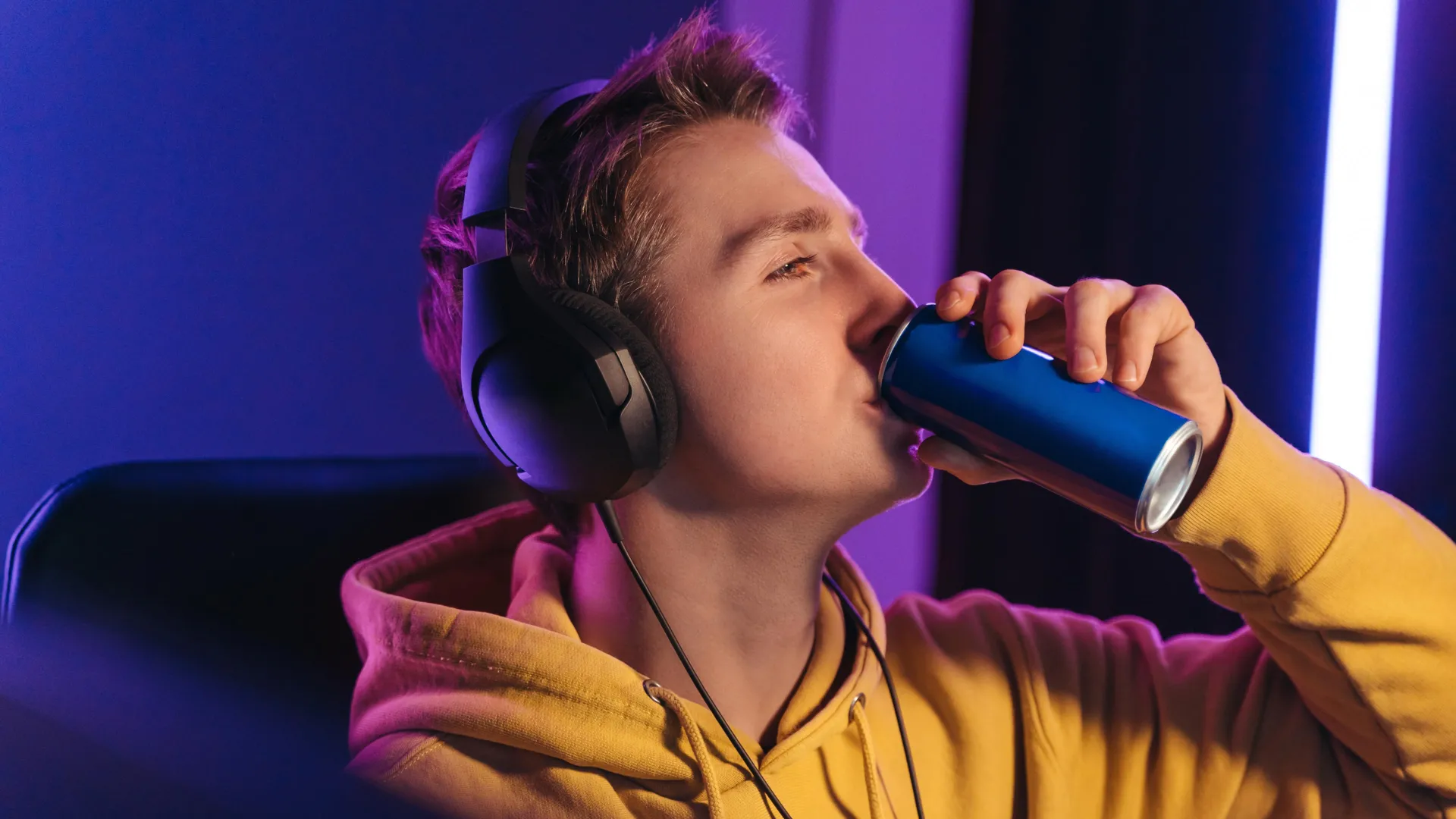
As the energy drink industry surges toward a global market valuation exceeding $20 billion, a growing body of preliminary research is sounding the alarm on a quiet, potentially lethal trend. New data presented at the American Heart Association’s (AHA) Scientific Sessions 2026 suggests a striking, disproportionate pattern of cardiovascular emergencies associated with highly caffeinated energy drinks and stimulant-laden dietary supplements.
For years, these products have been marketed as ubiquitous "pick-me-ups," sitting comfortably on supermarket shelves alongside bottled water and soft drinks. However, as hospital emergency departments report an uptick in cardiac incidents among the young and seemingly healthy, researchers are calling for a critical re-evaluation of how these unregulated stimulants impact the human heart.
Main Facts: A Pattern of Concern
The study, led by researchers at the University of Virginia School of Medicine, analyzed federal data to determine if there was a correlation between stimulant-heavy products and serious cardiac events. By examining 28,345 reports submitted to the U.S. Food and Drug Administration (FDA) between 2017 and 2025, the team identified a clear disparity.
Reports involving products with caffeine, guarana, taurine, and other stimulants showed a significantly higher frequency of adverse cardiovascular events—such as cardiac arrest, heart attacks, and arrhythmias—compared to reports involving non-stimulant products like standard vitamins, protein bars, and smoothies.
Crucially, the study does not claim that these drinks cause heart attacks. Instead, it highlights a "safety signal" that is too loud to ignore. The findings suggest that the concentration of stimulants in modern "pre-workout" and "energy" products may be pushing the boundaries of physiological safety, particularly for vulnerable populations who may be unaware of the cumulative effects of these ingredients.
Chronology: From Niche Market to Public Health Query
The evolution of the energy drink market has been meteoric, yet regulatory oversight has failed to keep pace.
- 2014–2024: The industry experiences a period of rapid expansion, with sales doubling over the last decade. As products move from niche fitness circles to everyday convenience store staples, consumption rates among teenagers and young adults skyrocket.
- 2017–2025: During this period, consumers, medical professionals, and manufacturers voluntarily submit 28,345 reports of adverse reactions to the FDA’s Center for Food Safety and Applied Nutrition. This database becomes the bedrock of the 2026 study.
- Early 2026: The American Heart Association releases a new Scientific Statement on caffeine and cardiovascular disease, establishing the 400 mg daily limit as a safe threshold for most adults.
- Late 2026: The University of Virginia research team presents their findings at the AHA Scientific Sessions, marking a turning point in the conversation about how these products are categorized and regulated.
Supporting Data: The Anatomy of a Stimulant Spike
The core of the investigation relied on a comparative analysis of 854 reports involving stimulant-based products against a control group of 27,491 reports involving common food and supplement items.
Understanding the Concentrations
The primary issue, researchers noted, is not necessarily caffeine itself, but the density of the stimulant. While an 8-ounce cup of coffee contains approximately 80–100 mg of caffeine, certain energy drinks pack up to three times that amount per fluid ounce. Even more alarming are pre-workout supplements, which can contain concentrations over 12 times higher than a standard cup of coffee.
The Vulnerability of Youth
Perhaps the most unsettling discovery was the demographic breakdown. Adults aged 18 to 34 accounted for a substantial portion of the cardiovascular reports. Researchers have yet to pinpoint the exact "why," but several theories have emerged:
- Consumption Habits: Younger users are more likely to consume these products in quick succession, or in high-stress environments, such as during intense physical exercise.
- Mixing Behaviors: The trend of "stacking" stimulants or mixing energy drinks with alcohol or other substances may exacerbate cardiovascular strain.
- Undiagnosed Conditions: Many young adults may have underlying, asymptomatic heart conditions—such as Long QT syndrome or other structural irregularities—that remain dormant until triggered by a concentrated stimulant surge.
Official Responses and Regulatory Challenges
One of the most significant hurdles in addressing these risks is the classification of these products. Because the FDA classifies energy drinks and supplements as "foods" rather than "medications," they bypass the rigorous, multi-phase clinical safety trials required for pharmaceutical drugs.
The Regulatory Gap
"These products are marketed as everyday pick-me-ups and sold next to soda and bottled water, so most people assume they carry no real risk," says Sai Samayamanthula, the study’s lead author. Because they are not subject to the same pre-market scrutiny as drugs, manufacturers have significant leeway in formulation, leading to a "wild west" environment where stimulant concentrations vary wildly from brand to brand.
Expert Perspectives
Dr. Gregory M. Marcus, professor of medicine at UCSF and chair of the 2026 AHA scientific statement, emphasizes the importance of nuance. "This study raises concerns that products with very high amounts of caffeine may be harmful to the cardiovascular system," Dr. Marcus notes. "However, the study does not prove that caffeine products cause these events."
He explains that because the data is based on voluntary reporting, it is subject to "reporting bias." For instance, people are more likely to report a heart event if they suspect a specific product caused it, which could skew the data. Nevertheless, Dr. Marcus agrees that the signal is clear enough to warrant a more systematic, mandatory monitoring approach.
Implications: A Call for Caution and Clinical Awareness
The implications of this research are twofold: they affect how consumers should interact with these products and how medical professionals should approach cardiac complaints in younger patients.
Advice for Consumers
For the average, healthy individual, the occasional consumption of a caffeinated beverage likely poses little risk. However, the cumulative nature of stimulant intake is the hidden danger. Individuals who consume multiple energy drinks or supplements daily can easily breach the 400 mg daily limit without realizing it. The research underscores a vital health literacy gap: consumers are often unaware of the total stimulant load in their "pre-workout" or "energy boost" drinks.
A Mandate for Healthcare Providers
Samayamanthula suggests that the clinical standard for young patients needs an update. "Healthcare professionals should remember to ask their younger patients who have palpitations, chest pain, or fainting spells if they recently or regularly consume these products," he advises. By incorporating a "stimulant history" into routine physicals and emergency intake procedures, doctors may be able to identify at-risk individuals before a serious event occurs.
The Path Forward
The scientific community is now calling for a more rigorous approach to safety monitoring. Since the current reliance on voluntary reporting is incomplete, there is a push for:
- Mandatory Labeling: Clearer disclosures regarding total caffeine and stimulant content, expressed in a way that is easily comparable to coffee.
- Systematic Studies: Longitudinal studies that track consumption patterns in real-time, rather than relying on retrospective reports.
- Stricter Surveillance: Increased oversight of "supplement" ingredients that fall into the gray area between food and drugs.
As the $20 billion industry continues to grow, the gap between consumer perception and biological reality remains a critical concern. Until more definitive data is gathered, the message from the research community is one of informed caution. When it comes to the heart—a delicate, rhythm-sensitive organ—the convenience of an energy boost may carry a cost that many consumers are not prepared to pay.
For now, the advice to both patients and the public is simple: know your limits, read the labels, and consider the potential toll of excessive stimulation on your most vital muscle.