









The landscape of American health underwent a significant shift in 2022, a year defined by an ambitious, high-level reassessment of how the nation feeds itself. As the U.S. government convened the first White House Conference on Hunger, Nutrition, and Health since 1969, the discourse surrounding dietary habits moved from individual responsibility to systemic reform. Amidst this pivotal backdrop, public health experts have released the latest Healthy Living Guide, a comprehensive resource designed to bridge the gap between complex national policies and the daily choices of individual citizens.
Main Facts: The 2022 National Strategy
For over five decades, the United States lacked a comprehensive, unified federal strategy to combat diet-related diseases and food insecurity. The 2022 White House Conference sought to rectify this, unveiling a national strategy aimed at achieving the ambitious goal of ending hunger and reducing the prevalence of diet-related illnesses—such as type 2 diabetes, obesity, and hypertension—by 2030.
The strategy is built upon five primary pillars:
- Improving Food Access and Affordability: Expanding nutrition assistance programs, such as SNAP and WIC, to reach more underserved populations.
- Integrating Nutrition and Health: Leveraging the healthcare system to prioritize nutrition, including the integration of "medically tailored meals" under Medicare and Medicaid coverage.
- Empowering Consumers: Enhancing nutrition labeling and consumer education to make healthier choices the "easy" choice.
- Supporting Physical Activity: Investing in infrastructure that promotes active transportation and outdoor recreation.
- Enhancing Nutrition and Food Security Research: Increasing federal funding to better understand the intersection of dietary intake and chronic disease.
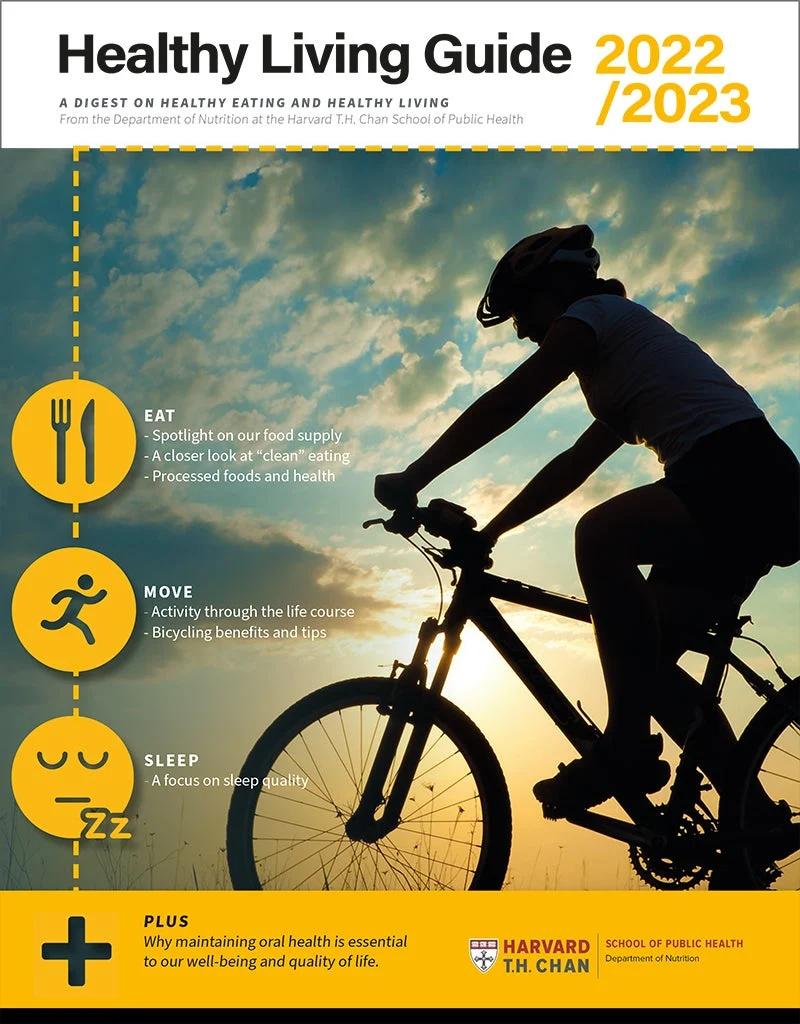
The Healthy Living Guide, published by the Harvard T.H. Chan School of Public Health, serves as a practical companion to these high-level objectives. It translates academic research into actionable advice, focusing on the premise that while policy change is slow, individual behavioral adjustments can yield immediate, cumulative health benefits.
Chronology: A Half-Century of Evolution
To understand the significance of the 2022 initiatives, one must look at the historical trajectory of American nutrition policy:
- 1969: The Nixon Era Conference: The first White House Conference on Food, Nutrition, and Health laid the groundwork for the modern food assistance safety net, including the expansion of the Food Stamp Program (now SNAP) and the creation of the WIC program.
- 1980–2020: The Rising Tide of Chronic Disease: Over the subsequent decades, the U.S. saw an unprecedented surge in diet-related chronic diseases. The standard American diet shifted toward ultra-processed, calorie-dense, and nutrient-poor foods.
- September 2022: The Second White House Conference: After 53 years, the Biden-Harris administration convened experts, industry leaders, and advocates to establish a new roadmap. The strategy was explicitly tied to the 2030 deadline for national health goals.
- January 2023: The Release of the Healthy Living Guide: Following the conference, nutrition experts aimed to synthesize the outcomes of the summit into a digestible, printable format for the public, encouraging personal engagement with the national goal of better health.
Supporting Data: The Urgent Need for Reform
The impetus for this national strategy is grounded in sobering statistics. According to the U.S. Department of Agriculture (USDA) and the Centers for Disease Control and Prevention (CDC), the cost of inaction is catastrophic.
- Food Insecurity: In 2022, over 34 million people, including 9 million children, lived in food-insecure households in the United States.
- Chronic Disease Burden: Diet-related illnesses are currently the leading cause of death and disability in the country. The economic burden of these diseases—measured in both direct healthcare costs and lost productivity—exceeds $1 trillion annually.
- The Sustainability Gap: Nutrition experts note that current food production systems are a leading driver of environmental degradation. Greenhouse gas emissions from industrial agriculture and the depletion of water resources are creating a feedback loop where the climate crisis further threatens food security.
Official Responses and Expert Critique
While the administration’s plan was welcomed by many, it was met with a nuanced reception from the scientific community. Experts from the Harvard T.H. Chan School of Public Health, including Drs. Frank Hu, Walter Willett, and Lilian Cheung, highlighted critical areas where the strategy fell short.
In a formal reflection, these experts argued that the government failed to address the "upstream" drivers of poor health. Specifically, they pointed to the lack of aggressive policies to protect children from the predatory marketing of sugary beverages and highly processed snacks. Furthermore, they emphasized that the strategy lacks a robust framework for transforming the agricultural system to be more resilient against climate change.
"To have a significant impact, the administration must bring together the public and private sectors, along with philanthropists, academia, and individuals to develop truly sustainable food systems that support both public and planetary health," the experts noted. Their critique underscores the view that nutrition is not merely a clinical issue, but an ecological and economic one.
Implications: Moving from Policy to Plate
The core message for the public in 2023 is one of empowerment. While the government navigates the legislative hurdles of food labeling reform and agricultural subsidies, the Healthy Living Guide advocates for the "power of the small."
1. The Power of Small Habits
The Guide emphasizes that health is not a destination but a continuous process of incremental adjustments. Whether it is swapping a refined carbohydrate for a whole grain, increasing daily water intake, or choosing to walk an extra ten minutes a day, these micro-behaviors are the building blocks of long-term wellness.
2. Food Systems and Sustainability
The implication for the average consumer is that their shopping list is a vote for the future of the planet. By prioritizing locally sourced produce, plant-forward diets, and reducing food waste, individuals contribute to the systemic health of the environment—a key component of the "planetary health" model promoted by leading nutritionists.
3. Advocacy and Literacy
The Guide serves as a tool for health literacy. In an age of misinformation, having a peer-reviewed, evidence-based resource is essential. The inclusion of printable tip sheets and interactive knowledge tests encourages families to engage with nutrition as a collaborative, ongoing educational project rather than a static set of rules.
The Future of Healthy Living
As we progress through the mid-2020s, the intersection of food policy and public health will remain a contentious and vital area of national focus. The 2022 conference provided a necessary starting point, but the work of 2023 and beyond requires sustained pressure from the public to hold policymakers accountable for the promised systemic changes.
In the meantime, the Healthy Living Guide acts as a vital bridge. It empowers citizens to take control of their nutritional destiny while simultaneously encouraging them to look beyond their own dinner plates. By fostering an informed populace that understands the connection between their health, the food system, and the environment, we create the necessary political and social momentum to reach the 2030 goals.
The path to a healthier nation is complex, involving everything from global agricultural reform to the simple, daily act of choosing a piece of fruit over a processed snack. However, as the experts note, no change is too small to contribute to the greater good. By downloading the Healthy Living Guide and engaging with its evidence-based strategies, individuals are taking the first step toward a more sustainable, vibrant, and nourished future.
For those looking to deepen their knowledge, the 2023 Healthy Living Guide provides a comprehensive summary of the latest in nutritional science, along with tools for tracking progress and implementing healthy changes. Readers are encouraged to review previous editions to track the evolution of these guidelines and test their knowledge of the essential principles that govern a healthy life.