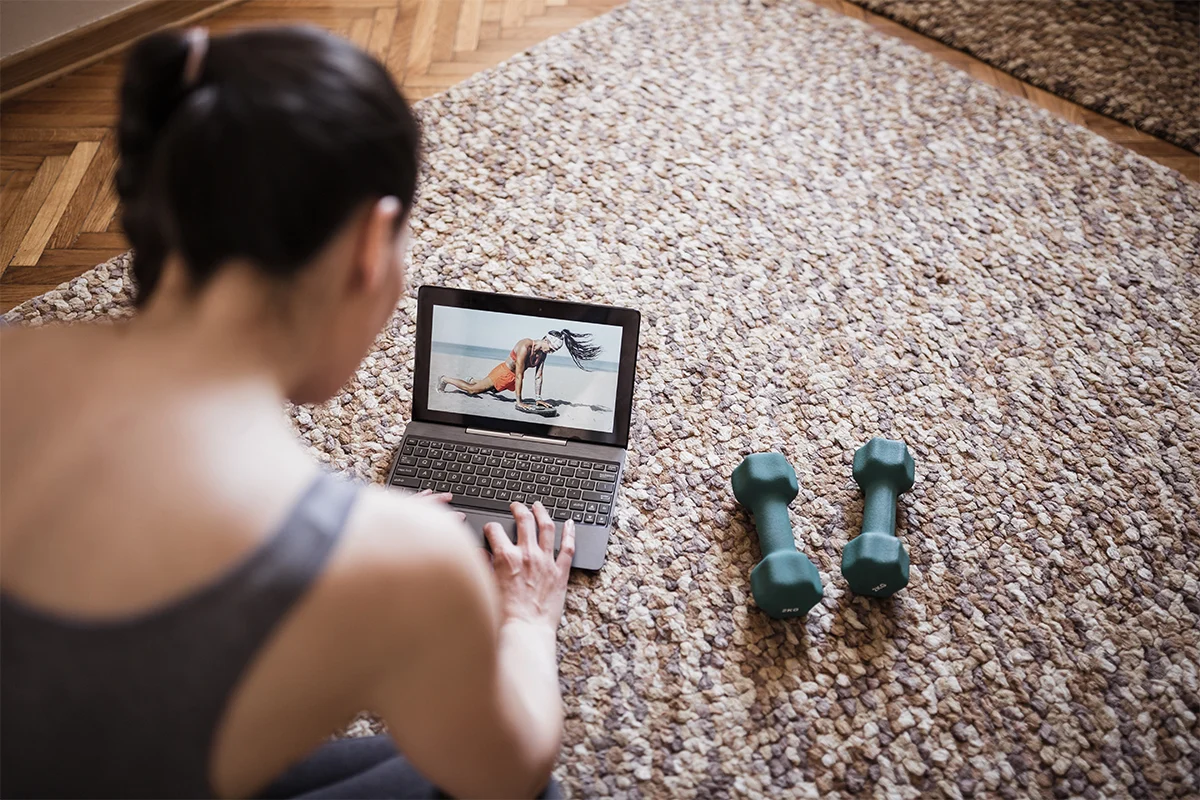
As the global wellness sector undergoes a rapid digital transformation, the integration of Artificial Intelligence (AI) has shifted from a futuristic concept to an everyday reality. From wearable sensors that track minute-by-minute physiological recovery to algorithms that optimize exercise prescriptions, the tools at a trainer’s disposal are becoming exponentially more powerful. Yet, a critical question remains: How are the professionals on the front lines of health and fitness adapting to this technological wave?
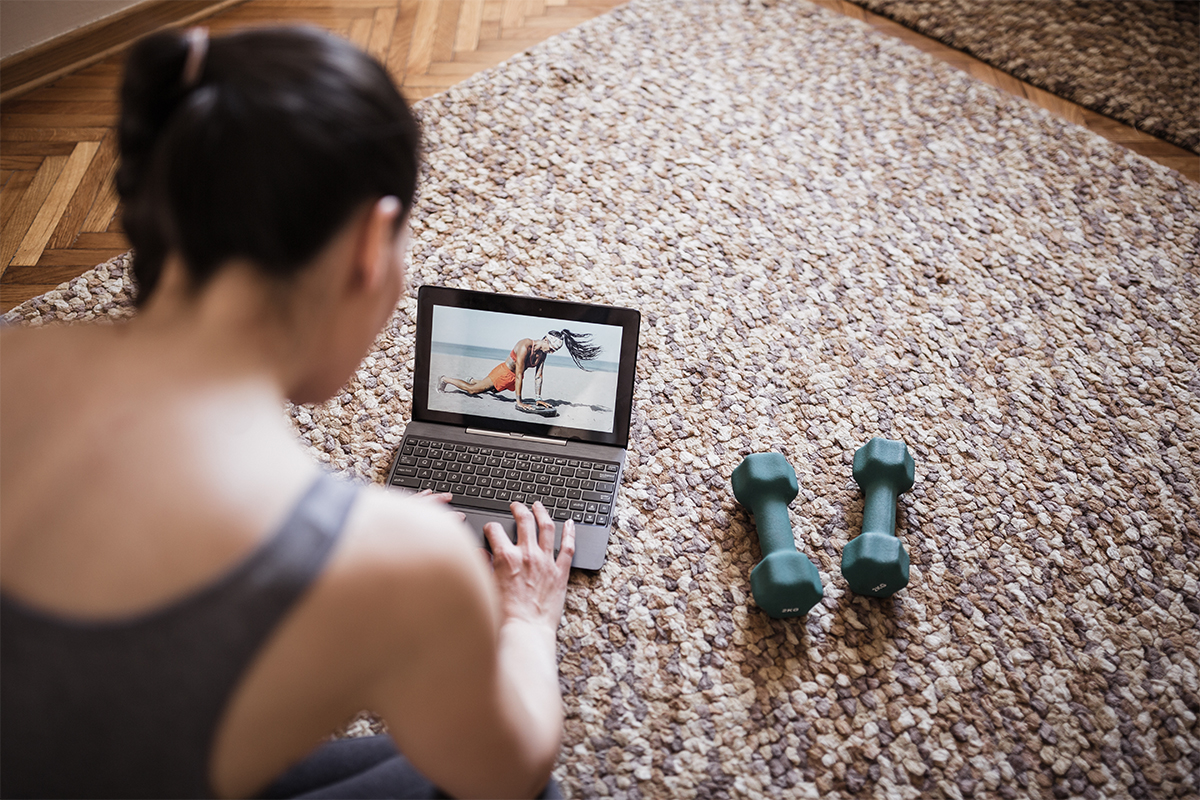
A landmark cross-sectional study conducted in early 2026, featuring insights from 74 veteran industry professionals, reveals a workforce at a crossroads. While the industry is embracing the efficiency gains offered by machine learning, there remains a profound commitment to the human-centric nature of coaching. The findings, published in the 2026 Fitness Journal, offer a comprehensive look at how the fitness sector is reconciling high-tech innovation with high-touch service.

The State of the Industry: A Snapshot of 2026
The survey, which concluded on February 13, 2026, drew participants from organizations including the IDEA Health and Fitness Association and KIPS Education. The resulting dataset provides a window into a highly seasoned workforce:

- Deep Experience: More than two-thirds (66.2%) of respondents boast over 15 years of industry experience.
- High Academic Standing: Over 75% hold at least a bachelor’s degree, with more than one-third having earned graduate-level qualifications.
- Professional Alignment: 94.6% hold at least one major certification (ACE, ACSM, NASM, or AFAA), signaling a workforce that values evidence-based, credentialed practice.
- Entrepreneurial Spirit: One-third of the respondents (33.8%) operate as independent contractors or self-employed professionals, a demographic particularly sensitive to shifts in business efficiency and service delivery.
Chronology of Digital Integration
The evolution of fitness technology has not been sudden, but rather a steady accumulation of capabilities.

- Phase 1 (The Wearable Era): Initial adoption of heart rate monitors and pedometers. This established the baseline for consumer comfort with data tracking.
- Phase 2 (The Data Analytics Boom): The introduction of sophisticated sleep tracking, HRV (heart rate variability) monitoring, and mobile apps that began aggregating health data into actionable insights.
- Phase 3 (The AI Acceleration): The current landscape, where machine learning algorithms analyze training history and biometric data to generate automated exercise recommendations, marking the transition from "data collector" to "data-driven coach."
Supporting Data: The Reality of AI Usage
Despite the hype surrounding AI, the survey data highlights a nuanced reality. While general technology usage is high—with most professionals expressing comfort with apps and wearables—AI-specific integration is in its infancy.

Approximately half of the survey respondents report that they "never or rarely" use AI tools in their daily practice. Among those who do, usage is largely functional rather than transformative. The most common applications include:

- Program Design: Utilizing AI to build initial templates.
- Administrative Efficiency: Using chatbots or AI assistants to handle scheduling, email drafting, and basic marketing tasks.
- Performance Monitoring: Leveraging smart wearables to track client progress.
More advanced applications, such as predictive analytics for injury prevention or virtual reality-based training, remain on the periphery, utilized by only a small fraction of the workforce.

Perceptions and Ethical Barriers
The divide between the potential of AI and its current application is driven by significant, identified barriers. The most prominent concerns among professionals are accuracy and reliability. In an industry where one wrong movement or an ill-advised load prescription can lead to injury, the "black box" nature of some algorithms remains a major point of skepticism.

Privacy and Data Security
As AI systems require vast amounts of personal health data to function, concerns regarding privacy and the ethical management of sensitive information have surfaced. The study notes that transparency in algorithm design is no longer just a technical issue—it is a cornerstone of professional ethics.

The Fear of Obsolescence vs. Evolution
Contrary to popular alarmist narratives, the survey suggests that fitness professionals are not particularly concerned about being "replaced." Only a small minority of respondents expressed significant anxiety about AI rendering their roles obsolete. Instead, the consensus view is that AI will act as a "force multiplier." The role of the professional is predicted to shift away from manual programming and toward high-level interpretation, behavioral coaching, and emotional support—areas where human empathy remains irreplaceable.

Official Responses and Expert Perspective
Dr. Jan Schroeder, Ph.D., a leader in Kinesiology at California State University, Long Beach, and the 2021 IDEA Leader of the Year, emphasizes that the industry must view AI as a decision-support system.

"AI can process data at speeds humans cannot," Dr. Schroeder notes. "It can identify patterns in a client’s training history that a busy trainer might miss. However, it cannot replicate the nuance of a conversation about a client’s stress levels, their psychological readiness for a heavy lifting session, or the unique, lived experience that defines a successful coaching relationship."

The consensus among experts is clear: The future belongs to the "hybrid coach"—the professional who uses AI to handle the logistical and analytical heavy lifting, freeing up their time to focus on the human connection that drives long-term adherence and lifestyle change.

Implications for the Future
What does this mean for the fitness professional of the next decade? The implications are three-fold:

1. The Need for "Digital Fluency"
The survey highlights a "critical opportunity" for professional development. As AI becomes an industry standard, the ability to prompt, audit, and interpret AI-generated data will become a required skill set. Organizations that provide training on these tools will likely gain a competitive advantage in the market.

2. A Shift in Certification Standards
As AI takes over basic tasks like routine program design, the value of certification will likely shift. Future credentials may place more emphasis on "soft skills"—motivational interviewing, complex problem-solving, and emotional intelligence—as these are the areas where AI is least capable.

3. The Primacy of Human Connection
Perhaps the most significant takeaway from the 2026 data is the resilience of the human element. Even as AI becomes more sophisticated, the vast majority of professionals rated human interaction as "very or extremely important." The industry is not moving toward a robotic future; it is moving toward a future where technology makes the human experience of health and fitness more personalized, more efficient, and, ultimately, more effective.

Conclusion: The Path Forward
The integration of AI into the fitness industry is not a race to replace the human, but a challenge to elevate the role of the coach. The current landscape is one of cautious optimism. Professionals are recognizing that while the "machine" can provide the "what" (e.g., the specific weight to lift or the ideal heart rate zone), the "human" must provide the "why" and the "how."

For the modern trainer, the path to success lies in mastery of the middle ground: leveraging the data-driven insights of artificial intelligence to ensure precision, while doubling down on the empathy, motivation, and professional judgment that can only come from a human partner. The era of the digital-physical hybrid is here, and those who embrace it as a tool—rather than fearing it as a competitor—will define the future of global wellness.

Summary for Professionals: Integrating AI Today
If you are looking to begin your journey with AI, consider these practical, low-risk starting points:

- Administrative Optimization: Use AI to draft client newsletters, simplify complex training research into client-friendly language, or organize your booking calendar.
- Data Synthesis: Use AI tools to quickly summarize wearable tech data trends for your clients, highlighting recovery scores or sleep quality improvements.
- Template Generation: Use AI as a "sounding board" for exercise programming, using it to generate initial ideas for specific populations, which you then refine based on your expert knowledge.
Ethical Mandate: Always maintain human oversight. AI-generated recommendations should be treated as suggestions, not mandates. Always obtain explicit client consent before inputting their data into third-party AI platforms, and ensure that you remain the final authority on all safety-related decisions.