Introduction: The Evolving Landscape of Health
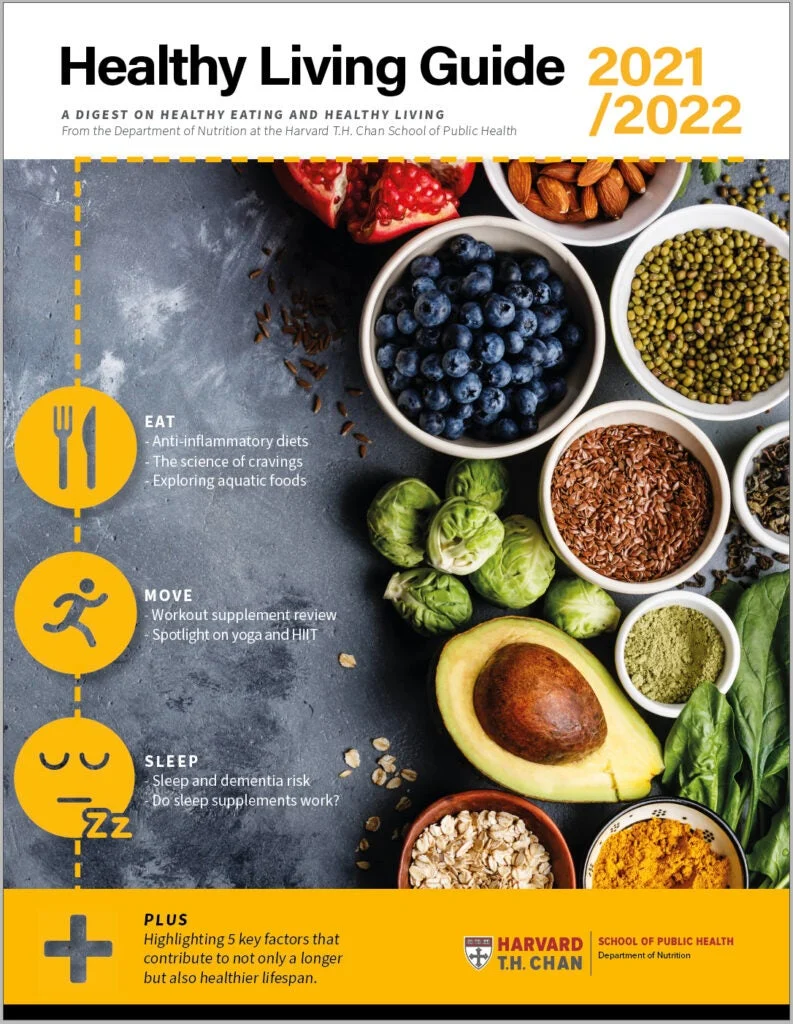
As we transition further into the third year of a global health crisis that fundamentally altered our daily rhythms, the definition of "healthy living" has undergone a radical transformation. The year 2021 served as a societal bridge—a period defined by the attempt to reconcile pre-pandemic norms with the ingrained habits of a lockdown era. From the way we source our food to the way we prioritize sleep and physical activity, the Harvard T.H. Chan School of Public Health’s Healthy Living Guide offers a crucial roadmap for navigating this "new normal."
Main Facts: The Shift in Consumer Behavior
The transition from 2020 to 2021 saw a significant recalibration in American dietary habits. Data indicates that the initial reactive behaviors triggered by the onset of the pandemic—namely, impulsive snacking and overeating—began to wane.
According to the 2021 Food & Health Survey, the percentage of Americans reporting that they were "snacking more" dropped from 32% in 2020 to 18% in 2021. Similarly, reports of "eating more in general" plummeted from 20% to 11%. These statistics suggest a stabilization of household food consumption as people adjusted to the prolonged uncertainty of the pandemic.
However, this stabilization came with a trade-off. The home-cooking boom that defined 2020, where 60% of consumers reported cooking more at home, saw a decline to 47% in 2021. As mobility increased and restaurants reopened, the reliance on home-prepared meals began to recede, raising questions about the long-term sustainability of the nutritional gains made during the peak of the lockdowns.
Chronology: A Timeline of Pandemic Lifestyle Shifts
- Early 2020 (The Lockdown Phase): Sudden shifts in lifestyle led to a surge in home cooking, increased interest in sourdough and pantry staples, and a spike in stress-related snacking.
- Late 2020 (The Adaptation Phase): The initial shock wore off, leading to a focus on home fitness and long-term health maintenance.
- 2021 (The Transition Phase): A "new normal" emerged. Vaccination rollouts allowed for a return to some pre-pandemic activities. Consumer survey data showed a regression toward 2019-era habits, including less home cooking and a decrease in stress-snacking.
- 2022 and Beyond (The Resilience Phase): The focus shifts toward systemic health, addressing global vaccine equity, and integrating the lessons of the previous two years into a permanent lifestyle framework.
Supporting Data: Understanding the Nutritional Divide
While many Americans shifted their habits, the pandemic also exacerbated deep-seated disparities in food security. The data highlights a troubling reality: while some households had the luxury of experimenting with new diets or home-cooking techniques, others faced unprecedented challenges in accessing basic nutrition.
The decline in home cooking observed in 2021 does not necessarily reflect an improvement in health. Rather, it reflects a return to time-poor lifestyles where convenience often supersedes nutritional quality. Furthermore, the correlation between global health outcomes and local nutrition remains a critical area of study. The persistence of COVID-19 variants serves as a stark reminder that personal health—including immune support through balanced nutrition—is inextricably linked to global public health infrastructure.
Official Responses and Public Health Guidance
Public health authorities, including researchers at Harvard, have emphasized that the path forward requires a return to the "core pillars" of wellness:
- Mindful Eating: Moving away from the stress-driven consumption patterns of 2020 and focusing on nutrient-dense, whole-food diets.
- Physical Activity: Re-establishing routines that combat the sedentary nature of remote work and digital life.
- Sleep Hygiene: Acknowledging that sleep is not a luxury but a fundamental component of immunity and emotional regulation.
- Global Health Equity: Recognizing that no individual is truly "safe" or "healthy" until the global community achieves equitable access to vaccination, particularly in low- and lower-middle-income countries.
The Healthy Living Guide acts as an official repository for these recommendations, providing actionable, evidence-based tip sheets designed to simplify the complexities of modern nutrition science.
Implications: Building Long-Term Resilience
The implications of these trends are far-reaching. If the gains in home cooking and mindful snacking are lost, we risk returning to a pre-pandemic baseline of poor metabolic health, which we now know increases vulnerability to severe outcomes from infectious diseases.
The Role of Education
Knowledge remains our most potent tool. By understanding the "why" behind dietary choices, individuals can make more informed decisions. The Healthy Living Guide emphasizes that health is not a destination but a continuous process of adaptation. It encourages readers to test their own knowledge, challenging them to reflect on the habits they formed during the pandemic and decide which ones are worth keeping.
Nutrition as a Public Health Strategy
The pandemic has taught us that health is a collective endeavor. When we discuss "healthy living," we are not just discussing individual weight management or fitness; we are discussing the resilience of the workforce, the stability of our healthcare systems, and our collective ability to withstand future biological threats. The Harvard T.H. Chan School of Public Health advocates for a holistic view: one where policy, individual behavior, and global awareness intersect.
Conclusion: A Blueprint for 2022 and Beyond
As we move further into the future, the lessons of the last two years should not be discarded. We have learned that we are capable of radical shifts in behavior when the situation demands it. The challenge for 2022 and beyond is to maintain that sense of urgency and agency in our daily health choices.
Whether you are looking to refine your diet, optimize your sleep patterns, or simply better understand the nutrition landscape, the Healthy Living Guide provides the necessary resources. By integrating these practices into our daily lives, we do more than just improve our individual well-being—we contribute to a more resilient society.
We invite you to download the Healthy Living Guide (PDF) to access printable tip sheets and in-depth summaries. Additionally, revisiting the 2020-2021 edition can provide a valuable baseline to track how far we have come.
Remember, healthy living is an iterative process. As the world continues to change, so too must our approach to health—with science, empathy, and consistent action as our guides.
Quick Tips for Sustaining Healthy Habits
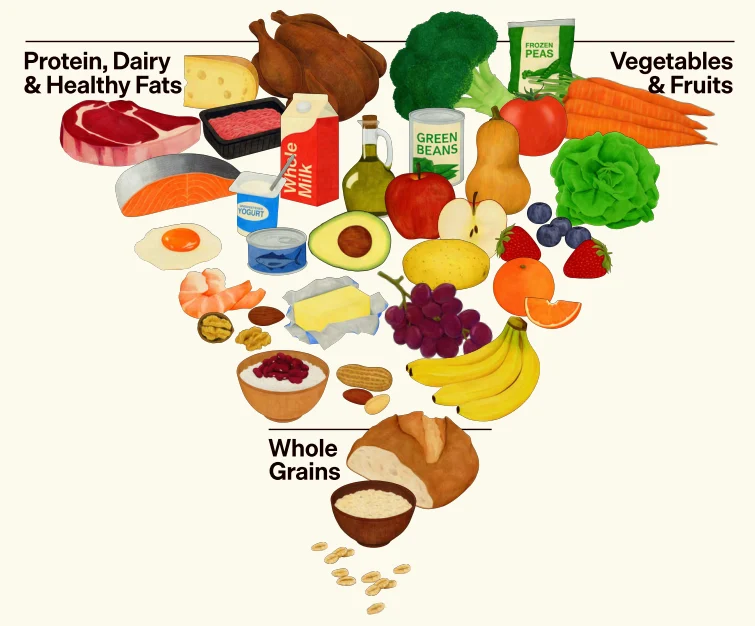
- Prioritize Whole Foods: Focus on fruits, vegetables, whole grains, and healthy proteins.
- Audit Your Schedule: Ensure that exercise and sleep are scheduled as non-negotiable appointments.
- Stay Informed: Rely on peer-reviewed, evidence-based sources like the Harvard Nutrition Source to filter out fad diets and misinformation.
- Stay Involved: Recognize the link between personal health and global equity; support efforts that provide health resources to underserved populations.
For more information on these topics, please visit the official Harvard T.H. Chan School of Public Health website to access the full library of research and lifestyle articles.