



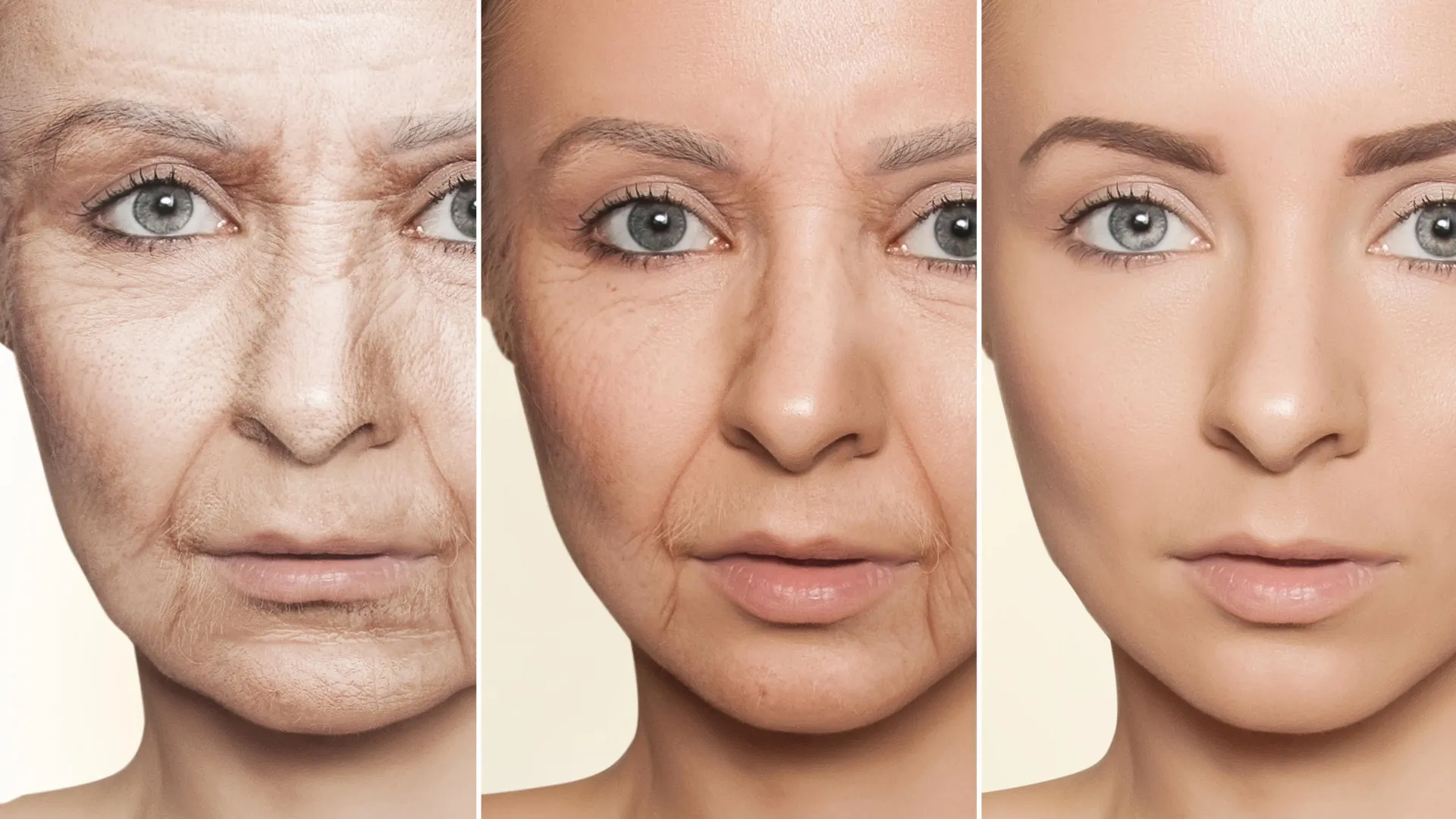
For centuries, aging was viewed as an inevitable "wear and tear" process—a slow, systemic breakdown of the body’s machinery, akin to a machine rusting over time. However, a groundbreaking study published in PLOS Biology is challenging this paradigm. Scientists may have uncovered a "master switch" located within the brain that regulates the pace at which we age.
The research identifies a protein known as Menin, which, when expressed in the hypothalamus, acts as a guardian against systemic decline. When levels of this protein drop, the body doesn’t just get older; it accelerates into a state of inflammation, cognitive fog, and physical frailty. By restoring this protein in laboratory models, researchers have successfully reversed markers of aging, offering a tantalizing glimpse into a future where the biological clock might be dialed back.
The Central Command Center: Why the Hypothalamus Matters
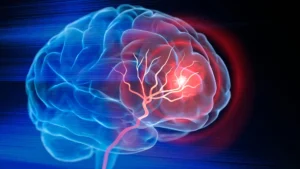
The hypothalamus is a tiny, almond-sized structure nestled deep within the brain, yet its influence is gargantuan. As the body’s primary regulatory hub, it oversees the autonomic nervous system and endocrine activity, controlling fundamental life processes such as metabolic rate, body temperature, hunger, sleep cycles, and the body’s response to stress.
In recent years, the scientific community has pivoted toward the theory that the hypothalamus is not merely a regulator of daily functions, but a "central command center" for the aging process itself. This hypothesis suggests that aging is not a passive decay of cells across the body, but rather an active, regulated biological program orchestrated by the brain.
The study, led by Lige Leng and her colleagues at Xiamen University, builds upon this theory by identifying a specific molecular mechanism—the Menin protein—that governs this hypothalamic aging process.
Chronology of a Discovery: From Neural Decline to Rejuvenation
The journey to this discovery began with a simple observation: Menin levels were significantly lower in the brains of elderly mice compared to their younger counterparts.
The Investigation Phase
Leng’s team focused specifically on the ventromedial hypothalamus (VMH), a critical area known for its role in systemic metabolism and aging. Through a series of high-precision imaging and molecular assays, they confirmed that Menin expression was not uniform; while support cells like astrocytes and microglia remained relatively stable, the neurons within the VMH experienced a sharp, age-dependent decline in Menin.
The Knockout Experiment
To confirm that this protein was a driver of aging rather than just a byproduct, the researchers engineered a group of mice with reduced Menin activity. The results were immediate and profound. Within a short window, these mice began to exhibit classic symptoms of advanced age:
- Systemic Inflammation: An uptick in markers of neuroinflammation.
- Physical Deterioration: Thinning of the skin and a measurable loss in bone mass.
- Motor Impairment: A noticeable loss of balance and coordination.
- Cognitive Decline: Significant memory deficits.
- Lifespan Reduction: A shorter life expectancy compared to control groups.
The Restoration Breakthrough
The most compelling phase of the research involved intervention. The team delivered the Menin gene directly into the hypothalami of 20-month-old mice—the equivalent of late-life in human years. In just 30 days, these elderly mice showed a remarkable reversal of age-related phenotypes. Their learning capabilities improved, their bones became denser, their skin thickened, and their balance returned to levels seen in much younger animals.
The D-Serine Connection: Bridging the Cognitive Gap
While Menin’s role as an anti-aging factor was significant, the researchers were particularly intrigued by a secondary chemical messenger involved in the process: D-serine.
D-serine is an amino acid that functions as a neurotransmitter, playing a critical role in "synaptic plasticity"—the brain’s ability to create and strengthen the connections necessary for learning and memory. The team discovered that Menin acts as a gatekeeper for D-serine production. When Menin levels fall, the enzyme responsible for synthesizing D-serine is downregulated, leading to a "serine deficiency" that contributes directly to cognitive impairment.
The Supplementation Trial
Recognizing that D-serine is naturally found in foods like eggs, fish, soybeans, and nuts—and is readily available as a dietary supplement—the researchers tested it in isolation. While the results were not as comprehensive as restoring the Menin protein, older mice receiving D-serine showed clear improvements in cognitive performance. However, because the supplementation did not reverse physical markers like bone density or skin thinning, the team concluded that Menin serves as a "master regulator" that influences multiple, complex pathways, of which D-serine is only one.
Supporting Data: The Expanding Field of Hypothalamic Aging
The Xiamen University study does not exist in a vacuum. It is part of an emerging body of research that suggests the brain is the primary architect of systemic aging.
A 2024 study published in Nature Communications provided further evidence for this view, highlighting how the hypothalamus undergoes unique epigenetic changes—specifically in DNA methylation—as organisms age. These shifts in the "biological code" of the hypothalamus influence pathways linked to critical hormones like oxytocin and gonadotropin-releasing hormone (GnRH).
These findings collectively suggest that the aging process is a cascading event. If the hypothalamus becomes "dysregulated," it sends out suboptimal hormonal signals that dictate how the rest of the body maintains its tissues, processes energy, and repairs DNA. By stabilizing the hypothalamus, scientists are effectively arguing that we can reset the instructions sent to the rest of the body.
Official Responses and Expert Perspective
The scientific community has reacted with cautious optimism. Dr. Lige Leng, the lead researcher, has emphasized the transformative potential of these findings.
"We speculate that the decline of Menin expression in the hypothalamus with age may be one of the driving factors of aging," Leng stated in a press release following the publication. "Menin appears to be the key protein connecting the genetic, inflammatory, and metabolic factors of aging. While we have much to learn, D-serine stands out as a potentially promising, accessible therapeutic for cognitive decline."
The research team remains transparent about the limitations of the current data. Because the study was conducted exclusively on mice, there is a significant "translation gap" to bridge before these results can be applied to humans. Furthermore, the brain is a highly sensitive, homeostatic environment. Manipulating the proteins or neurotransmitters within the hypothalamus carries the risk of "off-target" effects, where the benefits of increased cognition might be offset by unintended disruptions to hormonal or metabolic balance.
Implications: The Future of Anti-Aging Therapeutics
The implications of this study are profound, shifting the focus of anti-aging research from peripheral organs—like skin, joints, or cardiovascular tissue—to the central nervous system.
1. A New Class of "Neuro-Anti-Aging" Drugs
If Menin can be targeted safely, it could lead to a new class of pharmacological interventions designed to prevent age-related decline before it manifests as disease. Instead of treating Alzheimer’s or osteoporosis as separate conditions, physicians might one day treat the "hypothalamic instability" that causes them.
2. Nutritional Intervention
The link to D-serine is particularly exciting for the nutraceutical industry. If D-serine supplementation can indeed provide a measurable boost to synaptic plasticity, it could offer a low-risk, dietary-based approach to mitigating early-stage cognitive decline, provided that safe, long-term dosage profiles can be established.
3. Precision Medicine
The research suggests that individuals may age at different rates based on the specific decline of proteins like Menin. Future diagnostics might involve monitoring the hypothalamic-pituitary axis more closely, allowing doctors to identify "early agers" and provide interventions tailored to their specific biological deficiencies.
4. Ethical and Philosophical Considerations
As we edge closer to the ability to "reverse" aging, society must grapple with the ethical implications. If aging is truly a modifiable biological state, it challenges the fundamental human experience. Who would have access to such treatments? Would "slowing the clock" lead to a permanent divide between those who can afford to maintain their biological peak and those who cannot?
Conclusion: A New Horizon
While the dream of a "fountain of youth" remains elusive, the discovery of the Menin-D-serine pathway provides the most concrete map we have ever had. By viewing the hypothalamus as a programmable center, rather than an aging machine, scientists have opened the door to a new era of medicine.
The path from mice to humans is long and fraught with challenges, and much work remains to be done to ensure safety and efficacy. However, for the first time, we have a clear target. We are no longer just observing the symptoms of aging; we are beginning to understand the machinery that drives it. Whether this knowledge will allow us to extend the human "healthspan"—the period of life spent in good health—is the next great question for the 21st century. As research continues, the humble Menin protein may well become the symbol of a future where we do not simply endure the passage of time, but actively manage our biological destiny.