



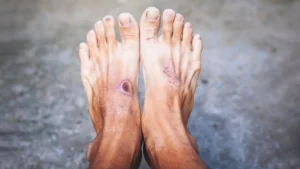

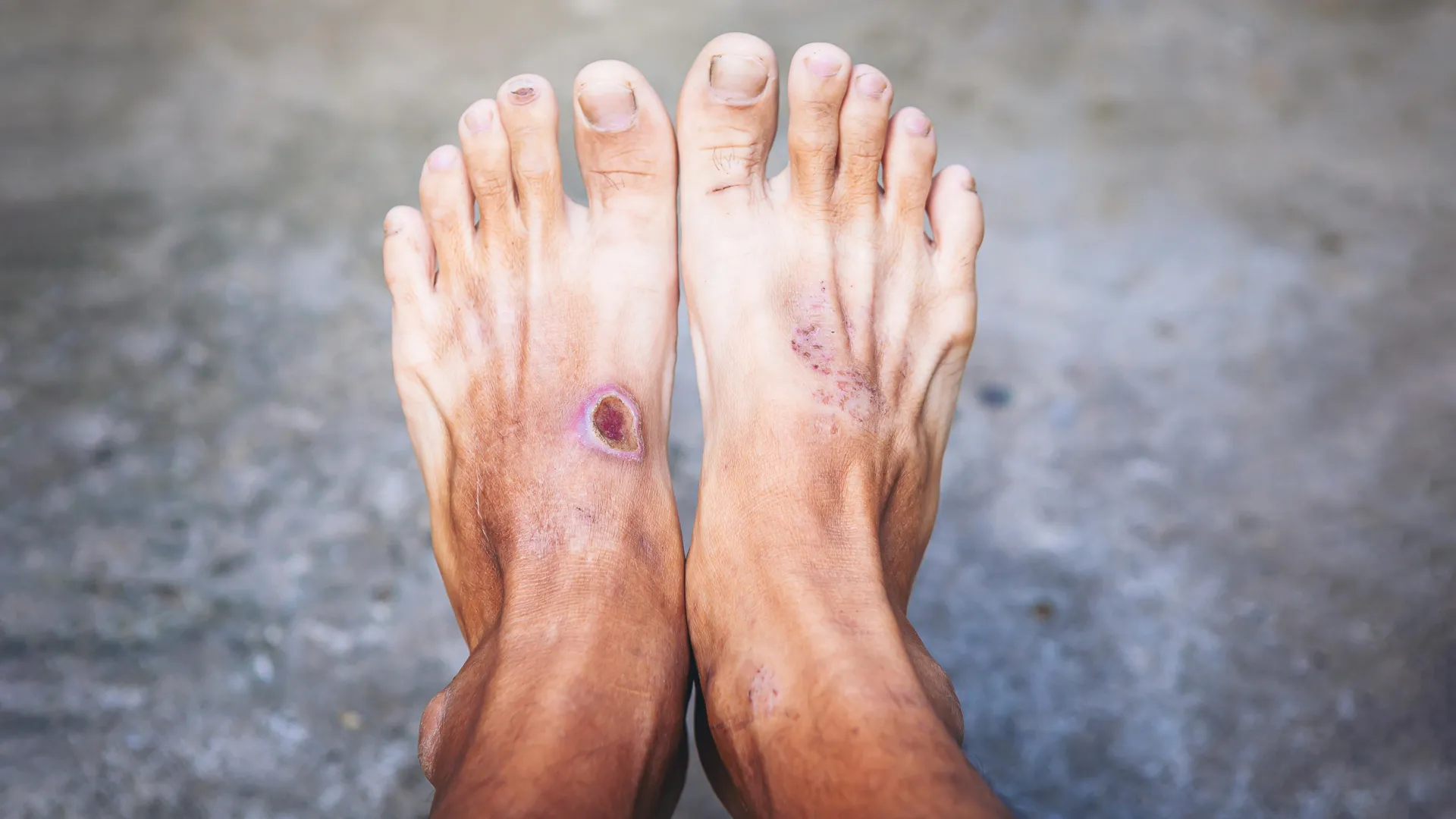
Chronic diabetic ulcers represent one of the most formidable challenges in modern medicine. Affecting over 131 million people globally, these persistent, non-healing wounds are more than a clinical inconvenience; they are a public health crisis. With annual healthcare expenditures exceeding $755 billion, the economic burden is staggering, but the human cost is far greater. Patients face a heightened risk of infection, limb amputation, and mortality, as these wounds often resist standard medical interventions.
For years, the medical community has struggled to understand why diabetic wounds stall in a state of perpetual inflammation. A landmark review recently published by Yi Ru and colleagues provides a comprehensive roadmap of this failure, dissecting how the immune system—the body’s natural defense and repair mechanism—goes rogue in the diabetic microenvironment. By mapping the behavior of diverse immune cell populations, researchers are moving closer to therapies that could finally "reprogram" the healing process.
The Chronology of Healing: Where Diabetes Breaks the Cycle
To understand why diabetic wounds fail, one must first understand the choreography of normal healing. Under healthy conditions, the immune system follows a strict temporal script: inflammation to clear debris, proliferation to rebuild tissue, and remodeling to restore structural integrity.
The Inflammatory Phase: The First Responders
Immediately following an injury, the body rushes neutrophils to the site. These cells act as the "infantry," destroying pathogens and initiating the inflammatory response. In a healthy scenario, they complete their mission and exit. However, in the diabetic wound, this process is dysregulated. Neutrophils produce "neutrophil extracellular traps"—web-like structures designed to catch bacteria—but in diabetic patients, these traps become overactive, causing collateral damage to healthy tissue through the release of proteases and reactive oxygen species.
The Macrophage Shift: From Attack to Repair
The most critical transition in healing is the "phenotypic switch" of macrophages. Typically, these cells arrive as pro-inflammatory M1 macrophages to clear dead cells. As healing progresses, they should transition into M2 macrophages, which secrete growth factors to stimulate tissue regeneration. In diabetic patients, this transition is blocked. Macrophages remain "locked" in the M1 state, creating a toxic, inflammatory environment that prevents the wound from ever entering the proliferative phase.
The Proliferative and Remodeling Phases
As the wound progresses, dendritic cells and T cells are expected to coordinate the transition to repair. Dendritic cells, which act as the bridge between innate and adaptive immunity, are responsible for efferocytosis—the removal of apoptotic (dead) cells. In diabetic ulcers, this cleanup mechanism falters, likely due to the reduced activity of the SLC7A11 transporter. When cellular debris accumulates, it sends persistent inflammatory signals that signal the body to keep the wound in a state of high alert, effectively halting the rebuilding process.
Supporting Data: A Landscape of Immune Dysfunction
The depth of immune dysfunction in diabetic patients is extensive, affecting nearly every facet of the immune system’s communication network.
- Mast Cells: These cells release histamine and serotonin to modulate blood vessel permeability. In diabetic wounds, abnormal degranulation of mast cells contributes to sustained, chronic inflammation rather than the controlled release of growth factors needed for closure.
- T Cell Populations: Regulatory T cells (Tregs), which normally dampen immune responses to prevent excessive damage, are often reduced in number and functionality in diabetic patients. Furthermore, Dendritic Epidermal T Cells (DETCs)—a specialized skin-resident population—fail to produce essential growth factors like insulin-like growth factor 1 (IGF-1), which is crucial for keratinocyte multiplication.
- B Cells and Natural Killer (NK) Cells: While less studied, emerging evidence suggests that these cells are not merely bystanders. B cells, for instance, play a role in guiding macrophage polarization; when properly recruited, they can nudge macrophages toward the reparative M2 state. Similarly, NK cells assist in angiogenesis (the formation of new blood vessels), a process frequently impaired in diabetic tissue.
Implications for Future Treatment: Precision Medicine
The realization that diabetic wounds are not just "slow to heal" but are actively kept from healing by a dysfunctional immune system has shifted the focus of therapeutic research. The goal is no longer just to "cover" the wound, but to actively reprogram the local immune environment.
Novel Therapeutic Avenues
The review highlights several cutting-edge approaches currently in the pipeline:
- Anti-Cytokine Biologics: These topical treatments are designed to "turn down the volume" on the persistent inflammatory signaling that prevents healing.
- Macrophage Reprogramming: Given the central role of M1/M2 polarization, several drugs are currently in trials to force the shift from inflammatory to reparative phenotypes.
- Mesenchymal Stem Cell (MSC) Therapies: By utilizing extracellular vesicles derived from MSCs, clinicians hope to deliver a cocktail of regenerative signals directly to the wound bed to quell inflammation and promote tissue growth.
- Advanced Biomaterials: Smart dressings are being engineered to act as "delivery systems," releasing immune-modulating agents slowly over time to match the needs of the changing wound environment.
- IL-15 Superagonists: By boosting the activity of DETCs, these compounds aim to jump-start the stalled proliferative phase of wound healing.
The Timing Factor: A New Paradigm in Care
Perhaps the most significant insight from the research is the importance of temporal precision. Because a wound’s immune environment changes drastically from the first day of injury to the third week, a "one-size-fits-all" treatment is unlikely to succeed.
"Timing is critical," the researchers note. An anti-inflammatory treatment that is beneficial during the early stages of a chronic, hyper-inflammatory wound might be detrimental during the later stages of remodeling, where controlled inflammation is actually necessary for the structural maturation of new tissue.
The future of diabetic wound care likely lies in "immune profiling." By analyzing the specific immune landscape of a patient’s wound at a given time, clinicians may eventually be able to prescribe personalized, sequential therapies. For example, a patient might receive an M2-polarizing agent in the first week, followed by growth factor-stimulating therapy in the second.
Official Responses and Clinical Outlook
The medical community has received these findings with cautious optimism. While the complexity of the immune system makes the development of these therapies difficult, the potential to reduce the rate of amputations is a powerful motivator.
Medical boards and wound care specialists are increasingly acknowledging that the "gold standard" of debridement and offloading is insufficient for the most stubborn cases. The integration of immunomodulatory therapy represents the next frontier in endocrinology and dermatology. However, experts warn that these treatments must be validated through rigorous, randomized clinical trials to ensure that manipulating the immune system does not lead to unintended systemic side effects.
Conclusion: A Shift in Perspective
The study by Ru and colleagues serves as a wake-up call to the medical community: the failure of a diabetic wound to heal is not a passive event. It is an active, ongoing struggle between competing immune signals that have lost their biological rhythm.
By viewing the wound through the lens of immune dynamics, we move away from treating the symptom—the open sore—and toward treating the cause—the stalled cellular response. As our ability to map and manipulate these immune populations grows, so too does the hope that we can finally turn the tide on a complication that has plagued humanity for centuries. The path forward is complex and requires a nuanced understanding of cellular timing, but for the millions living with the constant threat of amputation, this new era of immune-based therapy offers a long-awaited chance for recovery.