





In the landscape of oncology, the focus is traditionally centered on the tumor—its genetic mutations, its rate of proliferation, and its response to chemotherapy. However, a groundbreaking study from Hiroshima University suggests that the keys to long-term survival for patients battling pancreatic ductal adenocarcinoma (PDAC) may be found in a place clinicians have historically overlooked: the patient’s dental record.
According to research published in the Journal of Hepato-Biliary-Pancreatic Sciences, the number of natural teeth a patient possesses may serve as a significant, independent prognostic indicator for survival following surgical intervention for one of the world’s most lethal malignancies.
The Gravity of Pancreatic Cancer
Pancreatic ductal adenocarcinoma remains one of the most challenging diagnoses in modern medicine. Known for its aggressive nature and tendency to remain asymptomatic until it reaches an advanced stage, PDAC has a notoriously poor prognosis. Even for patients who qualify for radical pancreatectomy—a complex surgery involving the removal of all or part of the pancreas, and occasionally adjacent organs—the risk of recurrence and mortality remains high.
For decades, the medical community has sought to identify biomarkers and clinical factors that could predict which patients might thrive after surgery and which might struggle. While age, tumor stage, and lymph node involvement have been established as cornerstones of prognostic modeling, the influence of oral health has largely been relegated to the periphery of oncology.
The Hiroshima University team, led by Associate Professor Kenichiro Uemura of the Graduate School of Biomedical and Health Sciences, aimed to challenge this narrow scope by investigating whether the state of a patient’s oral cavity could provide a window into their body’s systemic resilience.
A Chronology of the Investigation
The study, which spanned eight years, meticulously tracked the health outcomes of 339 consecutive patients who underwent radical pancreatectomy at Hiroshima University Hospital between 2014 and 2022.
The methodology was designed to be both rigorous and comprehensive. Before undergoing their life-altering surgeries, every participant was subjected to a standardized dental examination. Researchers utilized two primary clinical metrics to assess the patients’ oral health:
- Total Natural Tooth Count: A simple tally of remaining natural teeth.
- Occlusal Status: An evaluation of the contact between the premolars and molars, which dictates the efficacy of chewing function.
By correlating these pre-operative dental snapshots with the long-term survival data of the cohort, the researchers were able to establish a compelling timeline of health outcomes that transcended traditional surgical oncology metrics.
The Data: A Two-Year Survival Gap
The findings were, by any measure, startling. The data revealed a clear, statistically significant divide in survival outcomes based on the number of natural teeth remaining at the time of surgery.
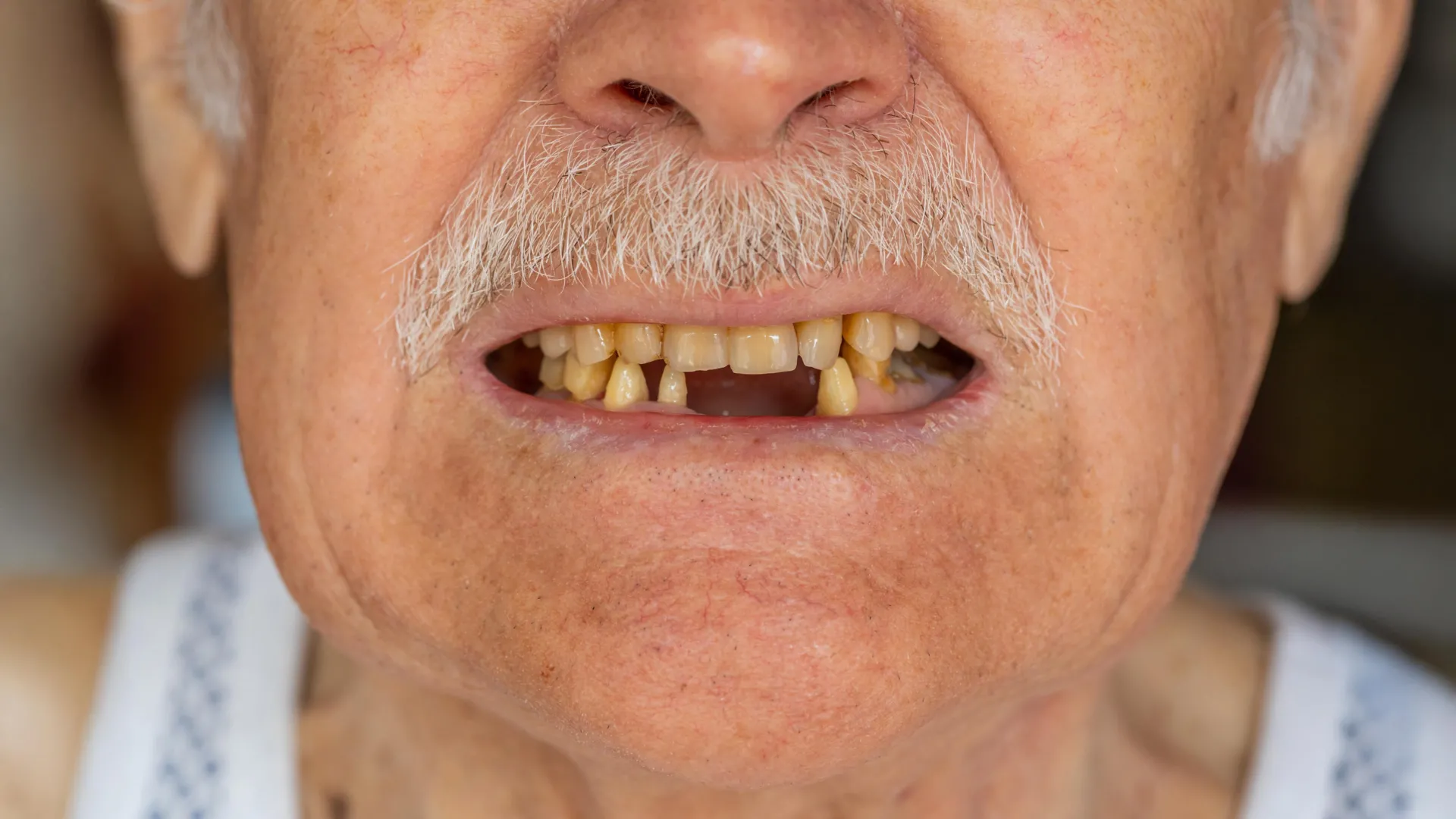
Patients who retained 21 or more natural teeth demonstrated a median overall survival of 60.7 months. In stark contrast, those with 20 or fewer natural teeth saw their median survival drop to 39.1 months. This represents a difference of nearly two years—a significant duration in the context of advanced cancer care.
Perhaps most crucially, this correlation held strong even when the researchers adjusted for well-established prognostic factors. By statistically controlling for tumor stage, lymph node metastasis, the presence of surgical margins, the administration of chemotherapy, and the patient’s nutritional status, the team ensured that the link between tooth count and survival was not merely a byproduct of other known variables. The "tooth factor" emerged as an independent predictor of success.
The Paradox of Chewing Function
One of the most counterintuitive aspects of the study was the assessment of occlusion. Given that dental health is often associated with the ability to consume a nutrient-dense diet, the researchers hypothesized that chewing ability would be a primary driver of survival.
However, the data told a different story. The status of posterior teeth occlusion—the physical mechanics of how well a patient could chew—did not show an independent association with survival.
This unexpected finding forced the researchers to pivot their interpretation. If the mechanical act of chewing was not the primary driver of survival, then the number of natural teeth must represent something much deeper. It was no longer just about the ability to break down food; it was about what the presence (or absence) of teeth symbolized regarding the patient’s physiological history.
The Mouth as a Reflection of Systemic Resilience
Professor Kenichiro Uemura and his team suggest that tooth loss should be viewed as a "cumulative biomarker." The loss of teeth over a lifetime is rarely an isolated event; rather, it is often the culmination of decades of systemic issues.
"One striking finding was the large survival difference between the groups," Uemura stated. "Another surprising finding was that chewing function itself was not independently associated with survival. This suggests that tooth loss may represent more than oral function alone. Instead, it may reflect lifelong chronic inflammation, frailty, nutritional condition, lifestyle factors, and overall systemic vulnerability accumulated over decades."
In essence, the researchers propose the concept that "the mouth may reflect the body’s long-term resilience." A patient who enters the surgical suite with a high count of natural teeth may be a patient who has maintained a lower baseline of systemic inflammation and a more stable nutritional profile throughout their life. Conversely, premature tooth loss may be a visible symptom of a body that has struggled with chronic stressors for years, potentially leaving it less equipped to withstand the metabolic and immune demands of recovering from a radical pancreatectomy.
Biological Connections: The Role of Inflammation
While the study establishes a strong clinical correlation, the team is already looking toward the next phase of research: understanding the biological mechanism.
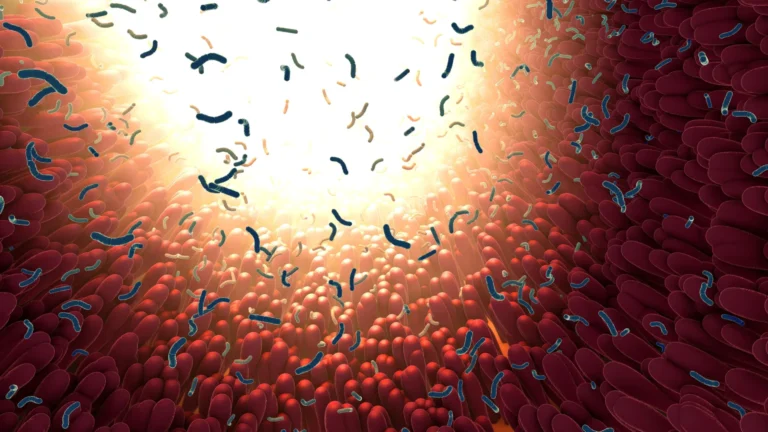
There is growing evidence in the oncological community that oral pathogens, such as Porphyromonas gingivalis, play a darker role in cancer progression than previously thought. These bacteria, common in periodontal disease, have been linked to the stimulation of tumor growth and the exacerbation of systemic inflammation. By traveling through the bloodstream or digestive tract, these pathogens may create a hostile environment that encourages the progression of pancreatic cancer.
The Hiroshima University team aims to investigate how these bacteria, the body’s inflammatory response, and the progression of PDAC are intertwined. By mapping these biological pathways, they hope to confirm that the mouth is not just a passive indicator of health, but an active participant in the body’s ability to fight or succumb to malignancy.
Implications for Future Oncology
The implications of this research for clinical practice are profound. The researchers propose that oral health assessment should be integrated into the standard "perioperative management" for pancreatic cancer patients.
By incorporating a dental exam into the pre-surgical screening process, surgeons could potentially perform more accurate risk stratification. If a patient is identified as having "low oral resilience," clinicians might opt for more aggressive nutritional support, closer monitoring for inflammation, or a more personalized rehabilitation plan to compensate for the patient’s systemic vulnerability.
However, the team remains cautious. Because the study was conducted at a single institution and focused exclusively on a Japanese cohort, they emphasize the necessity for larger, multicenter, and international studies to validate the findings. Genetic and lifestyle differences across populations may influence the correlation between tooth loss and cancer outcomes, and only by expanding the scope of the study can they be certain of its universal applicability.
Conclusion: A New Perspective on Cancer Care
The ultimate goal of the Hiroshima University team is to shift the paradigm of pancreatic cancer care. By looking beyond the tumor and into the mouth, doctors may gain a clearer picture of the patient standing before them.
"Our ultimate goal is to establish a new perspective in pancreatic cancer care: prognosis may depend not only on tumor biology, but also on the patient’s long-term systemic condition and oral health environment," Uemura concluded.
As science continues to peel back the layers of the human body, it becomes increasingly clear that the systems we once treated as separate—dentistry and oncology—are deeply and inextricably linked. For patients facing the daunting journey of pancreatic cancer treatment, a simple dental check-up may soon become a critical component of a broader, more compassionate, and more effective approach to survival.