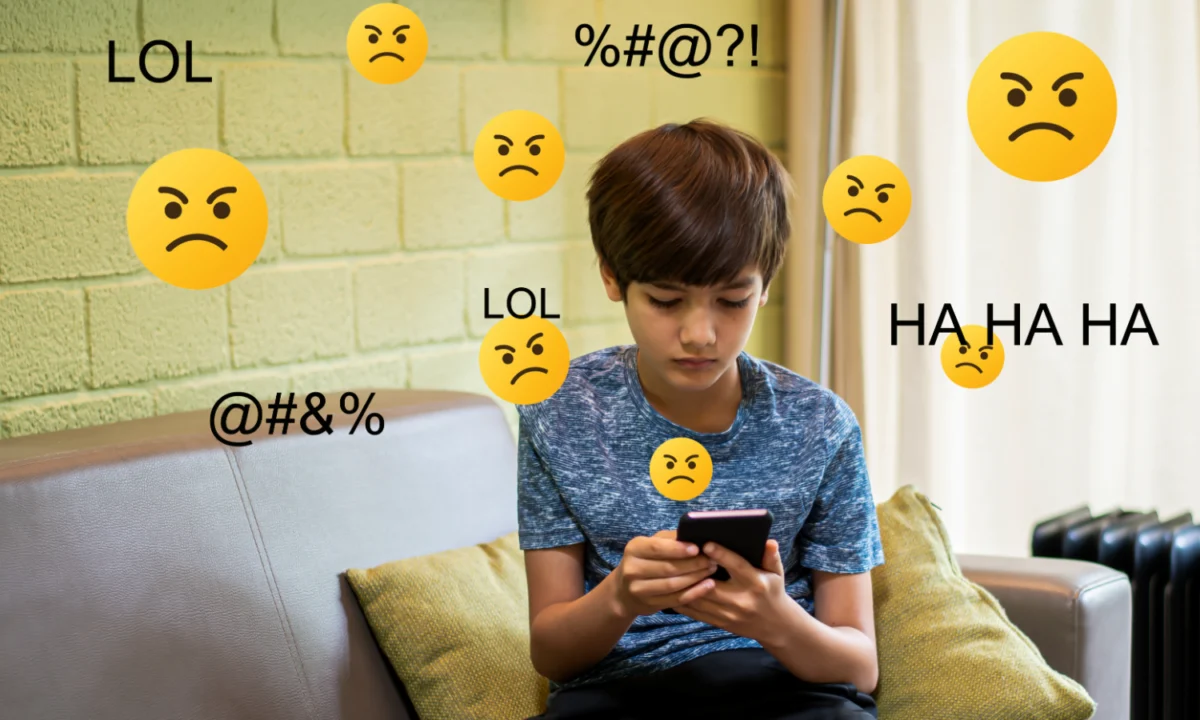
The landscape of modern adolescence has undergone a seismic shift over the last decade. While every generation of parents has grappled with the "growing pains" of their children, the contemporary teenager is navigating a digital and social environment that bears little resemblance to the world of their predecessors. This shift is not merely anecdotal; it is reflected in a startling surge of clinical data. Between 2016 and 2023, the prevalence of diagnosed mental and behavioral health conditions among adolescents in the United States increased by 35%.
As we move deeper into the mid-2020s, the challenge for parents is no longer just about setting curfews or monitoring grades; it is about recognizing the subtle, often silent signals of psychological distress in a world designed to distract and isolate.
Main Facts: The Statistical Reality of Teen Mental Health
Recent data from 2022–2023 paints a sobering picture of the adolescent experience. Anxiety, behavior disorders, and depression have emerged as the most frequently diagnosed mental health conditions in children and teens. Perhaps more concerning is the estimated volume of undiagnosed conditions, where symptoms are often misinterpreted as "typical teenage rebellion" or transient moodiness.
Key statistics currently defining the crisis include:
- A 35% increase in diagnosed mental health conditions over a seven-year period.
- 40% of teenagers reporting persistent feelings of sadness or hopelessness—a state that prevents them from engaging in their daily lives.
- The "Gap of Recognition": A significant portion of parents fail to distinguish between hormonal mood swings and clinical depression, often delaying necessary intervention by months or even years.
The urgency of this situation is underscored by the fact that early intervention is the single most effective predictor of long-term recovery. For parents, the primary hurdle is moving past the "just a phase" narrative to embrace a more proactive, clinical understanding of their child’s well-being.
Chronology: The Evolution of the Crisis (2016–2023)
The trajectory of adolescent mental health has not risen in a vacuum. To understand why we are seeing a 35% spike in diagnoses, we must look at the chronological stressors that have shaped this generation.
2016–2019: The Digital Saturation Era
Before the global pandemic, teen mental health was already on a downward trend. The near-ubiquity of smartphones and the gamification of social validation through "likes" and "shares" began to alter the adolescent reward system. During this period, rates of cyberbullying and "FOMO" (fear of missing out) became primary drivers of social anxiety.
2020–2022: The Pandemic and Social Fragmentation
The COVID-19 pandemic acted as a catalyst, accelerating existing vulnerabilities. The loss of school-based social structures, extracurricular activities, and physical proximity to peers occurred at a critical developmental stage when "social pruning" and peer connection are neurologically paramount. For many, the "persistent sadness" reported in current data began during these years of isolation.
2023–Present: The New Normal and the Diagnosis Surge
As the world returned to "normal," the expected "rebound" in teen mental health did not fully materialize. Instead, the backlog of undiagnosed trauma and the pressure to reintegrate into a high-stakes academic and social environment led to the 35% increase in formal diagnoses. We are currently in a period of reckoning, where the long-term effects of the last several years are finally being named and treated.
Supporting Data: The Five Warning Signs of Clinical Distress
Clinical psychologists emphasize that the difference between "normal" teen behavior and a mental health crisis often lies in the word persistence. While a teenager might be irritable after a bad day, a clinical condition manifests as a sustained pattern that interferes with daily functioning.
1. Emotional Withdrawal and Persistent Low Mood
While 40% of teens feel hopeless, the hallmark of a condition requiring therapy is the duration. If a teen is emotionally "shut off" for more than two weeks, it suggests a depletion of emotional reserves. This often manifests as a lack of energy, poor concentration, and a pervasive sense of being "unmotivated" that parents mistake for laziness.
2. Radical Shifts in Baseline Habits
Drastic changes in sleep (insomnia or oversleeping), eating habits, or a sudden, unexplained drop in academic performance are "red flag" behaviors. These are often the first outward signals that a teenager’s internal coping mechanisms have been overwhelmed.
3. Anhedonia and Social Isolation
Anhedonia—the loss of interest in activities once loved—is a core symptom of depression. When a teen abandons their favorite sports, hobbies, or friend groups in favor of total isolation in their room, it is rarely a matter of "changing tastes." It is often a defensive retreat from a world that feels too heavy to navigate.
4. Somatization: The Physical Manifestation of Pain
The adolescent mind often lacks the vocabulary to express complex emotional pain, leading the body to speak for it. Frequent, medically unexplained stomach aches, headaches, and chronic fatigue are common somatic expressions of anxiety and depression. When pediatricians find no physical cause, the root is frequently psychological.
5. High-Risk Coping Mechanisms
The use of substances or self-harm is an attempt to regulate intolerable emotions. These behaviors are often habit-forming and can escalate rapidly. Data suggests that substance abuse in teens is rarely about "partying" and is more frequently about "numbing."
Official Responses: The Clinical and Professional Perspective
Mental health professionals and neuroscientists argue that teenagers require a specialized approach because their brains are in a unique state of flux. The prefrontal cortex—the area responsible for executive function and emotional regulation—is the last to develop, while the amygdala—the emotional center—is highly active.
The Specialized Approach
Clinical experts stress that "teen therapy" is not "adult therapy-lite." Licensed Marriage and Family Therapists (LMFTs) and adolescent psychologists use specific modalities:
- Motivational Interviewing: To build rapport without making the teen feel interrogated.
- Cognitive Behavioral Therapy (CBT): To help teens identify and challenge the "all-or-nothing" thinking patterns common in adolescence.
- The Therapeutic Alliance: Research indicates that the quality of the bond between the therapist and the teen is the single most important factor in a successful outcome.
Addressing the Stigma
Official responses from mental health organizations emphasize that therapy should be viewed as "preventative maintenance" rather than a "last resort." In 2023, nearly 80% of children aged 12–17 who needed treatment received it, suggesting that the stigma is beginning to fade, yet many parents still fear that seeking help is a sign of personal failure. Professionals counter this by likening mental health care to physical therapy: if a limb is injured, you seek a specialist to regain mobility; if the mind is overwhelmed, you seek a therapist to regain emotional function.
Implications: The Long-Term Impact of Intervention
The implications of the current teen mental health crisis extend far beyond the family unit; they are a matter of public health and future economic stability.
The Cost of Inaction
Untreated adolescent depression and anxiety often transition into chronic adult conditions. This can lead to lower educational attainment, reduced workforce participation, and a higher likelihood of long-term physical health issues. By failing to address the 35% increase in teen distress now, society risks a "lost generation" of young adults who lack the resilience to lead.
The Power of Agency
One of the most profound implications of modern teen therapy is the restoration of "agency." When parents involve their teens in the process of choosing a therapist and discussing confidentiality, they are teaching them how to advocate for their own health. This empowerment is a critical component of transitioning into a healthy adulthood.

Future Outlook
As we look toward 2026 and beyond, the integration of mental health resources into schools and the expansion of telehealth will be vital. However, the most significant change must happen at home. The ability of a parent to start a conversation without judgment—leading with love rather than labels—remains the most effective bridge to professional care.
Taking the First Step
For parents who recognize these signs, the path forward involves three clear steps:
- Observation: Documenting the persistence of symptoms.
- Communication: Having a calm, "non-crisis" conversation about seeking support.
- Connection: Utilizing directories like GoodTherapy to find a specialist who understands the unique neurobiology of the teenage years.
Early intervention is not just about "fixing a problem"; it is about providing a young person with the tools they need to build a life of meaning and resilience in an increasingly complex world.
If you or your teen are in immediate distress, contact the 988 Suicide & Crisis Lifeline by calling or texting 988. Help is available 24/7.