


While modern medicine often looks toward synthetic compounds and isolated molecules to treat chronic conditions, a growing body of nutritional research suggests that the most effective health interventions may be sitting right in your spice rack. From the ancient traditions of Ayurveda and Traditional Chinese Medicine to contemporary clinical trials, culinary herbs and spices are being redefined not just as flavor enhancers, but as potent, bioactive "medicines" capable of neutralizing oxidative stress and systemic inflammation.
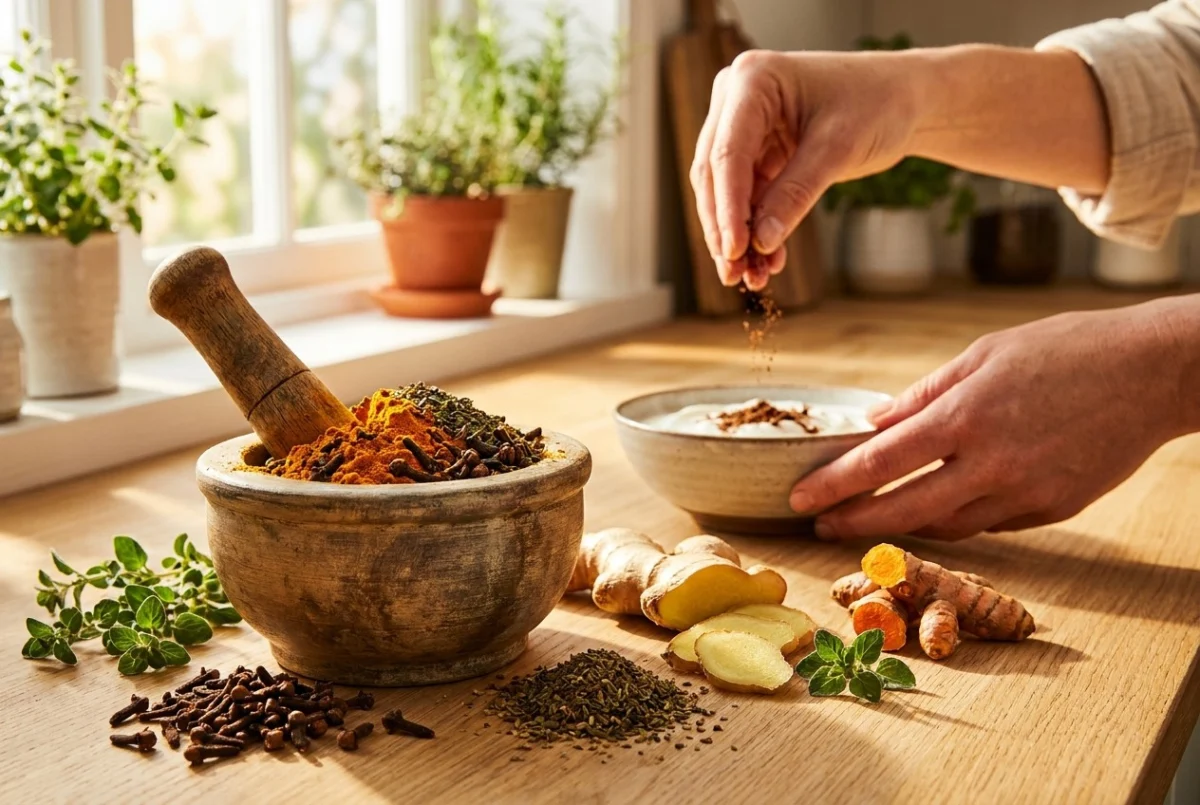
Dietitians are increasingly championing the concept of the "Kitchen Pharmacy"—the idea that everyday ingredients like cloves, ginger, oregano, and turmeric possess complex phytochemical profiles that can bolster the immune system, regulate blood sugar, and combat the cellular damage caused by free radicals.
Main Facts: The Power of Antioxidants
At the heart of the health-promoting profile of spices is their extraordinary antioxidant capacity. Antioxidants are chemical compounds that neutralize free radicals—unstable molecules that, when present in excess, damage cells, weaken immune function, and contribute to the pathogenesis of diseases ranging from cardiovascular conditions to cancer.
Recent findings published in Frontiers in Nutrition highlight the clinical significance of this. A pooled analysis of 21 meta-analyses, comprising 139 placebo-controlled comparisons, demonstrated that cinnamon supplementation is associated with statistically significant improvements in HbA1c levels, total cholesterol, LDL cholesterol, and blood pressure. However, while cinnamon often captures the spotlight, it is merely one player in a much larger, more diverse ecosystem of nutrient-dense botanical ingredients.
According to registered dietitians Seema Shah, Amanda Crowe, and Jennifer Bianchini, spices such as cloves, ginger, oregano, and turmeric—when used in culinary amounts—provide a synergistic array of bioactive compounds. These include antibacterial, antifungal, antiviral, and anti-inflammatory agents that are rarely found in such concentration in processed foods.
Chronology: From Ancient Preservatives to Modern Clinical Research
The use of spices as therapeutic agents is far from a new discovery. Historically, these plants were valued for their longevity-promoting properties long before the advent of modern biochemistry.
- Ancient History: In Egypt and throughout Asia, ginger was utilized as a medicinal staple. Meanwhile, in ancient Rome and Greece, the preservative qualities of various spices were recognized as essential for maintaining food safety, a practice that we now understand was due to the antimicrobial properties of the phenolic compounds contained within these plants.
- The 20th Century: As nutritional science matured, the focus shifted to quantifying the "why" behind these traditional practices. Researchers began to isolate compounds like gingerol, curcumin, and eugenol to understand their specific mechanisms of action within the human body.
- 2005–2010: Landmark studies, such as the 2005 research published in the Journal of Applied Toxicology, began examining the protective role of clove and black cumin against toxicological stressors in animal models. This era solidified the scientific community’s interest in how these spices could mitigate cellular damage.
- 2020–Present: The last five years have seen a surge in meta-analyses and reviews in journals like Nutrients. These studies have moved beyond simple antioxidant measurements, exploring how spices actively modulate the gut microbiome, trigger beneficial anti-inflammatory cytokines, and even prevent the degradation of muscle mass, as seen in research regarding curcumin.
Supporting Data: Understanding ORAC and Bioavailability
To quantify the potency of these spices, researchers have long relied on the Oxygen Radical Absorbance Capacity (ORAC) database, originally developed by the U.S. Department of Agriculture (USDA). ORAC measures the ability of a substance to neutralize free radicals in a laboratory setting.
However, experts like Seema Shah caution that ORAC scores are not the final word on human health. "ORAC is a useful laboratory measure, but it does not account for the complexities of human digestion, absorption, and metabolism," Shah explains. While unprocessed cocoa beans, cinnamon, and pecans rank at the top of the ORAC scale, the bioavailability—how much of that antioxidant potential actually makes it into your bloodstream—is what truly matters.
For example, turmeric’s star compound, curcumin, is notoriously difficult for the human body to absorb in isolation. Dietitians suggest that pairing it with black pepper and healthy fats significantly enhances its therapeutic efficacy. Conversely, herbs like oregano and cloves may offer superior absorption rates compared to more complex isolated supplements, making them more "practical" for daily, systemic support.
Deep Dive: The Four Powerhouse Spices
1. Cloves
Ground cloves possess one of the highest ORAC scores among all culinary spices. Their primary bioactive component, eugenol, is a potent antioxidant that also exhibits documented antibacterial properties. Beyond eugenol, cloves are rich in flavonoids and gallic acid. While they are a nutritional powerhouse, moderation is essential; dietitians warn that consuming more than one-fourth of a teaspoon of ground cloves can potentially tax the liver.
2. Ginger
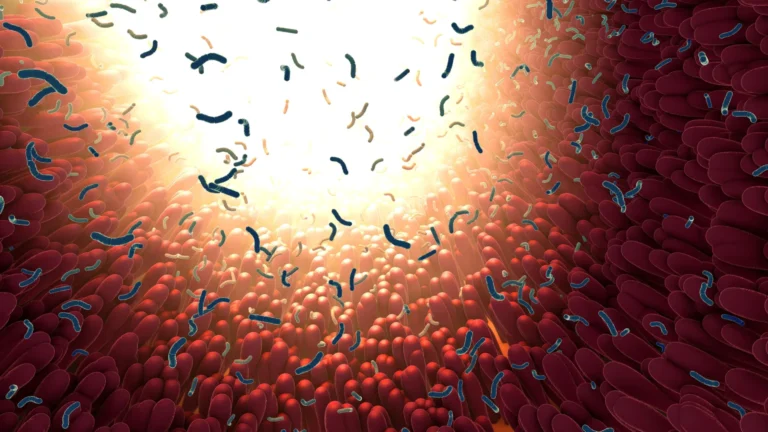
Ginger contains a unique class of compounds known as gingerols, which convert into shogaols when dried. Both compounds are linked to anti-inflammatory and anti-tumor properties. Research from 2020 indicates that ginger can modulate the body’s inflammatory response by triggering beneficial cytokines while simultaneously reducing pro-inflammatory ones. Furthermore, ginger has been shown to support gut health by encouraging the growth of beneficial bacteria.
3. Oregano
Often associated only with Italian cuisine, oregano is a nutritional heavyweight. It contains carvacrol and thymol, two phenolic compounds that provide powerful antimicrobial and antifungal benefits. Beyond its role in the immune system, oregano is noted for its ability to balance the gut microbiome. Practitioners suggest that the flavonoids in oregano may act as pro-oxidants in specific contexts, helping to signal appropriate apoptosis (programmed cell death) in unhealthy cells.
4. Turmeric
Turmeric is perhaps the most famous spice in modern integrative medicine, primarily due to curcumin. Curcumin has been the subject of extensive study regarding metabolic syndrome, arthritis, and anxiety. While culinary turmeric contains a lower percentage of curcumin (roughly 2–9%) than a concentrated supplement, it is often more sustainable for long-term use. Experts emphasize that turmeric is best utilized as part of a daily culinary routine rather than a one-off supplement.
Official Responses and Clinical Implications
The consensus among the dietitians interviewed is one of "cautious enthusiasm." While the data supporting the health benefits of spices is compelling, there is a clear distinction between using spices in the kitchen and relying on highly concentrated, over-the-counter extracts.
Registered dietitian Amanda Crowe emphasizes that small, consistent doses—such as a pinch of cloves in oatmeal or turmeric in a soup—provide a "concentrated dose" that is both safe and effective. In contrast, concentrated supplements and essential oils carry a significantly higher risk of adverse reactions, including digestive distress and dangerous interactions with blood-thinning medications.
"The goal is to incorporate these phytonutrients into your daily routine," says Jennifer Bianchini. "You don’t need a megadose pill to get the benefits. You need the consistency of using these ingredients in your everyday cooking."
Conclusion: A Balanced Approach to Nutrition
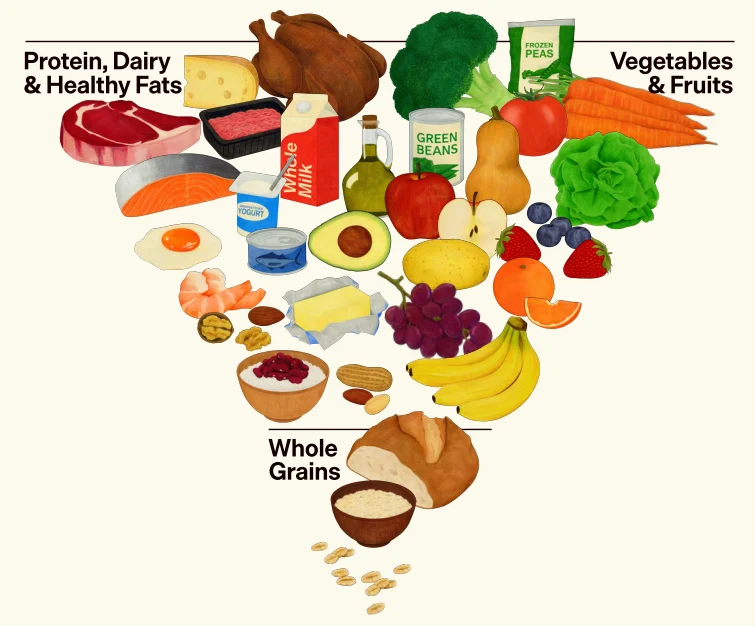
The "Kitchen Pharmacy" represents a shift away from the "magic bullet" theory of nutrition. Instead of searching for the single perfect supplement, the science suggests that long-term health is better served by the cumulative effect of diverse, antioxidant-rich whole foods.
As noted by integrative health experts, adequate phytonutrient intake is a cornerstone of overall wellness, playing a vital role in detoxification, immune support, and the prevention of chronic disease. By integrating cloves, ginger, oregano, and turmeric into daily meals, individuals can leverage the power of plant chemistry in a way that is safe, sustainable, and scientifically supported.
However, the medical community remains clear: moderation is the key to success. Before transitioning from culinary use to therapeutic supplementation, patients should consult with a healthcare professional to ensure that the potency of these spices does not interfere with existing health conditions or pharmacological treatments. In the final analysis, the most powerful medicine in your home may simply be the ingredients you use to season your dinner.
References
(Note: As per the provided source material, these references represent the body of literature regarding the antioxidant, anti-inflammatory, and metabolic properties of the spices discussed, including data from the USDA, Frontiers in Nutrition, and various clinical studies on eugenol, gingerol, and curcumin.)