




By Jana Wu, LCSW, LADC
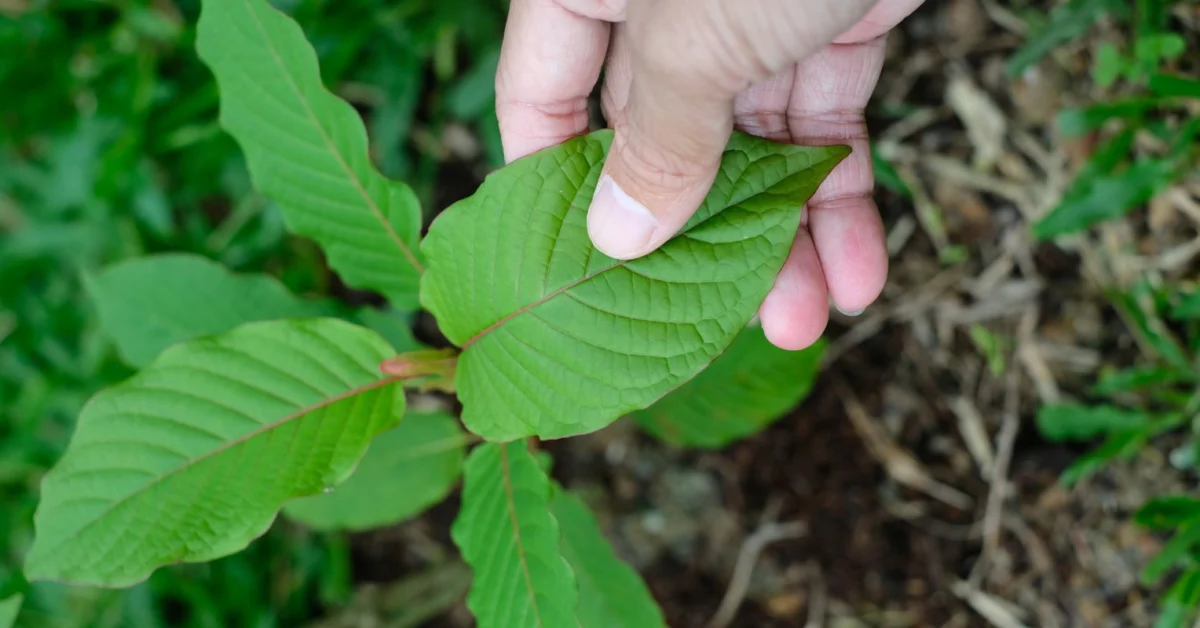
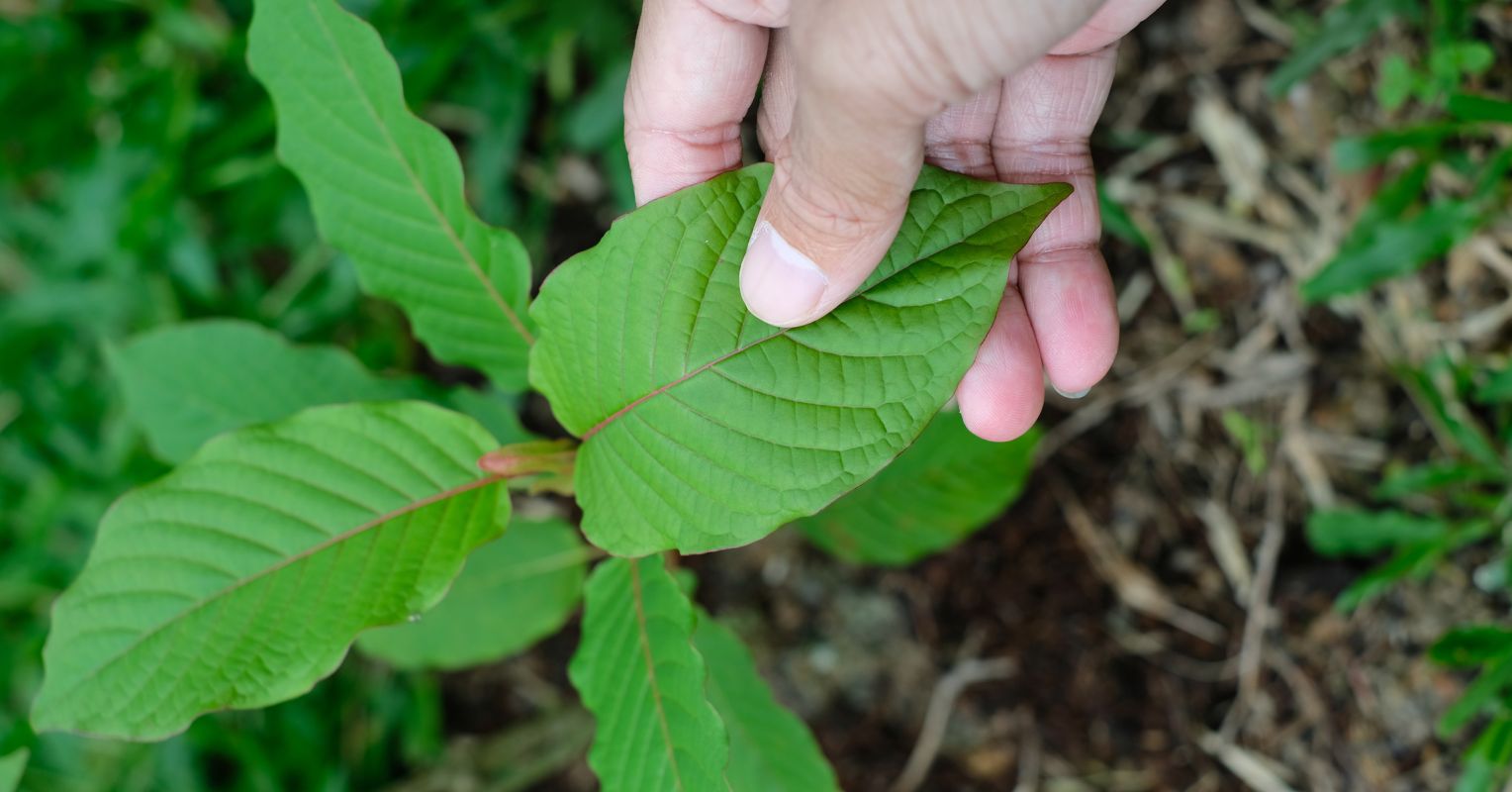
In recent years, a subtle shift has occurred on the shelves of neighborhood health food stores, vape shops, and even gas stations across the United States. A new category of products has emerged, often labeled simply as "kratom." These packets of powder, capsules, and extracts—derived from the Mitragyna speciosa tree, a tropical evergreen native to Southeast Asia—have moved from the fringes of herbal medicine into the mainstream.
For centuries, laborers in Southeast Asia have traditionally chewed kratom leaves to stave off fatigue and manage the physical toll of demanding manual work. Today, however, that traditional use has been eclipsed by a modern, high-stakes debate. Proponents hail kratom as a "lifesaving natural supplement," capable of treating everything from chronic pain and opioid cravings to anxiety, depression, and post-traumatic stress disorder (PTSD). Yet, as the substance gains popularity among an estimated two million Americans, the medical community and regulatory agencies remain deeply skeptical, warning of a potential public health crisis hidden in plain sight.
The Evolution of a Controversial Substance: A Chronology
To understand the current tension surrounding kratom, one must look at its rapid ascent in the Western market over the last two decades.
- Pre-2000s: Kratom remains largely confined to traditional cultural practices in countries like Thailand, Malaysia, and Indonesia, where it was historically used as a mild stimulant and folk medicine.
- The Early 2000s: The substance begins to appear in Western markets, marketed primarily through online forums and niche herbal shops as a "legal high" or a natural alternative to pharmaceutical painkillers.
- 2016: The Drug Enforcement Administration (DEA) announces its intent to list kratom as a Schedule I substance, citing a "public health threat." However, following massive public outcry and petitions from advocacy groups, the DEA withdraws its proposal, keeping the substance federally legal but under intense scrutiny.
- 2018–2021: The popularity of kratom explodes. The market expands beyond specialty shops into mainstream retail environments. During this period, the FDA begins issuing a series of warnings regarding salmonella outbreaks associated with tainted products and the lack of evidence for therapeutic claims.
- 2022–2023: The regulatory landscape shifts toward state-level action. In April 2022, the FDA reiterates its stance against the use of kratom. By June 2, 2023, Florida signs the "Kratom Consumer Protection Act" into law, signaling a move toward state-by-state regulation rather than an outright federal ban.
Supporting Data: The Case for and Against
The divide between the pro-kratom movement and the medical establishment is built upon conflicting interpretations of data. For many users, the evidence is anecdotal but deeply felt. In one notable survey, over 90 percent of respondents indicated that kratom was "very effective" in treating their chronic pain or specific medical conditions. These users point to the plant’s alkaloids, specifically mitragynine and 7-hydroxymitragynine, which interact with opioid receptors in the brain to produce analgesic effects.
Conversely, clinical data paints a more precarious picture. Because the FDA does not regulate kratom for purity, dosage, or consistency, the product a consumer buys at a gas station may vary wildly in potency or contain harmful contaminants, such as heavy metals or bacteria.
Furthermore, while proponents argue it helps with opioid withdrawal, the pharmacological reality is that kratom often functions as a replacement dependency. By activating the same receptors as opiates, kratom can mask withdrawal symptoms, but it does not address the underlying neurobiological and psychological drivers of addiction. When an individual swaps a prescription opioid for kratom, they often find themselves trapped in a cycle of escalating dosage as their tolerance builds, eventually trading one dependency for another.
Official Responses and Regulatory Challenges
The regulatory response to kratom has been characterized by hesitation and a lack of unified strategy. The FDA remains the loudest critic, maintaining that there is no legitimate, scientifically proven medical use for kratom. Their primary concern is that the supplement market is being used as a loophole to distribute a substance with addictive potential without the oversight required for pharmaceutical drugs.
State legislatures are now stepping in to fill the void. The Florida Kratom Consumer Protection Act serves as a model for this new wave of regulation. By banning sales to individuals under 21 and defining the product standards, states are attempting to mitigate harm without criminalizing the adult user base. However, these laws are a double-edged sword: by creating a state-sanctioned framework for sale, some critics argue that the government is inadvertently legitimizing a substance that has not been deemed safe by federal health standards.
The Human Cost: Clinical Implications of Misuse
As a licensed counselor working in addiction treatment, I have witnessed the "hidden" side of the kratom boom. The clinical reality is often starkly different from the testimonials found on social media forums.
I have worked with numerous clients who initially turned to kratom to manage pain or transition away from illicit opioid use. The trajectory is frequently identical: the substance provides initial relief, leading to a false sense of security. As the body adapts, the user increases the frequency and quantity of their intake.
The consequences are not merely physiological; they are systemic. I have treated patients whose relationships crumbled under the weight of their secret dependence, and whose financial stability was decimated by the high costs of frequent, high-grade kratom purchases. In severe cases, the dependence leads to neglect of professional responsibilities and a total withdrawal from activities that once brought them joy.
When these individuals attempt to quit, the withdrawal is not the "mild" experience some online forums suggest. It can be physically debilitating, characterized by:
- Musculoskeletal pain: Intense muscle aches and joint pain.
- Psychological distress: Severe anxiety, irritability, and depressive episodes.
- Sleep disruption: Persistent insomnia that makes recovery feel insurmountable.
- Neurological instability: In high-dose scenarios, tremors, seizures, and even, in rare cases, psychosis.
Toward a Path of Informed Consent
The question of whether kratom is a "holistic wellness tool" or a "dangerous substance" is a false dichotomy. The reality is that it is a powerful pharmacological agent that is being used in an unregulated vacuum.
For the medical community, the responsibility is to bridge the gap between patient curiosity and clinical safety. We must move away from a culture of stigma and toward a culture of informed consent. If a patient is considering kratom, they deserve to know the risks of interaction with other medications, the high probability of developing a tolerance, and the potential for withdrawal symptoms.
For those already struggling with kratom misuse, there is a clear, evidence-based path forward. Medical detox is often the first step, providing a controlled environment to manage the physical symptoms of withdrawal. This should be followed by a comprehensive psychological approach—individual, group, and family therapies—that addresses the root causes of the original pain or anxiety.
Wellness practices, such as mindfulness and meditation, are essential, but they are most effective when integrated into a structured, professional recovery plan. For individuals using kratom to self-treat opioid use disorder, I strongly advocate for a conversation with a healthcare provider about FDA-approved, research-backed alternatives like buprenorphine, which offer a safer and more predictable path to stability.
Final Reflections
The story of kratom is far from over. It is a cautionary tale about the speed at which substances can enter the consumer market, often outpacing the scientific research required to deem them safe. Until there is standardized, rigorous clinical research into its long-term effects, drug interactions, and standardized dosing, we must remain vigilant.
We owe it to the public to provide education that is free from both the alarmism of prohibitionists and the uncritical enthusiasm of online influencers. By fostering an environment of curiosity and evidence-based care, we can help those seeking relief find solutions that do not come at the cost of their health, their families, or their futures. The pursuit of wellness should never be a process of trial and error with substances that carry the potential to cause harm; it should be a journey guided by science, compassion, and professional oversight.