




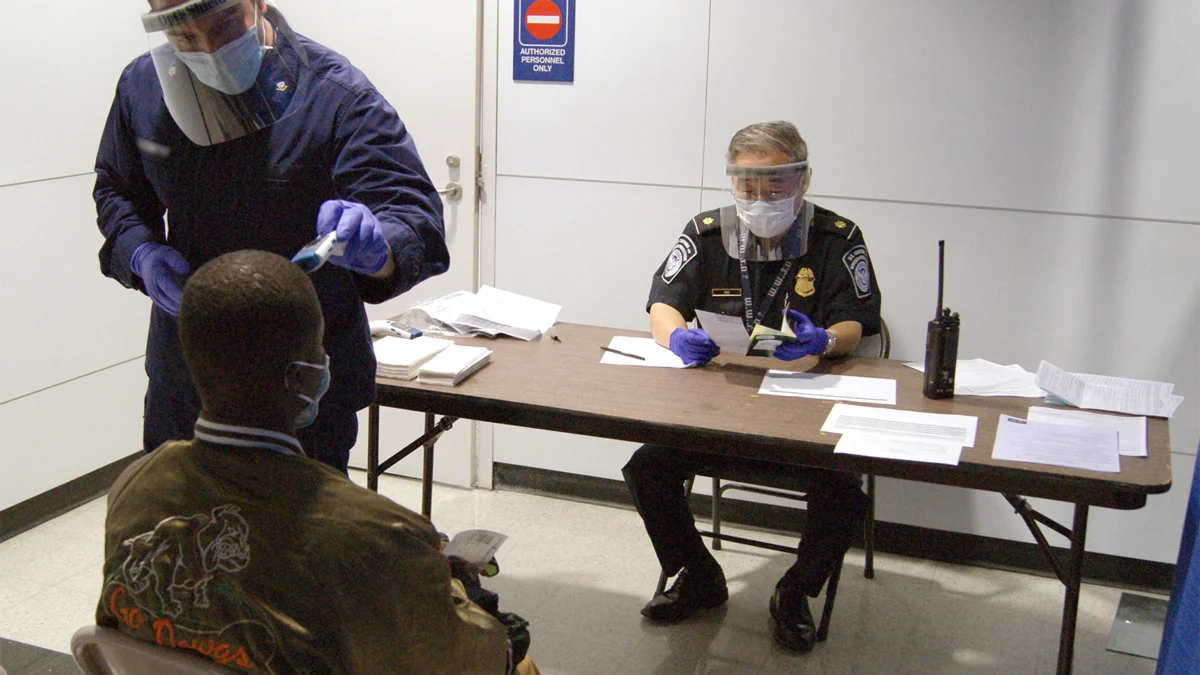
In a move intended to fortify domestic health security against a rapidly unfolding international crisis, the U.S. Centers for Disease Control and Prevention (CDC) has issued an emergency order barring entry to the United States for non-U.S. passport holders who have visited the Democratic Republic of the Congo (DRC), Uganda, or South Sudan within the last 21 days. The directive, invoked under the authority of Title 42 public health law, marks one of the most aggressive border interventions in recent years as officials scramble to contain a deadly outbreak of the Bundibugyo strain of the Ebola virus.
The mandate, signed by Dr. Jay Bhattacharya, the senior official currently performing the duties of the CDC director, will remain in effect for an initial 30-day period. The decision reflects mounting anxiety among federal health authorities regarding the potential for the virus to cross international borders, particularly in light of the high volume of global travel anticipated for upcoming major sporting events.
The Scope of the Crisis: A Public Health Emergency
The current outbreak has been classified by the World Health Organization (WHO) as a Public Health Emergency of International Concern (PHEIC), the highest level of alert available to the global health body. As of Monday, health monitors have reported over 300 suspected cases and 118 confirmed deaths across the DRC and Uganda.
The primary driver of the current crisis is the Bundibugyo strain, a particularly insidious iteration of the virus for which there are currently no approved vaccines or targeted therapies. Unlike more well-known strains, the lack of clinical countermeasures makes containment and supportive care the only available tools to prevent further transmission.
The virus is transmitted through direct contact with infected blood, bodily secretions, or contaminated surfaces. While it is not airborne, the speed with which it has moved through regional populations has alarmed epidemiologists. Of particular concern to U.S. officials is the exposure of at least seven American citizens currently operating in the affected region. Among these, a U.S. physician who contracted the virus while providing medical aid in the Congo tested positive on Sunday and has since been medically evacuated to Germany for intensive specialized care.
Chronology: From Outbreak to Global Alert
The trajectory of the outbreak has moved with distressing speed, forcing global health organizations and individual nations to react under immense pressure:
- Initial Detection: Local health authorities in the northeastern Ituri province of the DRC identified a cluster of unexplained hemorrhagic fever cases, later confirmed by laboratory testing to be the Bundibugyo strain of Ebola.
- WHO Escalation: Following a rapid rise in mortality rates, the WHO formally declared the situation a PHEIC, calling for international cooperation and heightened surveillance at regional borders.
- U.S. Intervention: Responding to the WHO’s assessment and reports of American citizens being exposed, the U.S. State Department issued a heightened travel advisory on Sunday, explicitly warning citizens against all travel to the Congo.
- Title 42 Invocation: On Monday, the CDC formalized the travel ban for non-U.S. citizens who have traversed the affected nations within the previous three weeks—the standard incubation period for the Ebola virus.
The World Cup Conundrum
A significant point of tension during Monday’s federal briefing was the upcoming World Cup, which is set to be co-hosted by the United States, Canada, and Mexico. The Congolese national team is currently scheduled to play matches in Houston on June 17 and Atlanta on June 27.
When pressed on whether the CDC would implement special screening protocols or outright bans for the Congolese delegation, Dr. Satish Pillai of the CDC offered a measured but vague response. "This is an evolving situation," Pillai stated. "We are continuing to work with our interagency colleagues to finalize plans regarding the tournament." The ambiguity surrounding the event has left local organizers and public health advocates wondering whether the U.S. government is prepared to prioritize health security over high-profile international athletics.
The Debate Over Border Restrictions
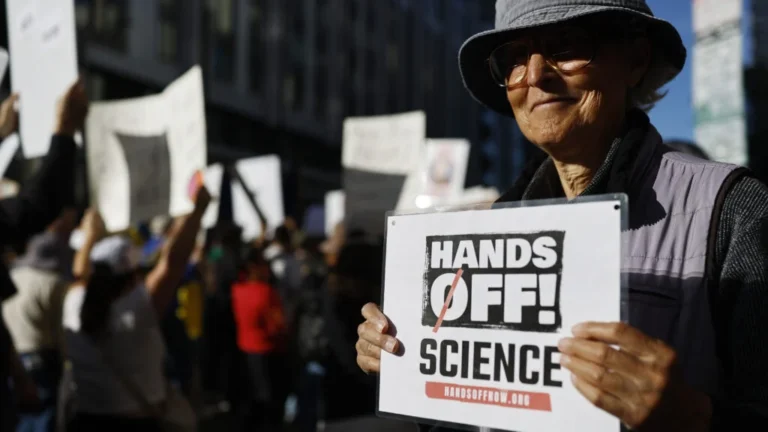
While the federal government defends the travel ban as a necessary shield, the medical community remains deeply divided. The Infectious Diseases Society of America (IDSA) has been among the most vocal critics of the administration’s strategy, suggesting that reactive border closures often fail to address the root causes of contagion.
"International interventions like quarantining people who may have been exposed to Ebola, or limiting travel, can be valuable if they are part of a carefully coordinated, scientifically informed process," said IDSA CEO Dr. Jeanne Marrazzo. "But public health policies that single out non-U.S. citizens won’t prevent viruses from crossing our borders. Diseases don’t recognize passports."
The WHO has echoed this sentiment, explicitly advising against the very measures the U.S. has adopted. In their PHEIC announcement, the organization noted: "No country should close its borders or place any restrictions on travel and trade. Such measures are usually implemented out of fear and have no basis in science." The WHO argues that for countries that do not share a border with the affected nations, entry screening and trade restrictions serve little purpose and may, in fact, hinder the flow of humanitarian aid and medical supplies into the region.
Implications of U.S. Isolationism
The implementation of this policy occurs against a backdrop of deteriorating relations between the U.S. and global health institutions. Since the United States’ formal withdrawal from the WHO in January, there has been a noticeable lack of transparency between Washington and the Geneva-based agency.
Furthermore, the Trump administration has faced scrutiny for slashing funding to global public health programs in Africa over the past year. Analysts argue that this retreat from global health leadership has left the U.S. reactive rather than proactive. During the most recent series of federal briefings, CDC officials made no mention of collaborative efforts with the WHO to manage the outbreak, suggesting that the U.S. is currently pursuing an "America First" strategy to pandemic management.
Dr. Marrazzo highlighted the danger of this isolationist approach, noting, "The United States needs to make a sustained investment in public health and research for preventing, monitoring, and responding to infectious diseases here and abroad. We also need respectful, expert coordination with peers across the globe."
Moving Forward: Recommendations for Travelers
For those currently in or planning to travel to the region, the CDC’s guidance remains stringent:
- Avoid Nonessential Travel: The CDC maintains its recommendation to reconsider any nonessential travel to the Democratic Republic of the Congo.
- Ituri Province Precautions: For individuals who must travel to the epicenter, the CDC advises strict self-monitoring for symptoms for 21 days post-departure.
- Healthcare Avoidance: Travelers are urged to avoid using local healthcare facilities for non-urgent medical care, as these sites have historically been transmission hotspots during Ebola outbreaks.
- Symptom Awareness: Any individual experiencing fever, severe headache, muscle pain, weakness, fatigue, diarrhea, vomiting, or unexplained hemorrhage should seek immediate medical isolation and report their travel history.
As the 30-day window for the current order begins, the efficacy of the travel ban will be tested against the reality of the virus’s movement. Whether this policy serves as a successful firebreak or a missed opportunity for international cooperation remains a subject of intense debate among policymakers and health experts alike. For now, the global community watches as the U.S. turns inward, relying on the strength of its borders rather than the strength of its alliances to mitigate the threat of Ebola.