For decades, public health messaging regarding alcohol consumption has focused heavily on the immediate risks of intoxication, the hazards of addiction, and the systemic damage inflicted on the liver and heart. However, a groundbreaking study from the University of Massachusetts Amherst suggests that the most insidious damage caused by alcohol may not be physical, but neurological—and it may be locked into the brain long before a person reaches middle age.
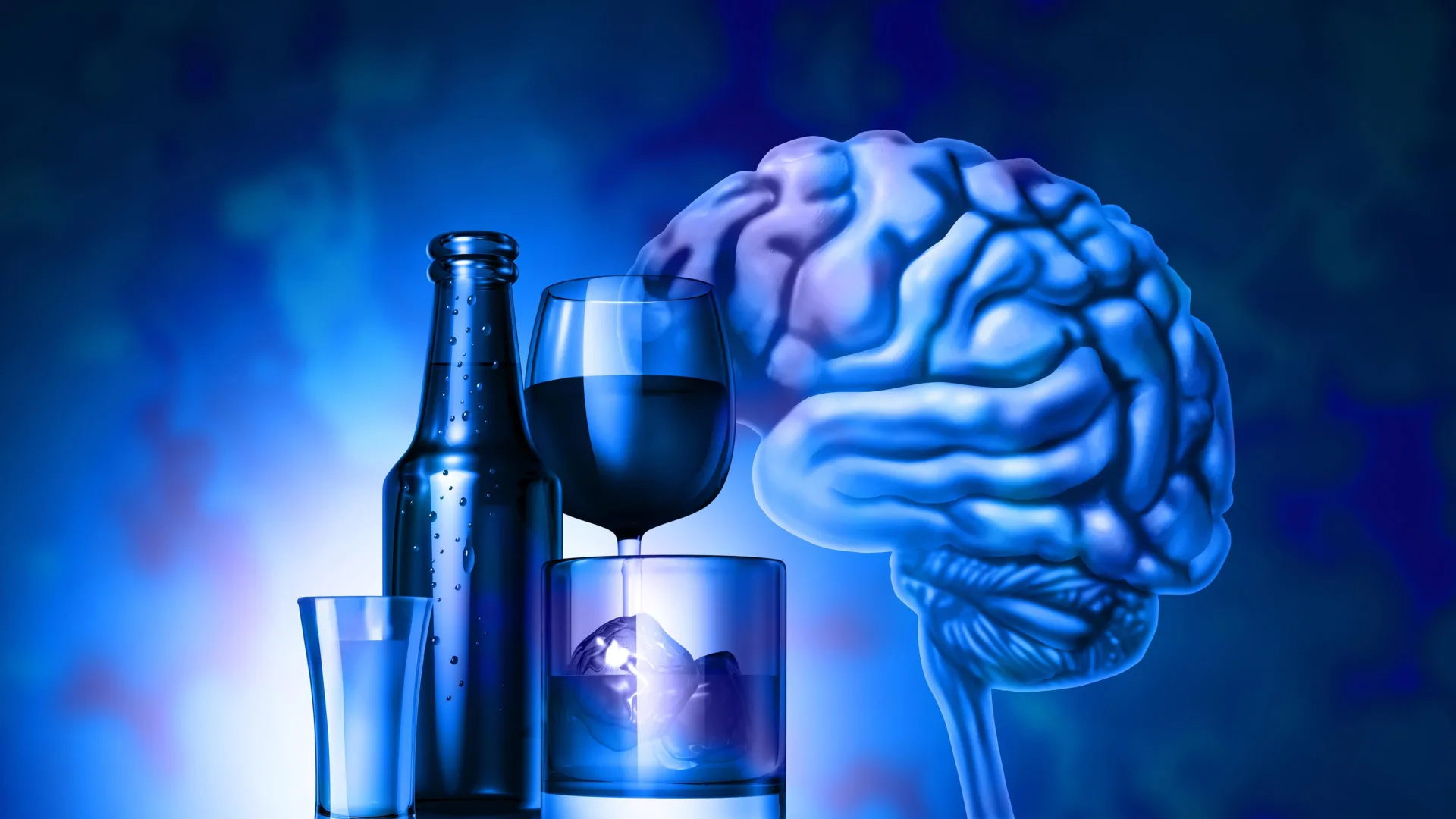
According to new research published in the journal Alcohol Clinical and Experimental Research, using alcohol as a crutch to cope with stress during early adulthood can trigger permanent alterations in brain circuitry. These changes, researchers warn, do not simply vanish with sobriety. Instead, they lie dormant, only to resurface in middle age as a diminished capacity for mental flexibility, an increased vulnerability to relapse, and a precursor to the cognitive decline typically associated with dementia and Alzheimer’s disease.
The Core Findings: A Legacy of Cognitive Rigidity
The study, led by Elena Vazey, an associate professor of biology at UMass Amherst, provides a sobering look at how the brain "learns" to rely on alcohol. While previous research has confirmed that alcohol and stress form a self-reinforcing feedback loop, this study is among the first to map the long-term, structural consequences of that synergy.
The researchers discovered that the damage is not necessarily a total collapse of cognitive function; rather, it is a targeted erosion of "cognitive flexibility." While the subjects in the study retained their baseline learning abilities, they struggled significantly when forced to adapt to new situations or modify their decision-making processes in response to changing environmental cues. This inability to "pivot" is a hallmark of early-stage cognitive impairment and mirrors the patterns observed in the early phases of neurodegenerative conditions like Alzheimer’s.
Chronology of the Research: From Early Life to Midlife Vulnerability
To understand the trajectory of these brain changes, the research team, supported by the National Institute on Alcohol Abuse and Alcoholism (NIAAA), utilized a mouse model. The choice was strategic: the neurocircuitry of the mouse brain, particularly in the regions governing decision-making, closely parallels that of human beings.
The Experimental Phases:
- The Early Adulthood Window: Researchers exposed the subjects to a controlled regimen of stress combined with alcohol consumption, simulating the "stress-drinking" patterns common among young adults navigating the pressures of early career or academic life.
- The Abstinence Period: Following this exposure, the subjects underwent a prolonged period of total abstinence, intended to mimic long-term sobriety in human subjects.
- The Middle-Age Assessment: As the subjects reached middle age, the researchers reintroduced stressful stimuli to test how the brain responded.
The results were stark. Subjects that had engaged in "stress-drinking" during early adulthood were significantly more likely to return to alcohol consumption upon reaching middle age when exposed to stress, even after long-term abstinence. This indicates that the "wiring" of the brain had been fundamentally recalibrated, rendering the individual more susceptible to old habits during times of pressure.
The Mechanics of Damage: The Locus Coeruleus
At the heart of this research is the locus coeruleus (LC), a small but critical cluster of neurons in the brainstem. The LC acts as a "traffic controller" for the brain’s response to stress, determining how much attention to pay to external stimuli and when to return to a baseline state of calm.
The Failure of the "Off Switch"
In a healthy, resilient brain, the LC activates in response to stress and then, through a sophisticated molecular mechanism, powers down once the stressor has passed. However, the study found that chronic exposure to the combination of stress and alcohol effectively "breaks" this mechanism.
The researchers discovered that the LC in the affected subjects lost the molecular machinery required to shut itself off. Consequently, the brain remained in a state of chronic, low-level hyper-arousal. This constant state of agitation not only impairs the ability to make rational decisions but also creates a breeding ground for oxidative stress—a form of cellular damage that is a known driver of neurodegenerative disease.
Supporting Data: Why Willpower Is Not Enough
Perhaps the most significant contribution of this study is its reframing of addiction and recovery. For years, the prevailing societal narrative has placed the burden of sobriety almost exclusively on "willpower." If an individual relapses after years of abstinence, the blame is often placed on a lack of character or resolve.
Vazey’s research offers a more compassionate, scientific explanation. "The brain’s wiring system is damaged," Vazey explains. "Quitting drinking or making better decisions isn’t just a matter of willpower. After a history of stress and drinking, the brain simply works differently."
The presence of high levels of oxidative stress in the LC provides a biological marker for this damage. Even after long periods of sobriety, the brain tissue showed little capacity for self-repair. This persistent cellular damage suggests that the brain is not merely "remembering" the alcohol; it is physically altered in a way that necessitates new, targeted clinical interventions.
Official Perspectives and Clinical Implications
The findings carry significant weight for the fields of neurology, psychiatry, and addiction medicine. By moving beyond the moralistic view of addiction, the UMass Amherst team is calling for a paradigm shift in how we treat those in recovery.
Toward Better Treatment Strategies
The researchers argue that current treatment models are too focused on the immediate cessation of alcohol. While stopping consumption is obviously necessary, these findings suggest that it is insufficient if the underlying neurological "damage" remains unaddressed.
"If we can figure out how alcohol and stress change the brain’s circuitry," Vazey noted, "then we can help figure out how best to help people." This could involve:
- Neuro-protective Therapies: Future treatments might focus on reducing oxidative stress in the brainstem to prevent the cognitive decline that often follows long-term alcohol abuse.
- Targeted Cognitive Training: Since the primary deficit is cognitive flexibility, therapists could implement protocols specifically designed to rehabilitate the brain’s ability to adapt to new information.
- Pharmacological Interventions: By identifying the specific molecular failures in the LC, scientists may eventually develop medications that help "reset" the brain’s stress-response system, making it easier for formerly heavy drinkers to remain abstinent.
A New Understanding of Cognitive Decline
The correlation between early-life stress-drinking and the symptoms of Alzheimer’s is perhaps the most alarming facet of the study. For decades, the medical community has struggled to explain why some individuals succumb to early-onset cognitive decline while others remain sharp well into their later years.
This study posits that "stress-drinking" in youth may be an under-recognized risk factor for long-term brain health. The combination of alcohol and stress acts as a catalyst, accelerating the aging of the brain’s decision-making centers. By the time middle age arrives—a period when life’s responsibilities often peak—the brain may already be operating at a significant disadvantage, struggling to cope with the very stressors that triggered the original drinking patterns.
Conclusion: The Path Forward
The research from UMass Amherst serves as both a warning and a beacon of hope. While the damage to the brain’s circuitry is profound and long-lasting, understanding the mechanism of that damage is the first step toward mitigating it.
As the medical community continues to digest these findings, the focus must shift toward earlier intervention and a more nuanced understanding of the brain as an organ that can be permanently reshaped by the environments and substances it encounters in youth. We are learning that the "choices" we make in our twenties are not just moments in time—they are investments in the biological architecture of our future selves. By recognizing that the cycle of stress and alcohol is a physical, rather than purely psychological, burden, we can begin to develop more effective, humane, and scientifically sound strategies to protect the long-term health of the aging brain.