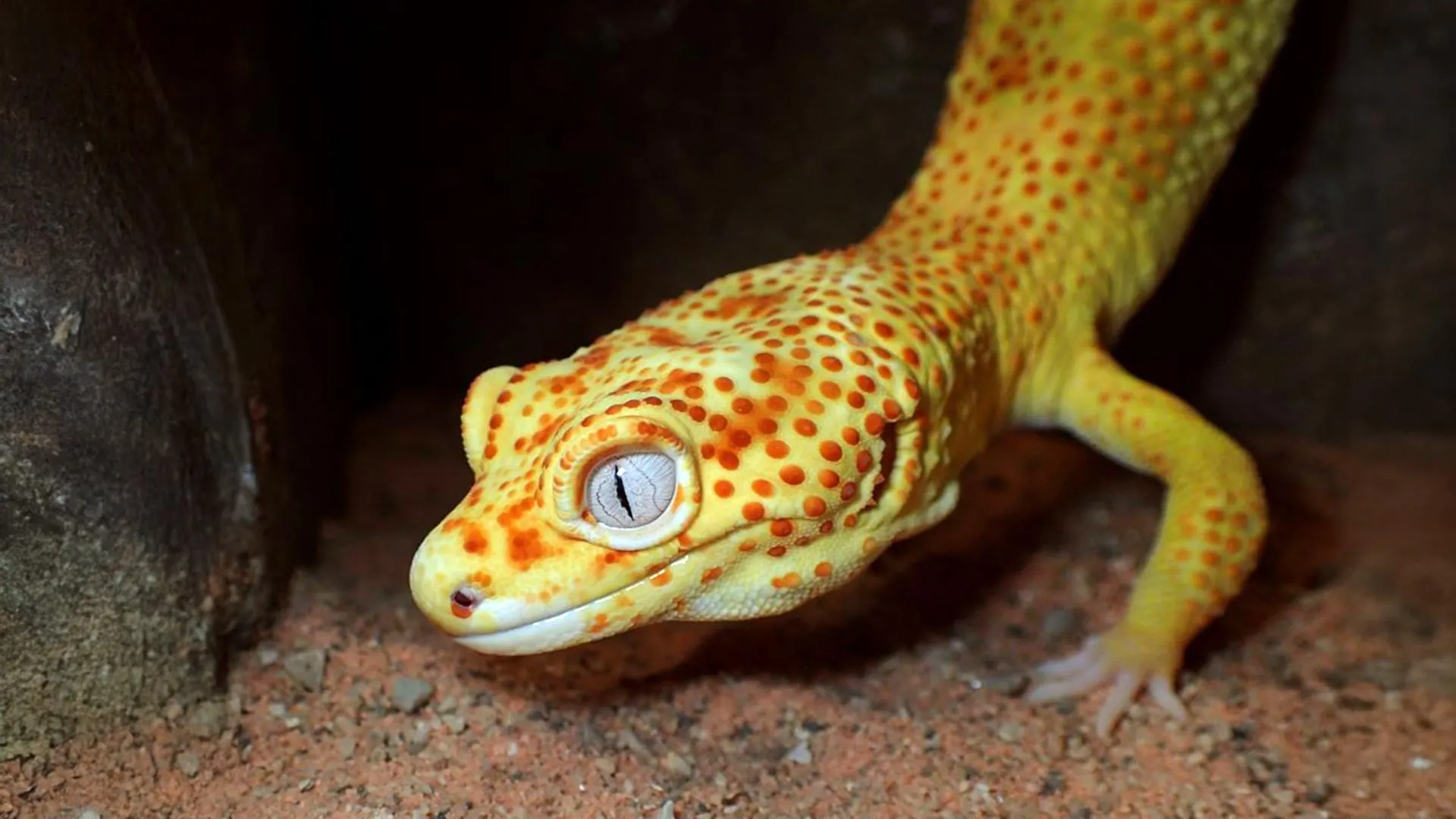
In the specialized world of reptile husbandry, the "Lemon Frost" leopard gecko is a marvel of aesthetic breeding. With its brilliant, translucent white skin and splashes of vibrant yellow, it became a coveted specimen for hobbyists almost as soon as it appeared in the pet trade. However, beneath this striking exterior lies a biological tragedy: roughly 80% of these geckos develop aggressive, metastasizing tumors early in life.
While this pattern has long been a source of concern for breeders, it has recently become the focus of a groundbreaking scientific study. Researchers now believe that the Lemon Frost gecko—an animal that carries a naturally occurring, high-frequency cancer—could serve as a transformative tool in the global fight against human oncological disease. By analyzing how and why these reptiles succumb to tumors, scientists hope to unlock new secrets regarding cancer’s evolution, progression, and potential treatment.
The Genesis of a Research Model
The story of the Lemon Frost morph began not in a laboratory, but in the selective breeding pens of the commercial pet trade. It emerged from a spontaneous genetic mutation, a serendipitous biological error that produced a highly marketable color palette. Breeders, eager to propagate the trait, line-bred the animals to fix the coloration.
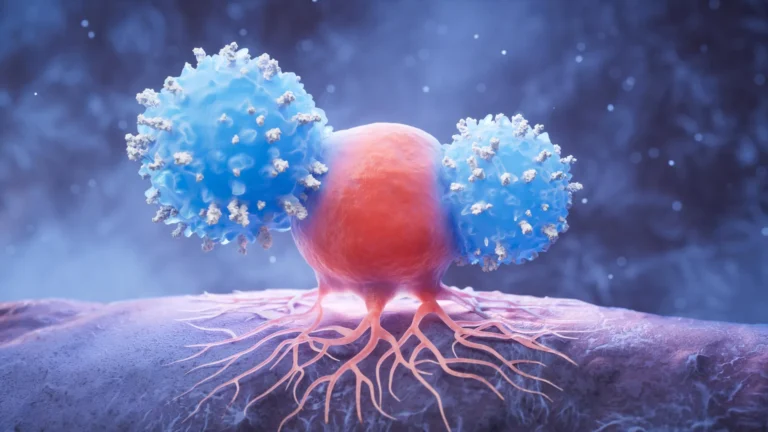
However, they quickly observed an alarming trend. The very mutation that granted the gecko its signature aesthetic was inextricably linked to an aggressive form of cancer known as iridophoroma. These tumors, which originate in the skin cells responsible for the lizard’s white coloration, do not remain localized; they frequently metastasize, spreading throughout the animal’s body and leading to premature death.
Recognizing the potential for scientific inquiry, an international consortium of researchers led by Dr. Ylenia Chiari of the University of Nottingham launched an investigation. Published in the journal BMC Biology, the study represents a rare intersection between the niche world of exotic pet genetics and high-stakes medical research.
Chronology: From Pet Trade Discovery to Genomic Breakthrough
The journey to understanding the Lemon Frost gecko has been one of rigorous forensic science. The timeline of this research highlights the shift from anecdotal observation to clinical discovery:
- The Emergence (Pre-2015): The Lemon Frost morph appears in the pet trade, gaining popularity for its unique visual appeal. Breeders document high mortality rates and tumor formation, sparking concern within the reptile community.
- Initial Scientific Engagement (2018–2020): Dr. Ylenia Chiari and her colleagues begin collecting tissue samples from pet geckos, collaborating with breeders and veterinary specialists to document the progression of the disease.
- Whole Genome Sequencing (2021–2023): The team utilizes advanced DNA sequencing technology to compare the genomic profile of the tumor tissue against healthy cells from the same geckos.
- Cross-Species Analysis (2023): Using bioinformatics tools originally designed for human cancer research, the team identifies the specific pathways involved in the gecko’s tumor growth.
- The Publication (2024): The research is formally published in BMC Biology, establishing the Lemon Frost gecko as a legitimate, naturally occurring model for cancer study.
Supporting Data: The Genetics of the Lemon Frost
To understand why the Lemon Frost is so susceptible to cancer, the research team employed whole genome sequencing. The findings were striking: the genetic mutations driving the geckos’ tumors overlap significantly with the oncogenic pathways identified in human cancers.
The Genomic Connection
The study revealed a recurring set of genetic changes across the tumor samples. Many of these altered genes are directly associated with cell cycle regulation, signaling pathways that control growth, and the mechanisms of metastasis. In humans, mutations in these specific pathways often lead to the uncontrolled cell division characteristic of cancer.
Why Nature Outperforms the Laboratory
Traditional cancer research has long relied on laboratory mice. While these models are effective, they often require scientists to artificially induce tumors through chemical exposure or genetic modification. This process is inherently artificial and may not replicate the complex, long-term evolutionary strategies that influence how cancer arises in a natural environment.
In contrast, the Lemon Frost gecko develops cancer spontaneously. Because the disease is deeply embedded in the animal’s natural biological processes, researchers can observe the life cycle of a tumor—from initiation to metastasis—as it occurs without human intervention. This provides a "natural laboratory" that offers a level of ecological and biological realism that mice simply cannot match.
Official Responses and Expert Perspectives
The international scope of the team reflects the interdisciplinary nature of the challenge. The research group included experts from the University of Nottingham, the University of Birmingham, Marquette University, the University of Florida, and the University of Trieste.
Dr. Ylenia Chiari: The Search for Resistance
Dr. Chiari emphasizes that the goal is not just to understand how these geckos get sick, but to understand why other species, like the tortoise, are so incredibly resistant. "By studying why some animals are so susceptible to cancer while others are remarkably resistant, we hope to uncover the different ways species have evolved to deal with cancer," she states. "Specifically, this gecko could become an incredible model in cancer research because tumors appear naturally at a relatively early age. Together, these natural strategies could inspire new ways of preventing, detecting, and treating cancer in humans."
Brandon Hastings: Applying Human Tools to Reptilian Biology
PhD researcher Brandon Hastings points out the technical ingenuity of the study. "Overall, our paper demonstrates the importance of looking across the tree of life in search of answers that are needed to better understand diseases that can have a profound impact on human life," Hastings says. "Methodologically, it also highlights that the variety of genomic software programs developed to analyze human cancers can be adapted to provide meaningful insights in diverse organisms."
Dr. Scott Glaberman: The Value of Biodiversity
Dr. Scott Glaberman of the University of Birmingham notes that the study serves as a potent argument for conservation. "We often look inward to solve human problems, but every species has something to teach us," says Glaberman. "By studying both animals that are vulnerable to cancer and those that resist it, we have far greater power to understand the disease itself. This is one of the many reasons why protecting biodiversity is so important."
Implications for Future Medicine
The implications of the Lemon Frost study are profound, suggesting a shift in how we approach the "war on cancer."
Expanding the Research Toolkit
By validating the Lemon Frost gecko as a model organism, the scientific community has expanded the range of tools available for oncological research. This approach recognizes that cancer is an evolutionary process—a fundamental struggle between cells that has existed as long as multicellular life itself. By comparing the Lemon Frost with other, more resistant species, researchers can begin to map the "evolutionary arms race" between organisms and the disease.
Translating Findings to Human Health
The fact that many of the gecko’s tumor-linked genes mirror those in humans suggests that future therapies developed for the geckos could have direct applications in human medicine. For instance, if researchers can identify the molecular trigger that causes these tumors to metastasize in the gecko, they may be able to develop pharmacological interventions that block the same pathways in human patients.
A Call for Ethical Stewardship
The study also highlights a necessary conversation about the ethics of animal breeding. The Lemon Frost morph is a product of human intervention, and its high cancer rate serves as a cautionary tale about the unintended consequences of selecting for aesthetic traits without regard for genomic health. As the scientific value of these animals becomes clear, breeders and researchers will need to work in tandem to ensure that these geckos are handled with the highest standards of welfare and ethical oversight.
Conclusion: The Wisdom of the Tree of Life
The Lemon Frost gecko is more than just a colorful pet; it is a sentinel, a biological window into one of the most complex diseases known to science. By leveraging the power of whole-genome sequencing and cross-species comparative analysis, Dr. Chiari’s team has demonstrated that the answers to human health crises may be hidden in the most unexpected corners of the animal kingdom.
As research continues, the hope is that the suffering of these small, lemon-colored reptiles will contribute to a legacy of discovery, potentially leading to breakthroughs that could save countless human lives. It is a poignant reminder that in the interconnected web of life, the survival of our own species may depend on our ability to listen to, learn from, and protect the biological diversity that surrounds us. The gecko, in its silent, colorful, and fragile way, is leading the charge into a new frontier of oncological understanding.