









For over two decades, a single medical narrative has dominated the conversation surrounding women’s health in midlife. It is a story defined by a landmark clinical trial, a headline-grabbing press conference, and a subsequent, systemic retreat from a standard of care. Today, however, that narrative is being rewritten. As modern research challenges the dogmatic caution that defined an era, the medical community is beginning to re-examine the role of Hormone Replacement Therapy (HRT), revealing that the greatest risk to women’s health may not have been the medication itself, but the legacy of "bad science."
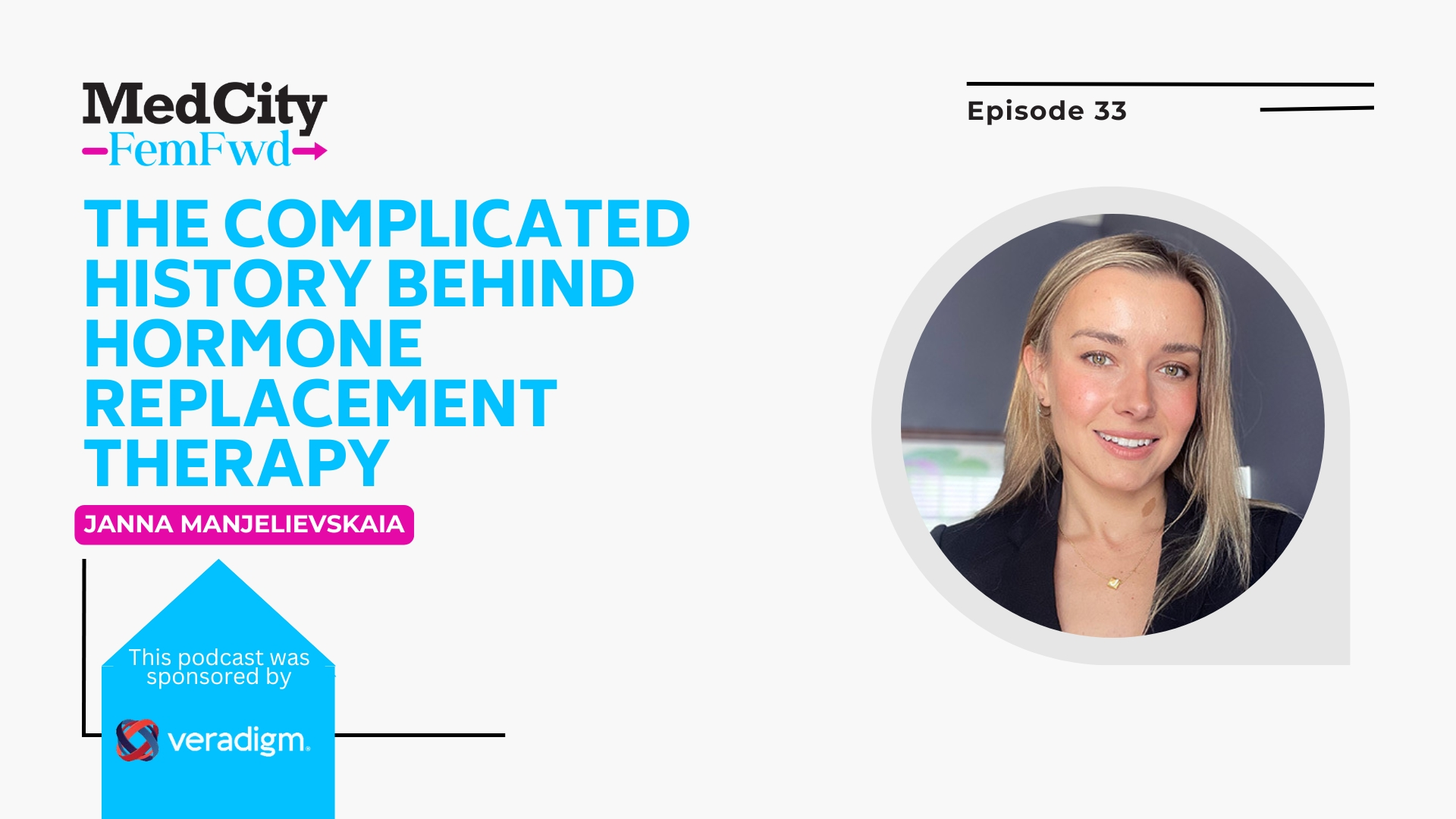
In a recent episode of MedCity FemFwd, Janna Manjelievskaia, director of health economics and outcomes research at Veradigm, joined host Marissa Plescia to discuss the findings of the company’s 2026 Women’s Health Insights Report. The report provides a granular look at the data—and the cultural inertia—surrounding menopause and the use of HRT, highlighting a significant shift in how patients and providers are navigating this critical stage of life.
The Landmark Trial and the "Fear-Based" Pivot
To understand the current state of HRT, one must revisit the Women’s Health Initiative (WHI). Launched in the early 1990s with over $600 million in NIH funding, the WHI was the largest women’s health clinical trial in U.S. history. Designed to address long-standing research gaps in chronic conditions such as heart disease, dementia, and osteoporosis, the study enrolled over 160,000 post-menopausal women.
Prior to the study’s conclusion, observational data had suggested that HRT provided protective benefits for the cardiovascular system and cognitive health. However, in 2002, the researchers took the unprecedented step of stopping the study early—and, more controversially, announcing their preliminary findings via a high-profile press conference before the official publication of their data.
The announcement was blunt: HRT was linked to an increased risk of breast cancer, blood clots, and cardiovascular disease. The reaction was immediate and seismic. Prescribing rates for HRT, which had been utilized by roughly 40% of eligible women at the time, plummeted to nearly 5% almost overnight.
The Problem of Misinterpreted Data
Manjelievskaia argues that the fallout from the WHI was fueled by a fundamental miscommunication of data. "The main finding that got all the attention was that women in the synthetic progestin/estrogen group had a 24% increase in the incidence of breast cancer," she explains. "What was completely ignored was the absolute risk."
While a 24% relative risk increase sounds alarming to the layperson, the absolute risk increase was merely 0.1%. Despite this, the psychological impact on the medical establishment was profound. A generation of physicians was trained to view HRT with suspicion, leading to what Manjelievskaia calls "fear-based medicine." This legacy resulted in decades of women being denied a treatment that could significantly improve their quality of life, based on a single study that utilized specific, older synthetic hormones—not the modern, FDA-approved formulations used today.
Chronology of a Medical Pendulum
The history of HRT is a study in the volatility of medical consensus.
- Pre-2002: HRT is widely prescribed, not only for menopausal symptoms like hot flashes and night sweats but as a preventative measure against chronic diseases like heart disease and osteoporosis.
- 2002: The WHI releases its initial findings. A national panic ensues, leading to a drastic reduction in prescriptions.
- 2003–2015: The "Dark Ages" of menopause care. Physicians, fearing liability and patient backlash, largely cease discussions regarding the benefits of HRT.
- 2016–2021: Growing awareness from advocacy groups and new research begins to challenge the WHI findings. However, the stigma remains deeply embedded in clinical practice.
- 2022–Present: A measurable resurgence. Driven by increased patient advocacy and updated clinical guidelines, HRT utilization begins a steady climb back into the mainstream.
Supporting Data: The Current Landscape of HRT
The Veradigm report offers a robust, data-driven window into how this landscape has shifted in the last several years. Utilizing a massive, nationally representative database of electronic health records (EHRs), the researchers analyzed trends from 2017 to 2024.
Key Statistical Findings
- Rising Adoption: By 2024, approximately 11% of eligible women over the age of 50 were prescribed HRT. This represents more than double the utilization rates observed in 2020.
- The Age Factor: Usage peaks significantly among women aged 54 to 56—the typical window for the most acute vasomotor symptoms.
- The "Gap" in Maintenance: Despite the initial intent of HRT as a long-term protective therapy, the data shows a sharp decline in usage among older women, suggesting that the medical community still views HRT as a short-term fix rather than a long-term health strategy.
- Contraindications are Not the Barrier: A sensitivity analysis revealed that rates of HRT usage were virtually identical between women with and without documented contraindications, suggesting that clinical safety concerns are not the primary driver of current underutilization.
Clinical Practice and the Communication Gap
Perhaps the most striking component of the Veradigm report is the qualitative analysis of physician notes. When researchers examined why and how HRT was being prescribed, they found a lingering, systemic bias.
Risk-First Conversations
The most common theme in physician-patient notes remains "risk communication." Providers continue to lead with the risks—specifically breast cancer—rather than the therapeutic benefits. Furthermore, despite the historical focus on cardiovascular protection, current clinical notes show a near-total absence of discussions regarding the long-term cardiovascular benefits of HRT.
"We can empower women all we want," Manjelievskaia notes, "but the downstream effect of the WHI is that there is an entire generation of physicians that just does not know how to prescribe HRT." The notes indicate that while doctors are responsive to immediate symptoms like vaginal dryness and hot flashes, the broader, holistic conversation about metabolic health and longevity is still failing to materialize.
Implications for Stakeholders
The implications of these findings extend far beyond the doctor’s office. As women reach their professional and personal peaks in midlife, the economic impact of untreated menopausal symptoms is significant. Many women report leaving the workforce—either temporarily or permanently—due to the physical and cognitive toll of menopause, which is often dismissed or improperly treated.
A Call for Systematic Change
For healthcare stakeholders, the message from the Veradigm report is clear: the status quo is insufficient. To move forward, the industry must:
- Prioritize Education: Medical schools and residency programs must move past the "WHI-era" training and provide updated, evidence-based education on modern HRT formulations and benefits.
- Standardize Data Collection: As seen with the recent renaming of PCOS to "PMOS" (Polyendocrine Metabolic Ovarian Syndrome), there is a need for better diagnostic coding and comprehensive lab workups. Currently, women’s health is often fragmented and under-documented.
- Adopt a Life-Course Approach: Menopause should not be treated as a "day" to be endured, but as a transitional phase requiring long-term health management. This includes addressing the cardiovascular and metabolic changes that occur during this period.
- Reject Fear-Based Medicine: As the medical community gains access to more real-world evidence, the focus must shift from a defensive stance of risk avoidance to a proactive stance of patient-centered care.
Conclusion
The story of Hormone Replacement Therapy is a cautionary tale about the dangers of overreacting to incomplete science. However, it is also a story of resilience and the power of data to rectify past errors. As researchers like Janna Manjelievskaia and organizations like Veradigm continue to peel back the layers of misinterpretation, the path forward becomes increasingly clear: by prioritizing accurate, current data over the lingering shadows of outdated fear, the medical community can finally offer the millions of women navigating midlife the care, support, and clarity they deserve.