




In the modern wellness landscape, the pursuit of longevity has shifted from a simple goal—living a long, healthy life—into a complex, data-driven obsession. From the rise of "biohacking" to the influence of celebrity health gurus, the promise is intoxicating: with enough data, supplements, and extreme protocols, we can allegedly fend off disease and remain youthful well into our 100s.
Yet, for the average person, this pursuit often leads to a paralyzing problem: longevity advice has become synonymous with an extraordinary amount of effort, time, and financial capital. The question remains: Is this extreme level of optimization actually necessary, or have we lost sight of the basics in favor of the cutting-edge?

The Myth of the "Perfect" Protocol
For years, the health and fitness industry has been dominated by a specific narrative: that the "basics"—eating well, sleeping, moving—are no longer enough. This narrative is pushed by high-profile podcasters, biohackers, and social media figures who advocate for ice baths, continuous glucose monitoring, and expensive supplement stacks.
While the desire for control is understandable, data suggests that "optimal" is rarely realistic, and more importantly, it isn’t necessary. At Precision Nutrition (PN), where hundreds of thousands of lives have been coached, the evidence is clear: modest, consistent efforts toward well-being yield significantly better long-term results than intense, rigid protocols.

Debunking Longevity Myths
The current obsession with "optimization" is built upon several dangerous misconceptions:
- The "Basics aren’t enough" Myth: In reality, the fundamentals are remarkably effective. The gap between the average lifespan and potential peak health is not caused by a lack of vitamin C infusions; it is caused by the inconsistent application of simple habits.
- The "More is Better" Fallacy: There is a well-documented law of diminishing returns in fitness. Beyond a certain threshold, the stress of "doing more" can lead to burnout, injury, and social isolation.
- The "All-or-Nothing" Trap: Many people abandon health goals because they cannot maintain a 5:00 a.m. training schedule. However, data shows that even 10–49% consistency with basic habits leads to measurable, life-changing health outcomes.
Chronology of Health Behavior: From Sedentary to Active
To understand why basic behaviors work, we must look at the trajectory of health over a lifespan. Research consistently shows that the transition from a sedentary lifestyle to a "moderately active" one provides the steepest decline in mortality risk.

For example, studies on Harvard alumni and older adults demonstrate that physical activity—regardless of intensity—is a primary driver of longevity. The greatest "bang for your buck" comes from achieving approximately 7.5 to 15 MET-hours (Metabolic Equivalent Hours) per week. While increasing intensity further can provide additional benefits, the curve flattens significantly after this point.
Supporting Data: What Actually Works
The "Longevity Assessment" movement often ignores the boring, foundational science that remains the gold standard for health.

1. Exercise and the U-Shaped Curve
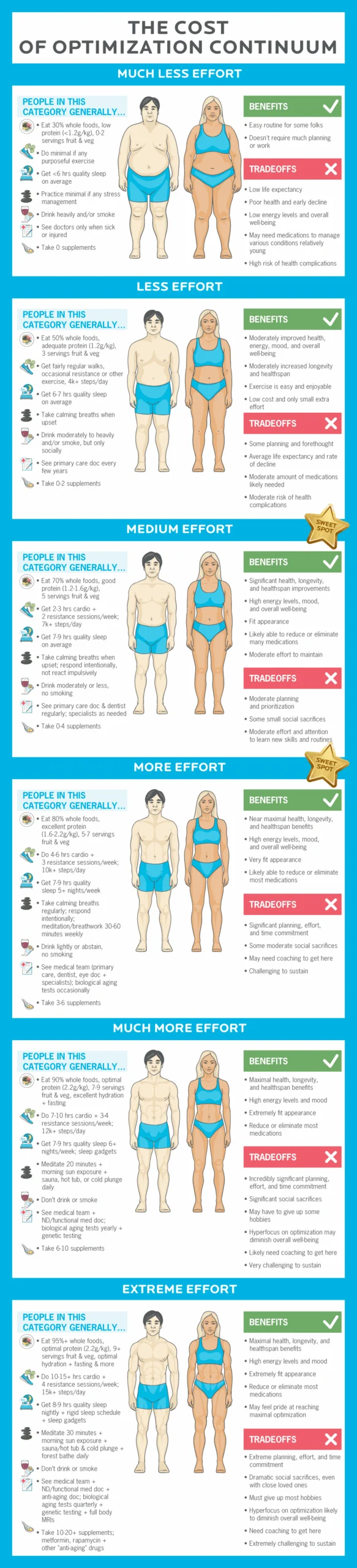
The "Extreme Exercise Hypothesis" suggests that while exercise is medicine, both underdosing and overdosing are possible. Excessive endurance training, for instance, has been linked in some studies to heart rhythm issues like atrial fibrillation. The "sweet spot" for most individuals is 7–10 hours of cardio per week, paired with three to four sessions of resistance training.
2. The Nutrition Continuum
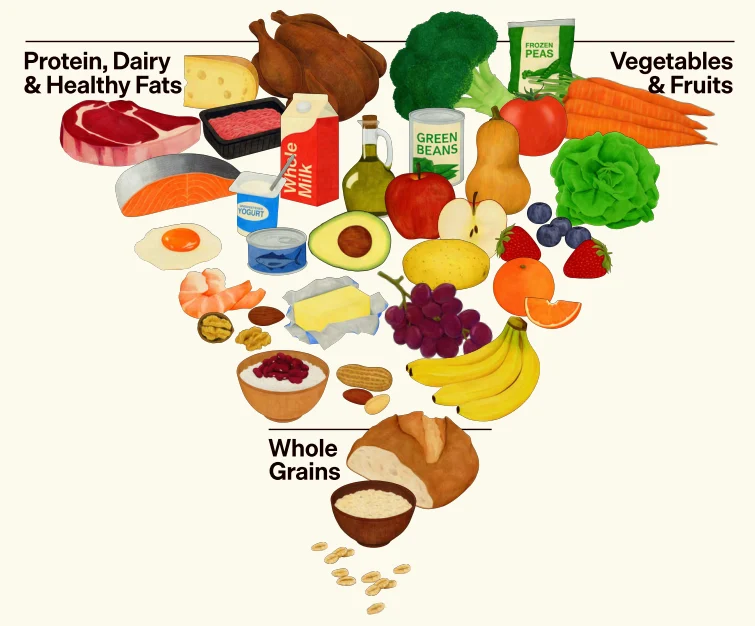
Ultra-processed foods (UPFs) have been linked to over 30 harmful health outcomes, including type 2 diabetes and cardiovascular disease. However, the goal is not to eliminate processed food entirely—which often leads to orthorexia—but to shift the dietary balance. Aiming for 70–80% of calories from whole, minimally processed foods is the industry gold standard for sustainable health.

3. The Power of Connection
Perhaps the most overlooked factor in longevity is social connection. The Harvard Study of Adult Development, which has tracked participants for over 87 years, identified strong relationships as the single biggest predictor of longevity—outperforming wealth, IQ, and even genetic predisposition. The mortality risk associated with social isolation is statistically comparable to smoking 15 cigarettes a day.
Official Perspectives on Risk and Harm
Health authorities, including the World Health Organization (WHO), have moved toward a more nuanced view of "harm reduction." Regarding alcohol, for instance, the conversation has shifted away from "moderate drinking is good for the heart" toward an acknowledgment that alcohol is a carcinogen. The current consensus is that there is no "safe" amount of alcohol, but that for most, finding a level of risk they are willing to tolerate is more sustainable than forced abstinence.

Similarly, preventive health measures—such as routine cancer screenings, dental care, and vaccination—are often sidelined by the "optimization" community in favor of experimental therapies. Yet, these boring, structural habits remain the bedrock of long-term survival.
The Financial and Existential Implications
When we weigh the "optimizer" lifestyle against a "healthy" lifestyle, the cost difference is staggering.

| Investment Type | "Healthy" (Medium Effort) | "Optimizer" (Extreme Effort) |
|---|---|---|
| Weekly Time | 5–8 Hours | 15–25+ Hours |
| Annual Cost | Moderate | $10,000+ (Additional) |
| Well-being | Balanced | Risk of Obsession/Burnout |
The "optimizer" approach requires three to four times the investment of a standard healthy lifestyle. While the optimizer might gain a marginal increase in biological markers, the average person achieves 80% of their desired results—such as fat loss, improved mood, and increased energy—through the basics.
Conclusion: Reclaiming Your Life
The ultimate goal of health is not to live in a perpetual state of data-tracking, but to possess the physical and mental capacity to enjoy life. If your health protocol is preventing you from spending time with family, enjoying a meal, or pursuing meaningful work, then the protocol itself has become a threat to your "Deep Health."

To optimize your life effectively:
- Clarify your goals: Distinguish between vanity metrics and true longevity.
- Audit your basics: Are you sleeping 7–9 hours? Are you eating five servings of produce? Are you socially connected?
- Reject the noise: Understand that influencers often have a financial incentive to make you feel like your current health isn’t "enough."
True longevity is not found in the latest expensive supplement or the most complex biohacking trend. It is found in the quiet, boring, and remarkably effective consistency of the fundamentals. Start there, and only then consider if you have the time and energy for anything else.