Tailgating is more than just a pre-game ritual; it is a culinary performance art that balances the chaos of a parking lot environment with the technical demands of high-quality outdoor cooking. As the crisp autumn air returns and stadium parking lots fill with the smell of charcoal and wood smoke, the pressure to deliver a five-star experience for friends, family, and fellow fans intensifies.
However, many enthusiasts find themselves overwhelmed, juggling tents, coolers, and high-stakes grilling all at once. The difference between a stressful, scorched-meat disaster and a seamless, professional-grade spread lies in preparation and technique. We consulted top culinary experts, including John Miller of Miller’s Catering Company and McCormick Executive Chef Jordan Carfagno, to distill the essential strategies required to master the tailgate.
The Philosophy of Preparation: Mastering the Logistics
The most common mistake amateur grillers make is assuming that the cooking starts when they arrive at the stadium. Professional caterers know that a successful event is 90% preparation and 10% execution.

The Night-Before Protocol
John Miller emphasizes that the logistical burden of tailgating—hauling equipment, setting up shade structures, and managing crowd dynamics—can easily distract from the grill. "When you’re tailgating, you’re going to have a ton of things on your plate," Miller notes. "The more prep you can do the night before allows you to conquer the day."
This involves more than just marinating meat. It requires a systematic approach to "mise en place." Pre-chop your vegetables, prepare your signature sauces, and organize your cooler in reverse order of use. By seasoning meats at home and packing your supplies in a way that aligns with your cooking timeline, you minimize the "fumble factor" when you arrive at the venue.
Technical Grilling Strategies: Beyond the Basics
The Art of the Two-Zone Setup
For many, the hot dog is the quintessential tailgate food. Yet, the common approach—tossing them over high, direct flames until they are charred—often results in skins that are burnt while the center remains tepid.

Chef Jordan Carfagno advocates for a two-zone grilling method. By designating one side of the grill for direct heat and the other for indirect heat, you gain total command over the cooking process. "The secret to getting a nice char on your hot dogs is to use medium heat and a two-zone grill," Carfagno explains. "Warm the dogs on indirect heat first, then move them to direct heat for one to two minutes, turning them often. This gives you that perfect, snap-worthy char without the risk of carbonizing the exterior."
Heat Management: Knowing When to Turn it Down
There is a pervasive myth that "grilling" is synonymous with "high heat." In reality, high-intensity flames are a surgical tool, not a blunt instrument.
"High heat has its place—like searing steaks, stir-frying vegetables, or quickly charring thin cuts—but it’s not ideal for everything," says Chef Carfagno. Over-reliance on high heat is the primary cause of the "burnt-outside-raw-inside" syndrome, particularly problematic when dealing with thick-cut proteins or dense root vegetables. For bone-in chicken or large roasts, lower, controlled temperatures are essential to ensure the heat penetrates the center without destroying the surface proteins.

The Importance of Spacing
In a high-pressure, high-volume environment, the urge to crowd the grill grate to feed a crowd as quickly as possible is strong. However, overcrowding the grill reduces airflow, which effectively steams the meat rather than searing it.
Chef Carfagno advises leaving at least a half-inch to one inch of space between items. "Heat needs to circulate to work effectively," he notes. If your current grill isn’t large enough to accommodate your guest list while maintaining proper spacing, it is far better to cook in smaller, staggered batches than to serve a mass of unevenly cooked food.
Chronology of a Perfect Tailgate
To ensure a smooth transition from the parking lot to the kickoff, follow this optimized timeline:

- The 24-Hour Lead-up: Complete all shopping, seasoning, and marinating. Ensure your cooler is packed with ice packs—never use loose ice that can melt and contaminate food.
- Setup Arrival: Secure your spot, set up your tent, and establish your "work station." Keep the raw meat cooler separate from the drink cooler to prevent cross-contamination.
- The Pre-Heat: Start your grill early. If using charcoal, ensure the coals are properly ashed over. For gas, allow the grill to stabilize at your target temperature before the first protein hits the grate.
- The "Start Low" Phase: As Chef Miller suggests, begin with lower temperatures. It is easier to ramp up the heat than it is to cool down a roaring fire.
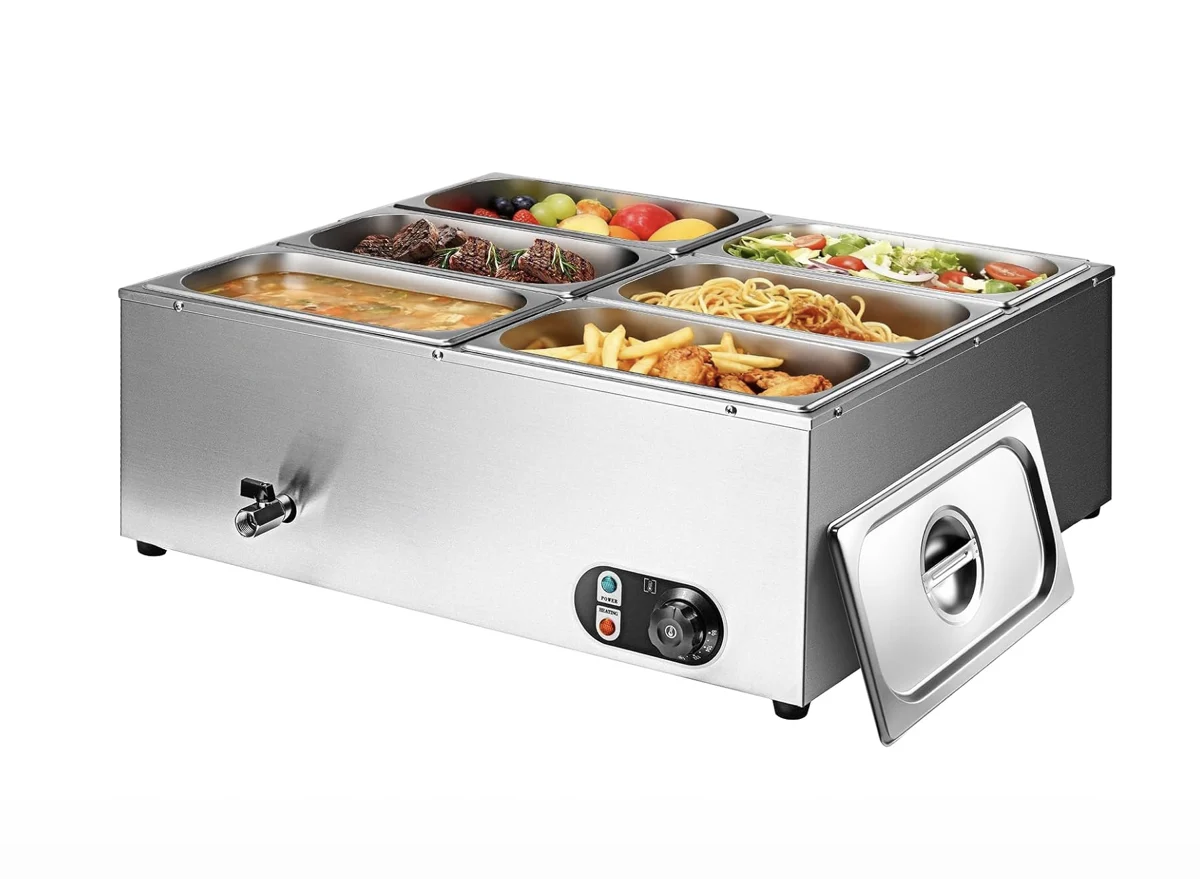
- The Service Flow: Utilize steam tables for finished items. This keeps food at a safe, palatable temperature without the risk of overcooking that comes with leaving items on the grill.
Supporting Data: Food Safety and Quality Control
Tailgating presents unique food safety challenges, primarily due to the "danger zone" (40°F to 140°F). According to standard culinary safety protocols, perishables should not be left in this temperature range for more than two hours.
- Temperature Control: Using a digital instant-read thermometer is the only way to guarantee safety. For ground meats, ensure an internal temperature of 160°F; for poultry, 165°F.
- Logistics Efficiency: By using steam tables, you not only maintain food quality but also ensure that guests are not waiting for individual burgers to come off the grill. A steam table creates a "buffet-style" environment that is significantly more efficient for crowds of six or more.
Official Perspectives: The Chef’s Mindset
The consensus among professional chefs is clear: the goal of a great host is to enjoy the event alongside their guests.
Chef Miller points out that the stress of the grill often prevents the host from participating in the social aspect of the tailgate. "If your grill is too hot and you don’t have time to allow it to cool, you’re going to either have people waiting or burn up some food," he warns. By treating the grill as a tool that requires calibration rather than a fire pit to be conquered, you gain the freedom to step away and actually watch the game.

The Implications for Your Next Event
Transitioning from a casual griller to a "tailgate chef" changes the dynamics of your game day. When you prioritize technique, you achieve:
- Consistency: Every burger is cooked to the same level of doneness.
- Flavor Profile: Proper heat management allows for better Maillard reaction (the chemical reaction that gives seared food its distinctive flavor) without the bitterness of burnt carbon.
- Host Wellness: By prepping the night before and using tools like steam tables, you reduce the physical labor required at the event.
As you prepare for your next outing, remember that the most successful tailgates are those where the food is secondary to the company, but the quality of the food is what makes the memory stick. By integrating these professional techniques—starting low, utilizing two-zone heat, and respecting the space on your grill—you elevate your tailgate from a mere parking lot meal to the highlight of the football season.
Whether you are a seasoned pitmaster or a casual fan, the path to a better tailgate is paved with these small, calculated adjustments. Plan early, control your variables, and let your food speak for itself.