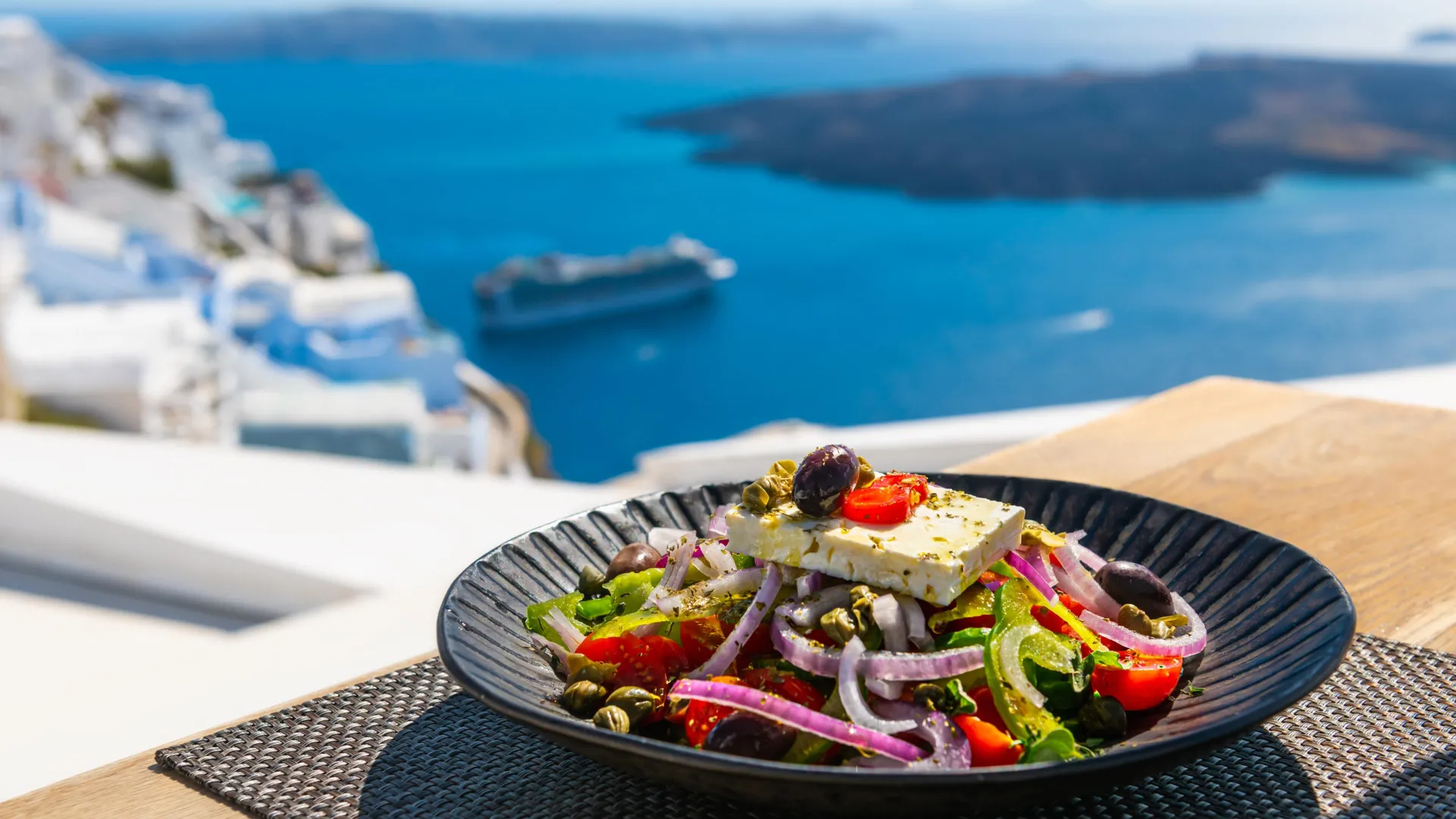
In a significant contribution to nutritional science and preventative neurology, a landmark study published on February 4, 2026, in Neurology Open Access—the official journal of the American Academy of Neurology—has provided compelling evidence that dietary choices play a pivotal role in long-term cerebrovascular health. The research, which tracked over 105,000 women over more than two decades, suggests that adhering to a Mediterranean-style eating pattern is associated with a markedly lower risk of experiencing a stroke.
While the study establishes a strong statistical correlation rather than a direct causative link, the breadth and duration of the research offer a sophisticated look at how the food on our plates may influence our brain health as we age. As stroke remains one of the leading causes of long-term disability and mortality worldwide, these findings represent a hopeful, actionable pathway for public health intervention.
Defining the Mediterranean Diet: More Than Just a Menu
The Mediterranean diet is not a rigid "weight-loss" regimen but rather a sustainable, culture-based nutritional framework. It prioritizes nutrient-dense whole foods and healthy fats, drawing inspiration from the traditional eating habits of populations bordering the Mediterranean Sea.
At its core, the diet emphasizes:
- High consumption of plant-based foods: This includes an abundance of vegetables, fruits, and legumes (beans, lentils, and chickpeas).
- Healthy Fats: The primary source of added fat is olive oil, which is rich in monounsaturated fatty acids known for their anti-inflammatory properties.
- Protein Sources: Fish and lean proteins are favored, while the intake of red meat and processed meats is significantly minimized.
- Whole Grains: Refined carbohydrates are replaced by whole-grain cereals.
- Limiting Dairy: The diet generally suggests lower consumption of dairy products compared to the standard Western diet.
This nutritional profile is believed to improve cardiovascular health by reducing systemic inflammation, improving cholesterol levels, and managing blood pressure—all of which are critical precursors to both ischemic and hemorrhagic strokes.
Chronology of a Two-Decade Investigation
The study, led by Dr. Sophia S. Wang of the City of Hope Comprehensive Cancer Center, represents a massive undertaking in longitudinal epidemiological research. The investigation began with 105,614 women who, at the start of the study, had no documented history of stroke. The average age of the participants at the baseline was 53.
The Methodology
At the outset, each participant completed a comprehensive, validated dietary questionnaire. Researchers utilized this data to assign each participant a "Mediterranean Diet Score," ranging from zero to nine. This scoring system provided a quantitative way to measure how closely a person’s daily habits aligned with the Mediterranean guidelines.
Participants were awarded points for:
- Consuming above-average amounts of whole grain cereals, fruits, vegetables, and legumes.
- High intake of fish and olive oil.
- Moderate consumption of alcohol (often linked to heart health in small quantities).
- Consuming less than the population average of red meat and dairy products.
Based on these metrics, the cohort was divided into groups. Approximately 30% of the women fell into the "highest adherence" category (scoring between six and nine), while 13% fell into the "lowest adherence" category (scoring between zero and two).
Tracking Outcomes
Over an average follow-up period of 21 years, the researchers maintained rigorous oversight of the participants’ health records. During this two-decade span, 4,083 strokes were recorded. These were categorized into:
- Ischemic strokes: The most common form, occurring when a clot blocks blood flow to the brain (3,358 cases).
- Hemorrhagic strokes: A rarer but often more severe form, caused by a ruptured blood vessel in the brain (725 cases).
Supporting Data: The Power of Adherence
The findings were stark. Even after adjusting for confounding variables—such as physical activity levels, smoking history, and pre-existing hypertension—the protective effect of the diet remained consistent.
Women in the highest-scoring group were 18% less likely to experience any form of stroke compared to those in the lowest-scoring group. When looking at specific types of stroke, the risk reduction was even more nuanced:
- Ischemic Stroke: Risk was 16% lower for those in the high-adherence group.
- Hemorrhagic Stroke: Risk was 25% lower for those in the high-adherence group.
The raw numbers highlight this disparity clearly. In the highest adherence group, there were 1,058 cases of ischemic stroke. In the lowest adherence group, despite the smaller overall population size of that subset, the relative rate of incidence was significantly higher.
Official Responses and Scientific Context
Dr. Sophia S. Wang, the study’s lead author, emphasized the broader implications of the research during a press briefing following the publication.
"Our findings support the mounting evidence that a healthy diet is critical to stroke prevention," Dr. Wang stated. She highlighted that the specific interest in hemorrhagic stroke sets this study apart from previous research. "We were especially interested to see that this finding applies to hemorrhagic stroke, as few large studies have looked at this type of stroke. Stroke is a leading cause of death and disability, so it’s exciting to think that improving our diets could lessen our risk for this devastating disease."
The research, funded by the National Institute of Neurological Diseases and Stroke, adds a vital layer of data to the American Academy of Neurology’s broader mission to understand the interplay between lifestyle and neurological health. By focusing on women, the study provides data on a demographic that is often uniquely impacted by hormonal changes and cardiovascular shifts over the aging process.
Implications for Public Health and Future Research
The implications of this study are far-reaching, potentially shifting how clinicians counsel patients on preventative health. Instead of focusing solely on pharmacological interventions for blood pressure or cholesterol, physicians may increasingly use "nutritional prescriptions" as a primary line of defense.
Understanding the "Why"
While the study demonstrates an association, the exact biological mechanism remains a subject of ongoing inquiry. Researchers suspect that the synergy of the Mediterranean diet’s components—the antioxidants in vegetables, the omega-3 fatty acids in fish, and the monounsaturated fats in olive oil—creates a protective environment for the endothelial lining of blood vessels. By reducing arterial stiffness and systemic oxidative stress, the diet may prevent the hardening of arteries that leads to ischemic events or the weakening of vessel walls that leads to hemorrhages.
Limitations and Nuance
It is important to acknowledge the limitations of the research, as noted by the authors themselves. The primary limitation is the use of self-reported dietary questionnaires. Human memory is fallible, and social desirability bias can sometimes cause participants to overestimate their healthy eating habits and underestimate their consumption of "junk" foods.
Furthermore, because the study is observational, it cannot definitively prove that the diet caused the reduction in strokes. It is possible that individuals who choose a Mediterranean diet are also more likely to engage in other health-conscious behaviors—such as regular medical checkups, stress management, or social engagement—that contribute to lower stroke risk.
The Path Forward
Despite these limitations, the massive scale of the study and the 21-year timeframe provide a level of statistical power that is hard to ignore. Dr. Wang noted that "further studies are needed to confirm these findings and to help us understand the mechanisms behind them so we could identify new ways to prevent stroke."
Future research will likely focus on randomized controlled trials to isolate the diet’s effects and investigate whether these benefits extend to men and different ethnic populations.
Conclusion: A Proactive Approach to Brain Health
As we look toward the future of preventative medicine, the Mediterranean diet stands out as one of the most robust, well-supported, and palatable strategies for longevity. For the millions of women currently navigating the complexities of long-term health, this study offers a clear message: what we eat matters.
While genetics and environment play roles that are beyond our control, the daily choice to prioritize vegetables, healthy fats, and whole grains represents a powerful tool in the fight against stroke. As science continues to bridge the gap between nutrition and neurology, the Mediterranean diet remains not just a culinary tradition, but a cornerstone of a healthy, protected brain.