










In a landmark study published in the journal Nature, an international team of researchers has decoded a long-standing mystery in cellular metabolism: the precise molecular "switch" that ignites an alternative energy-burning pathway in brown adipose tissue. While the discovery fundamentally reshapes our understanding of how the body maintains its thermal equilibrium, its most profound implications may lie in the field of orthopedics, offering a revolutionary pathway for treating debilitating bone diseases.
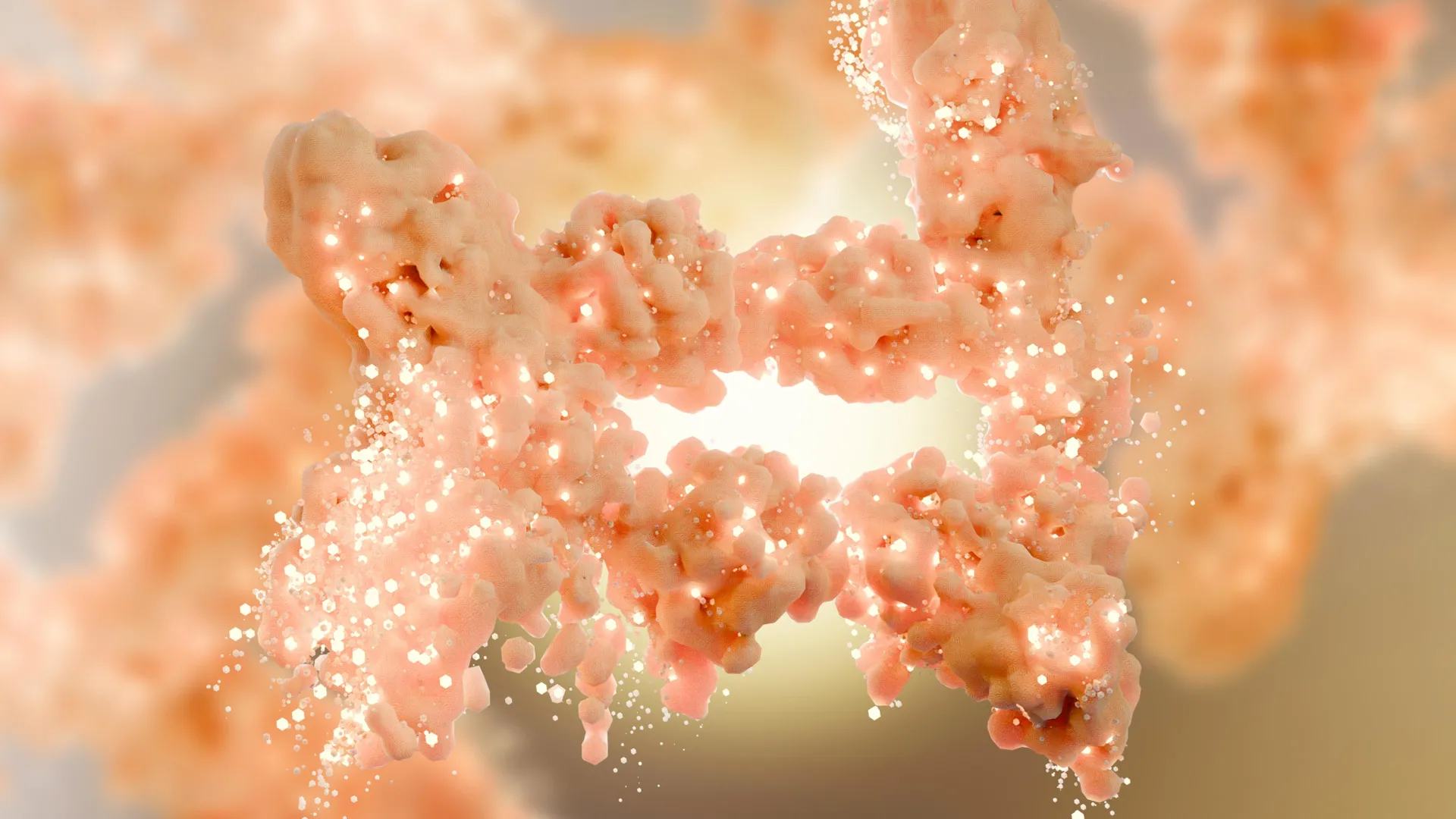
The research, led by Dr. Lawrence Kazak of McGill University’s Rosalind and Morris Goodman Cancer Institute, centers on the enzyme TNAP (Tissue-Nonspecific Alkaline Phosphatase). By identifying how this enzyme interacts with glycerol—a byproduct of fat metabolism—within a specific "glycerol pocket," the team has bridged the gap between thermogenesis (heat production) and mineralized tissue health.
Main Facts: Decoding the Futile Creatine Cycle
For decades, the scientific community operated under the assumption that brown fat’s heat-generating capabilities relied on a singular biological mechanism. Brown fat, distinct from the white fat that serves as an energy storage depot, is specialized to burn calories to produce heat, a process vital for survival in cold environments.
In recent years, researchers became aware of a second, parallel system known as the "futile creatine cycle." While the existence of this cycle was verified, its activation mechanism remained a "black box." Dr. Kazak and his team have now demonstrated that when the body is exposed to cold, it initiates lipolysis—the breakdown of stored fat. This process releases glycerol into the bloodstream.
The researchers discovered that glycerol acts as a chemical key, binding to a specific site on the TNAP enzyme. This binding event triggers the futile creatine cycle, allowing the cell to burn energy independently of the "classic" pathway. This dual-system approach suggests that the body possesses a sophisticated, multi-layered regulatory network to ensure thermal stability under varying environmental pressures.
Chronology: A Path to Discovery
The journey to this discovery was not linear; it was the culmination of years of collaborative research into macromolecular machines and metabolic signaling.
- Pre-2020: The scientific community acknowledges the existence of the futile creatine cycle in brown fat but lacks the knowledge of its primary activator.
- The Collaboration Phase: Dr. Lawrence Kazak, an expert in adipocyte biology, joined forces with structural biologist Dr. Alba Guarné, Canada Research Chair in Macromolecular Machines. Together, they mapped the structural interface of the TNAP enzyme.
- The Breakthrough: Using advanced imaging and biochemical assays, the team identified the "glycerol pocket" on the TNAP enzyme. They observed that glycerol binding directly influences the enzymatic activity responsible for thermogenesis.
- Connecting the Dots: Simultaneously, researchers Marc McKee (McGill) and José-Luis Millán (Sanford Burnham Prebys) provided the critical link to bone mineralization. Their previous work on TNAP-related bone disorders allowed the team to hypothesize that the same mechanism driving heat production in fat cells could be manipulated to drive bone health.
- 2024: The findings are peer-reviewed and published in Nature, detailing the mechanism of "Glycerol-driven TNAP activation in thermogenesis and mineralization."
Supporting Data: The Dual Role of TNAP
The significance of this discovery is anchored in the dual functionality of the TNAP enzyme. Traditionally, TNAP is recognized as a master regulator of calcification—the biochemical process that hardens the extracellular matrix to form strong, functional bone.
The study demonstrates that mutations that impair TNAP activity do not merely cause thermogenic dysfunction; they are the root cause of hypophosphatasia (HPP), a rare and severe genetic disorder. Patients with HPP suffer from "soft bones," which manifest as chronic pain, recurring fractures, and skeletal deformities. In certain regions of Canada, such as Quebec and Manitoba, specific inherited mutations have made this condition a public health focus.
By analyzing these mutations, the team revealed that the very same "glycerol pocket" involved in energy-burning fat cells is directly responsible for the mineralization process. This provides a compelling "two-for-one" opportunity: a therapeutic agent designed to target this pocket could potentially address both metabolic energy efficiency and bone structural integrity.
Official Responses: A Paradigm Shift in Treatment
The research team, comprised of luminaries from McGill, Queen Mary University of London, Northeastern University, and the Maine Health Institute for Research, views this discovery as a foundational shift in how we approach systemic health.
Dr. Lawrence Kazak, the study’s lead author, highlighted the unprecedented nature of the discovery. "This is the first time we’ve identified how an alternative heat-producing pathway is activated, independent of the classic system," Kazak stated. "That opens the door to understanding how multiple energy-burning systems work together to keep the body warm at the just-right temperature."
Dr. Marc McKee, a co-author and Canada Research Chair in Biomineralization, emphasized the clinical potential. "This finding opens the door to a new kind of treatment, where increasing the activity of the TNAP enzyme through its glycerol pocket by natural or synthetic bioactive compounds could potentially boost the beneficial actions of the enzyme in patients, to help restore deficient bone mineralization to healthy levels," McKee explained.
The research builds on the foundation laid by Dr. José-Luis Millán, whose prior work facilitated the development of the first-in-class enzyme replacement therapy for HPP. By identifying the glycerol pocket, the current team has effectively provided a roadmap for "second-generation" therapies that could be more targeted and effective than current options.
Implications: Future Horizons
The implications of this study ripple across several distinct medical disciplines:
1. Advancing Metabolic Research
The discovery of the "on switch" for brown fat could eventually lead to new treatments for obesity and metabolic syndrome. By understanding how to safely modulate the futile creatine cycle, researchers may be able to increase a patient’s resting metabolic rate without the adverse cardiovascular side effects often associated with older, systemic weight-loss medications.
2. A Revolution in Bone Therapeutics
The most immediate clinical promise lies in the treatment of HPP and other bone-mineralization disorders. Because the team has already identified dozens of potential drug candidates—small molecules capable of binding to the glycerol pocket—the transition from bench to bedside may be significantly faster than standard drug discovery timelines. These compounds could potentially act as "activators," coaxing the body’s existing (but underperforming) TNAP enzymes to work at higher efficiency.
3. Cross-Disciplinary Synergies
This study underscores the importance of interdisciplinary research. By combining the study of "fat biology" with "dental and skeletal mineralization," the researchers have uncovered a biological connection that would likely have been missed in a siloed laboratory setting. The collaboration between the Rosalind and Morris Goodman Cancer Institute and the Faculty of Dental Medicine and Oral Health Sciences serves as a model for future medical research.
Looking Forward: The Path to Clinical Trials
While the results in mice are conclusive, the transition to human clinical trials remains the next critical hurdle. The researchers have noted that because TNAP is a well-studied enzyme with existing FDA-approved therapies for HPP, the regulatory pathway for testing new "pocket-binding" compounds is relatively well-mapped.
The project, funded by the Canadian Institutes of Health Research (CIHR), the Natural Sciences and Engineering Research Council of Canada (NSERC), and the Fonds de recherche du Québec – Santé (FRQS), has already generated significant interest from pharmaceutical developers. As the team moves toward the next phase of investigation, the focus will be on optimizing the stability and specificity of the identified drug candidates.
In summary, the discovery of the glycerol-driven molecular switch represents a triumph of modern molecular biology. It transforms our understanding of how the body converts food into heat and offers a glimmer of hope to patients suffering from rare, debilitating bone disorders. As we continue to decode the "macromolecular machines" that govern human physiology, findings like those published in Nature remind us that the most elegant solutions to complex diseases often lie hidden in the very mechanisms that keep us alive.