











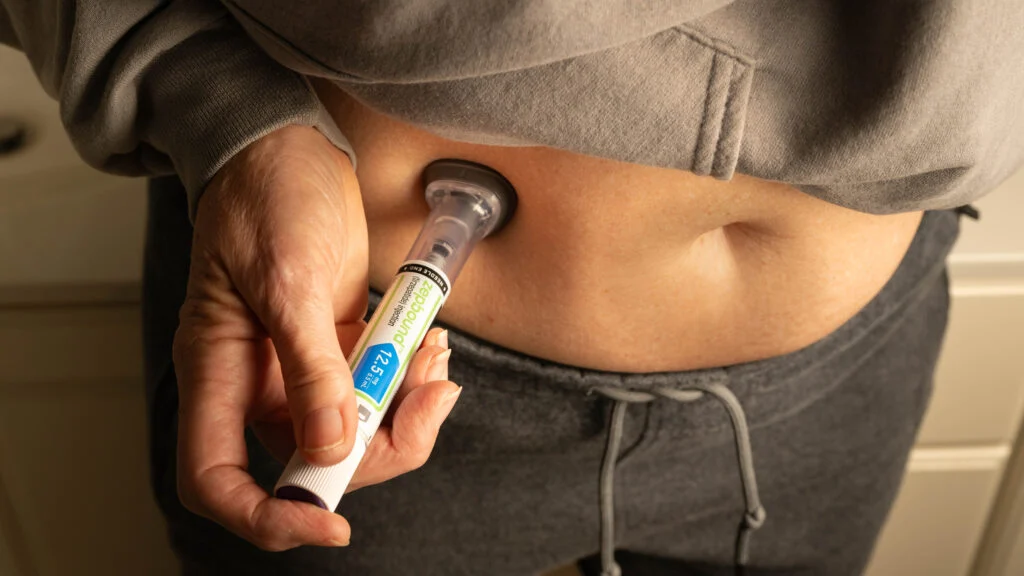
From the corridors of social media influencers to the hushed conversations at dinner parties, a new medical trend has emerged: the “microdosing” of GLP-1 receptor agonists. As these medications—originally designed to treat type 2 diabetes and chronic obesity—become household names, so too has the desire to use them for “cosmetic” weight loss. Patients are increasingly asking their physicians about taking smaller, frequent, or sub-therapeutic doses to achieve a slimmer physique without the side effects or the cost of the full-strength prescription.
However, for medical professionals like Dr. Jody Dushay, an assistant professor of medicine at Harvard Medical School and an attending endocrinologist at Beth Israel Deaconess Medical Center, the trend is not just a misunderstanding—it is a significant clinical concern. “Microdosing GLP-1s is not a thing,” Dr. Dushay asserts. “There are no legitimate long-term data to support it. In fact, there isn’t even a single clinical definition of what microdosing means in this context.”
The Science of Standardized Dosing
To understand the danger of the microdosing trend, one must first look at the rigorous framework behind FDA-approved GLP-1 therapies. Drugs like semaglutide (Wegovy) and tirzepatide (Zepbound) are not arbitrary; they are the result of years of clinical trials that established precise, safe, and effective dosing protocols.
Semaglutide (Wegovy)
- Weekly Injections: FDA-approved at 0.25, 0.5, 1, 1.7, 2.4, and 7.2 mg.
- Oral Doses: Daily ingestion approved at 1.5, 4, 9, and 25 mg.
Tirzepatide (Zepbound)
- Weekly Injections: FDA-approved at 2.5, 5, 7.5, 10, 12.5, and 15 mg.
These doses were selected because they raise GLP-1 levels in the body to a pharmacologic threshold necessary to trigger weight loss, manage blood sugar, and address metabolic dysfunction. In the landmark clinical studies that brought these drugs to market, participants were strictly administered these specific, validated amounts. Deviating from these dosages without evidence is, by definition, operating outside the realm of evidence-based medicine.
Chronology of a Trend: From Clinical Use to "DIY" Medicine
The rise of GLP-1s followed a predictable path: first, clinical success in diabetic patients; second, mass adoption for weight management; and third, the inevitable surge in unauthorized, off-label experimentation.
- Early Adoption (2017–2021): Semaglutide and tirzepatide were primarily utilized in controlled, clinical environments for the treatment of metabolic diseases. Dosing was carefully titrated to mitigate gastrointestinal side effects.
- The "Weight Loss Revolution" (2022–2023): As Wegovy and Zepbound gained celebrity endorsements and viral status on platforms like TikTok, demand began to outstrip supply.
- The Compounding Boom (2023–Present): Facing supply chain shortages, many patients turned to compounding pharmacies and direct-to-consumer online clinics. These entities began marketing “microdoses” of compounded GLP-1s, capitalizing on the desire for “a little extra” metabolic boost at a lower price point.
Supporting Data: Why "Click-Counting" Isn’t Microdosing
It is important to distinguish between clinical dose adjustment and the popularized concept of microdosing. Endocrinologists often engage in what is known as "individualized dosing."
For patients who experience severe side effects or those who show an exceptionally strong response to the medication, a doctor might use the multidose pens (like the Ozempic or Zepbound KwikPen) to “count the clicks.” This allows a patient to receive a dose that falls between the standard increments. Similarly, during the maintenance phase of treatment, a doctor might space out the injections to every 10 or 14 days rather than the standard seven.
“I would not call this microdosing,” Dr. Dushay explains. “This is the act of finding the optimal pharmacologic dose for a specific clinical situation under the close supervision of a medical professional. We are currently using these experiences to build a database that will eventually inform future clinical guidelines for long-term maintenance.”
The Danger of Compounded Alternatives
The real peril lies in the unauthorized, unregulated, and often opaque world of compounded GLP-1 products. Unlike the FDA-approved devices, which are engineered for sterility and precise delivery, compounded products often come with significant risks:
- Unknown Ingredients: Patients frequently have no way of verifying the purity, concentration, or provenance of the substances in these vials.
- Lack of Stability: The FDA-approved Zepbound vials, for instance, contain no preservatives. They are designed to be punctured only once. When clinics or individuals reuse these vials, they introduce the risk of contamination, which can lead to severe infections.
- No Clinical Baseline: Because these compounded products are often sold in units that do not correlate to the standard pharmacologic measurements, there is no scientific way to compare them to the legitimate drugs. Patients are effectively participating in an uncontrolled, non-peer-reviewed human experiment.
Implications for Future Medicine
While the current trend of microdosing is medically discouraged, the underlying premise—that lower doses might one day have targeted, therapeutic benefits—is a legitimate area of scientific inquiry.
Moving Toward Tissue-Specific Dosing
There is genuine excitement in the medical community regarding the “weight-independent” effects of GLP-1s. Emerging research suggests these drugs may have profound benefits for:
- Cardiovascular Health: Reducing the risk of major adverse cardiovascular events (MACE).
- Liver Disease: Treating metabolic dysfunction-associated steatotic liver disease (MASLD).
- Neurological Health: Ongoing research into the drug’s potential role in mitigating dementia and inflammatory neurological conditions.
The future of endocrinology may involve "precision dosing," where clinicians use specific, low-dose protocols to address these systemic conditions without necessarily aiming for massive weight loss. However, achieving this requires large-scale, randomized, placebo-controlled trials.
The Physician’s Verdict
The current appetite for microdosing is driven by social media chatter and aggressive marketing, not by clinical reality. When people bypass the medical establishment to procure compounded medications, they are making a massive gamble with their health.
“There’s no guarantee that these small doses won’t cause big problems,” Dr. Dushay warns. “Until we have systemic data, the risk-to-benefit ratio is completely unknown. We need to wait for the science to catch up to the hype.”
For those interested in GLP-1 therapy, the path remains unchanged: consult with a board-certified physician, discuss your metabolic health goals, and utilize only FDA-approved, pharmacy-dispensed medications. There is no shortcut to safety, and in the world of potent hormone-regulating therapies, “a little dab” is not just potentially ineffective—it is a risk that the medical community is not yet prepared to endorse.
Disclaimer: This article is for informational purposes only and does not constitute medical advice. Always seek the advice of your physician or other qualified health provider with any questions you may have regarding a medical condition or treatment.