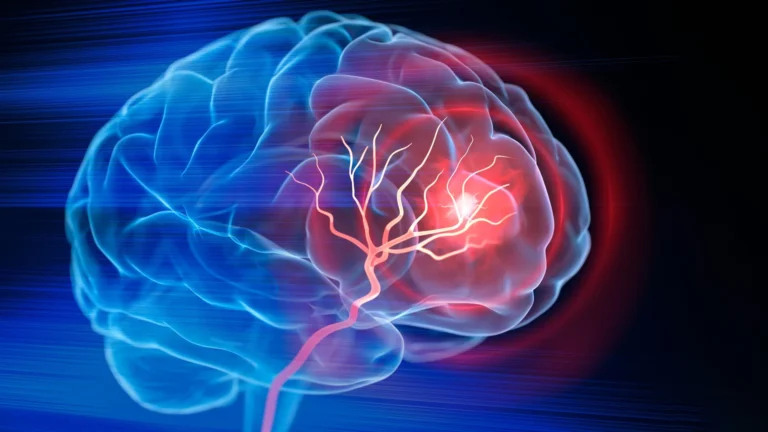










In the quest for healthy aging, the focus has long been on the cardiovascular system and the prevention of chronic disease. However, emerging research suggests that what we put on our plates may be just as critical for the structural integrity of our brains as it is for our hearts. A significant new study, published in the Journal of Neurology, Neurosurgery & Psychiatry, provides compelling evidence that the "MIND" diet—a hybrid of the Mediterranean and DASH eating patterns—may act as a biological buffer against the inevitable wear and tear of the aging brain.
For decades, scientists have known that the brain undergoes structural shifts as we age. These changes include the loss of grey matter, which is essential for memory and complex cognitive tasks, and the expansion of the brain’s ventricles—fluid-filled cavities that tend to grow as surrounding brain tissue withers. The new research indicates that individuals who adhere strictly to the MIND diet may be effectively "buying time," with the study suggesting that the diet could delay brain aging by up to two and a half years.
The Science of the MIND Diet: A Neuro-Nutritional Framework
The MIND diet—an acronym for Mediterranean-DASH Intervention for Neurodegenerative Delay—was specifically designed by nutritional epidemiologists to support cognitive health. Unlike more generic heart-healthy diets, the MIND protocol is fine-tuned to target the mechanisms of neurodegeneration.
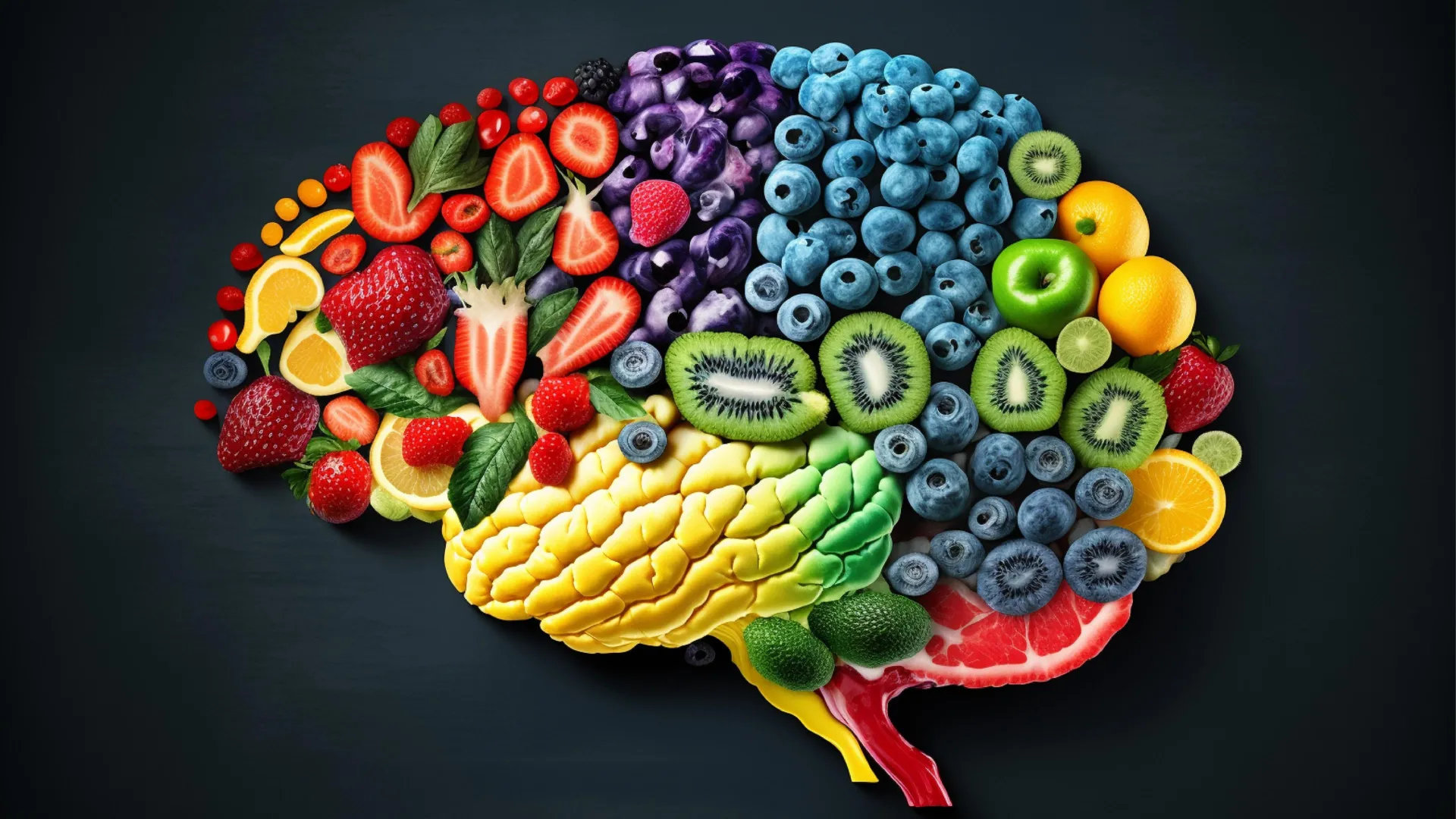
The diet prioritizes ten brain-healthy food groups: green leafy vegetables, other vegetables, berries, nuts, whole grains, fish, beans, olive oil, and poultry. Conversely, it mandates the strict limitation of foods known to promote inflammation and vascular damage: butter, margarine, cheese, red meat, fried fast foods, and refined pastries or sweets.
The biological premise is rooted in the reduction of oxidative stress and systemic inflammation. By emphasizing antioxidants and high-quality proteins, the diet aims to protect neurons from the cumulative damage that eventually manifests as cognitive decline, Alzheimer’s disease, or Parkinson’s.
A Longitudinal Investigation: The Framingham Cohort
To understand the long-term impact of this dietary pattern, researchers turned to the Framingham Heart Study Offspring (FOS) cohort, one of the most robust and long-standing cardiovascular studies in medical history. The research team analyzed data from 1,647 middle-aged and older adults, with an average age of 60 at the start of the study.
The study design was rigorous. Researchers tracked the health of these participants through regular evaluations over an average follow-up period of 12 years. To capture the physical reality of brain aging, the participants underwent serial MRI scans between 1999 and 2019. By cross-referencing these brain images with detailed food frequency questionnaires collected between 1991 and 2001, the team was able to map dietary habits against structural changes in the brain over a decade-long trajectory.
At the baseline, none of the participants showed evidence of dementia or stroke, ensuring that the findings captured the effects of natural aging rather than acute pathology.
Supporting Data: Mapping the Anatomy of Aging
The data revealed a sobering, albeit expected, portrait of the aging brain across all participants: a decrease in total brain volume, grey matter, white matter, and hippocampal volume, alongside an increase in ventricular size and white matter hyperintensities—often referred to as "bright spots" that signal tissue damage.
However, the divergence between those with high and low MIND diet scores was striking. For every three-point increase in a participant’s MIND diet score, researchers observed a significant slowing in the rate of grey matter loss (0.279 cm³/year). In clinical terms, this equates to 20% less age-related decline, or roughly 2.5 years of delayed aging.
Ventricular expansion, a marker of brain atrophy, showed a similar trend. Higher adherence to the diet was associated with an 8% reduction in the rate of ventricular enlargement, providing roughly one year of "neurological buffer."
The "Star" Foods vs. The Unexpected Variables
The study shed light on which specific components of the diet drive these structural benefits. Berries, which are packed with flavonoids known to improve blood flow and reduce inflammation, were strongly linked to slower ventricular growth. Poultry also emerged as a significant contributor to maintaining both grey matter and ventricular volume.
Interestingly, the study produced some counter-intuitive results. While the MIND diet generally advises the intake of whole grains, this specific cohort study found that higher whole grain consumption was linked to faster structural declines. Conversely, cheese intake—which is typically restricted in the MIND diet—was associated with better brain outcomes. These anomalies remind the scientific community that nutrition is a complex, multi-factorial interaction, and that dietary recommendations continue to evolve as researchers dissect the specific mechanisms of individual food groups.
Official Perspectives: The Role of Lifestyle Synergy
The researchers emphasized that the benefits of the diet were most pronounced in older adults, suggesting that it is never too late to adopt neuro-protective habits. Furthermore, the strongest associations were found in individuals who were physically active and maintained a healthy body mass index (BMI).
"MIND-recommended foods rich in antioxidants, such as berries, and high-quality protein sources like poultry may reduce oxidative stress and mitigate neuronal damage," the researchers noted in their report. "Conversely, fried fast foods, often high in unhealthy fats, trans fats, and advanced glycation end-products, may contribute to inflammation and vascular damage."
The study authors argue that their findings support the integration of dietary interventions into public health strategies aimed at slowing the societal tide of neurodegeneration. By treating the brain as an organ that responds to fuel, just like the heart or muscles, the researchers hope to shift the narrative from "inevitable decline" to "managed aging."
Limitations and Future Implications
While the study is a milestone in nutritional neuroscience, the researchers were careful to acknowledge its limitations. As an observational study, it cannot definitively prove cause and effect; it is possible that individuals with naturally healthier brain function are also more likely to choose healthier foods.
Additionally, the reliance on food frequency questionnaires introduces the possibility of recall bias. The cohort, being predominantly white, may also limit the generalizability of the findings to more diverse populations with different dietary cultures and genetic predispositions. Future research, the authors note, must include randomized controlled trials and more diverse demographic representation to confirm whether these dietary patterns hold true across all ethnic and socioeconomic backgrounds.
The Path Forward
Despite these limitations, the study offers a powerful, low-cost intervention for a global population facing an aging crisis. As neurodegenerative diseases continue to place a heavy burden on healthcare systems, the potential to "delay" brain aging through accessible dietary choices provides a sense of agency to the public.
The evidence suggests that the MIND diet is not merely a tool for weight management or cardiovascular health, but a potential cornerstone of a brain-first lifestyle. As the scientific community continues to explore the gut-brain axis and the role of inflammation in cognitive decline, the MIND diet stands as one of the most promising, scientifically grounded frameworks available to preserve the most complex organ in the human body.
For now, the message from the research is clear: the architecture of the brain is not fixed in stone. Through consistent, high-quality nutrition and an active lifestyle, individuals may hold the power to shape the physical trajectory of their aging process, keeping the mind as sharp and resilient as possible for as long as possible.