For the past two decades, an investigative lens has been turned toward the intersection of the American food supply and the national healthcare apparatus. What emerges is a troubling portrait of a system that functions not as a public health safeguard, but as a circular, high-profit business model. The thesis is stark: the industrial food complex creates the pathology, while the pharmaceutical industry provides the maintenance, ensuring a lifelong cycle of dependence that begins at the molecular level.
This investigation explores the hypothesis that the modern diet is not merely nutritionally bankrupt, but actively hostile to the structural integrity of human DNA. By stripping food of its essential repair components and saturating the environment with metabolic stressors, the current system may be facilitating an unprecedented surge in chronic, degenerative, and “turbo” diseases.
The Industrial Business Model: A Coordinated Profit Engine
To understand the current state of public health, one must first recognize the structural alignment between Big Food and Big Pharma. In the United States, these two sectors operate with a level of integration that suggests a unified objective: the sustained management of illness.
The Engineering of Nutritional Poverty
The modern food supply is characterized by "nutritional poverty within economic abundance." Ultra-processed foods—defined as packaged snacks, fast food, frozen meals, and sugary beverages—are engineered for hyper-palatability and shelf stability. However, the processing required to achieve this often involves the systematic removal of micronutrients, antioxidants, and cofactors essential for biological homeostasis.
Data from the European Prospective Investigation into Cancer and Nutrition (EPIC) has consistently highlighted that high consumption of ultra-processed foods correlates with measurable metabolic fingerprints of disease. These foods do not simply provide "empty calories"; they actively induce systemic, chronic inflammation, a primary driver of DNA damage and cellular dysfunction.
Regulatory Capture and the Dietary Guidelines
A critical inflection point in this system is the U.S. Dietary Guidelines. These guidelines dictate the nutritional standards for national programs—such as school lunches and senior nutrition—totaling nearly $100 billion in annual spending. Investigative reporting has revealed that approximately 95% of the committee members responsible for these guidelines have maintained financial or professional ties to the pharmaceutical or food industries. When the regulators are inextricably linked to the entities they regulate, the definition of "food" itself becomes a product of lobbying rather than science.
Chronology of Cellular Decay: How Damage Accumulates
The degradation of genetic integrity is not a singular event; it is a cumulative process driven by a combination of environmental and dietary factors.
1. The Onset of Metabolic Stress
In a healthy state, the body utilizes ancient repair mechanisms, such as non-homologous end joining (NHEJ), to fix breaks in the DNA double helix. These processes are highly resource-intensive. When the body is bombarded by environmental toxins—ranging from background radiation and electromagnetic fields (EMFs) to modern medical interventions—the demand for repair increases exponentially.
2. The NAD+ Depletion Crisis
A key focus of current research is the role of NAD+ (Nicotinamide Adenine Dinucleotide). When cellular stress triggers the repair enzyme PARP to mend damaged DNA, the process consumes vast amounts of NAD+. If the body is chronically depleted of the nutrients required to replenish NAD+—largely due to a processed diet—the repair mechanisms fail. This failure to repair is theorized to be the catalyst for the "turbo" cancers and rapid onset of autoimmune conditions currently being observed in clinical settings.
3. The Impact of Modern Environmental Factors
Beyond the diet, the body must contend with a barrage of external stressors. Whether one examines the fallout from mRNA-based medical technologies or the proliferation of 5G infrastructure, the underlying biological reality remains the same: the threshold for natural cellular recovery is being pushed to its absolute limit.
Supporting Data: The Biochemistry of Repair
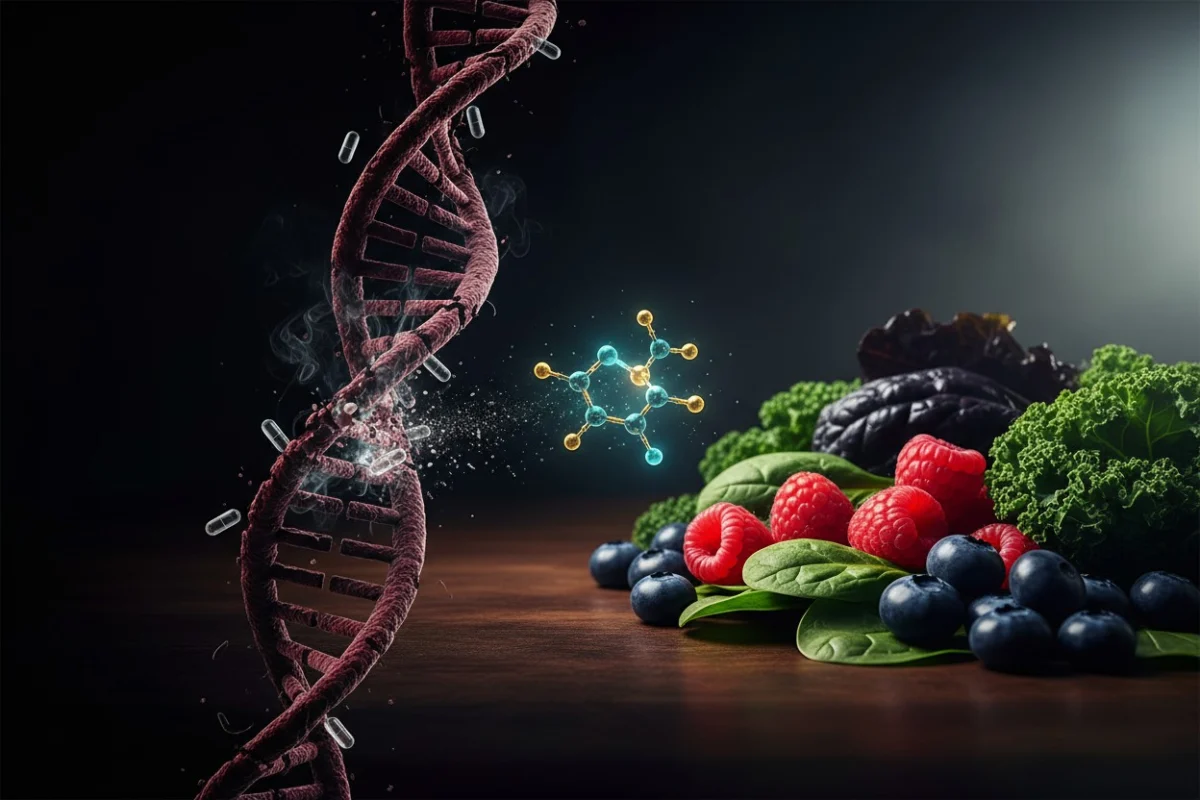
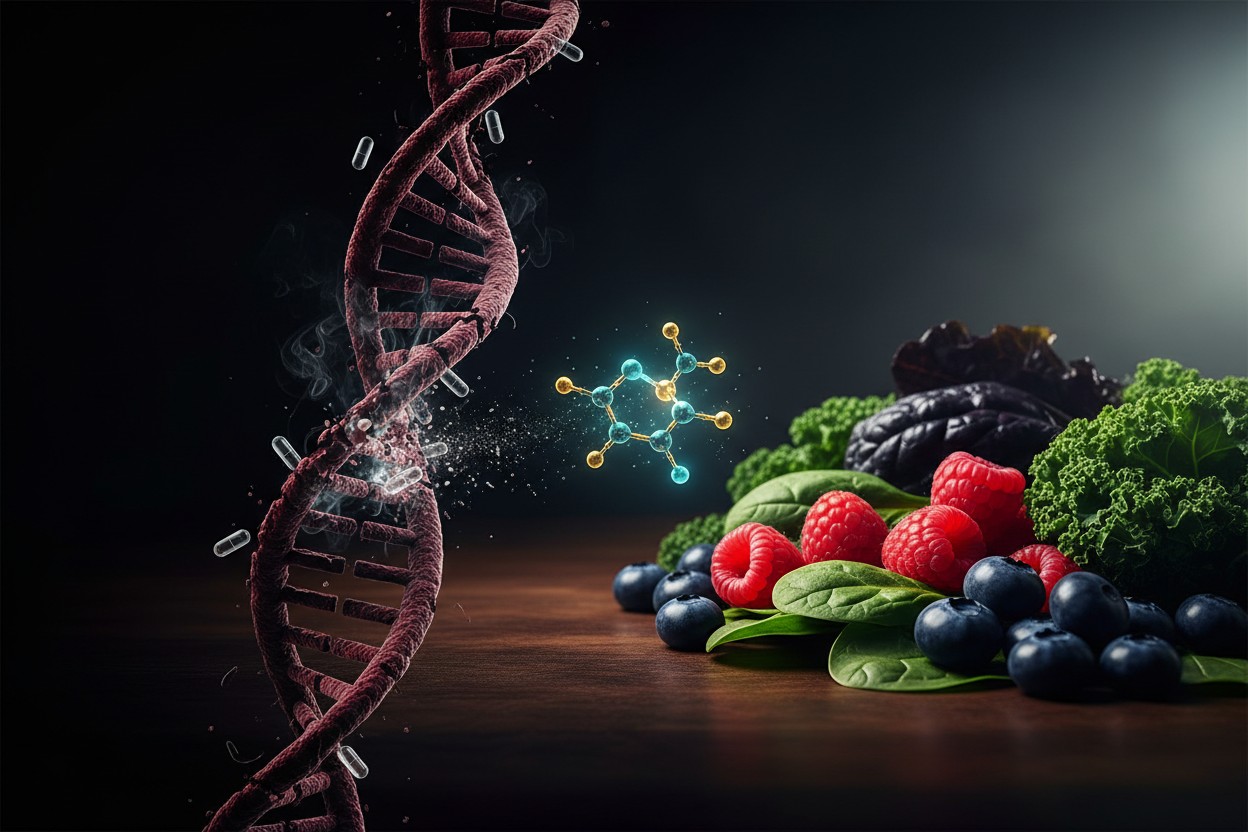
The human body is essentially a complex, self-repairing piece of nanotechnology. However, this technology requires specific "fuel" to operate. The absence of these nutrients in the standard diet is not accidental; it is a byproduct of industrial farming and manufacturing techniques that prioritize yield and preservation over nutrient density.
Critical Micronutrients for Gene Repair
Research into orthomolecular medicine has identified several key compounds that are essential for maintaining the integrity of the genetic code:
- Apigenin and Anthocyanins: These polyphenols are potent inhibitors of oxidative stress. Found in high concentrations in fresh produce and specific superfoods, they act as the "mechanics" of the cell, neutralizing free radicals before they can reach the nucleus.
- Zinc: A coenzyme mineral that acts as a signaling molecule for DNA repair systems. A deficiency in zinc—common in those consuming a high-processed diet—renders the body’s internal repair systems "blind," meaning they cannot locate or address breaks in the DNA.
- DHA (Docosahexaenoic Acid): Crucial for the fluidity of arterial cell membranes. Experts like Dr. Sherry Rogers have long warned that environmental toxins can damage the receptors necessary for the body to synthesize and utilize DHA, directly impacting heart health and cognitive function.
Official Responses and the Scientific Divide
The mainstream medical establishment remains largely focused on symptomatic treatment—the management of disease—rather than the preservation of genetic integrity.
While public health agencies maintain that the food supply is "generally recognized as safe" (GRAS), critics argue that the criteria for this safety are based on acute toxicity rather than long-term, transgenerational genetic damage. The divide between "establishment" medicine and "orthomolecular" approaches is widening. Where the former advocates for pharmaceutical intervention to mask the symptoms of a metabolic crisis, the latter advocates for the restoration of the body’s natural capacity to heal through nutrient density and the mitigation of environmental stressors.
Implications: The Path Toward Biological Autonomy
The implications of a compromised gene-repair system are severe: accelerated biological aging, immune system collapse, and an increased incidence of malignancies, specifically lymphoma, leukemia, and prostate cancer. However, the narrative of inevitable decline is being challenged by a growing movement focused on genetic survival.
Reframing the Genetic Narrative
For years, the prevailing scientific belief was that damage to the genetic code was largely permanent and irreversible. This fatalistic view serves those who profit from the status quo; a population that believes its health is beyond its control is a population that remains dependent on external systems for survival.
However, emerging research into epigenetics and nutrient-based gene support suggests that the body is far more resilient than previously understood. By identifying the specific nutrients that have been suppressed by modern agricultural and medical trends, individuals may be able to reclaim a degree of biological autonomy.
A Call for Proactive Resilience
The goal of modern health advocacy is no longer just "wellness" in the traditional sense; it is the strategic protection of genetic integrity. This involves a three-pronged approach:
- Nutritional Restoration: Intentionally re-introducing the phytochemicals and minerals stripped away by industrial processing.
- Environmental Mitigation: Understanding the impact of modern infrastructure (such as high-frequency radiation) and taking steps to reduce personal exposure.
- Educational Empowerment: Rejecting the fatalism of the "sickness-for-profit" model and seeking out the science of how gene repair can be supported through diet and lifestyle choices.
Conclusion: The Unbreakable Future
As we look toward the future—a landscape characterized by increasing environmental complexity—the necessity for robust genetic repair has never been higher. The evidence suggests that while we may be living in a system designed to make us sick, we are not without recourse. The keys to longevity and health are likely found in the very components that the industrial system seeks to remove from our plates. By prioritizing nutrient density and understanding the mechanics of our own cellular repair, we can shift from being passive consumers of a broken system to active guardians of our genetic legacy.
The fight for health is, ultimately, a fight for the integrity of our DNA. It is a battle that begins in the grocery aisle and ends in the nucleus of our cells. For those who choose to take control, the possibility of an "unbreakable" future remains within reach.