












In an era defined by hyper-connectivity and the relentless hum of digital demands, the pursuit of deep, restorative sleep has become a modern-day health crisis. As insomnia rates climb globally, many are turning away from pharmacological interventions and toward ancient practices. Yoga, once viewed primarily as a physical discipline for fitness, is increasingly recognized by sleep scientists and medical professionals as a potent, non-invasive tool for regulating the nervous system and reclaiming the night.
The Physiology of Sleep: Why Yoga Works
At its core, the struggle to fall asleep is often a struggle to disengage from the "fight-or-flight" response. When the mind remains locked in a loop of ruminative thought, the sympathetic nervous system stays active, pumping cortisol and adrenaline through the bloodstream—the physiological antithesis of sleep.
Yoga functions as a somatic bridge. By focusing on the breath—specifically, the lengthening of the exhalation—practitioners can manually trigger the parasympathetic nervous system, commonly known as the "rest and digest" branch. This shift in the autonomic nervous system is not merely anecdotal; it is a measurable biological transition. When you align intentional movement with rhythmic breathing, you are effectively signaling to your brain that the environment is safe, the day’s threats have passed, and the body is permitted to power down.

Chronology of the Pre-Sleep Ritual
To maximize the benefits of a bedtime yoga practice, consistency and sequence are vital. A successful routine acts as a behavioral cue, signaling to your circadian rhythm that the transition to sleep has begun.
- The Wind-Down (30–45 minutes before bed): Begin by stepping away from all blue-light-emitting devices. Dim the lights and create a dedicated space.
- The Transition (15–20 minutes before bed): Engage in slow, mindful movement. The goal here is not to build heat or break a sweat, but to release the physical "armor" of the day—the tension held in the hips, shoulders, and jaw.
- The Stillness (10 minutes before bed): Move into restorative, floor-based poses. These shapes require minimal muscular effort, allowing the body to surrender fully to gravity.
- The Final Release (In bed): End with a final savasana or gentle breathing exercise while tucked under the covers, effectively removing the barrier between your practice and your dreams.
Supporting Data: What the Research Says
The clinical evidence supporting yoga as a sleep intervention is growing. Studies published in journals such as Complementary Therapies in Medicine have consistently shown that participants who engage in regular, gentle yoga experience significant improvements in sleep latency—the time it takes to drift off—and overall sleep quality.
Furthermore, research highlighted by institutions like Johns Hopkins Medicine indicates that yoga is particularly effective for older adults and individuals struggling with chronic stress. The mechanism is two-fold: physical stretching relieves musculoskeletal discomfort that might otherwise cause midnight waking, while the meditative aspects of the practice reduce the psychological preoccupation that often leads to "monkey mind" or nighttime anxiety.
Expert Perspectives on Mindful Rest
Medical professionals are increasingly integrating these practices into holistic treatment plans. "Yoga isn’t just about flexibility; it is about emotional regulation," says one expert in behavioral sleep medicine. "When a patient learns to control their breathing, they are gaining a tool to combat the physiological panic of being unable to sleep. It transforms the bed from a place of frustration—where you stare at the clock—into a place of sanctuary."
The consensus among wellness practitioners is that you do not need to be a seasoned yogi to reap these benefits. The practice is "less about doing and more about being." By prioritizing stillness over performance, individuals can bypass the competitive mindset that often pervades modern fitness culture and instead cultivate a state of receptive calm.
5 Essential Poses for Your Bedtime Routine
If you are struggling to find a starting point, these five poses offer a balanced approach to preparing the body and mind for rest.
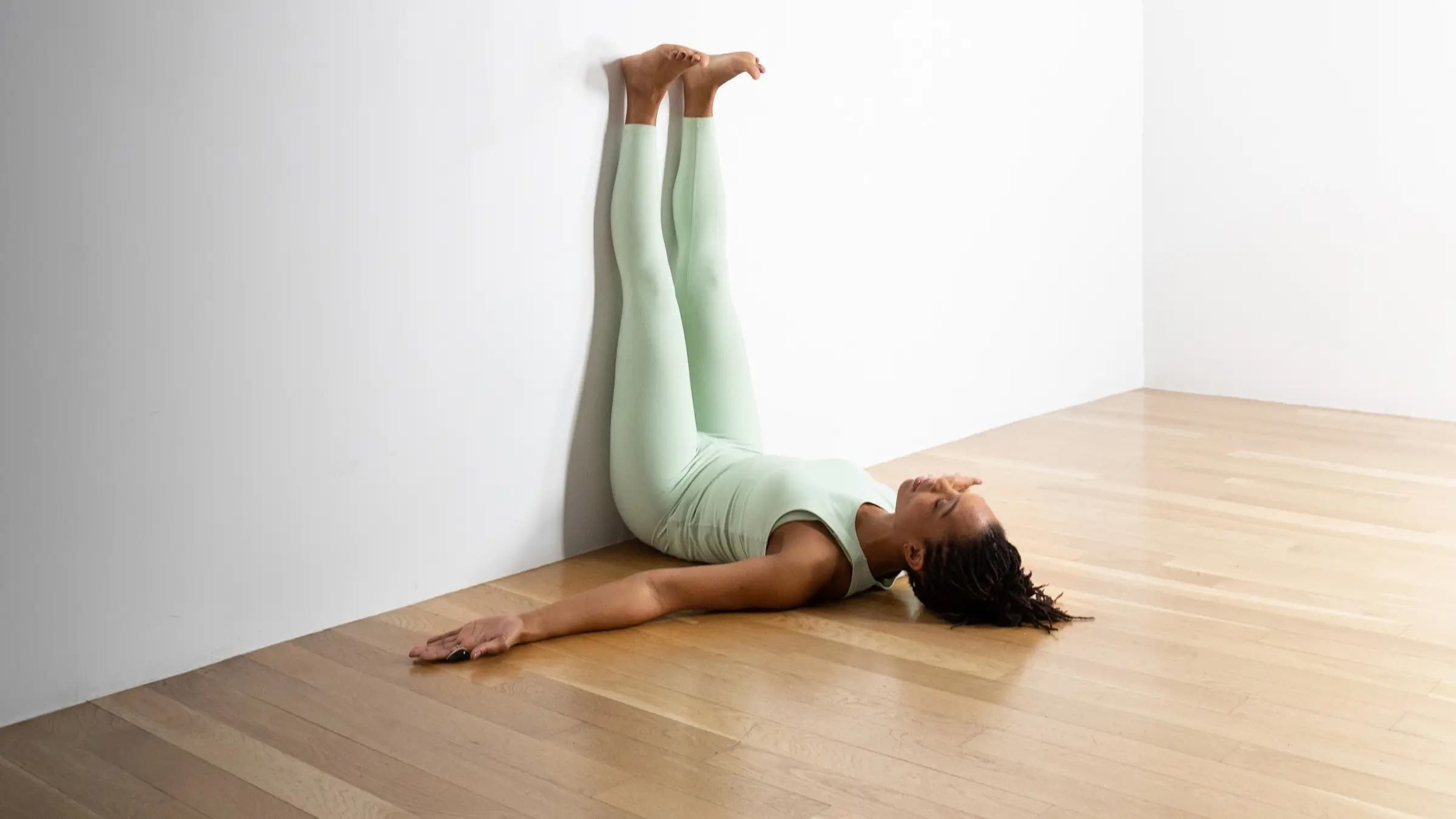
1. Legs Up the Wall (Viparita Karani)
This is arguably the "gold standard" for sleep. By elevating your legs, you encourage venous return and stimulate the baroreceptors that regulate blood pressure. It is a gentle, restorative inversion that requires zero effort, making it the perfect final activity before lights out.
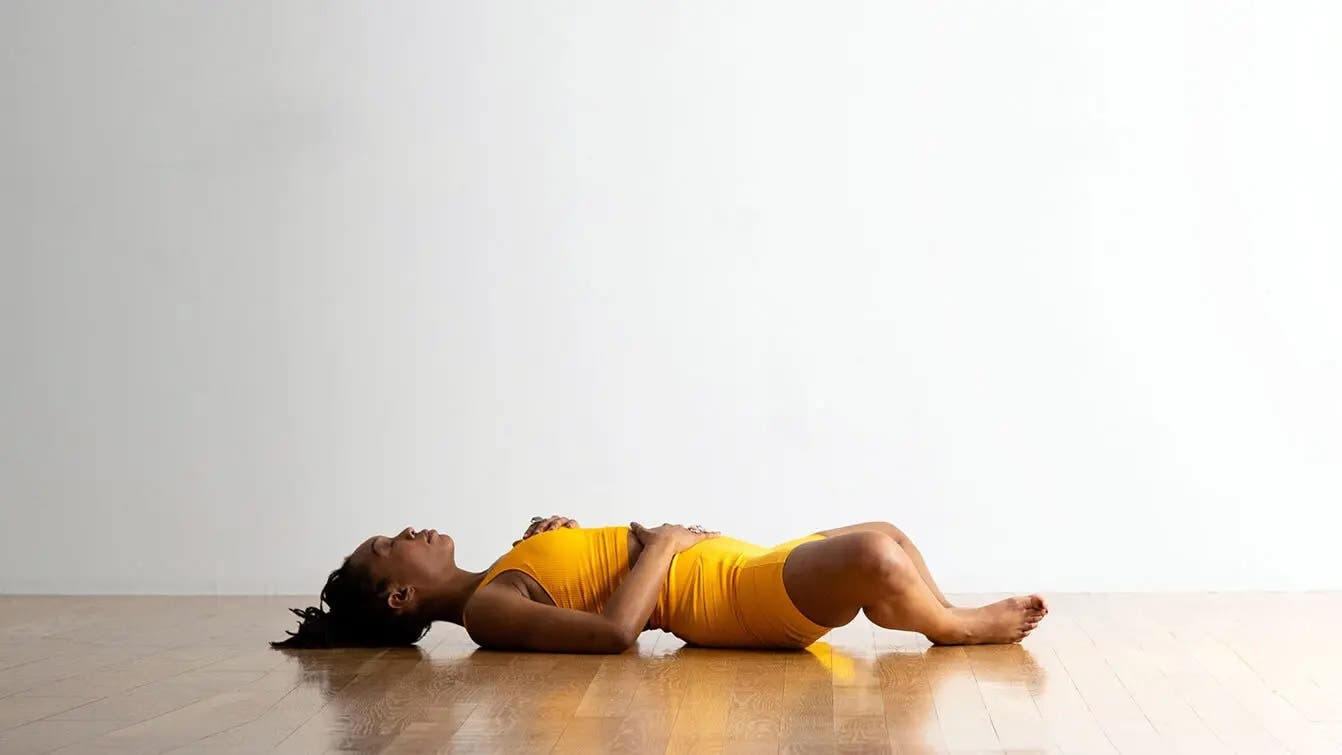
2. Reclining Bound Angle Pose (Supta Baddha Konasana)
Focusing on the hips—the area where we often store emotional tension—this pose allows for deep, passive stretching. By placing one hand on the heart and one on the belly, you foster a sense of internal connection and grounding that helps soothe a racing mind.
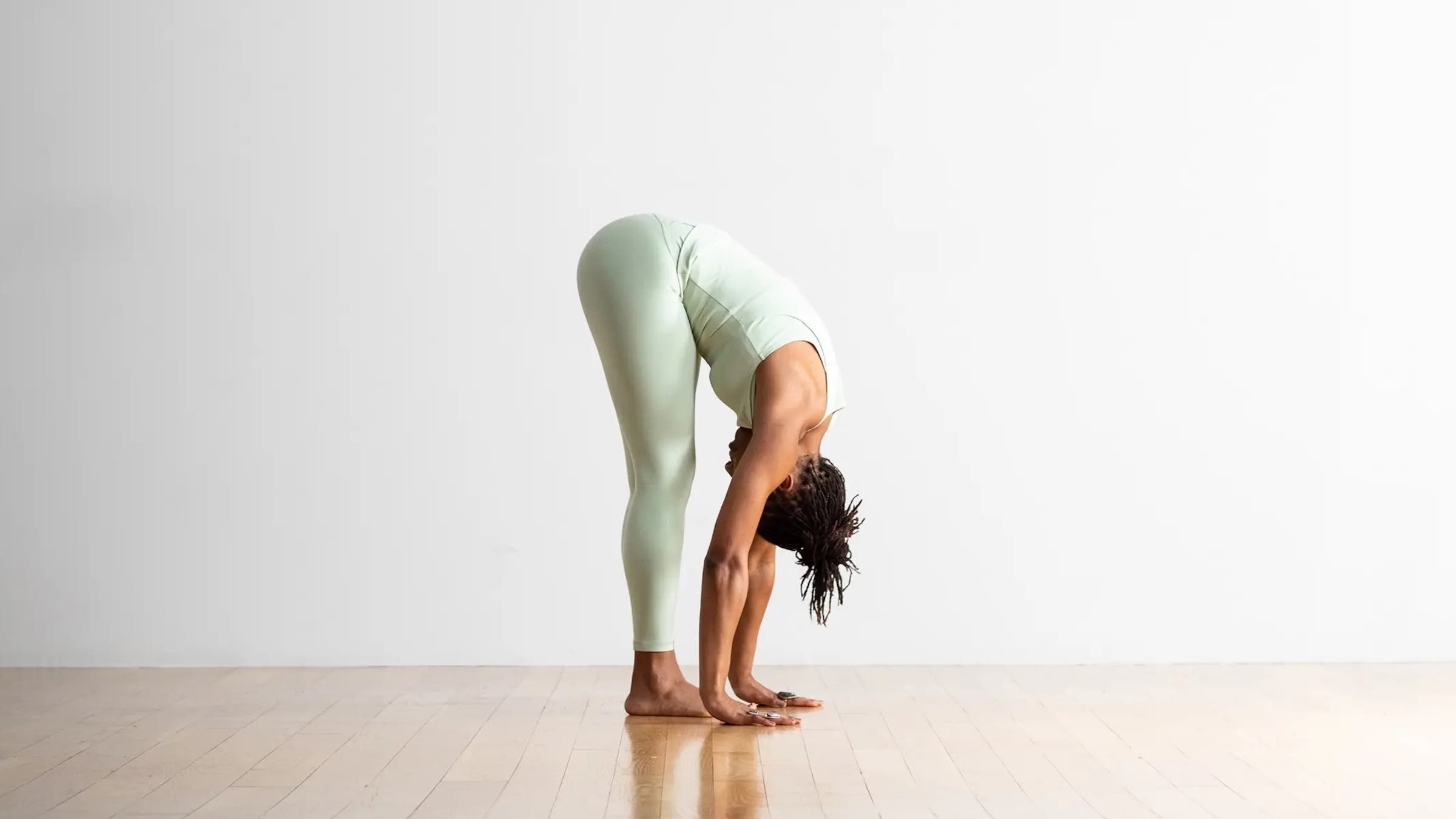
3. Standing Forward Bend (Uttanasana)
While this is a standing pose, it is highly effective for grounding. Allowing the head to hang below the heart creates a mild inversion that encourages blood flow to the head and neck, helping to release the accumulated tension of a day spent hunched over desks and keyboards.
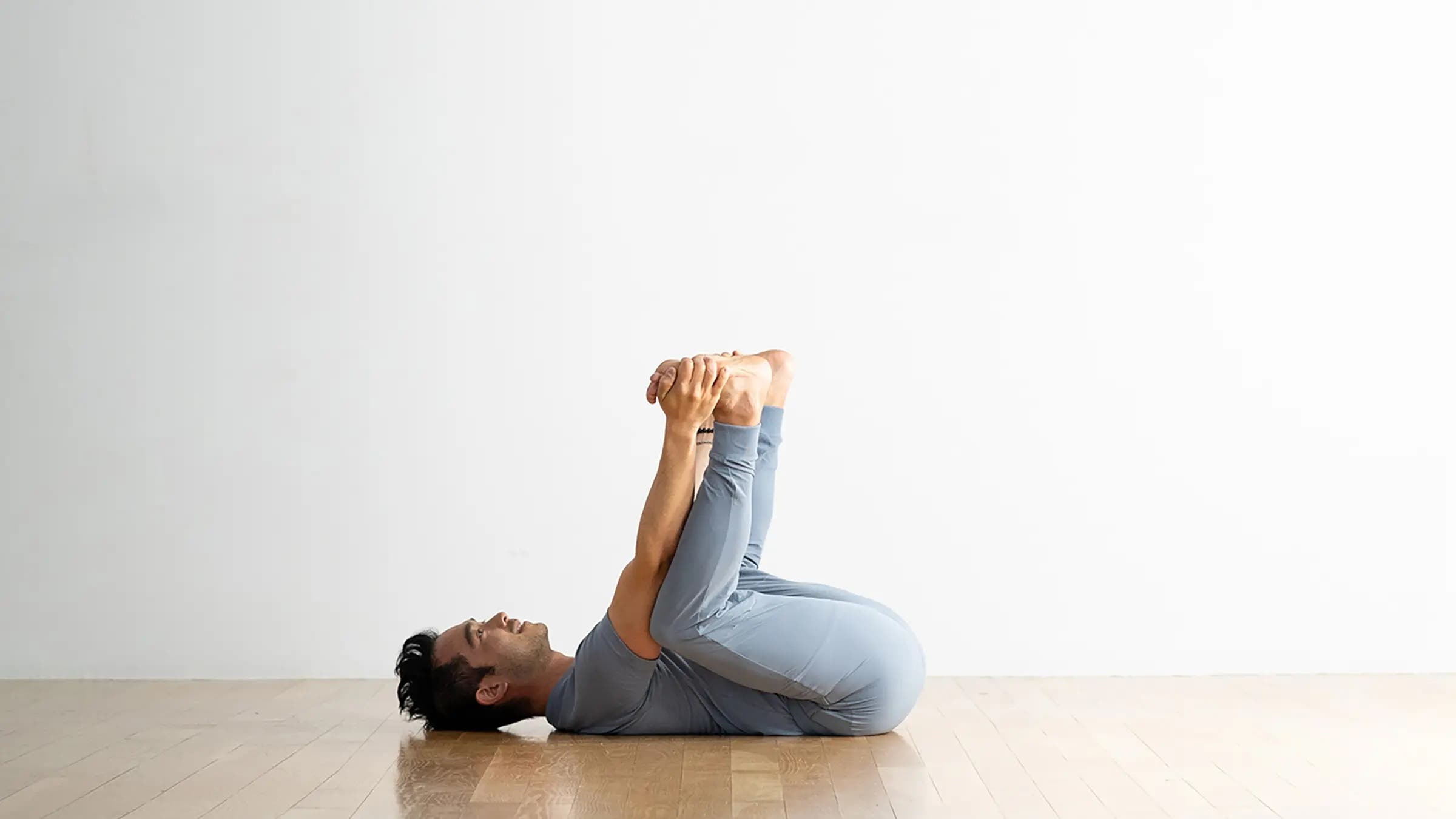
4. Happy Baby Pose (Ananda Balasana)
This pose acts as a DIY spinal massage. By rocking gently from side to side, you stimulate the parasympathetic nerves along the spine. The simplicity of the movement is inherently childlike and comforting, which can help shift the brain from a state of analytical problem-solving to a state of sensory relaxation.
5. Savasana (Corpse Pose)
Often misunderstood as "just lying there," Savasana is the most difficult and necessary part of the practice. It is the conscious practice of letting go of every muscle, thought, and expectation. When performed in bed, it serves as the final, seamless transition into the sleep cycle.
Implications for Modern Life
The adoption of a nightly yoga ritual has implications that extend far beyond the bedroom. By reclaiming the transition between day and night, individuals report improved emotional resilience, sharper cognitive function during the day, and a reduction in the symptoms of anxiety.
However, the efficacy of this practice lies in its accessibility. There is no need for specialized equipment, gym memberships, or an hour of free time. Even five minutes spent in a single, restorative shape can reset the nervous system.
As we look toward the future of sleep hygiene, the integration of ancient, meditative movement into our technological lives offers a necessary counter-balance. By shifting our focus from the "doing" of the day to the "being" of the night, we do not just sleep better; we live better. The mat, in this context, becomes not a place for exercise, but a sanctuary for the soul—a quiet, deliberate space where the day finally ends and the healing power of rest begins.
For those who find themselves tossing and turning, remember: the goal is not to reach a perfect pose, but to reach a state of ease. Start with one pose, breathe, and trust the process of returning to yourself.