





In the world of fitness, where complex machinery and high-intensity interval training often dominate the headlines, it is easy to overlook the simplest of movements. Yet, one foundational exercise remains a cornerstone of physical health, particularly for those navigating their later decades: the step-up. This low-impact, functional movement is far more than a basic leg exercise; it is a critical diagnostic tool for assessing cardiovascular health, maintaining mobility, and ensuring long-term independence.
As we age, the body undergoes natural physiological shifts—muscle mass begins to diminish, bone density fluctuates, and the intricate sense of proprioception (the body’s ability to sense its position in space) can become less precise. Addressing these changes requires movements that mimic the demands of daily life. The step-up does exactly this, serving as a gateway to improved balance, core stability, and lower-body power.
The Science of Unilateral Movement
At its core, the step-up is a "unilateral" exercise, meaning it requires you to work one leg at a time. This is a vital distinction from bilateral movements like squats or leg presses. When you isolate each leg, you force the stabilizing muscles in the hip, knee, and ankle to engage independently. This not only corrects muscle imbalances that often lead to injury but also strengthens the core, as the body must constantly adjust its center of gravity to remain upright.
Beyond structural strength, step-ups are a masterclass in functional fitness. Whether you are navigating uneven city sidewalks, climbing stairs to your apartment, or simply stepping over a curb, the mechanics of a step-up are replicated in virtually every mobility challenge you face throughout the day. By practicing these movements in a controlled environment, you are essentially "training for life."
An Expert Perspective: Insights from Chris Anderson
To better understand the physiological impact of this exercise, we spoke with Chris Anderson, a renowned Exercise Physiologist, Exercise Scientist, and Learning Facilitator in Health Sciences at Torrens University Australia. Anderson highlights that the step-up is not merely a muscle-builder—it is a sophisticated metric of internal health.
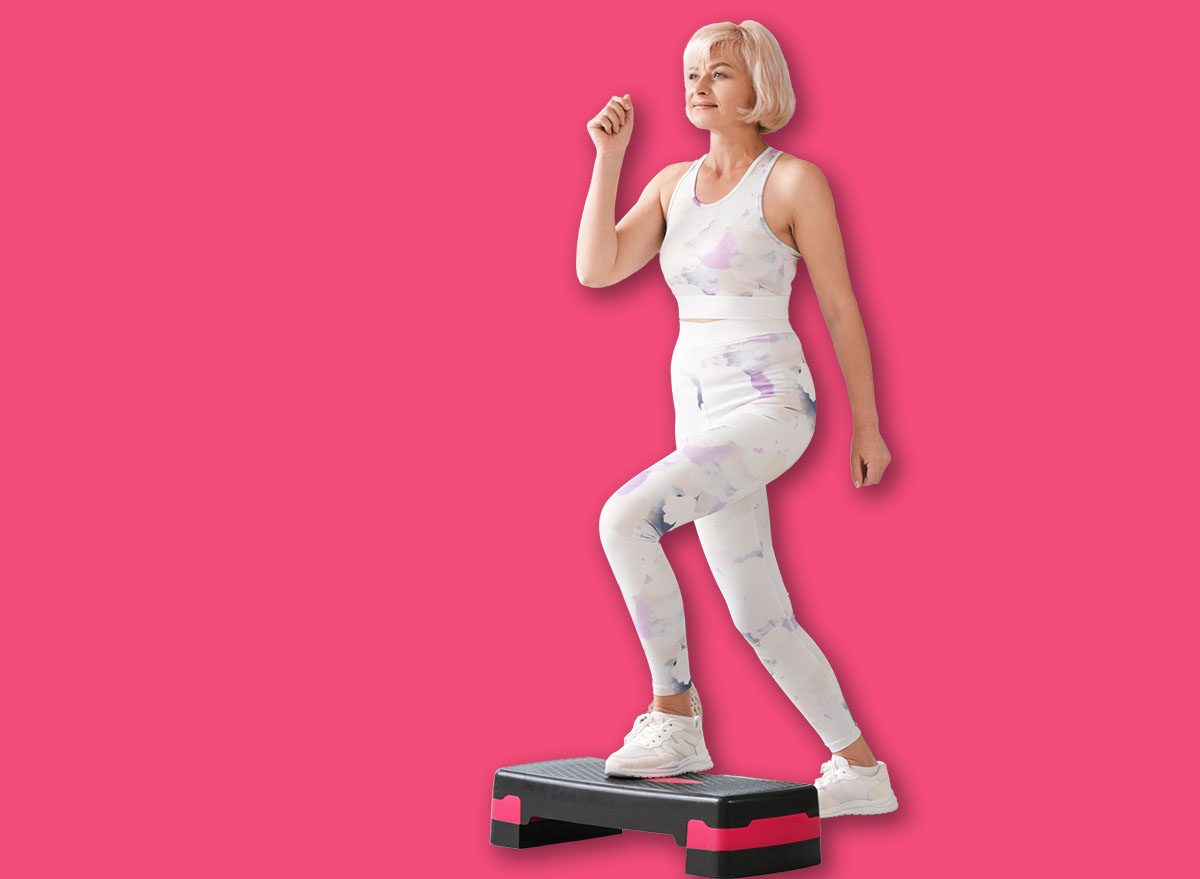
"Step-ups were among the first workouts ever utilized in formal fitness assessments," Anderson explains. "They offer a simple, productive, and highly reliable way to gauge cardiorespiratory health. Because they require minimal equipment—typically just a bench, a metronome, and a stopwatch—they are an accessible gold standard for measuring how the heart and lungs respond to sustained physical demand."
According to Anderson, the "elite" label isn’t just about endurance; it’s about efficiency. If an individual over the age of 60 can perform a significant volume of continuous step-ups without wavering in form or heart rate, it is a strong indicator of superior leg power and cardiovascular resilience.
Chronology of the Step-Up as a Clinical Tool
Historically, the step-up test evolved from the early 20th-century need to assess military recruits and industrial workers quickly and accurately. Unlike a treadmill stress test, which requires expensive, stationary equipment, the "Step Test" could be conducted anywhere.
Throughout the mid-20th century, researchers like Dr. Robert Bruce and others refined various versions of step tests, such as the Harvard Step Test. These tests were designed to measure the recovery heart rate—the speed at which the heart returns to a resting state after a period of intense exertion.
Today, this legacy continues in clinical settings. Exercise physiologists use step-up protocols to identify risks of sedentary-related health issues and premature mortality. By tracking how a patient’s heart rate spikes and subsequently drops following three minutes of rhythmic stepping, clinicians can determine a person’s aerobic capacity with startling accuracy.
The Physiology of the "Big Muscles"
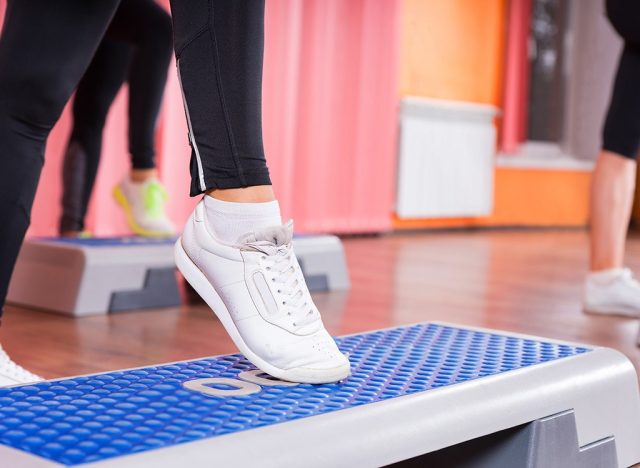
When you perform a step-up, you are activating the largest muscle groups in the human body: the quadriceps, the glutes, the hamstrings, and the calves. Because these muscles require significant amounts of oxygen and blood flow to function, the act of stepping up and down creates a controlled, systemic stress on the cardiorespiratory system.
"The primary reason step-up tests are so heavily researched for older demographics is that they demand so much from our major muscle groups," Anderson notes. "When you force these large muscles to move vertically against gravity, your heart rate must increase to deliver oxygen. This is a perfect ‘stress test’ that reveals a great deal about a person’s overall physical function and long-term health prospects."
Benchmarks: What Should You Aim For?
While there is no single, universally mandated "gold standard" for the general public, fitness professionals often look for the ability to climb five flights of stairs—roughly 50 to 60 continuous steps—without the need for a rest break.
For those looking to perform a structured assessment at home, Anderson suggests the following protocol:
- Preparation: Utilize a standard 12-inch (30cm) step or a sturdy, non-slip bench.
- Tempo: Maintain a steady rhythm of 24 steps per minute. A "step" is defined by the cadence: "up, up, down, down." This equates to roughly 96 beats per minute on a standard metronome.
- Duration: Continue this pace for exactly three minutes.
- Recovery: Immediately upon finishing, sit in a chair and monitor your pulse for exactly one minute. This "recovery heart rate" is the most telling metric of your cardiovascular health.
Form is the Foundation
The greatest mistake individuals make when attempting step-ups is prioritizing volume over technique. As Anderson warns, "The goal is not to see how many reps you can grind out; the goal is to perform them with perfect biomechanics."
Common Pitfalls to Avoid:
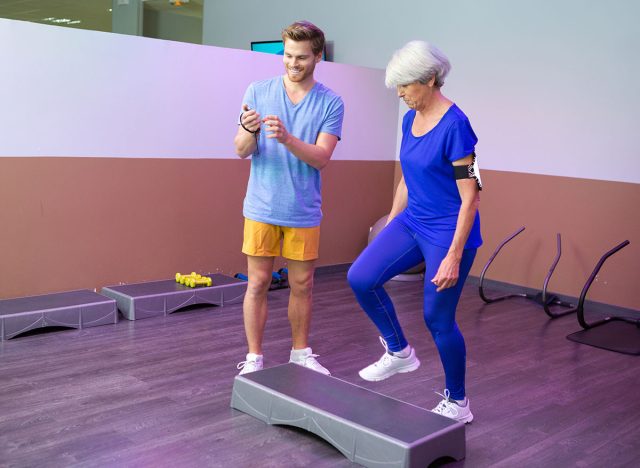
- The Momentum Trap: Swinging the back leg to "launch" yourself upward. This removes the burden from the glutes and defeats the purpose of the exercise.
- The Knee Collapse: Allowing the knee to cave inward during the ascent. This is a common sign of weak hip abductors and can lead to long-term joint pain.
- The "Toe-Only" Landing: Placing only the toes on the step, which puts excessive strain on the calf and increases the risk of slipping. Ensure your entire foot is firmly planted.
- The Rail Crutch: Leaning heavily on a railing or wall. While it is wise to have a hand near a support for safety, using it to pull yourself up reduces the muscle-strengthening benefit.
- The Rapid Descent: Rushing the downward phase. The eccentric (lowering) portion of the movement is just as important for building strength and stability as the upward phase.
Implications for Future Health
The shift from mid-life to the later years is characterized by a gradual loss of the "explosive" power required to navigate the world. By integrating step-ups into your routine, you are effectively banking "physical capital."
If a standard 12-inch step feels too daunting, Anderson recommends starting with a 6-inch step. This height is sufficient to challenge the lower limbs while maintaining safety and form. For those who find the standard step-up too easy, the path to improvement is not necessarily higher steps, but increased resistance. Carrying a light backpack or holding a book against your chest adds a layer of "weighted" movement that mimics the reality of carrying groceries or luggage, further hardening your body against the inevitable declines associated with aging.
Ultimately, the humble step-up is a reminder that the most effective exercises are often the ones that honor the basic mechanics of human movement. Whether you are aiming for "elite" status or simply trying to ensure you can climb a flight of stairs with ease, the step-up is the ultimate, time-tested investment in your long-term mobility and cardiovascular vitality.